A low image price means very little if the final photos create extra work, miss your marketplace requirements, or make the product look unlike what customers receive. This product photography service review checklist helps ecommerce brands, Amazon sellers, and marketing teams compare studios based on the details that affect clicks, conversion, and day-to-day workflow.
The right photography partner should do more than produce attractive images. They should understand the product category, deliver consistent files, communicate clearly, and give your team images that are ready to publish. Use this checklist before you request a quote, send inventory, or commit to a larger production run.
Start With the Images That Matter to Your Sales Channel
Before reviewing a studio, define where the images will appear. Amazon listings, Shopify product pages, retail catalogs, paid social ads, and print lookbooks do not always require the same shot list or file specifications. A studio that is excellent at clean white-background ecommerce images may not be the best fit for a campaign that needs styled lifestyle scenes, editorial lighting, or complex composites.
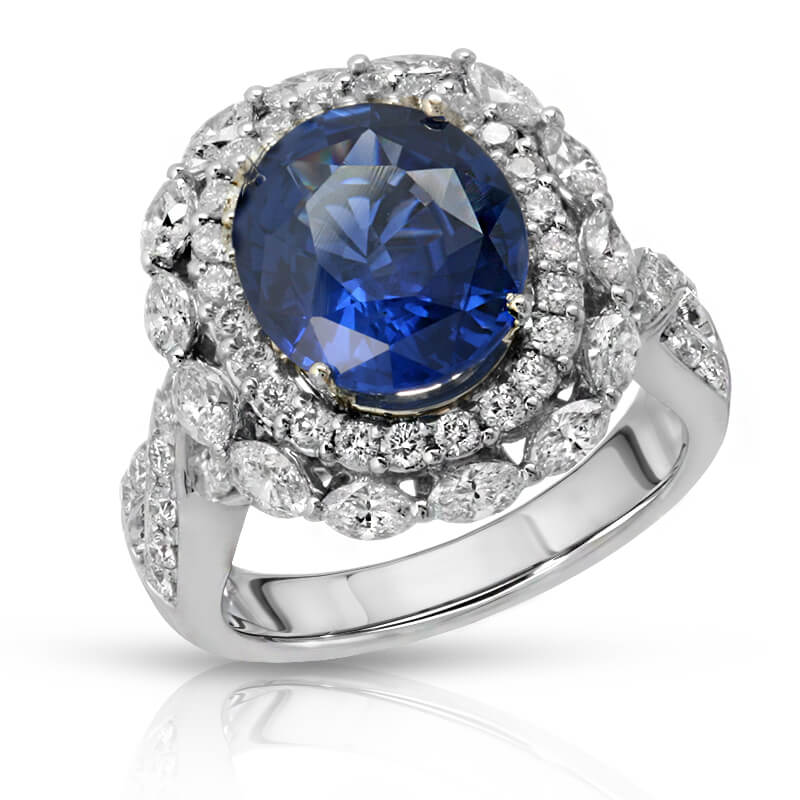
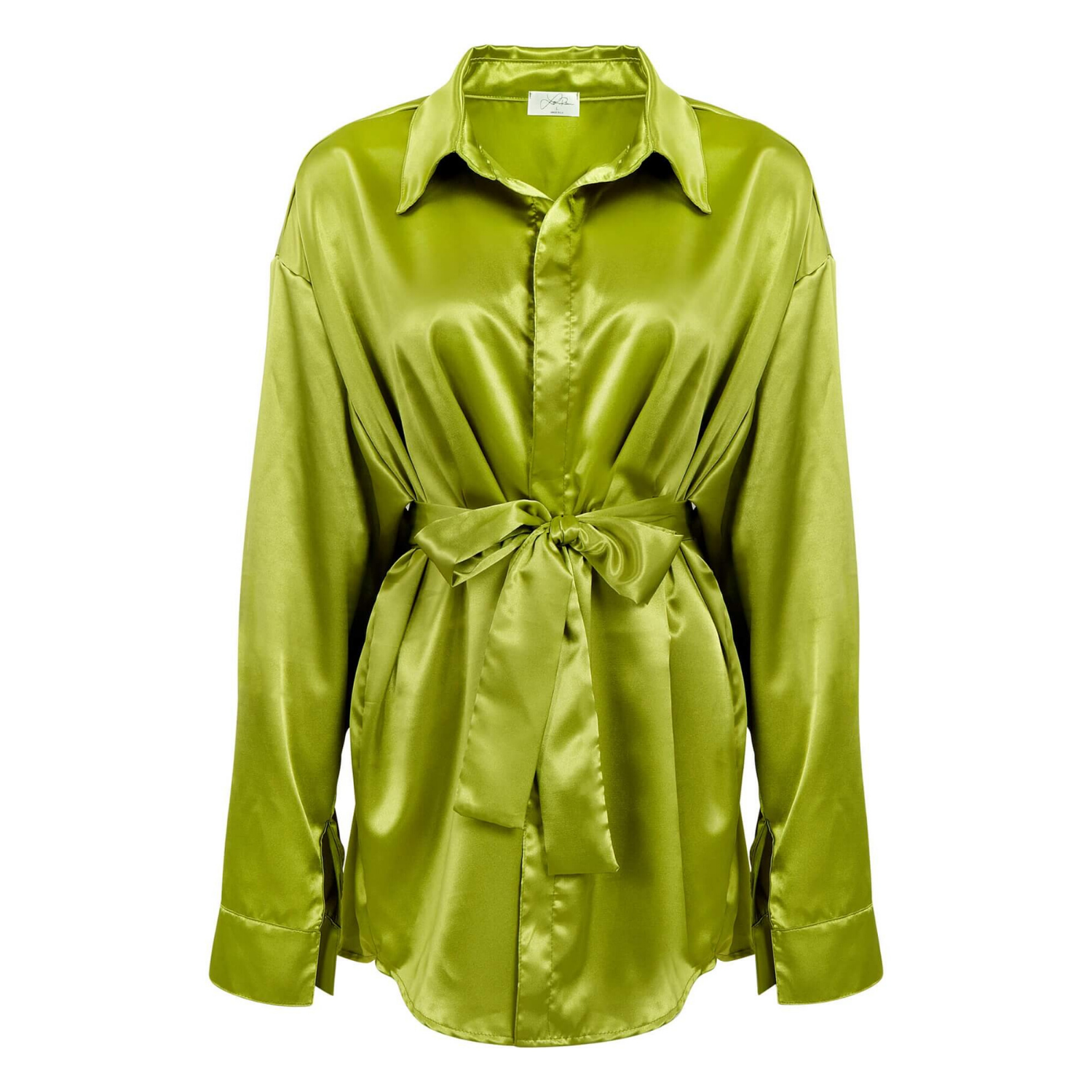
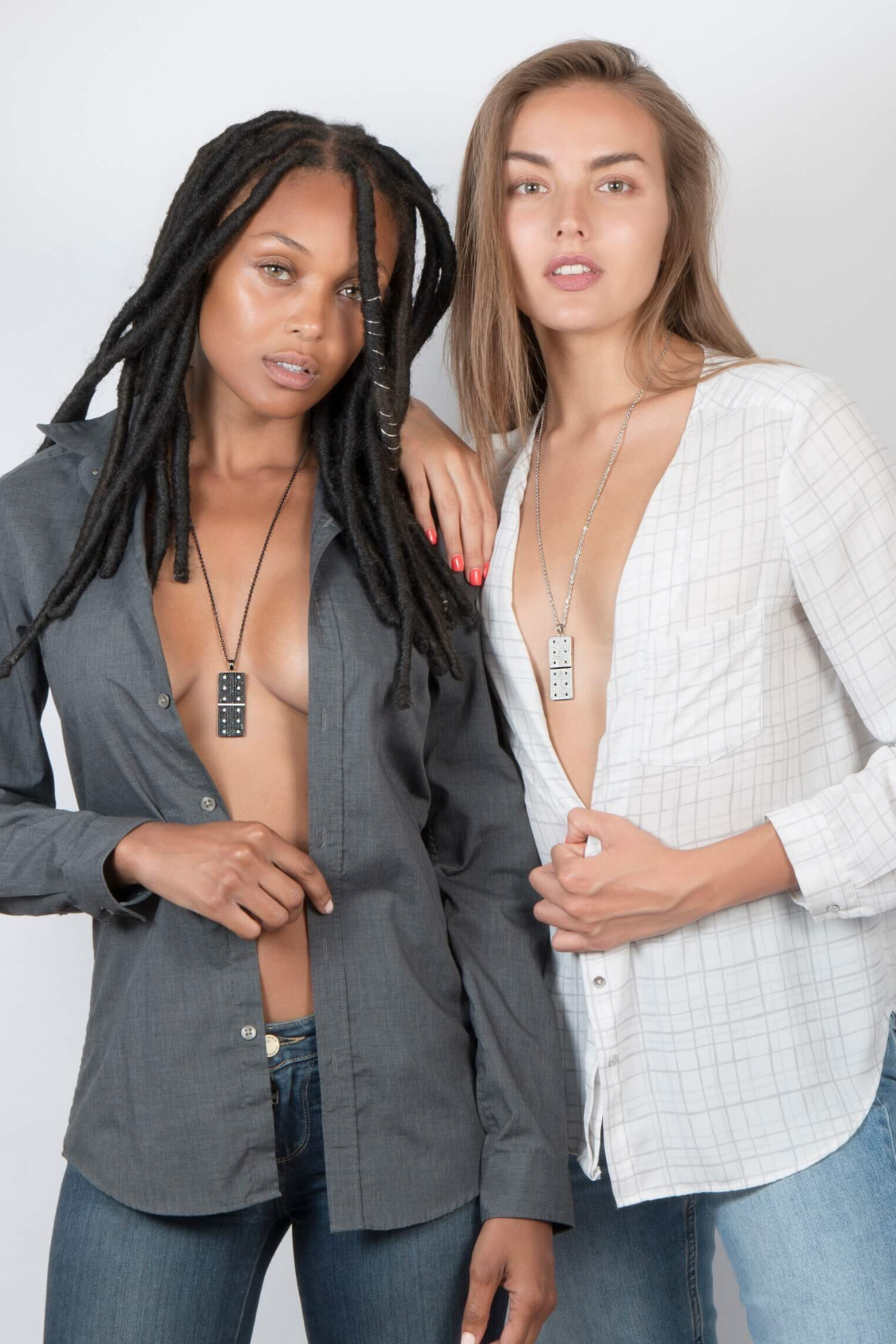
Ask yourself what a shopper needs to see before purchasing. For a skincare product, that may include front and back label images, packaging texture, scale, and a detail shot of the dispenser. For jewelry, shoppers may need close-ups that show stone clarity, metal finish, clasp details, and accurate scale. Apparel needs careful color handling, consistent ghost mannequin work, and views that explain fit and construction.
A qualified studio should help turn those needs into a usable shot list. If the provider only asks how many images you need, without asking what you sell or where the images will be used, the review process should go deeper.
Product Photography Service Review Checklist: Quality First
A portfolio is useful, but do not review it only as a collection of attractive pictures. Look for repeatable commercial quality. One excellent hero image does not prove that a studio can photograph 200 SKUs with the same standard.
Review recent examples and look for these five performance indicators:
- Clean, controlled lighting that shows product shape without distracting glare or harsh shadows.
- Accurate color, especially for apparel, cosmetics, food packaging, gemstones, and painted surfaces.
- Sharp edges and realistic detail rather than heavy retouching that makes materials look artificial.
- Consistent crop, angle, scale, and white background treatment across related products.
- Image styles that match the product category and the sales channel where the work will appear.
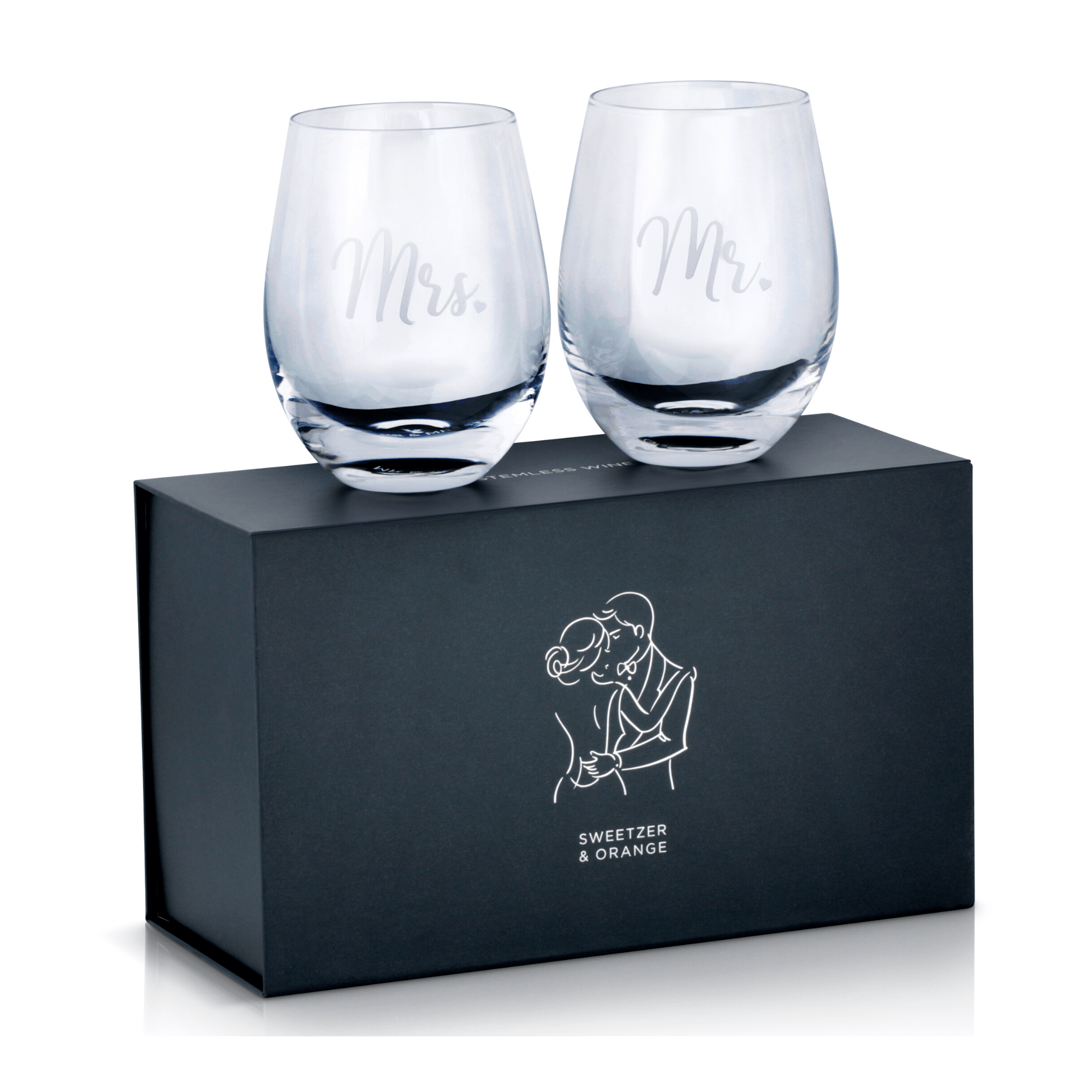
Pay close attention to difficult materials. Reflective watches, glassware, chrome electronics, clear bottles, sequined apparel, gemstones, and glossy packaging all reveal a photographer’s lighting and retouching skill. If a portfolio contains only simple matte products photographed from a distance, ask for samples closer to your category.
For brands with a defined visual identity, compare the studio’s work with your existing listings, packaging, and advertising. You do not need every image to look identical across channels, but shoppers should recognize the same product and brand when they move from an ad to a product page.
Ask for Category-Relevant Samples
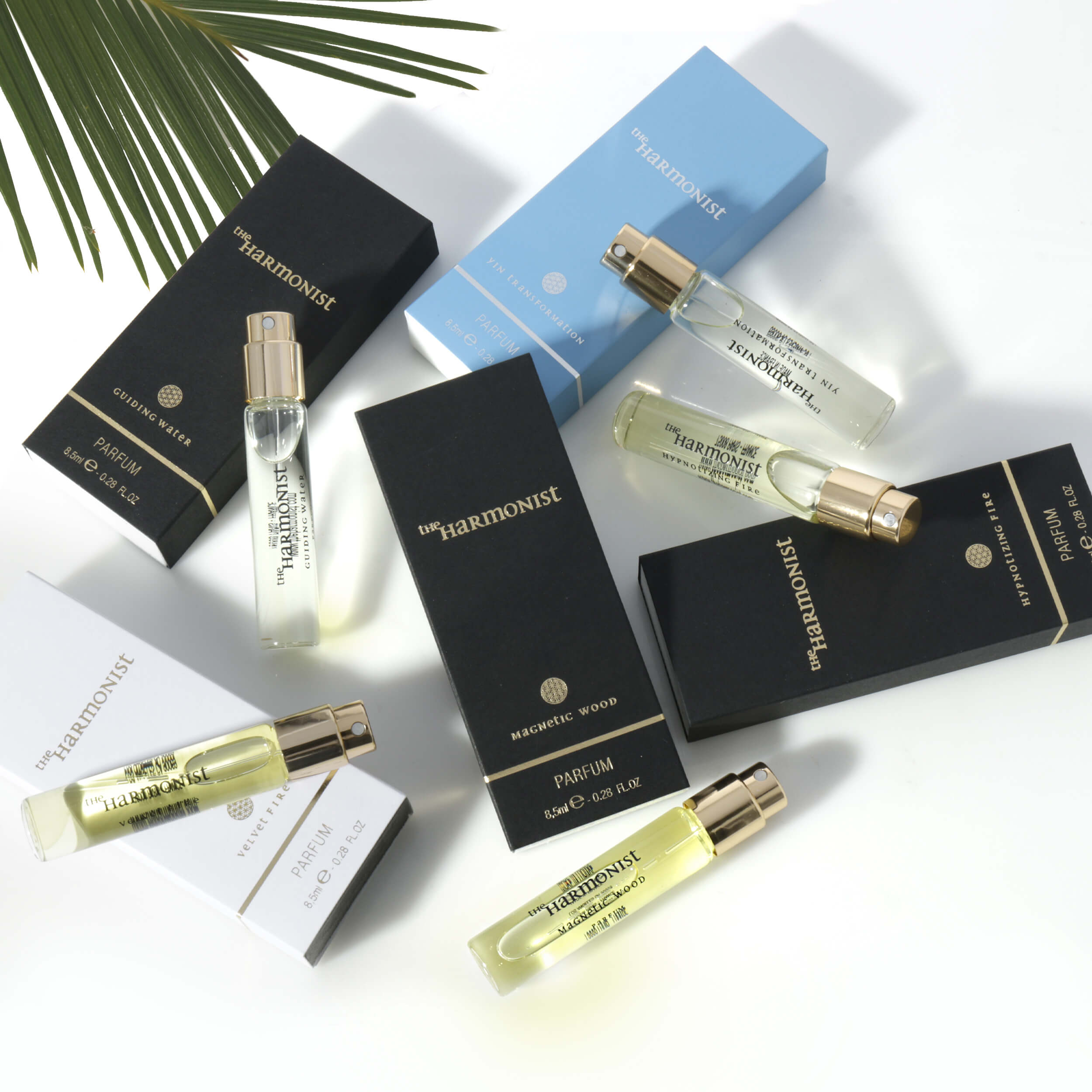
Category experience saves time because the studio already understands common challenges. Jewelry photography requires different lighting control than apparel photography. Beauty products require attention to label legibility, color, surface finish, and packaging reflections. Medical items and electronics may need precise angles that show functional details without visual clutter.
Ask for examples that are genuinely comparable in material, size, and complexity. A studio’s experience photographing a gold ring does not automatically prove it can handle a large collection of diamond jewelry. Likewise, a clean bottle photo does not necessarily demonstrate skill with transparent glass, metallic caps, and highly reflective liquid packaging.
Confirm What the Quote Actually Includes
Affordable pricing is valuable when the scope is clear. A per-image rate can be a smart way to control costs, particularly for a growing catalog, but compare what each studio includes before selecting the lowest number.
Request a written breakdown of the expected production. It should clarify the number of final images, angles per product, backgrounds, retouching level, file types, image dimensions, and turnaround time. It should also explain whether complex products, styling, model work, props, advanced compositing, or rush delivery change the price.
A quote may be based on final delivered images, products photographed, or production time. None of these models is automatically better. Per-image pricing is easy to forecast for standardized ecommerce work. Project pricing may make more sense when products vary widely or when a campaign includes lifestyle sets and extensive art direction.
Also ask how revisions are handled. Minor adjustments to a crop, dust removal, or file size are different from changing the lighting approach after an approved shoot. A professional provider will define the review process so both sides know what is included.
Review Retouching at Full Size
Retouching is where product photography becomes sales-ready. It removes dust, fingerprints, minor scratches, loose threads, label imperfections, unwanted reflections, and other distractions that become visible online. But excessive retouching can create a problem of its own.
Request high-resolution samples, not just compressed images on a portfolio page. Zoom in on labels, edges, fabric texture, gemstones, product seams, and reflective surfaces. Look for natural results. The product should appear clean and polished while still looking like the item your customer will receive.
For apparel and cosmetics, color accuracy deserves direct discussion. Ask how the studio handles calibration, monitor standards, and product-specific color matching. Exact color can still vary by shopper screen, but professional capture and post-production reduce the risk of a costly mismatch between the listing and the physical product.
Check Turnaround, Communication, and Production Capacity
Fast turnaround is only helpful when it is dependable. Ask when the clock starts: when you approve the quote, when the studio receives the products, or after the shot list is finalized. Ask whether the stated turnaround is measured in business days and whether it applies to your expected volume.
A studio should also explain how it handles product intake, questions during the shoot, proof approval, revisions, and return shipping. Clear communication matters most when you have seasonal launches, marketplace deadlines, or dozens of products moving through production at once.
For larger catalogs, ask about batch consistency. Can the team match images created months earlier? Can it maintain established angles, cropping, shadows, and background standards as new products are added? This is especially valuable for brands that expect their assortment to grow over time.
Verify File Delivery and Usage Rights
The final files should work where your products sell. Confirm whether the studio delivers high-resolution images, web-ready versions, square crops, vertical crops, transparent-background files, or marketplace-ready white-background images. Your needs may include more than one format, so decide that before production begins.
File naming is another practical detail that can save your team hours. Images named by SKU, product style, color, and view are easier to upload and manage than generic camera filenames. If your catalog is large, establish the naming convention in advance.
Usage rights should be written plainly. For most commercial product photography, brands need broad rights to use the finished images on ecommerce sites, online marketplaces, social media, advertising, catalogs, and print materials. Royalty-free usage rights reduce friction as your marketing needs expand. Confirm whether any restrictions apply to paid advertising, resale, third-party marketplaces, or future campaigns.
Run a Small Test Before a Large Production Order
If you are evaluating a new provider, a small pilot is often the best proof. Send a representative group of products rather than the easiest items in the catalog. Include one straightforward product, one reflective or detailed item, and one product that requires precise color or label reproduction.
Evaluate the test order using the same standards you will use at scale: image quality, accuracy, communication, speed, file organization, and adherence to the shot list. This approach gives you a clearer answer than a portfolio alone, while keeping risk manageable.
Product Photography Studio supports brands that need polished, scalable commercial images with professional retouching, high-resolution delivery, and affordable per-image pricing. For a catalog refresh or a new launch, the goal is not simply to get photos taken. It is to receive images your team can publish with confidence.
The best choice is the studio that makes your products easier to understand and easier to buy. Bring a clear shot list, ask direct questions, and review the finished work as your customer would: quickly, closely, and with an expectation that the image tells the truth about the product.