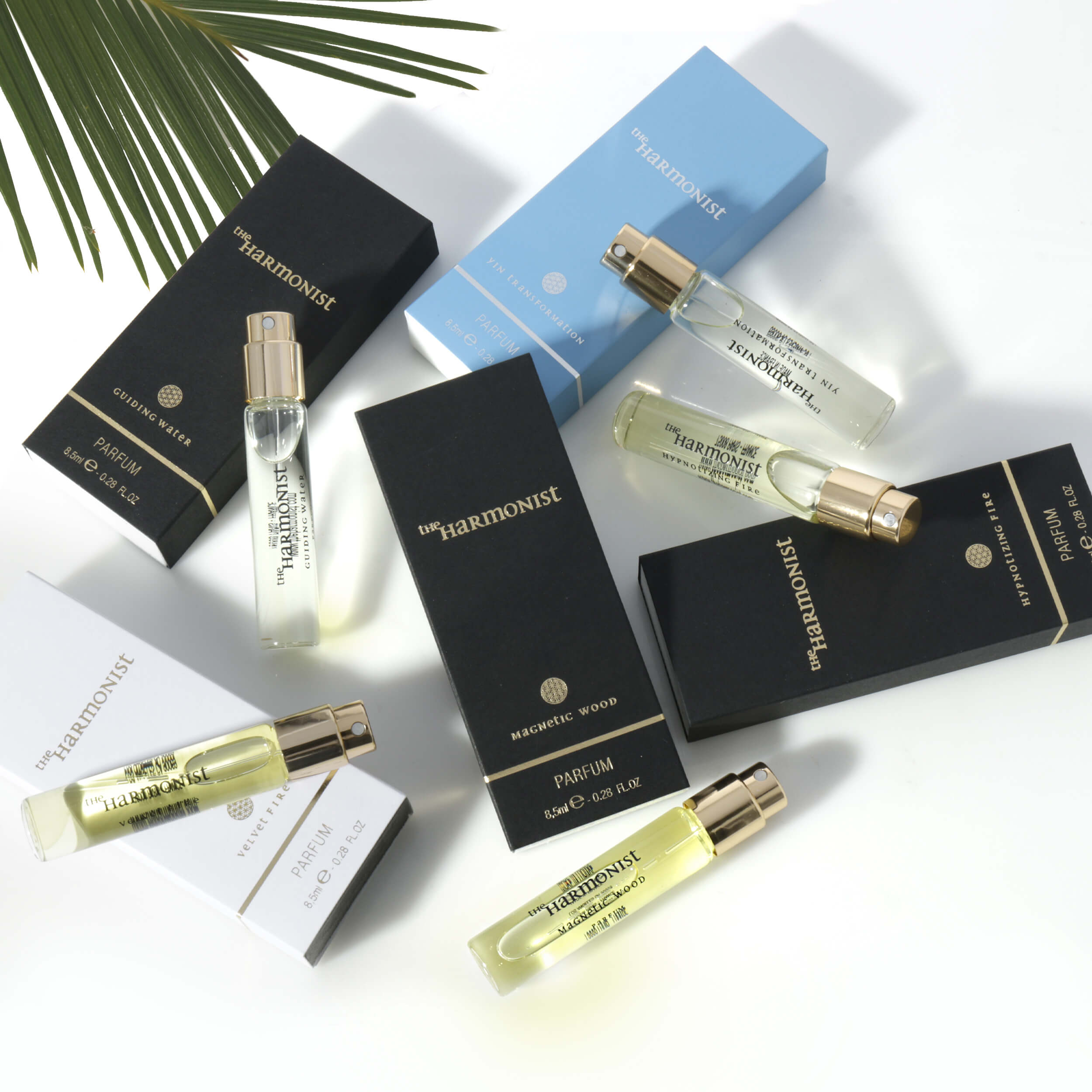
A product photo can perform in dozens of places long after the shoot is complete: an Amazon listing, a Shopify product page, a paid social campaign, a retailer catalog, packaging, or a magazine ad. That is why image usage rights should be settled before production begins, not after a campaign is ready to launch. The right agreement gives your team the freedom to sell, advertise, and scale with confidence.
For ecommerce brands, usage rights are not legal fine print. They are a practical part of the image investment. A polished hero image that drives clicks is far more valuable when it can support every channel where your customers discover and buy your product.
What Image Usage Rights Actually Cover
Image usage rights define how, where, and for how long a client may use photographs. The photographer generally owns the copyright to images they create unless ownership is specifically transferred in writing. A client may still have broad permission to use those images commercially through a license.
That distinction matters. Copyright ownership gives the owner control over reproduction, distribution, edits, and licensing to others. A usage license gives the client agreed-upon permission to use the images under stated terms. Neither arrangement is automatically better. The right choice depends on how your business plans to use the final assets.
For a growing product brand, the most useful license is often one that permits broad commercial use across ecommerce, marketplaces, advertising, social media, email, print, and sales materials. If the agreement only covers one website or a short campaign, your team may need to obtain additional permission later before using the same image in a new channel.
Royalty-Free Does Not Always Mean Unlimited
“Royalty-free” is a common term in commercial photography, but it deserves a closer look. In most cases, royalty-free means you pay once for the agreed license and do not owe recurring fees each time the image is used. It does not automatically mean the client owns the copyright, receives exclusive access, or can use the image without any restrictions.
A royalty-free product photography license may allow a brand to use its finished photos indefinitely across its own marketing and sales channels. That is a strong, practical arrangement for many ecommerce businesses. It reduces approval delays when the marketing team needs to repurpose product images for a promotion, marketplace refresh, or new printed collateral.
Still, read the scope. A license can be royalty-free while limiting use by territory, duration, media type, resale, or third parties. For example, an agreement may allow a brand to use an image on its own website but not permit a retail partner, distributor, or agency to use it. If your products are sold through multiple channels, that restriction can create an avoidable problem.
The Rights Your Product Team Is Most Likely to Need
The best agreement reflects your actual selling plan. A small direct-to-consumer launch has different needs than a brand selling through Amazon, wholesale accounts, and national retailers. For most commercial product shoots, clarify the following points before the camera comes out.
Commercial Use Across Sales Channels
Make sure the license covers the channels that matter to your business: ecommerce websites, Amazon and other marketplaces, online retail partners, social media, email campaigns, digital ads, catalogs, lookbooks, printed sales materials, and packaging when needed.
Marketplace use deserves special attention. Amazon sellers, for example, often need clean white-background images for listing requirements along with lifestyle or infographic-style images for enhanced content and advertising. A license that covers only a single product detail page may not support the rest of the listing strategy.
Duration and Territory
Some licenses have a fixed term, such as one year. Others are perpetual, meaning the right to use the approved images does not expire. A perpetual commercial license is often easier for evergreen products, packaging, catalog imagery, and brand libraries that will remain in use for years.
Territory refers to the geographic area where images can be used. If you sell nationwide, use nationwide marketing rights. If international sales or global advertising are part of your plan, address that upfront. Expanding into Canada, Europe, or a new marketplace should not force you to rebuild a product image library from scratch.
Editing, Cropping, and Adaptation
Marketing rarely uses one image at one size. Teams crop photos for banners, resize them for social posts, add text overlays for ads, and combine them with brand graphics. Your agreement should allow reasonable edits that preserve the integrity of the work and product.
Ask whether you can crop, resize, retouch, add copy, create composites, and use the image alongside promotional design elements. This is especially useful when different departments, agencies, or retail partners need files adapted for their own specifications.
Third-Party and Partner Use
Many brands rely on outside help. Your advertising agency, Amazon account manager, graphic designer, printer, distributor, or retail partner may need access to approved product images. Confirm whether these parties can use the files on your behalf.
The goal is not to give away control. It is to prevent a bottleneck when a legitimate business partner needs a product image for a campaign, sell sheet, retailer listing, or display.
Copyright Ownership vs. a Broad License
Some clients assume they need full copyright ownership of every product image. Sometimes they do. For example, a large brand with extensive international distribution, frequent licensing activity, or strict internal intellectual property rules may require a copyright assignment.
For many small and mid-sized ecommerce brands, however, a broad royalty-free commercial license delivers the operational freedom they need at a more practical cost. The brand can use the images throughout its sales and marketing work, while the studio retains copyright and keeps clear records of the original work.
There are trade-offs. A copyright transfer can provide the broadest control, but it may cost more because the photographer gives up future control of the asset. A license can be more affordable and still meet day-to-day commercial needs, provided its terms are clear. The issue is not which label sounds stronger. It is whether the written rights match the ways your business will actually use the photos.
Do Product Photos Need Exclusive Rights?
Exclusivity means the photographer agrees not to license or provide the same images to another party. For custom product photography of your own products, exclusivity is usually expected in practice because the products, styling, and final images are created specifically for your brand.
However, exclusivity can be more complicated with stock-style lifestyle imagery, generic props, locations, or models. A photo of your moisturizer on a white background is clearly tied to your product. A broader beauty scene featuring a model, a bathroom setting, and general props may involve separate rights and reuse considerations.
If visual differentiation is critical to your brand, ask whether the final images are exclusive to your company and whether the studio may use them in its portfolio. Portfolio permission is different from allowing the image to be used by a competitor, but it should still be discussed if confidentiality matters before a product launch.
Watch for Rights Beyond the Photograph
The photographer’s license is only one part of a commercially usable image. A campaign can also involve model releases, location permissions, prop licensing, artwork in the background, trademarked elements, and music if video is included.
For straightforward ecommerce product shots on a clean background, these issues are usually limited. For lifestyle photography, they deserve more attention. A recognizable person should have an appropriate model release for the intended commercial use. Private locations may require permission. Visible art, logos, or distinctive packaging from another brand can create clearance concerns.
This does not mean every shoot needs a complicated legal process. It means the production should match the intended use. A simple marketplace listing and a national ad campaign carry different levels of risk and require different preparation.
Questions to Ask Before Approving a Photo Quote
A clear quote should make usage terms easy to understand. Before you commit, ask: What commercial channels are included? Is the license perpetual or time-limited? Can our team crop and adapt the photos? May our agencies, retailers, and distributors use them on our behalf? Are the images exclusive? What happens if we need additional uses later?
Also ask what files are delivered. High-resolution, retouched images are essential for print and flexible marketing use, while web-ready versions can make uploading faster. Raw files are a separate matter and are not always included. Most brands do not need them when they receive professionally retouched final images in the required formats, but the expectation should be clear.
Keep the final agreement, quote, invoice, and delivered asset records in one place. When a retailer asks for imagery two years later, your team should be able to confirm usage rights without searching through old email threads.
Build a Photo Library You Can Keep Using
Product photography should continue working after the first listing goes live. A strong image library supports new campaigns, seasonal promotions, wholesale presentations, marketplace updates, and product launches without forcing your team to start over each time.
At Product Photography Studio, clients receive royalty-free usage rights designed for practical commercial use, along with high-resolution, professionally retouched product imagery. That combination helps brands move from shoot approval to selling faster.
Before your next shoot, map the places your product images will need to appear over the next two or three years. Then make sure the usage terms support that plan. Clear rights protect your budget, reduce delays, and give every strong product photo more opportunities to earn its place in your marketing.