A product image can be technically attractive and still cost a brand money. If the color is off, the label is unreadable, the crop fails on Amazon, or usage rights are unclear when an ad campaign launches, the image becomes a liability. Royalty free commercial product photos give businesses a practical way to secure polished, sales-ready imagery they can use across the channels that matter.
For ecommerce brands, marketplace sellers, and retail teams, the goal is not simply to photograph an item. It is to create a consistent visual asset that earns clicks, answers buying questions, and supports the product wherever it appears.
What royalty-free usage means for product photography
Royalty-free does not mean the image has no owner or that anyone can use it without limits. In a commercial product photography arrangement, it typically means the client receives broad rights to use the finished images without paying an additional fee each time they appear in a new placement.
That can include a product page, Amazon listing, social media campaign, digital ad, catalog, retailer submission, email marketing piece, trade show display, or printed collateral. Rather than licensing the same image again for each use, your business can put the approved files to work across its sales and marketing efforts.
The exact rights still matter. A smart project begins with clear written terms covering who may use the images, which products are included, whether the files can be edited by your design team, and whether the photography may be used in paid advertising and print. If you work with retailers, distributors, or agencies, confirm whether your usage rights extend to those partners as well.
For most growing brands, broad royalty-free commercial use is the efficient choice. It keeps budgeting predictable and prevents a successful campaign from being slowed down by licensing questions after launch.
Why commercial product images need more than a clean background
A white-background image is often essential, especially for marketplaces. But a plain background alone does not make a photo commercially effective. The product still needs accurate shape, believable texture, controlled reflections, and a crop that reads quickly on a small screen.
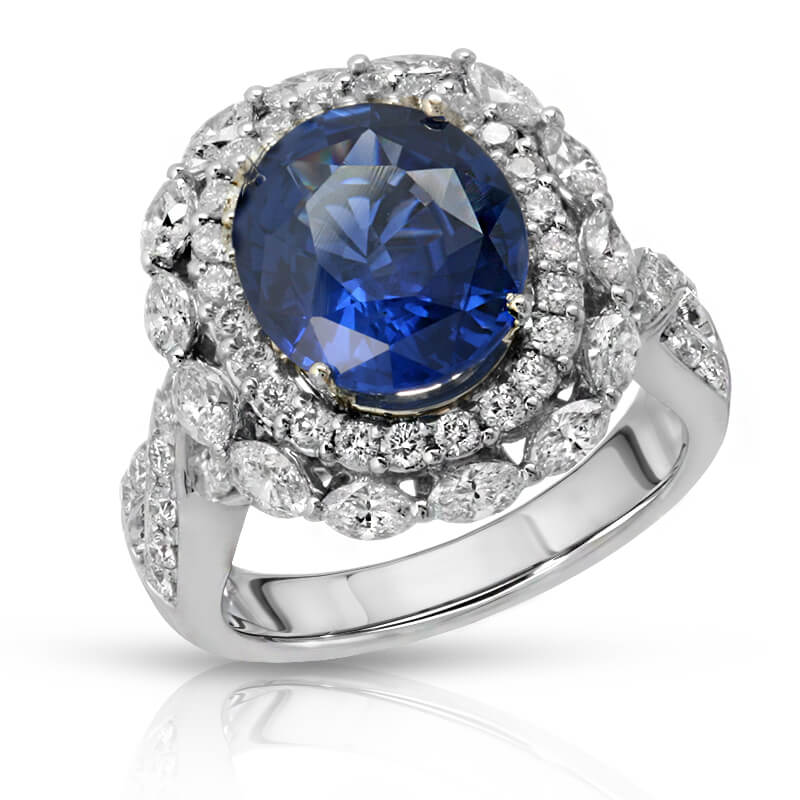
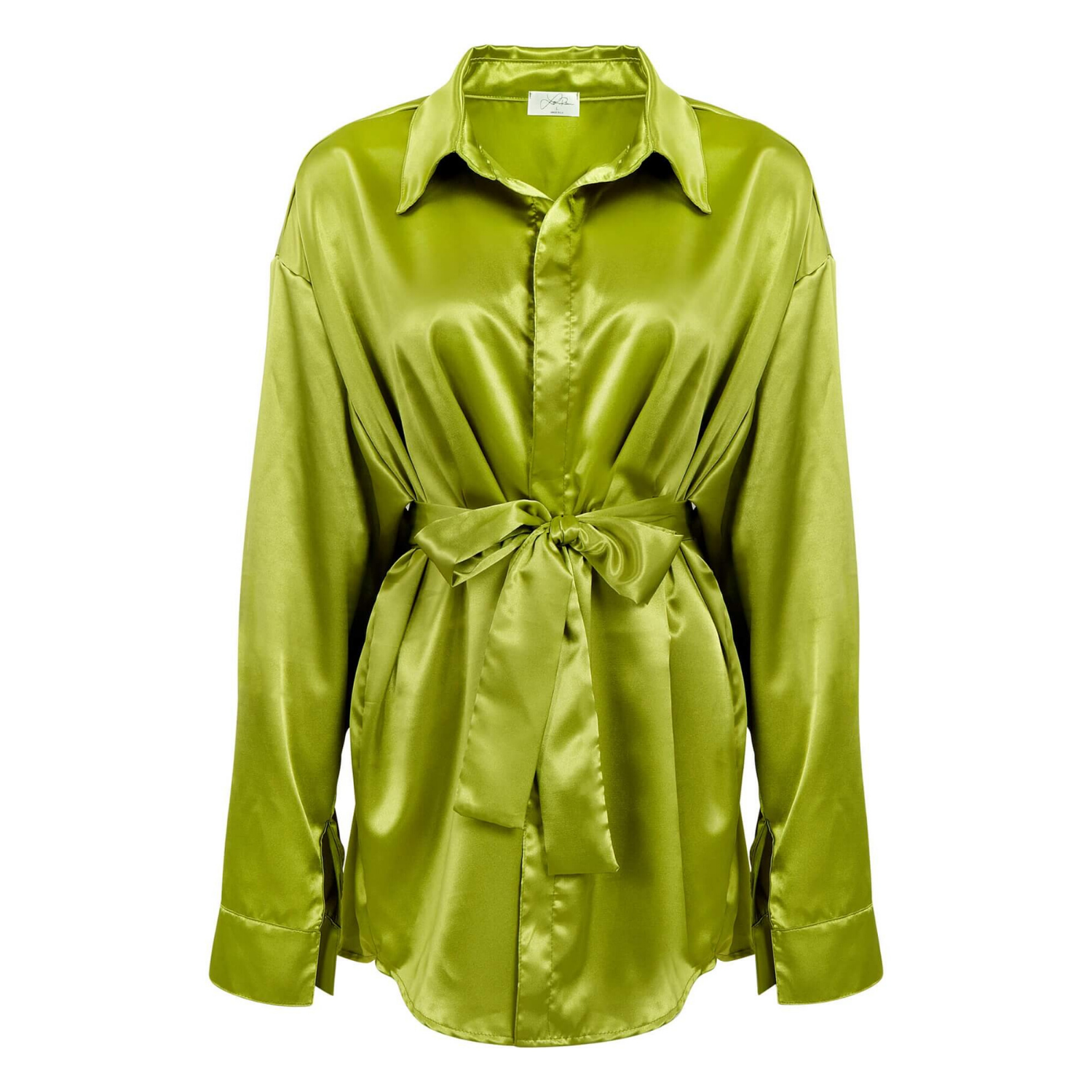
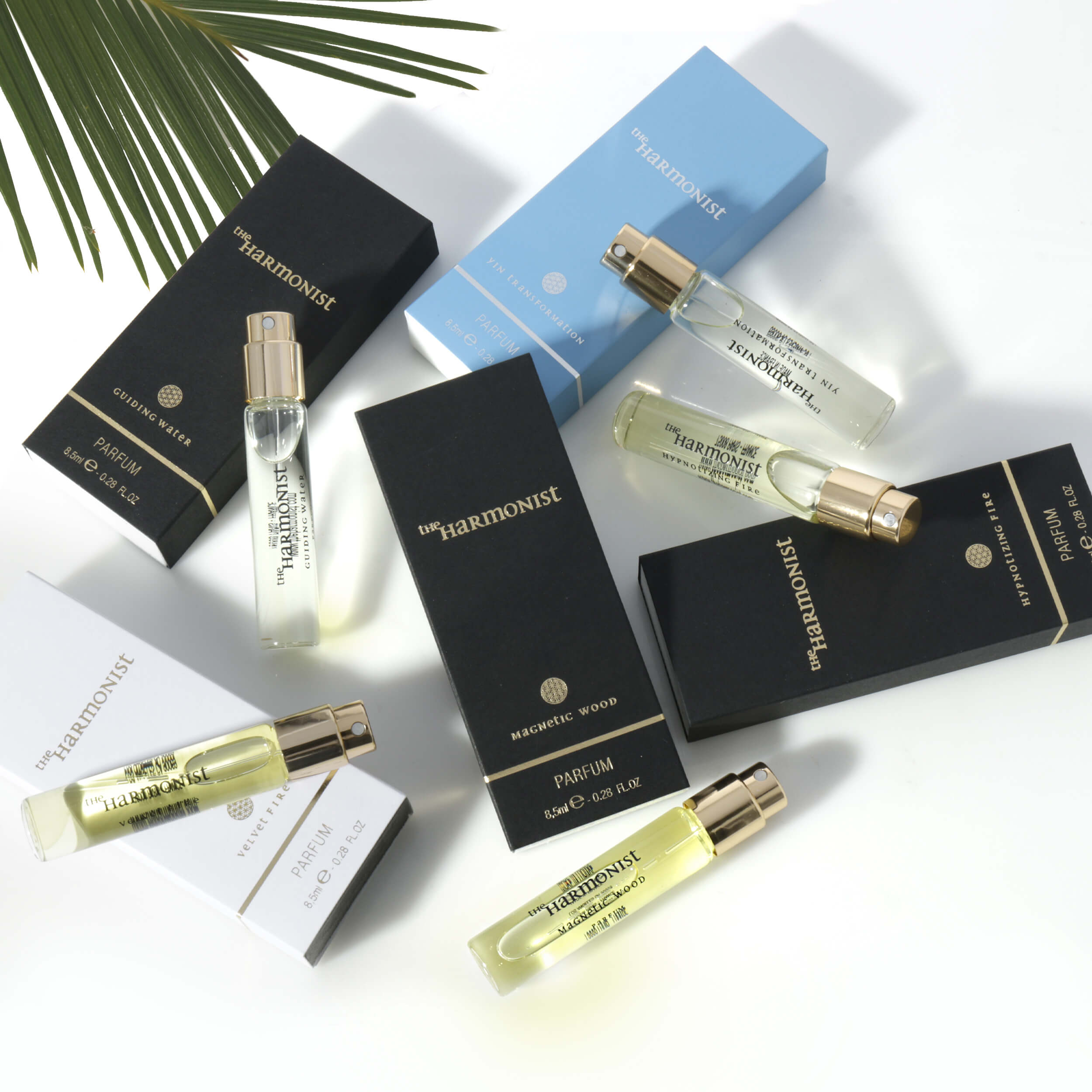
A beauty bottle, for example, may require careful light placement to preserve the shine of the packaging without creating distracting hotspots. Jewelry needs precise focus and retouching that cleans dust and fingerprints while keeping gemstones natural. Apparel needs color-accurate photography, consistent garment shaping, and enough detail for shoppers to understand fabric, fit, and finish.
These details influence confidence. When customers cannot touch a product, images do much of the work that in-store handling once provided. Strong photography reduces uncertainty around scale, materials, color, and quality. That can improve clicks, support conversions, and help lower returns caused by mismatched expectations.
Commercial images must also hold up beyond the product page. A file that looks acceptable as a small thumbnail may fail when enlarged for a print catalog or cropped into a paid social ad. High-resolution capture and professional post-production protect the investment by giving your team usable files for more than one layout.
Royalty free commercial product photos for each sales channel
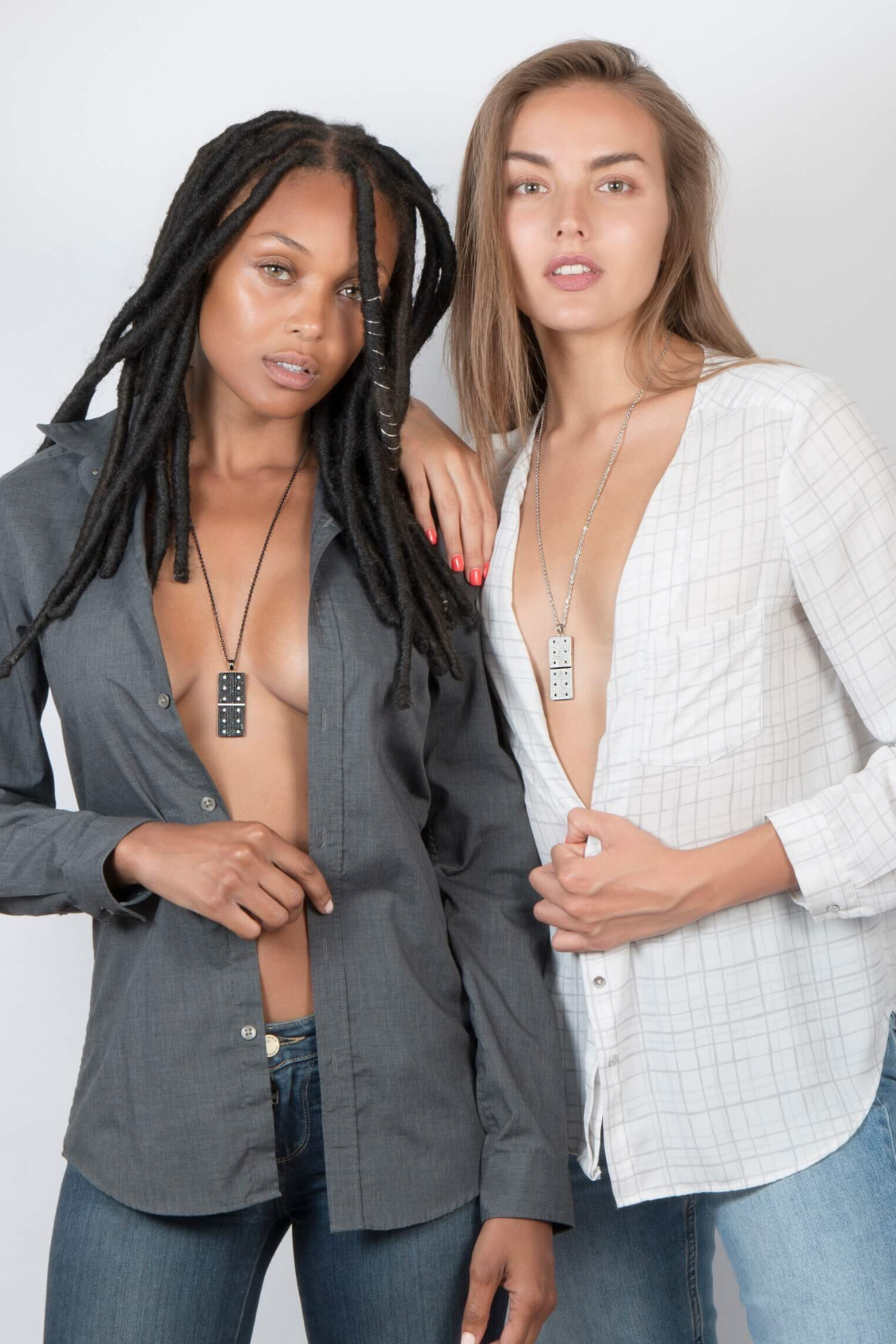
The best image set depends on where and how customers buy. One product may need a marketplace-compliant hero image, detailed secondary views, a close-up of a feature, and a lifestyle image that shows scale or use. Treating every channel the same can leave sales opportunities on the table.
Ecommerce product pages
Your main image needs immediate clarity. Shoppers should understand what is being sold before they read the title. Additional angles should answer the questions most likely to stop a purchase: What does the back look like? How large is it? What comes in the package? Is the finish glossy, matte, textured, transparent, or reflective?
Consistent lighting and framing are especially valuable for collections. When every SKU appears to have been photographed in a different environment, the storefront feels less organized. A repeatable visual standard makes comparison easier and helps the brand look established.
Amazon and marketplace listings
Marketplace photography has strict practical demands. The primary image often needs a pure white background, a product that fills the frame appropriately, and no graphics or props. Secondary images can carry more of the selling story with detail shots, packaging views, scale references, and feature-focused compositions.
The balance is important. Images should be optimized for the listing requirements without becoming generic. A clean hero shot earns the click; sharp supporting photography helps justify the purchase.
Ads, catalogs, and retail marketing
Paid advertising and print need more flexibility. Designers may need negative space for copy, alternate crops, or a high-resolution file that can withstand a large format. Planning those needs before the shoot is more affordable than trying to recreate an image later.
If a product will appear in an ad campaign, catalog, retailer sell sheet, and email launch, say so at the start. The photography can be composed with those placements in mind, while your royalty-free commercial usage rights keep the finished set available as the campaign expands.
What to prepare before a product photo shoot
Fast turnaround starts before the products arrive at the studio. Products should be clean, complete, and ready to photograph. Send the correct colors, sizes, finishes, accessories, inserts, and packaging versions. A missing cap, scratched sample, or outdated label can create avoidable retouching work and delay delivery.
It also helps to identify the priority SKUs. If you have 200 products but only 25 are launching next month, photograph the revenue-critical items first. This keeps the schedule aligned with inventory and marketing deadlines.
Provide a simple shot list with the sales purpose behind it. Instead of requesting “more photos,” specify that you need a front view for the main listing, a close-up of a clasp, a packaging image, a group shot for the collection page, and a banner-ready image with space for text. Reference images are useful too, but they should guide the look rather than replace a clear brief.
For apparel and color-sensitive products, send approved color references when available. Screen colors vary, and accurate capture depends on a controlled process from lighting through retouching and final file delivery.
The value of professional retouching
Retouching is where a good capture becomes a finished commercial image. It can remove dust, scratches, fingerprints, loose threads, label imperfections, and distracting reflections. It also supports clean clipping paths, consistent backgrounds, and a unified look across a full catalog.
The goal is not to make the product look like something it is not. Over-retouching can create false color, erase meaningful texture, or make materials look artificial. The right approach is detail-focused and restrained: present the product at its best while preserving an accurate representation of what customers will receive.
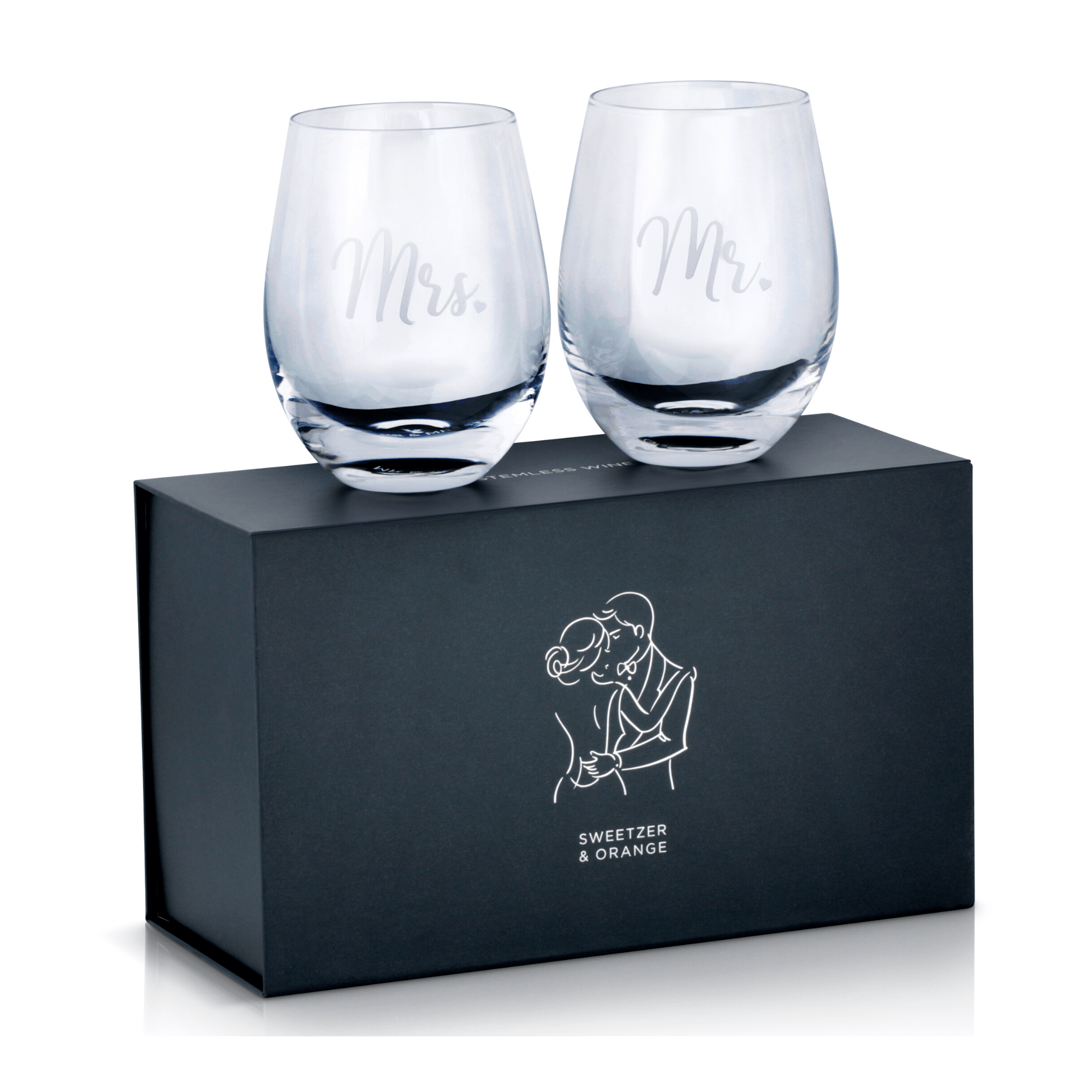
This is especially relevant for jewelry, watches, glassware, cosmetics, and electronics, where tiny flaws and uncontrolled reflections become very visible. It matters for lower-priced everyday goods too. A simple household product can look far more trustworthy when the edges are clean, the label is straight, and the image is consistent with the rest of the store.
Choosing a photography partner that supports growth
Price per image matters, but it should be evaluated alongside output quality, turnaround time, retouching standards, and usage rights. Low-cost photography that requires your team to correct colors, request new angles, or reshoot packaging is rarely the economical option.
Ask practical questions before assigning a project. Can the studio photograph your specific product category? Will you receive high-resolution final files? Is professional retouching included? Can the studio maintain consistency as your SKU count grows? Are royalty-free commercial usage rights clearly stated?
A capable studio should also understand that photography is tied to launch dates and sales performance. Product images are often the last missing asset before an ecommerce page goes live, inventory reaches a marketplace, or a retail buyer reviews a line. Reliable communication and predictable delivery are part of the service, not extras.
Product Photography Studio helps brands create high-resolution, professionally retouched images with pricing as low as $12 per image and a workflow built for fast, commercial delivery. From a single hero product to a large catalog, the focus remains the same: accurate presentation that is ready to sell.
When your next product launch is approaching, treat photography as part of the sales plan rather than a final design task. Clear rights, accurate color, thoughtful angles, and polished retouching give every product a stronger chance to perform from its first customer impression.