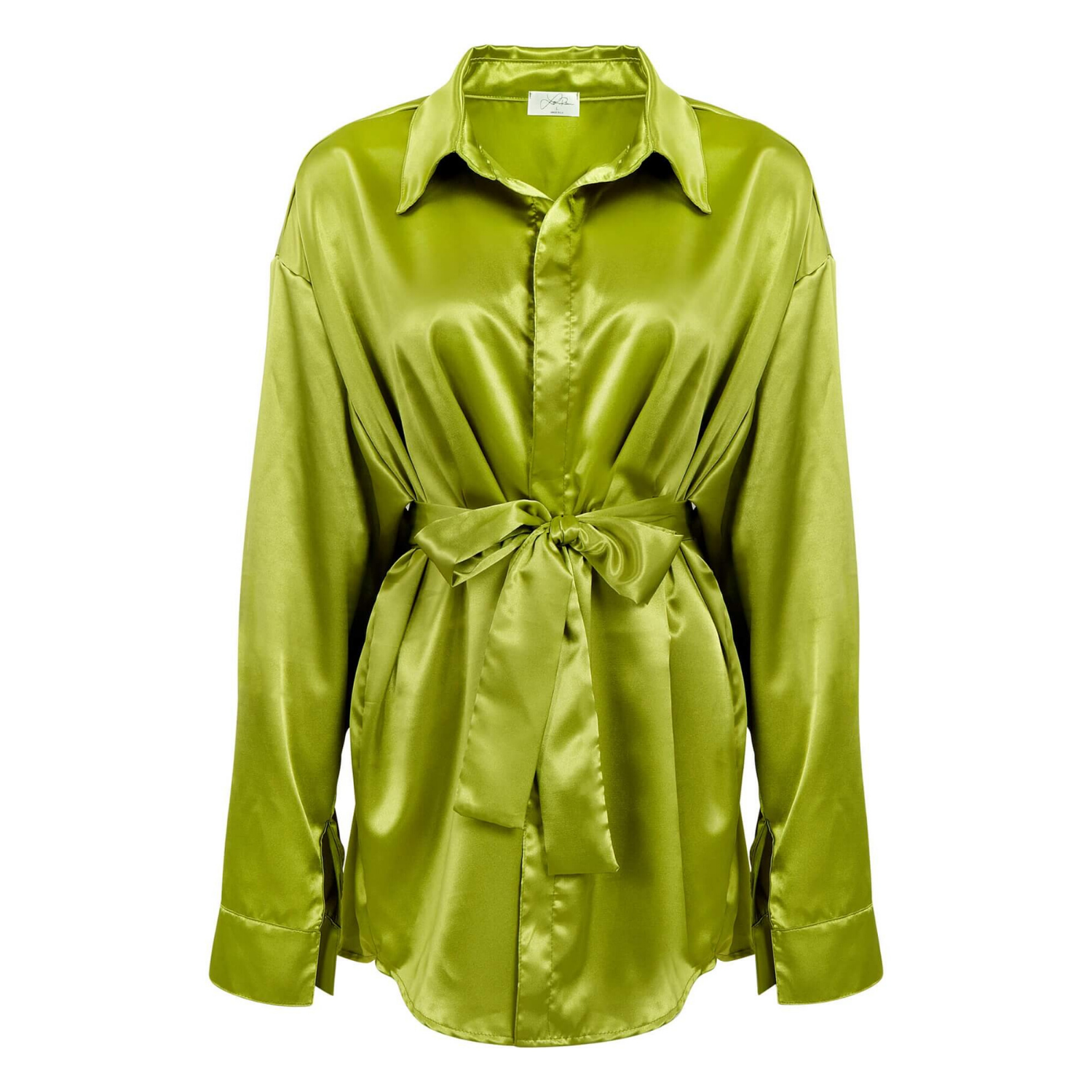
A blouse can look structured, premium, and ready to wear – or it can look like fabric placed on a table. That difference is at the center of the ghost mannequin vs flat lay decision. Both styles have a place in ecommerce, but they answer different shopper questions. The best choice depends on what you sell, where you sell it, and how much visual information a customer needs before clicking Add to Cart.
For apparel brands, the goal is not simply to create attractive images. It is to reduce uncertainty around fit, shape, material, and styling. Product photography that makes those details easy to understand can drive more clicks and more sales.
Ghost Mannequin vs Flat Lay: The Core Difference
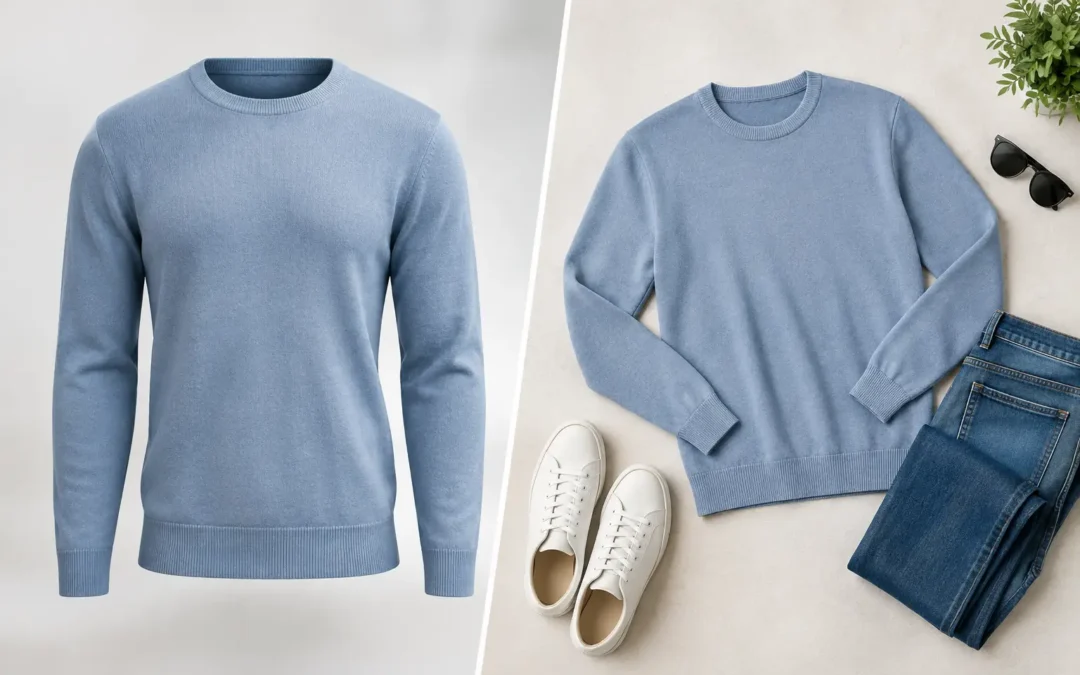
Ghost mannequin photography uses a mannequin during the shoot, then removes it in post-production. The finished image shows the garment with a realistic three-dimensional shape but no visible model or mannequin. Necklines, sleeves, shoulders, waistlines, and interior details appear naturally structured.
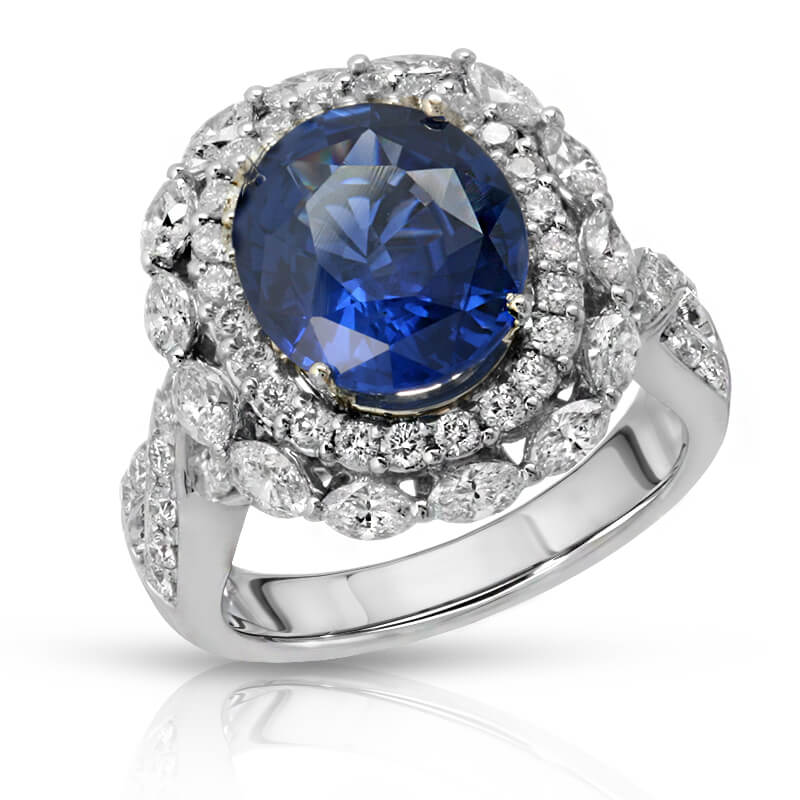
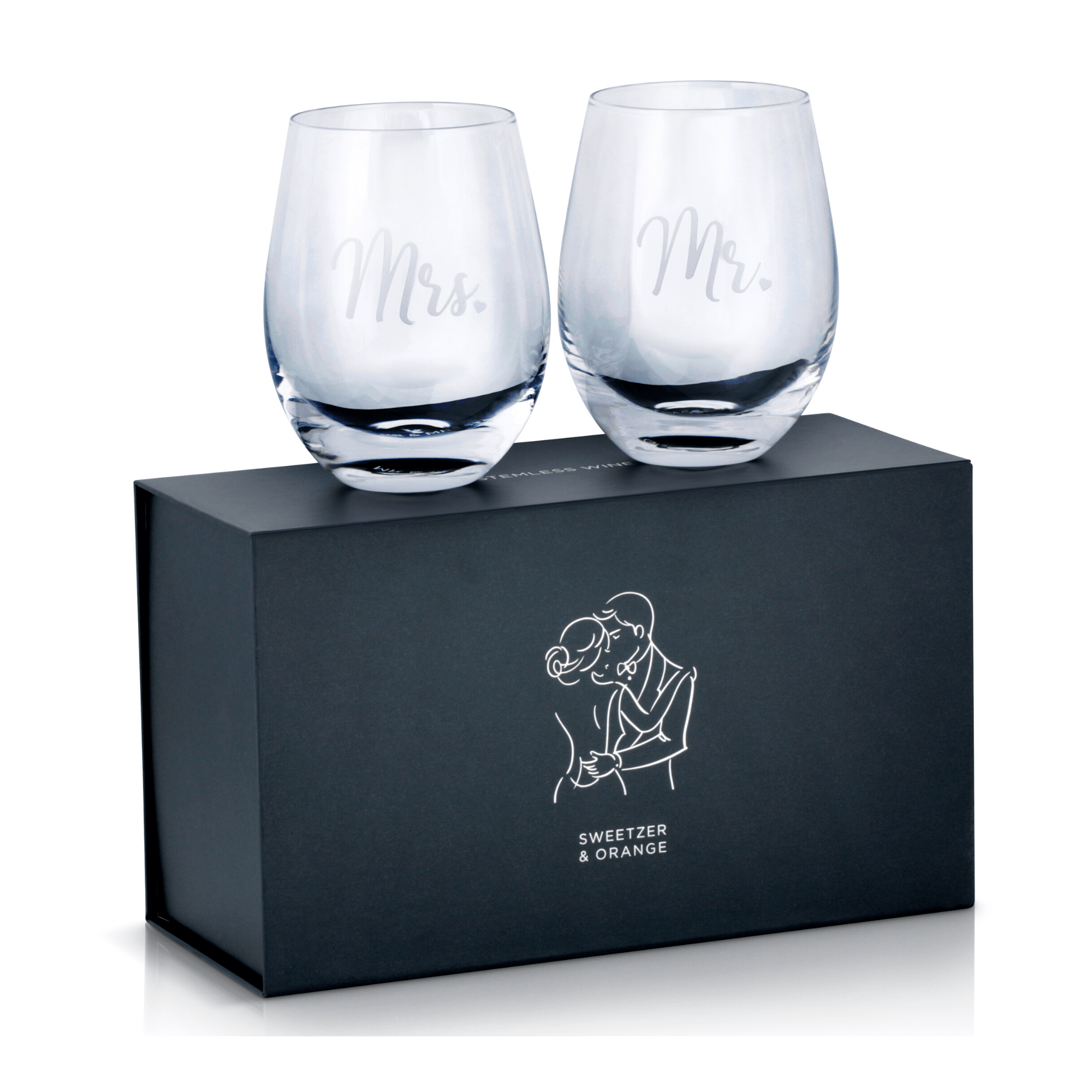
Flat lay photography places products on a surface and photographs them from above. Apparel may be folded, arranged in a styled composition, or shown alongside accessories, packaging, footwear, or other products. The result is graphic, editorial, and often highly effective for social media, category pages, and brand storytelling.
Neither approach is automatically better. A fitted blazer and a graphic T-shirt do not need the same presentation. What matters is whether the image gives the shopper the confidence to understand the product quickly.
When Ghost Mannequin Photography Is the Stronger Choice
Ghost mannequin images are built for product clarity. They are especially effective when a garment’s fit and construction are part of its value. A shopper considering a tailored jacket wants to see shoulder shape, lapel position, sleeve drape, and body length. A flat lay can show the fabric and design, but it usually cannot communicate those features as clearly.
This format works particularly well for dresses, blouses, shirts, outerwear, activewear, knitwear, uniforms, children’s clothing, and structured accessories. It gives buyers a more realistic sense of how the item will look when worn, without the cost and scheduling demands of a full model shoot.
For marketplace listings and product detail pages, ghost mannequin photography also supports a clean, consistent catalog. Every garment can be photographed at the same angle, centered with matching proportions and a color-accurate finish. That consistency matters when customers compare several colors, styles, or variations on the same page.
The post-production work is what separates a basic mannequin image from a convincing ghost mannequin result. Professional retouching combines multiple photographs to reconstruct areas hidden by the mannequin, such as the inside of a collar or back neckline. The garment should look full and natural, not hollow, distorted, or overly edited.
Best for products where fit drives the sale
Choose ghost mannequin photography when customers are likely to ask, “How will this sit on the body?” It is the practical choice for apparel where silhouette, structure, and garment construction influence the purchase decision.
It is also useful for brands that need a dependable primary image format at scale. If you have dozens or hundreds of SKUs, a repeatable ghost mannequin setup can keep your catalog polished without making every product shoot complicated.
When Flat Lay Photography Makes More Sense
Flat lay photography is strongest when styling, color combinations, and product relationships are the story. It can turn a basic product into a complete visual idea: a summer outfit, a gym-ready set, a gift bundle, a back-to-school arrangement, or a beauty-and-accessories collection.
For less structured apparel, flat lays can feel natural and approachable. T-shirts, socks, pajamas, scarves, baby clothing, folded denim, swimwear, and casual accessories often photograph well from overhead. This format can also highlight prints, embroidery, labels, texture, and small design details without the visual distraction of a mannequin.
A well-executed flat lay is not just a product placed on a background. Composition matters. Spacing, folds, alignment, lighting, and shadows all need control. If the garment is wrinkled, poorly shaped, or photographed in uneven light, it can look low-value even if the product itself is excellent.
Best for campaigns, collections, and supporting images
Flat lays are a smart choice for secondary listing images, email campaigns, social content, seasonal promotions, and lookbook-style merchandising. They allow brands to show more personality than a standard isolated product image.
They are also efficient when several small items need to be photographed together. Jewelry, watches, beauty products, stationery, toys, and accessories can be organized into a single styled frame that communicates a collection or use case. For apparel, a flat lay can help cross-sell matching items in a way a single ghost mannequin image cannot.
Conversion: Which Format Performs Better?
If the question is which image format is more likely to support apparel conversion on a product page, ghost mannequin usually has the advantage. It gives shoppers clearer information about the garment’s shape and how it is intended to fit. That clarity can reduce hesitation, especially for higher-priced apparel or items with tailored construction.
But conversion does not come from one image alone. The most effective ecommerce listings often use both formats with a clear purpose. A ghost mannequin image can serve as the main visual for product shape. Flat lay images can show fabric details, styling options, color stories, included pieces, or related products.
For example, a women’s linen shirt might lead with a clean ghost mannequin image on white. Additional images could include a close-up of the weave and buttons, a flat lay paired with coordinating pants, and a back view. Each image answers a different buying question without repeating the same information.
The same principle applies to Amazon sellers. Main image requirements often call for a clean product presentation on a white background, making ghost mannequin photography a practical fit for many apparel listings. Flat lays may be more useful in secondary images, brand content, and promotional graphics, provided they follow the marketplace’s current image policies.
Cost, Speed, and Scalability Considerations
A flat lay can appear simpler, but professional results still require preparation. Garments need steaming, careful shaping, lint removal, accurate color correction, and consistent lighting. Styled flat lays may require props, surfaces, art direction, and additional setup time.
Ghost mannequin photography requires a mannequin that fits the category and skilled retouching afterward. The initial production process can be more technical, particularly for garments with complex collars, layered materials, sheer fabric, or unusual cuts. Still, it is highly scalable once the lighting, camera angle, and styling standards are established.
For growing brands, the deciding factor is often not the cost of one image. It is the cost of inconsistency across an entire catalog. Investing in a repeatable image standard can save time during product launches and create a more credible shopping experience across your website, marketplaces, and printed materials.
How to Choose the Right Format for Your Product Line
Start with the customer’s biggest visual question. If they need to understand fit, volume, neckline, sleeve shape, or construction, ghost mannequin is the better foundation. If they need inspiration, product pairing ideas, or a strong view of color and surface detail, flat lay can do more of the work.
Also consider your brand position. Minimal, premium apparel brands often benefit from a disciplined ghost mannequin catalog with clean backgrounds and precise retouching. Lifestyle-driven brands may use flat lays to create a warmer, more expressive visual identity. A workwear company might need both: ghost mannequin photography for specification-focused product pages and flat lays for campaign materials that show complete kits and accessories.
Do not force every SKU into one formula. A structured wool coat needs a different approach than a three-pack of children’s socks. Matching the photography style to the product gives shoppers a clearer reason to buy.
For brands that need commercially polished apparel photography without slowing down product launches, Product Photography Studio can produce high-resolution ghost mannequin and flat lay imagery with professional retouching, color-focused apparel handling, and efficient turnaround.
The strongest product image is the one that makes a shopper stop wondering. Show the shape when fit matters, show the story when styling matters, and use both when your listing needs to do more than show a garment on a screen.