A shopper can dismiss an Amazon listing before they read a title, compare a price, or reach your product benefits. A strong Amazon imagery audit identifies exactly where that decision is being lost: the main image that fails to stand out, the missing detail shot that creates doubt, the lifestyle image that says too little, or the color that does not match the item delivered.
For sellers and consumer brands, product imagery is not a finishing touch. It is a sales asset that must meet marketplace requirements, answer buying questions quickly, and present a product at a level that justifies its price. The goal of an audit is simple: find the visual weaknesses holding back clicks and conversion, then replace guesswork with a clear production plan.
What an Amazon Imagery Audit Reviews
An effective review goes beyond asking whether photos look professional. Good images can still underperform when they are incomplete, inconsistent, poorly sequenced, or misaligned with how customers shop a category.
Start with the listing as a customer sees it on desktop and mobile. The main image carries the first-click decision. It should be clean, high resolution, correctly cropped, and immediately recognizable at thumbnail size. The product needs to occupy enough of the frame to be clear without feeling crowded. Packaging, included components, and variations should be represented accurately rather than used to make the offer look larger than it is.
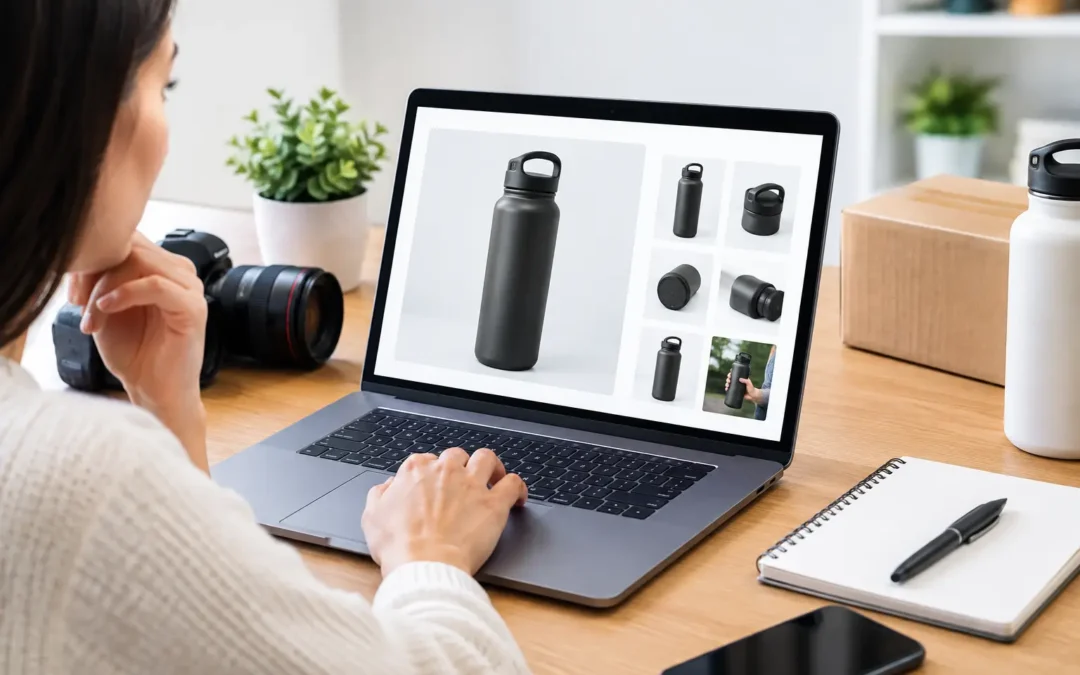
From there, evaluate the full image set. Does every image have a job? A useful sequence typically moves from clear product presentation to features, dimensions, materials, use cases, scale, and details that reduce hesitation. A set of six nearly identical angles may look polished but leaves important questions unanswered.
The audit should also look at technical consistency. Background tone, exposure, white balance, shadows, sharpness, and retouching should feel intentional from image to image. This matters especially for brands with multiple listings. When one product is photographed in a crisp, premium style and another looks flat or over-edited, the storefront loses credibility.
Start With the Main Image
The main image is often the highest-value fix in an Amazon imagery audit. It is competing against dozens of similar products in search results, frequently at a very small size. If shoppers cannot understand the product in a second, they scroll past it.
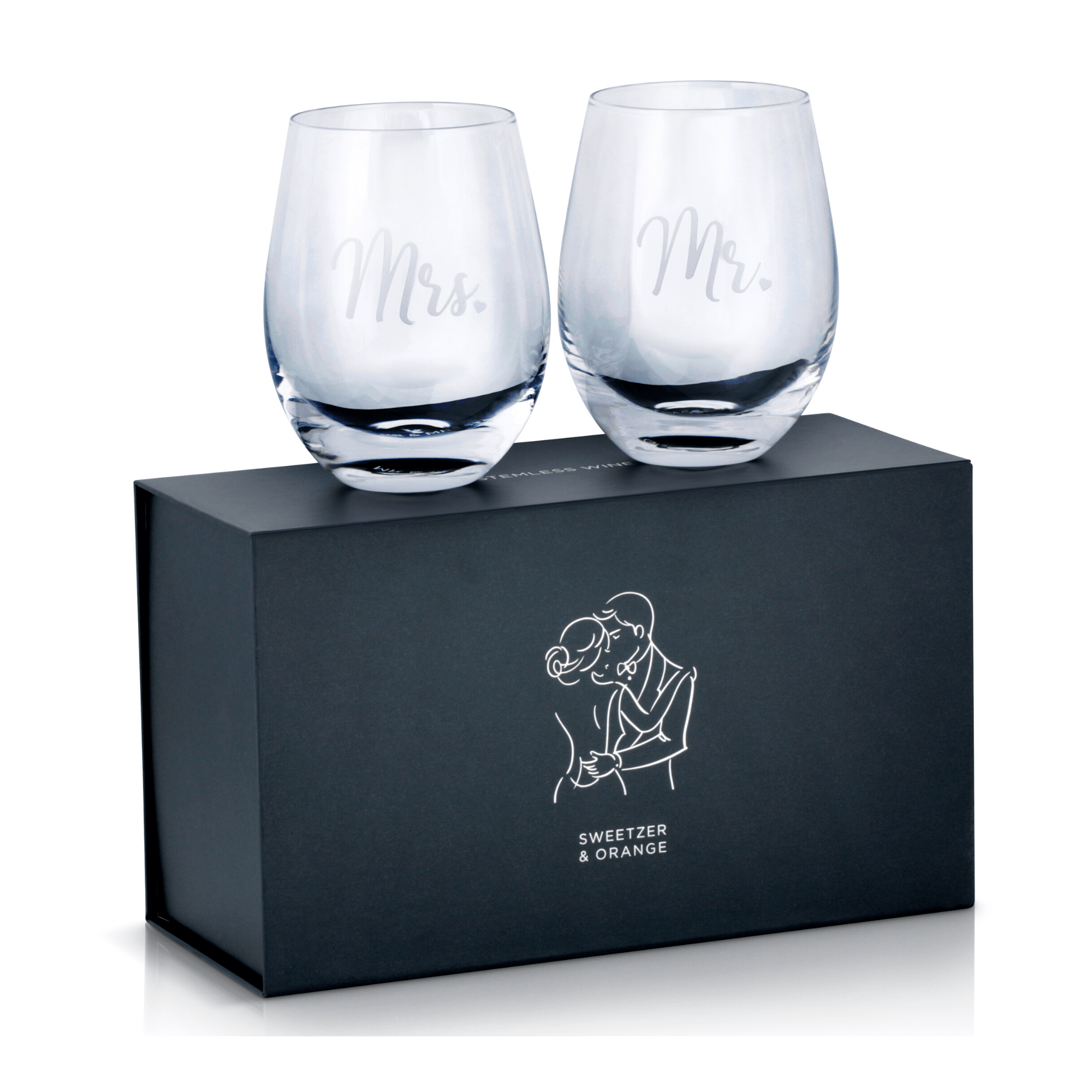
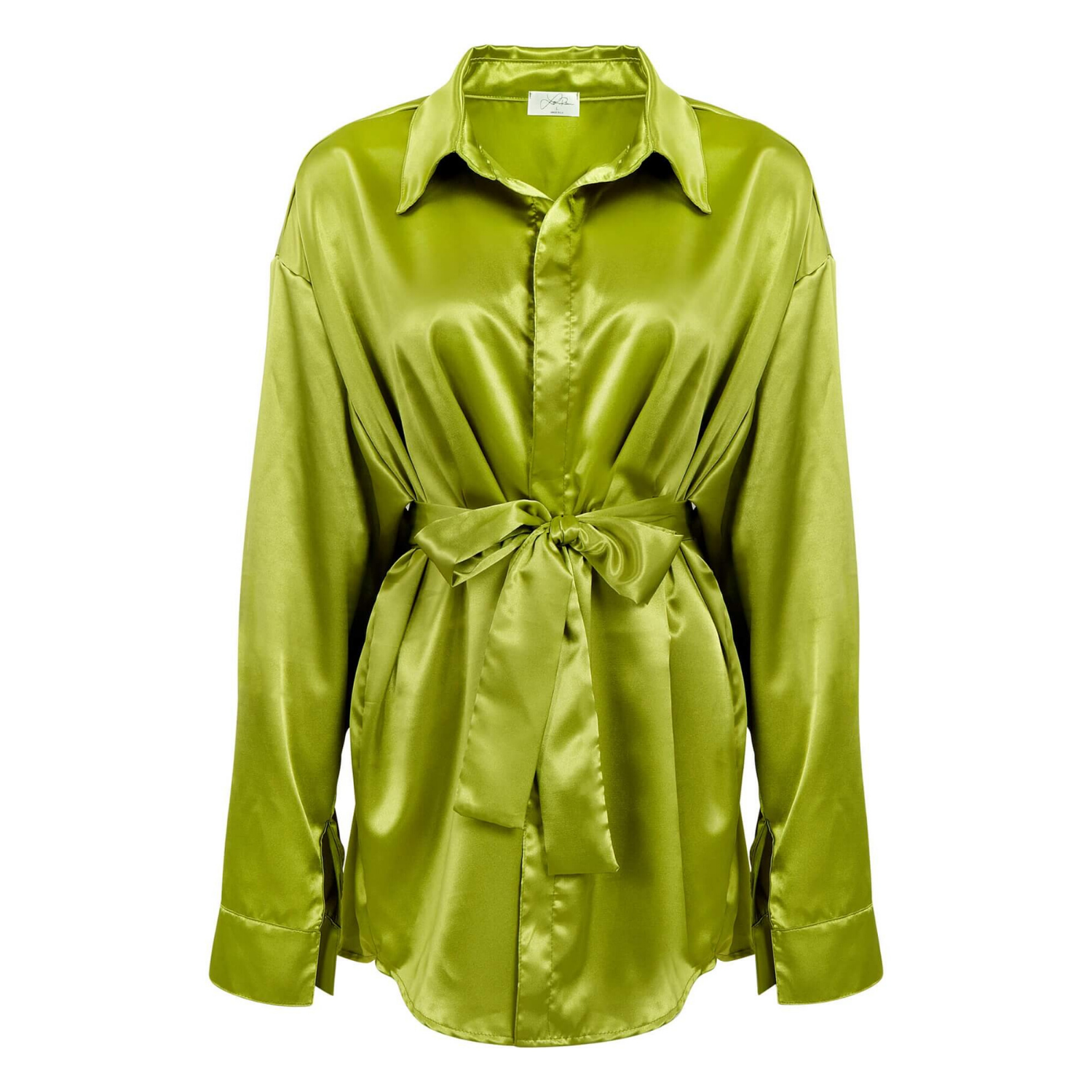
Check whether the product is centered, evenly lit, and separated clearly from the background. Reflective items, glassware, jewelry, watches, and beauty packaging need particular care because uncontrolled highlights can hide their shape or make materials look inexpensive. Apparel needs accurate color, clean styling, and a presentation that makes fit or silhouette readable without distracting wrinkles.
Do not confuse a dramatic image with an effective main image. Heavy props, oversized text, lifestyle settings, borders, and visual effects may be appropriate elsewhere in the image carousel, but the lead image needs to follow the marketplace’s current rules for the category. Requirements can change, so verify them before production rather than relying on an old listing or a competitor’s example.
A good test is to reduce the image to search-result size. Can a shopper still identify the item, its finish, and its basic form? If not, reshoot or re-crop it. Small improvements in visibility can make a larger commercial difference than another decorative graphic.
Audit Images for Buyer Questions, Not Just Angles
Customers do not need every angle. They need confidence. The strongest listings use imagery to answer the questions that delay a purchase.
For a skincare product, that may mean showing the bottle scale, texture, applicator, key ingredients, and packaging details. For electronics, it may mean ports, controls, included accessories, cable lengths, compatibility, and a realistic view of the product in use. For jewelry, shoppers often need close-ups that show metal finish, stone detail, clasp construction, and scale on a model or against a familiar reference.
Review customer questions, return reasons, and recurring support tickets before planning replacement images. These are direct signals of what the listing fails to communicate. If buyers repeatedly ask whether a bag fits a laptop, whether a glass is dishwasher safe, or whether a supplement includes a measuring scoop, the image set has an opportunity to do more work.
Feature callouts can help when they are clean, legible, and specific. Avoid cluttered infographics that force shoppers to decode tiny copy on a phone. One image should focus on one clear message. A detailed close-up with a concise benefit is usually more persuasive than a crowded page of icons.
Check Color, Retouching, and Product Accuracy
A beautiful product photo creates a problem if the delivered product looks different. Color accuracy is especially important for apparel, cosmetics, gemstones, home goods, and products sold in multiple finishes. Screens vary, but photography should still begin from an accurate, controlled color standard.
During the audit, compare listing images with the actual product under neutral light. Look for color casts, incorrect saturation, over-brightened whites, and retouching that changes the material’s character. A matte bottle should not look glossy. A soft fabric should not appear plastic. A gemstone should show its true appeal without being edited into something the buyer will not receive.
Retouching should remove dust, fingerprints, minor surface distractions, and production inconsistencies while preserving reality. This is where category experience matters. Jewelry needs detail-oriented cleanup without losing texture. Beauty products need polished labels and accurate packaging edges. Glass and reflective electronics need controlled reflections that show form rather than the studio.
If a listing includes several sizes, colors, or bundles, audit the variation images as carefully as the parent listing. Mismatched lighting or outdated packaging can confuse customers and increase returns.
Review Mobile First
Amazon traffic is heavily mobile, yet many image sets are planned and approved on large monitors. An audit should include a phone review at normal browsing speed.
Ask whether text remains readable, whether feature callouts are large enough, and whether product details are visible without zooming. Lifestyle images should retain a clear product focal point. A product placed in a beautiful room but too small to see may support brand mood, but it does little to help a purchase decision.
Mobile is also where sequence becomes critical. The first few supporting images should communicate the product’s most valuable proof points. Put the strongest differentiators early: a unique material, a useful size comparison, an included component, a close-up of quality, or a use case that makes the benefit immediate.
Benchmark the Competitive Set Carefully
Reviewing category competitors helps establish the expected visual standard, but it should not lead to copying. If every competing listing uses the same white-background angle, a cleaner, more precise version may improve your position. If the category is overloaded with busy graphics, straightforward product photography may look more trustworthy.
Compare the number of images, the quality of lighting, the type of detail coverage, and the clarity of feature communication. Then identify the open space. Perhaps competitors avoid showing scale. Perhaps no one presents the product’s construction closely enough. Perhaps the category has weak lifestyle imagery that fails to explain who the product is for.
The right answer depends on price point and product complexity. A low-cost replacement part may need simple, exact visual documentation. A premium gift item may need that precision plus elevated detail shots that reinforce perceived value. More images are not automatically better. Better evidence is better.
Turn the Audit Into a Reshoot Plan
An audit becomes valuable when it produces clear decisions. Separate images into three groups: keep, revise, and reshoot. Images worth keeping meet the current visual standard and answer a meaningful buyer question. Images that need revision may benefit from a new crop, updated callout, color correction, or improved retouching. Reshoots are for images that cannot be repaired because the lighting, styling, angle, product version, or resolution is wrong.
Before scheduling photography, create a shot list based on commercial priorities. Include the required main image, essential product angles, high-value details, scale references, feature callouts, and appropriate lifestyle or in-use scenes. Confirm which product colors, sizes, bundles, and packaging versions must be photographed. This reduces costly omissions and keeps output consistent across a growing catalog.
Product Photography Studio helps brands produce high-resolution, professionally retouched product images built for ecommerce presentation, with pricing that can start as low as $12 per image. The best workflow is efficient: send the real product, align on the shot list, and produce images that address the listing’s actual conversion gaps rather than filling a gallery with generic photos.
Know When a Listing Needs More Than Photography
Not every performance issue is an image issue. A weak title, uncompetitive price, poor reviews, slow shipping, or an unclear product offer can limit results even after photography improves. An honest audit separates visual problems from broader listing problems so the image budget is spent where it can make a difference.
Still, visuals often reveal those larger issues. If it is difficult to photograph a product’s core benefit clearly, the offer may need better positioning. If a bundle is confusing in images, it may be confusing in the cart. If the packaging does not communicate the product level you want customers to expect, photography can expose that gap before buyers do.
Your next product shoot should not begin with a request for more photos. It should begin with a sharper question: what does a shopper need to see to feel ready to buy? Build the answer into every frame, and your listing will have a stronger chance to earn the click it deserves.