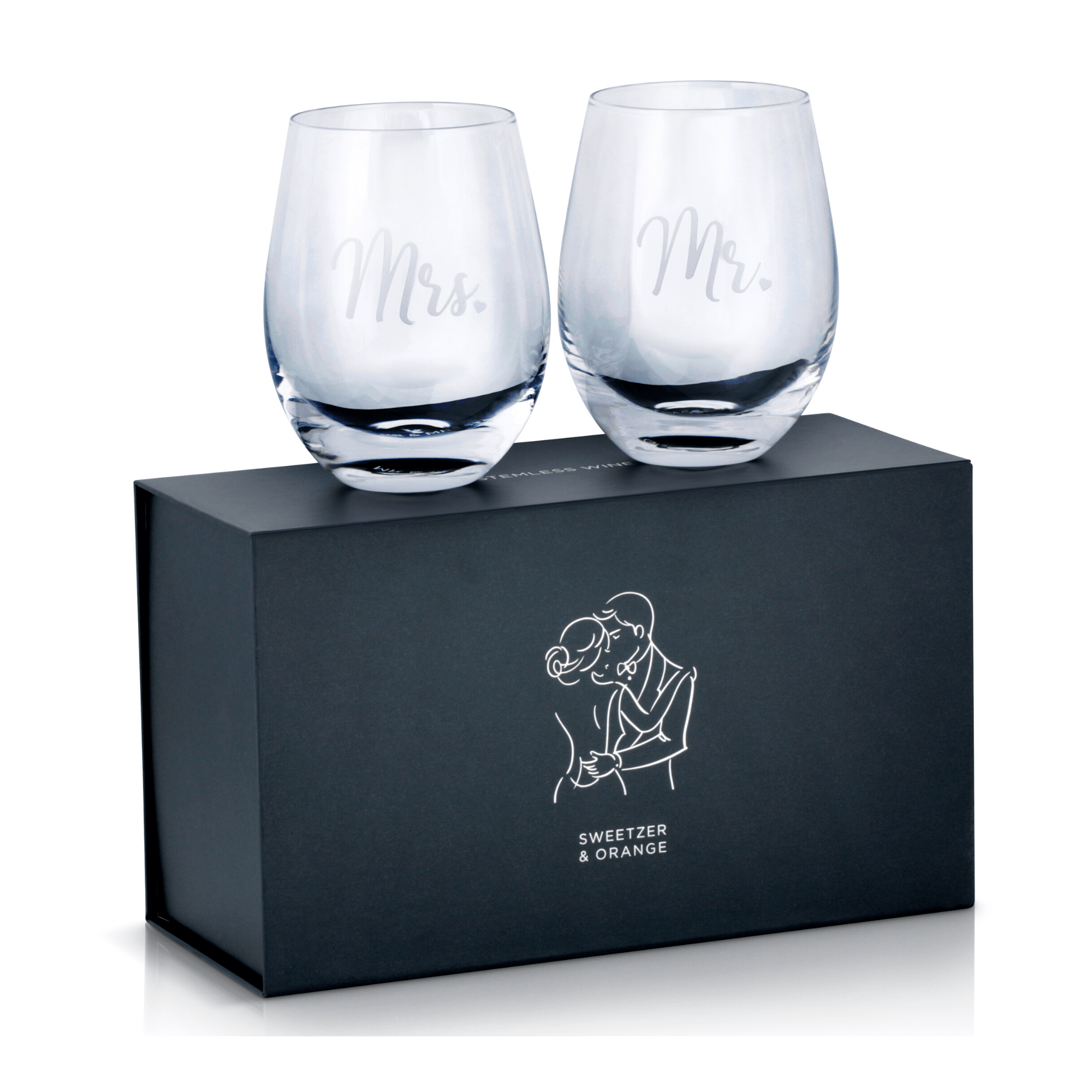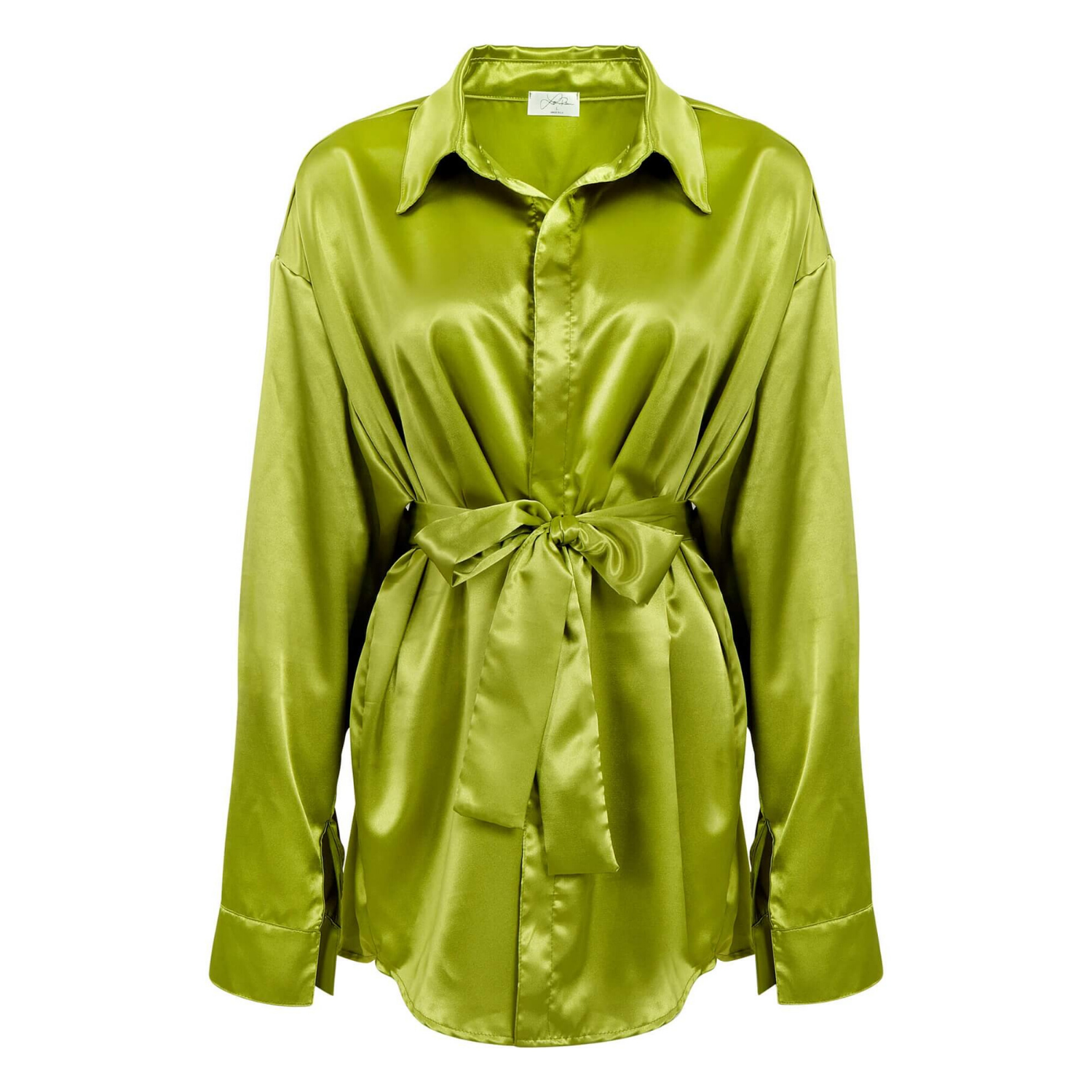
A shopper cannot pick up your product, feel its finish, check its size, or inspect the label before buying. Your images have to do that work. Strong product packshots give buyers a clean, credible view of what they will receive, helping your listing earn attention quickly and reducing the uncertainty that causes abandoned carts and returns.
For ecommerce brands, Amazon sellers, and retail teams, a packshot is not simply a photo on a white background. It is a sales asset. It needs to meet marketplace standards, represent color and materials accurately, and make the product look consistent across every page where customers encounter it.
What Product Packshots Are Designed to Do
Product packshots are controlled commercial images that show a product clearly, usually isolated against white or another approved background. They are commonly used as main listing images for ecommerce stores, online marketplaces, catalogs, sales sheets, advertising layouts, and print production.
The purpose is clarity before creativity. A lifestyle image can show a candle on a table or a watch on a wrist, but a packshot answers the practical questions: What does it look like? What shape is it? What comes in the package? What color is it? Are there details a buyer needs to see before ordering?
That does not mean the image should feel flat or generic. Clean lighting, careful camera angle, accurate retouching, and balanced shadow all influence perceived quality. A polished image makes a product easier to understand and more desirable without overstating what it is.
Why Better Packshots Affect Sales Performance
Online buyers make fast judgments. If the main image is dark, poorly cropped, inconsistent with the rest of the catalog, or visibly edited, shoppers may question the product before they read a single bullet point. This is especially costly when competing listings sell similar products at similar prices.
Professional packshots help solve that problem in several ways. They create a stronger first impression in search results, where a thumbnail may be the only chance to win the click. They also support conversion once the shopper reaches the product page by showing details, scale, texture, and variations with less ambiguity.
Returns matter, too. Images cannot eliminate returns, but accurate photography helps set the right expectation. A beauty product should show its actual container finish. An apparel item should retain true color. A jewelry piece should reveal its metal tone, stone detail, and proportions. When customers understand the product before checkout, there is less room for disappointment after delivery.
What Makes a Product Packshot Effective
The best approach depends on the category, sales channel, and brand guidelines. Still, successful packshots tend to share a few qualities.
Clean, compliant backgrounds
Many marketplaces require a pure white main image, often with no props, text, badges, or distracting reflections. A clean background keeps attention on the product and makes product pages look organized when multiple listings appear together. For brands selling through their own site, light gray or transparent-background versions may also be useful for design flexibility.
The key is not just making the background white. It must be even, clean around edges, and free from visible dust, clipping errors, or color casts. A quick cutout can look acceptable at thumbnail size but fall apart when a customer zooms in or when the image is placed in a print catalog.
Accurate color and material detail
Color accuracy is a commercial requirement, not a finishing touch. Apparel, cosmetics, gemstones, glassware, and colored electronics all need lighting and post-production that preserve the real appearance of the product. If a navy garment reads black or a gold accessory shifts too yellow, the listing can create confusion and unnecessary returns.
Material is equally important. Chrome, glass, glossy packaging, polished metal, and transparent products require controlled reflection management. The goal is to show a premium finish while retaining edges and shape. Too much reflection hides the product. Too little can make a reflective item look dull and inexpensive.
Purposeful angles and close-ups
One front-facing image is rarely enough for a product page. Buyers may need a back view, side profile, open-package view, detail crop, label shot, or image showing included components. The right image set answers likely objections before a shopper has to ask.
Think about the reason each angle exists. A close-up of a watch clasp can reinforce craftsmanship. A detail image of a supplement label can make ingredient information easier to inspect. For a handbag, interior compartments may be more important than another view of the exterior. More images are useful only when each one provides new decision-making information.
Category Expertise Makes a Visible Difference
Different products create different photography problems. Jewelry needs precision lighting and retouching that keeps stones sharp without making them look artificial. Apparel requires consistent color, shape, and garment styling. Beauty products need clean label visibility and controlled highlights on bottles, jars, and tubes.
A beverage bottle may need condensation-free glass control and readable branding. Electronics need crisp edges, screen management, and a clear view of ports or included accessories. Medical products and household goods often need a practical, accurate presentation that supports buyer confidence and retailer requirements.
This is why a one-size-fits-all photography setup can produce inconsistent results. The camera, lens, lighting position, support method, and retouching process should fit the item being photographed. A good studio adapts the process while maintaining a consistent look across your catalog.
Build a Packshot System, Not a One-Off Shoot
The most scalable brands treat photography as a repeatable system. Before sending products to a studio, establish a simple image plan: background requirements, preferred crop, views needed, file dimensions, naming conventions, and any marketplace-specific rules. This keeps seasonal launches, new colorways, and replenishment products from drifting away from your existing visual standard.
Consistency is particularly valuable for Amazon storefronts, Shopify collections, wholesale catalogs, and marketplaces where customers compare several products at once. When every product is photographed at a different angle or edited with a different white balance, the brand can look less established. Consistent packshots make the catalog easier to shop and easier for your marketing team to reuse across campaigns.
It also helps to plan for more than one output. A high-resolution master file supports print, catalog pages, and future creative work. Web-optimized files load efficiently on product pages. Transparent-background versions can be useful for ads, email graphics, and promotional layouts. Capturing the product correctly once is more efficient than recreating it later for every new channel.
When Professional Product Packshots Are Worth It
A smartphone image can be useful for internal approvals or quick social content. It becomes less reliable when your listing needs accurate color, clean isolation, repeatable results, and high-resolution files that hold up across marketplaces and print. The time required to light, photograph, edit, resize, and quality-check a growing product catalog adds up quickly.
Professional photography is especially valuable when a product has reflective surfaces, small details, difficult packaging, multiple variants, or high price points. It is also a smart investment when a brand is preparing for retail outreach, a catalog launch, Amazon expansion, or a website redesign. In those moments, inconsistent imagery can undercut an otherwise strong product.
For many growing brands, outsourcing is more practical than building an in-house setup. Product Photography Studio provides commercial product photography with professional retouching, high-resolution delivery, royalty-free usage rights, and image pricing starting as low as $12 per image. The right scope depends on your product category, number of SKUs, required angles, and intended use.
Before approving final files, review the images at full size and in the context where customers will see them. Check that labels are readable, colors are believable, crops are consistent, and every variation is correctly matched. A packshot that looks good in a folder should also look convincing in a search result, product page, catalog grid, and printed layout.
Your product only gets a few seconds to make a first impression. Give shoppers images that make the decision to click, compare, and buy feel easy.