A new product launch is scheduled for Friday. Your marketplace listing still needs white-background images, close-up details, lifestyle shots, resizing, and retouching. At that point, the decision around in house vs outsourced product photography becomes less about creative preference and more about revenue, deadlines, and the cost of getting images wrong.
For ecommerce brands, Amazon sellers, and retail teams, product photography is not a background task. It is the first sales conversation a shopper has with the product. Clean lighting, accurate color, consistent angles, and professional retouching can earn the click. Poor images can make even a strong product look untrustworthy or low value.
The right choice depends on your product volume, catalog complexity, internal resources, and how quickly your business needs finished, sales-ready images.
In-House vs Outsourced Product Photography: The Core Difference
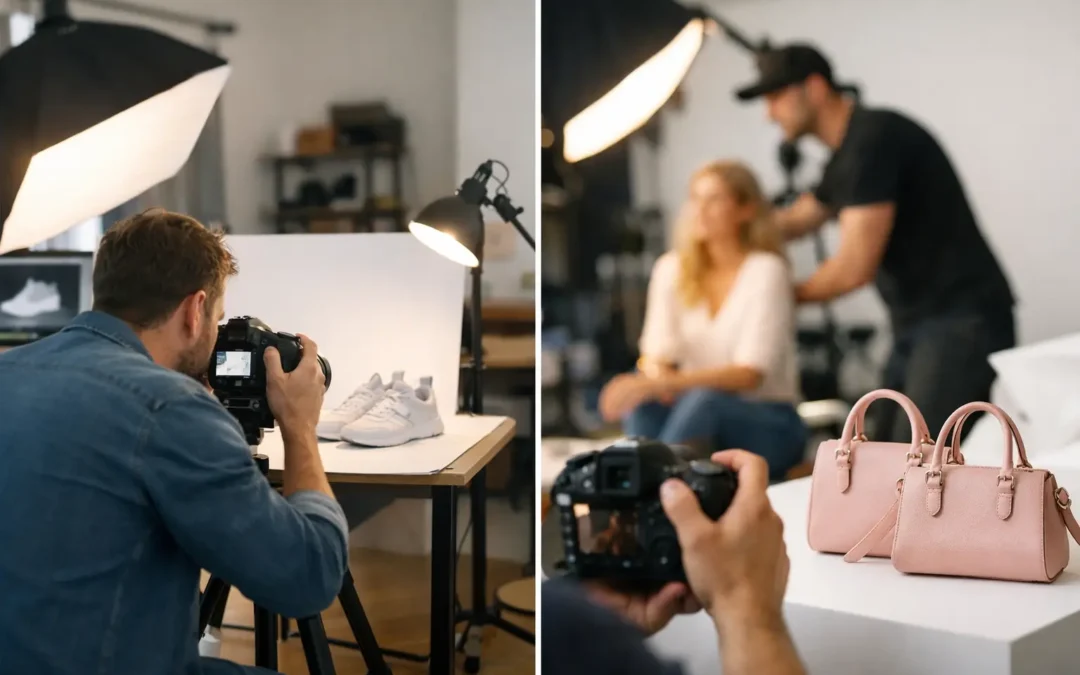
An in-house setup gives your team direct control over the camera, lighting, styling, schedule, and daily workflow. You can photograph products whenever inventory arrives and make quick adjustments without sending items outside the company. This can work well for businesses with a steady, predictable flow of simple products and staff dedicated to image production.
Outsourced product photography moves the technical production to a commercial studio. Your team ships or delivers products, provides a shot list and brand references, then receives professionally photographed and retouched files ready for ecommerce, Amazon, catalogs, ads, or print. It is designed to remove the fixed costs and operational burden of maintaining a studio internally.
Neither approach is automatically better. The better option is the one that produces consistent, conversion-focused images at a cost and turnaround that make sense for your business.
When an In-House Studio Makes Sense
Building an internal photography operation may be worth considering when photography is a high-volume, ongoing function of your business. For example, a large retailer that introduces hundreds of SKUs every month may need continuous access to a photo team. A brand producing frequent social content, how-to videos, and same-day merchandising updates may also benefit from having equipment and talent nearby.
The biggest advantage is scheduling control. If your creative team needs to test a new angle, photograph a last-minute colorway, or update images after a packaging change, an internal setup can reduce waiting time. Products never need to leave your facility, which may matter for sensitive prototypes, high-value inventory, or tightly controlled launches.
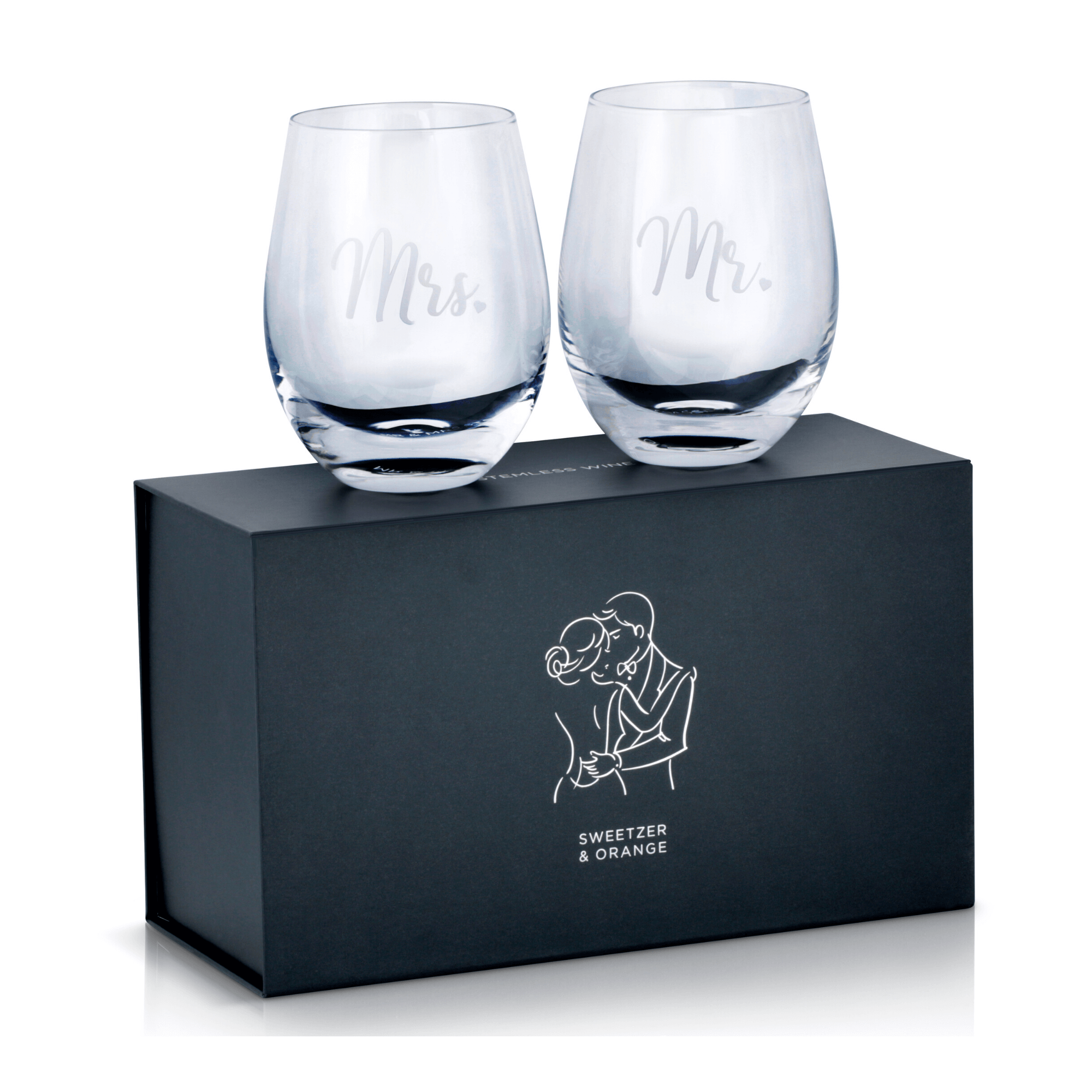
However, control only creates value when the team has the skill and capacity to use it well. A camera, lights, sweep, and editing software are only the starting point. Commercial product work requires knowledge of reflections, color management, lens selection, shadows, file specifications, clipping paths, and retouching standards. Jewelry, glassware, watches, cosmetics, apparel, and reflective electronics each present different technical challenges.
An in-house team also needs coverage. When the photographer is out, priorities shift, or a large shipment arrives, image production can become a bottleneck. For a growing brand, that bottleneck often appears just when product launches and seasonal demand are accelerating.
The Real Cost of Keeping Photography In-House
The visible cost of an in-house studio is equipment. The larger cost is everything around it: the space, payroll, training, software, storage, maintenance, prop purchasing, sample handling, quality review, and post-production time.
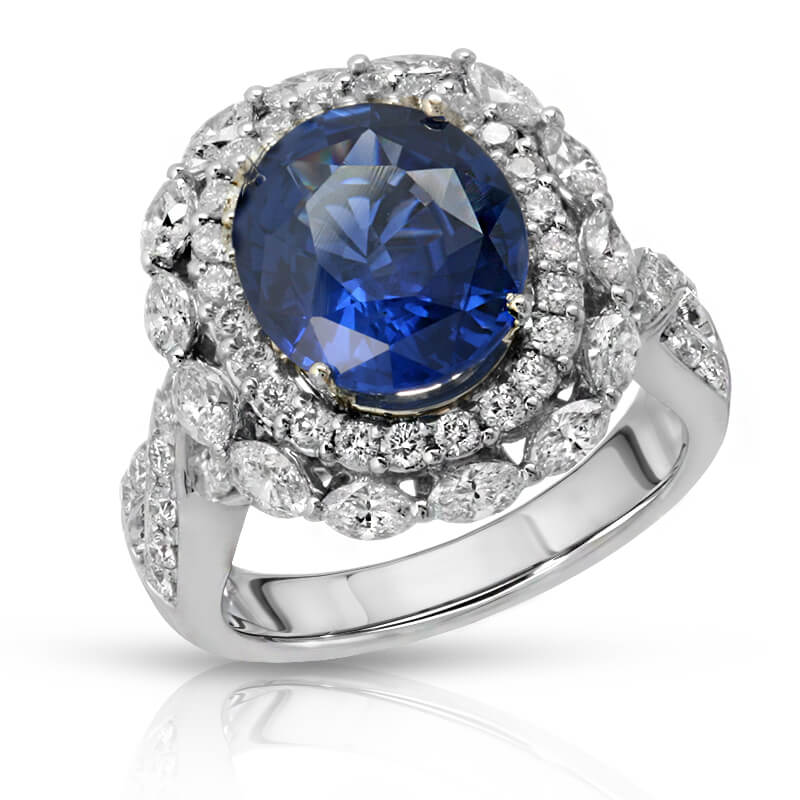
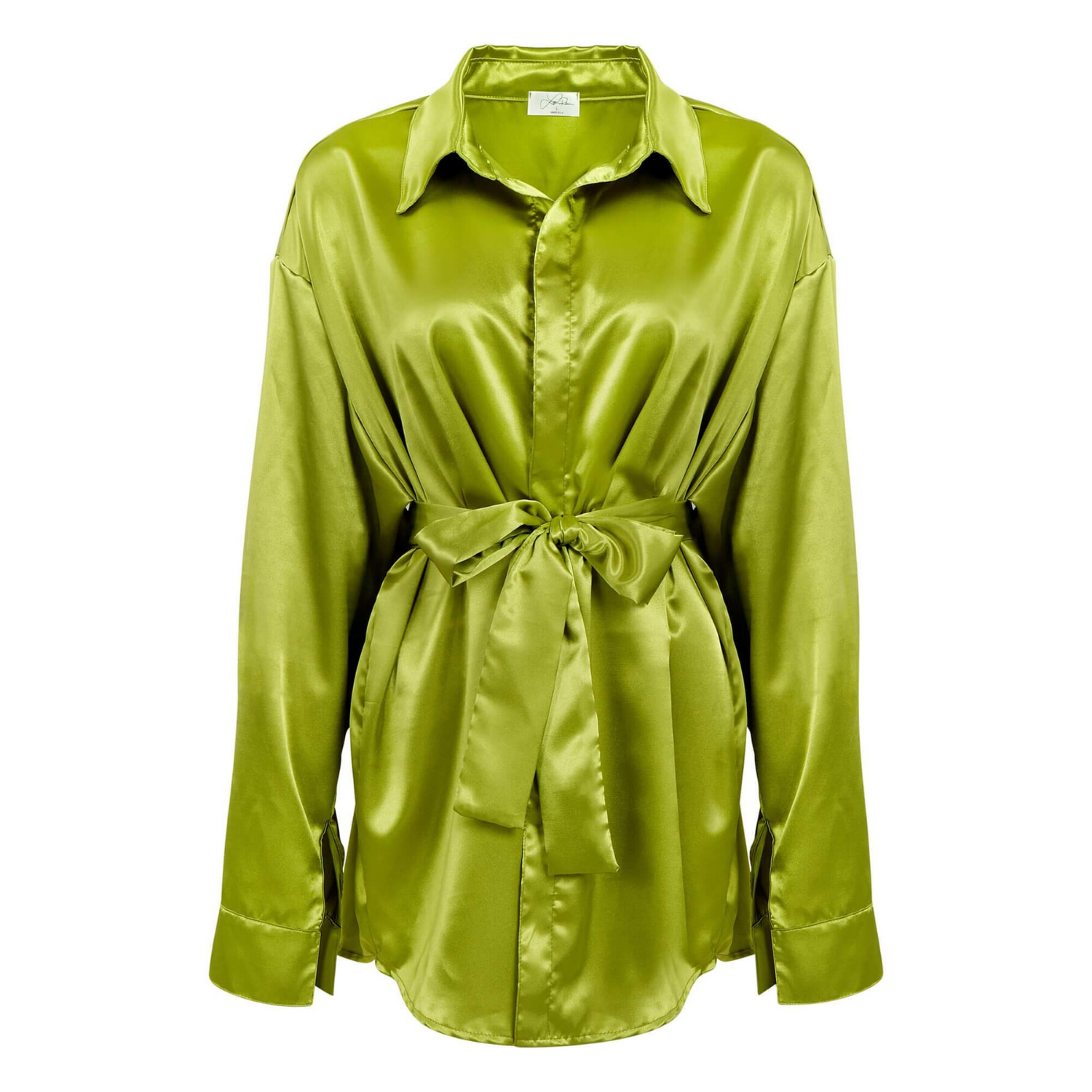
A basic setup may be sufficient for a few simple white-background images. It is rarely enough to deliver the polished, consistent output expected across a full catalog. Apparel needs accurate color and garment shaping. Jewelry needs controlled highlights without losing stone detail. Beauty products need clean labels, natural textures, and carefully managed reflections. Each category can require specialized lighting, modifiers, surfaces, and editing techniques.
There is also an opportunity cost. If a founder, marketing coordinator, or ecommerce manager is spending hours arranging lights and removing dust in Photoshop, they are not focused on product launches, paid campaigns, customer acquisition, or merchandising strategy. The images may be usable, but the workflow may not be profitable.
For small and mid-sized brands, outsourcing often converts a difficult fixed expense into a predictable per-image cost. That makes budgeting easier, particularly when catalog volume rises and falls through the year.
Why Brands Outsource Product Photography
Outsourcing is often the practical choice when a business needs professional results without building an internal production department. A specialized studio brings established lighting systems, experienced photographers, retouchers, and repeatable processes to the job. Instead of learning commercial photography through trial and error, your team receives finished assets built for selling.
Consistency is one of the strongest reasons to outsource. Product pages look more credible when every image follows the same lighting style, framing, background treatment, and retouching standard. That consistency matters on Amazon, where listings compete side by side, and on direct-to-consumer stores, where image quality shapes the entire brand experience.
A studio can also scale more easily than an internal team. If you have 20 products this month and 200 before the holiday season, an experienced provider can organize production around the actual scope of work. This is especially useful for brands launching new collections, refreshing old listings, preparing retail line sheets, or creating images for multiple selling channels at once.
Professional retouching is another major benefit. Dust, fingerprints, uneven labels, distracting seams, minor scratches, and inconsistent backgrounds can weaken an otherwise good photograph. Careful post-production creates a clean final image while keeping the product accurate. That balance is essential. Over-editing can create returns if the product shoppers receive does not match what they saw online.
Where Outsourcing Requires More Planning
Outsourcing is efficient, but it is not hands-off. Strong results begin with a clear brief. The studio needs to understand the required image count, intended platforms, preferred angles, background requirements, image dimensions, and any brand references. If an item has a feature that matters to the buyer, say so before the shoot.
Shipping and sample coordination also require attention. Pack products securely, label variations clearly, and include instructions for fragile or assembled items. For apparel, provide the size, fit direction, and whether the garment will be flat-lay, ghost mannequin, or photographed on model. For jewelry and watches, identify the details that deserve close-up coverage.
The most common issue is not that outsourced photography lacks quality. It is that the client has not defined what “done” should look like. A concise shot list and a few approved reference images prevent unnecessary revisions and keep turnaround moving.
Compare the Decision by Business Need
The most useful way to evaluate in-house vs outsourced product photography is to look beyond the camera and ask what your business needs from the images.
Choose an in-house approach when you have consistent high volume, dedicated staff, adequate studio space, and a real need for immediate daily production. It is best suited to organizations that can support photography as an ongoing internal operation, not as an occasional marketing task.
Choose outsourcing when you need polished images, specialized category expertise, dependable retouching, and flexible capacity without carrying the overhead of a full studio. It is often the more cost-effective option for Amazon sellers, independent brands, ecommerce teams, and companies with seasonal or project-based volume.
A hybrid model can also be effective. Your team can handle quick internal content, behind-the-scenes posts, or routine updates, while a commercial studio produces the hero images, marketplace-ready photos, new-collection launches, and high-detail work that directly affects conversion. This approach gives brands speed where speed matters and professional production where quality matters most.
Questions to Ask Before You Decide
Before investing in equipment or booking a studio, consider a few practical questions. How many finished images do you need each month? Do your products involve reflections, fine details, color-critical materials, or styling? Are you accounting for retouching time, not just shooting time? Can your current team maintain consistent quality as catalog volume grows?
Also consider where the images will appear. Marketplace main images have strict requirements. Product detail pages need multiple angles and close-ups. Print may require higher-resolution files and more precise color. A photo that looks acceptable on a phone can fail when used in a catalog, retail display, or campaign asset.
The goal is not simply to get photos completed. It is to create a reliable image system that presents your products clearly, supports your brand, and helps customers feel confident enough to buy.
For many growing sellers, outsourcing to a commercial studio delivers the strongest balance of quality, speed, and cost. Product Photography Studio provides high-resolution product images, professional retouching, and royalty-free usage rights with pricing as low as $12 per image. When every listing has to work harder, the right photography partner can keep your launches moving and give each product its best chance to earn the sale.
Your product does not get a second first impression. Choose the workflow that lets every image show customers exactly why it belongs in their cart.