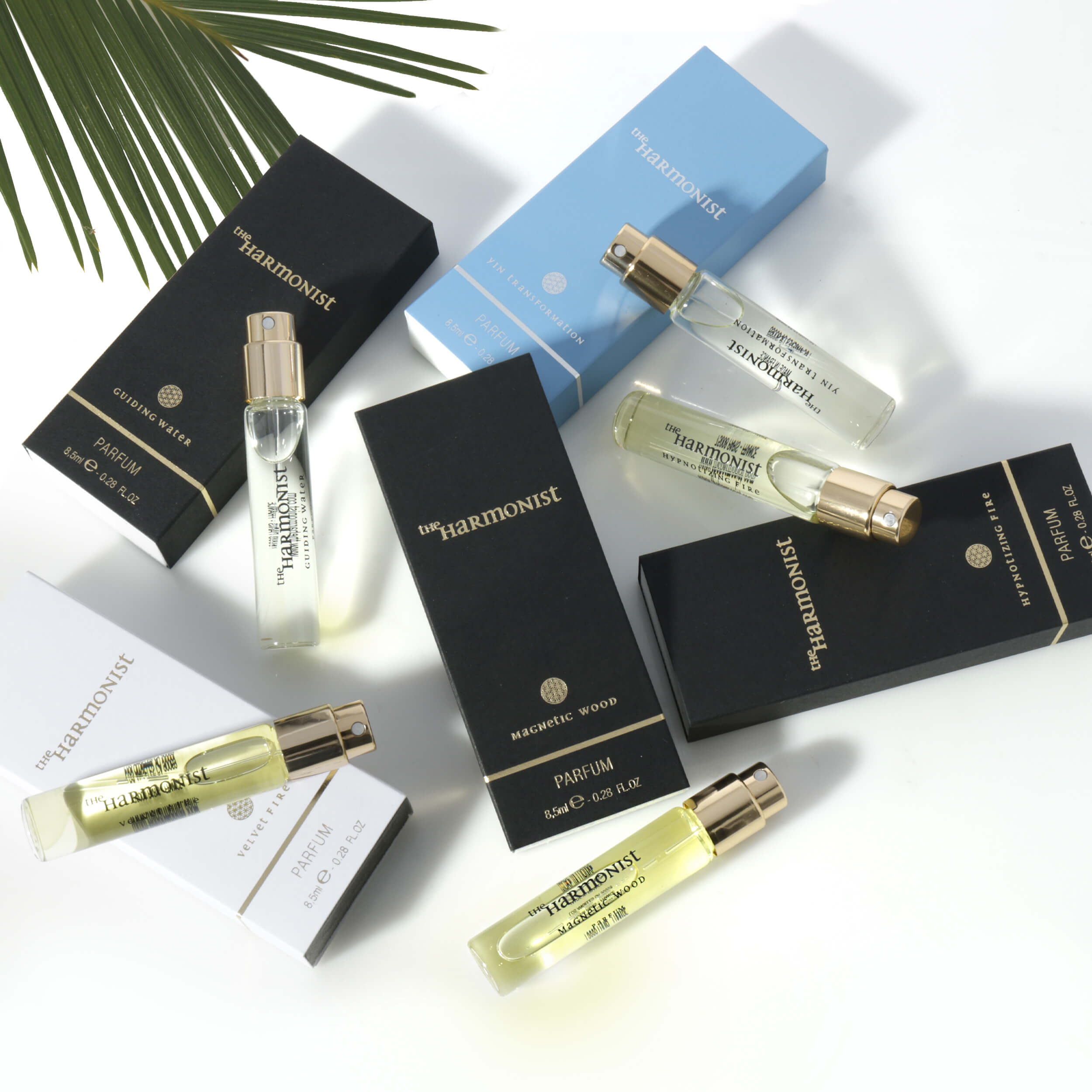
A $12 image and a $500 image can both be called product photography, but they are not solving the same business problem. If you are asking what does product photography cost, the useful answer is not just a number. It is the cost of producing images that meet your sales channel, brand standards, and delivery deadline without creating more work for your team.
For ecommerce brands, Amazon sellers, and retail teams, the right investment is the one that gives every product a polished, consistent presentation and helps shoppers make a confident buying decision. A clear quote should tell you exactly what level of production and retouching you are paying for.
What Does Product Photography Cost?
Professional product photography can start as low as $12 per image for high-volume, straightforward ecommerce work. At the other end, a heavily styled campaign image with custom sets, models, complex lighting, and extensive post-production can cost several hundred dollars per final image.
Most projects fall somewhere between those two points. Simple, white-background catalog photography is generally the most affordable option because the process is efficient and repeatable. Products can be photographed in batches with a consistent lighting setup, then cropped, color-corrected, and delivered at the required resolution.
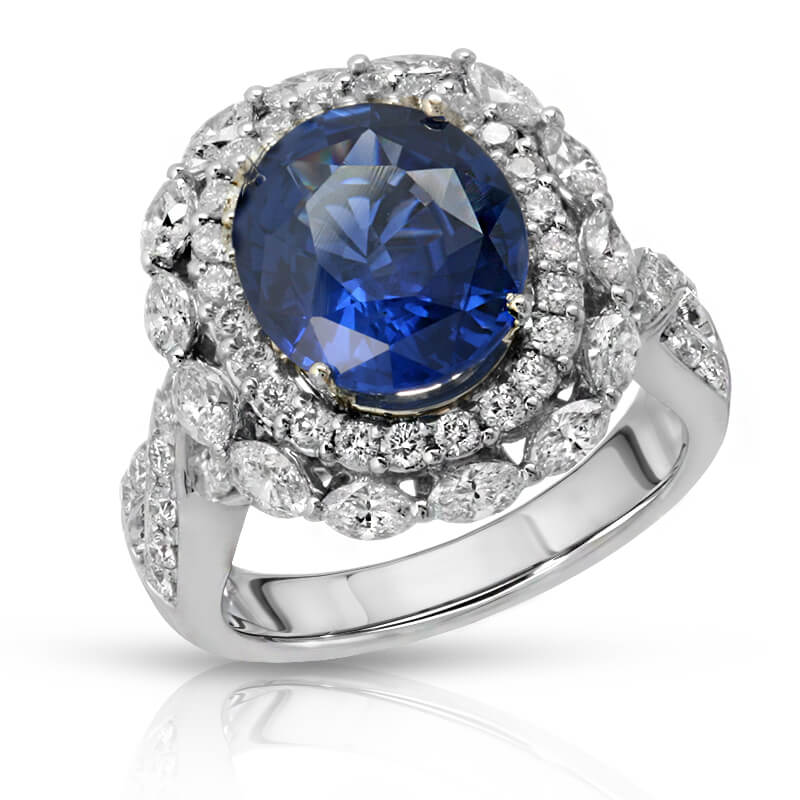
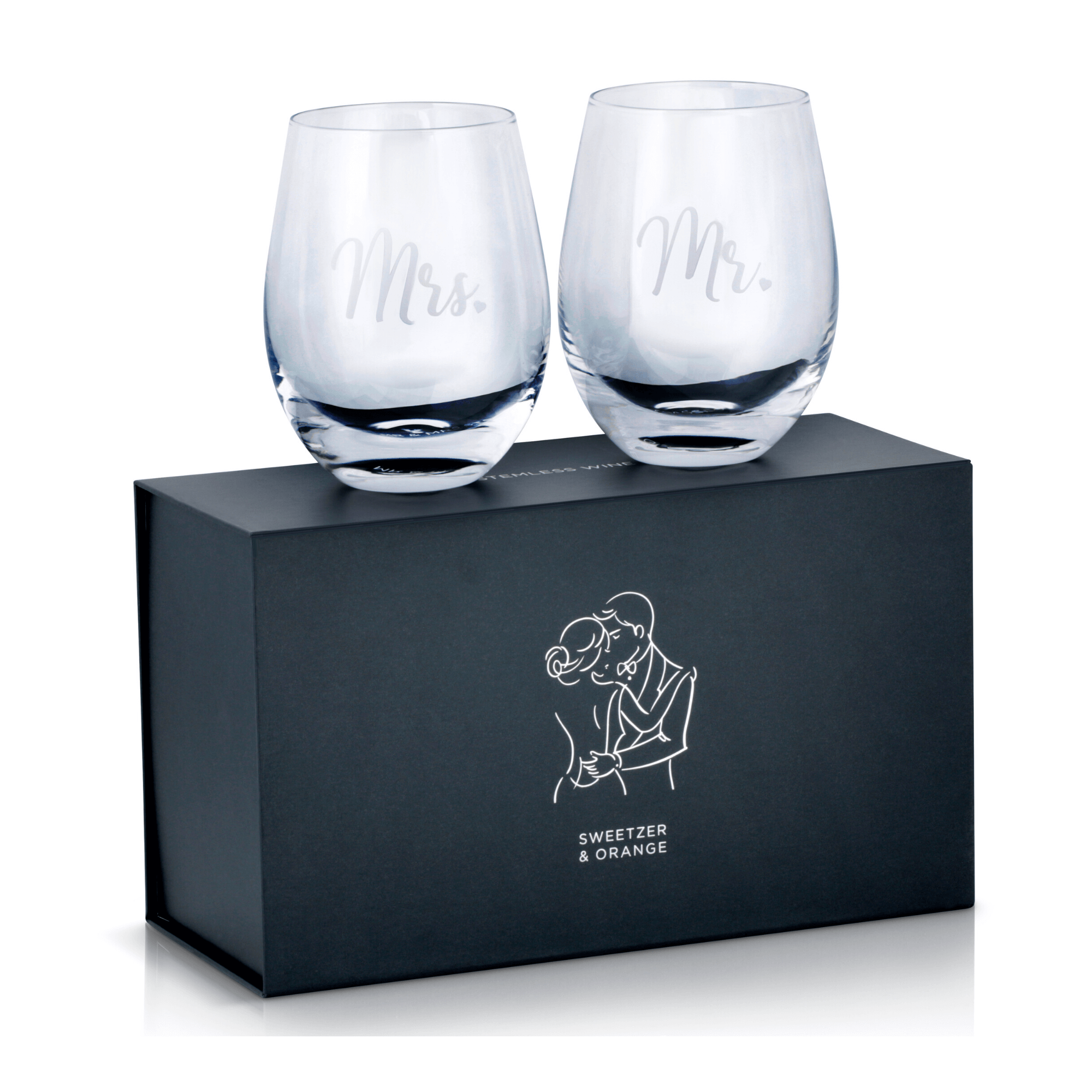
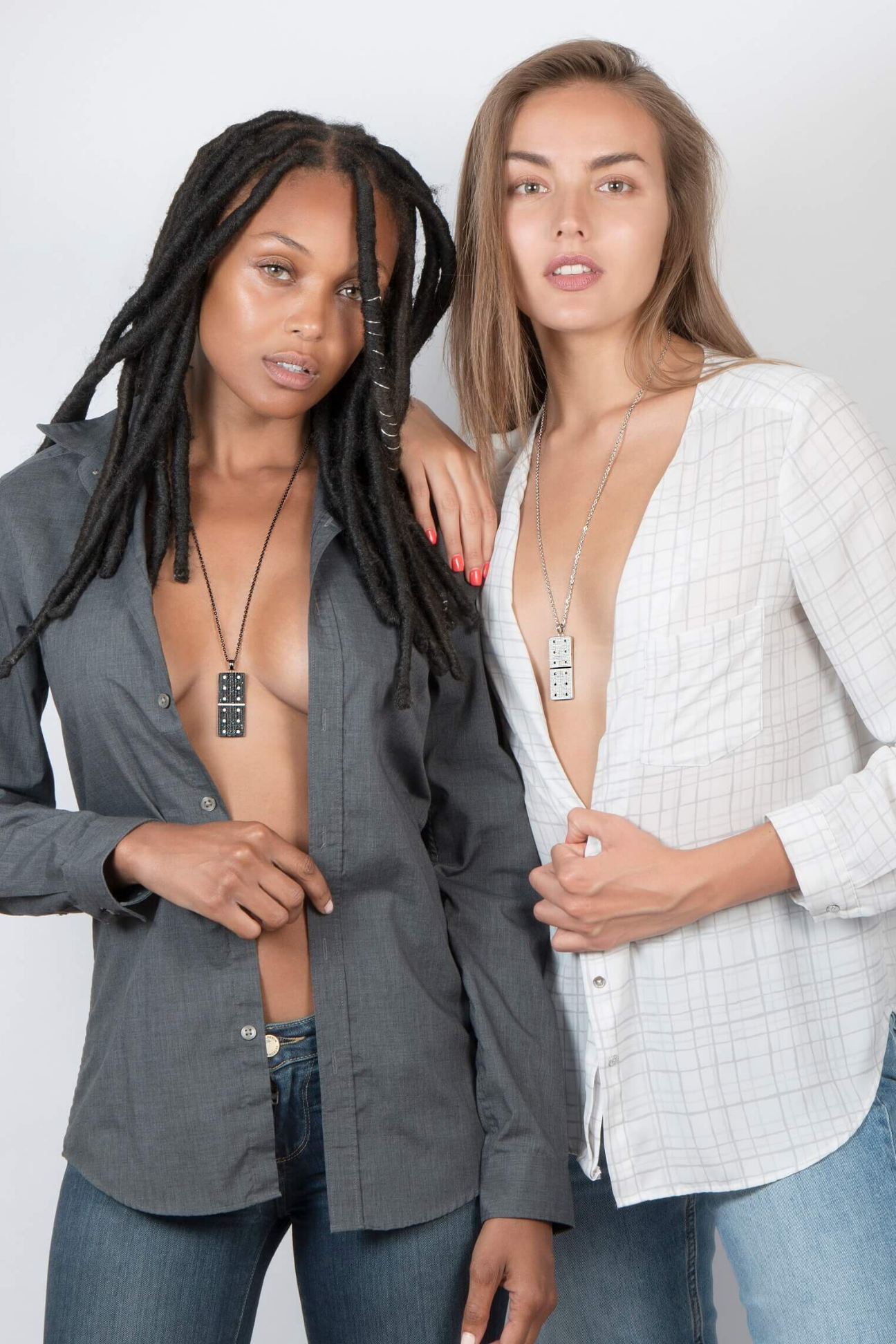
Images cost more when the product requires special handling or the creative direction is more involved. Jewelry, watches, reflective glassware, apparel, cosmetics, gemstones, and electronics often need precise lighting and detailed retouching. Lifestyle images may involve props, surfaces, models, location production, food styling, or set building. Those elements add time, equipment, and production coordination.
A practical way to think about cost is by image type. A basic ecommerce image may be priced per final image. A styled product photo may be quoted by the setup, by the image, or by a half-day or full-day production rate. Large catalogs are often priced as a custom package because efficiency improves when products share the same visual requirements.
What a Product Photography Quote Should Include
A low per-image number is only valuable if it includes the work your listings actually need. Before comparing quotes, look past the headline price and confirm what will be delivered.
Product preparation and photography
The production process begins before the shutter is pressed. Products may need to be cleaned, steamed, assembled, positioned, or styled. Apparel may need pinning and shaping. Jewelry may need careful placement to control reflections and show metal, stones, and fine texture accurately.
The photography itself should match your intended channel. Amazon main images, for example, have specific white-background expectations. A direct-to-consumer product page may need front, side, back, detail, scale, and packaging views. A print catalog may require higher-resolution files and more exact color management than a quick marketplace listing.
Retouching and final file delivery
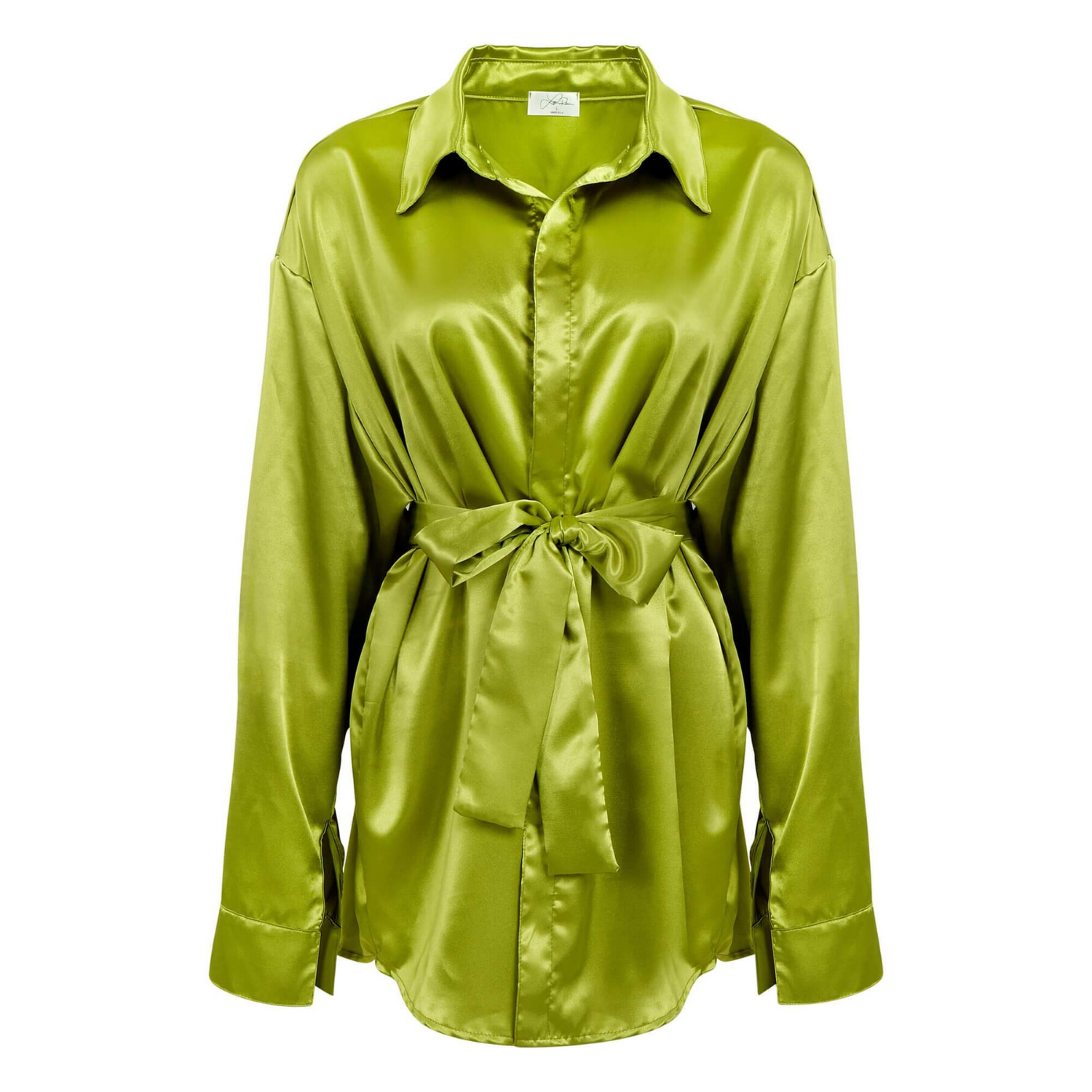
Professional retouching is often where the difference between an acceptable image and a sales-ready image becomes clear. Standard work can include dust removal, color correction, cropping, straightening, background cleanup, and minor product refinements. More advanced work may include removing wrinkles, combining multiple focus points, correcting reflections, compositing, or creating ghost mannequin apparel images.
Ask whether the quote includes retouching for every delivered image, how many final images are included, and what file formats and dimensions you will receive. High-resolution files matter for print and future marketing use, while web-optimized versions can make publishing faster for ecommerce teams.
Usage rights also belong in the conversation. Commercial clients should understand where they can use the finished images, including online stores, marketplaces, catalogs, ads, social media, and print materials. Royalty-free usage rights can prevent surprises when a successful product image needs to work across multiple campaigns.
The Main Factors That Change Product Photography Pricing
The product itself has a major effect on cost. A matte box is simpler to photograph than a diamond ring, a transparent bottle, or a polished stainless-steel appliance. Reflective, clear, tiny, dark, or highly detailed items demand more control over light and more time in post-production.
Quantity matters just as much. Photographing 100 similar SKUs is more efficient than photographing five unrelated products, each with its own setup. Volume pricing is possible when products can move through a streamlined workflow and require similar angles, backgrounds, and editing standards. For brands with frequent launches, a consistent production plan can reduce the cost per image over time.
The number of angles drives the final budget. One hero image may be enough for a basic listing, but most shoppers need more information. Additional angles, close-ups, packaging shots, size-reference images, and feature callouts improve the product page, but each requires additional shooting and retouching.
Creative complexity is another variable. A clean white background is efficient. A lifestyle scene may require a kitchen counter, textured backdrop, seasonal prop selection, hand model, or custom lighting designed to create a particular mood. Those images can be highly effective for brand storytelling, but they should be budgeted as campaign assets rather than simple catalog photos.
Turnaround time can affect the price as well. A standard production schedule allows a studio to plan shooting and retouching efficiently. Rush delivery may require priority scheduling, additional staff, or accelerated editing. When a launch date is fixed, discussing timing before products are shipped avoids avoidable fees and missed deadlines.
Per-Image Pricing vs. Day Rates
Per-image pricing is easy to understand and works well for routine ecommerce photography. You know the number of final images you need, the required background, and the level of retouching. This model is especially useful for Amazon sellers and brands building or refreshing a large product catalog.
Day rates or project rates are often better for lifestyle work, large-format advertising, complex sets, or shoots involving models. In these cases, the production effort is tied less to the number of products and more to preparation, art direction, lighting changes, and the time needed to create a visual concept.
Neither approach is automatically better. Per-image pricing provides predictability for consistent product listings. A project quote provides flexibility when the brief has more moving parts. The important point is that the pricing model should fit the work, not force a creative campaign into a catalog workflow or inflate a straightforward catalog project with unnecessary production costs.
How to Keep Product Photography Costs Under Control
The most cost-effective shoots are planned before products arrive at the studio. Start by deciding where each image will appear and what it must accomplish. If the goal is a marketplace listing, prioritize clean, compliant hero images and clear feature views. If the goal is a product launch, reserve a portion of the budget for a few stronger lifestyle or campaign images that can be used in email, advertising, and social content.
Consistency saves money and strengthens the brand. Use the same background, angles, crop style, and lighting approach across a collection whenever possible. Send a shot list that identifies required views, special details, color variants, and file requirements. This prevents a common budget problem: discovering after delivery that an essential angle or product feature was never photographed.
Prepare products carefully. Remove stickers, fingerprints, protective film, and shipping debris. Confirm that every item is complete and functioning. For apparel, send clean pieces in the correct sizes and include instructions for styling or folding. Good preparation reduces retouching time and keeps the production moving.
It is also smart to separate must-have images from nice-to-have images. A strong core set of catalog photos can go live quickly and support immediate sales. Additional lifestyle content can be produced later for your highest-performing products or seasonal campaigns. That approach protects the budget while giving your brand room to grow its visual library.
Choose Images Based on the Sale You Need to Make
The lowest photography price is not always the lowest business cost. An image that makes a product look inaccurate, poorly lit, or inconsistent with the rest of your store can reduce trust and create more returns, customer questions, and redesign work later. Conversely, a polished image does not need an oversized production budget if the product only needs clean, accurate ecommerce coverage.
The best value comes from matching the shoot to the sales objective. A skincare brand may need texture, label clarity, and color accuracy. A jewelry seller may need sharp stone detail and controlled reflections. An apparel company may need reliable color, fit visibility, and a consistent presentation across dozens of styles. Product Photography Studio builds quotes around those practical requirements, with professional retouching and scalable per-image options for brands that need quality without unnecessary overhead.
Bring a clear product list, a few visual references, your target channels, and your launch deadline to the quote process. That gives your photography team what it needs to recommend the right level of production and deliver images that earn their place on the product page.