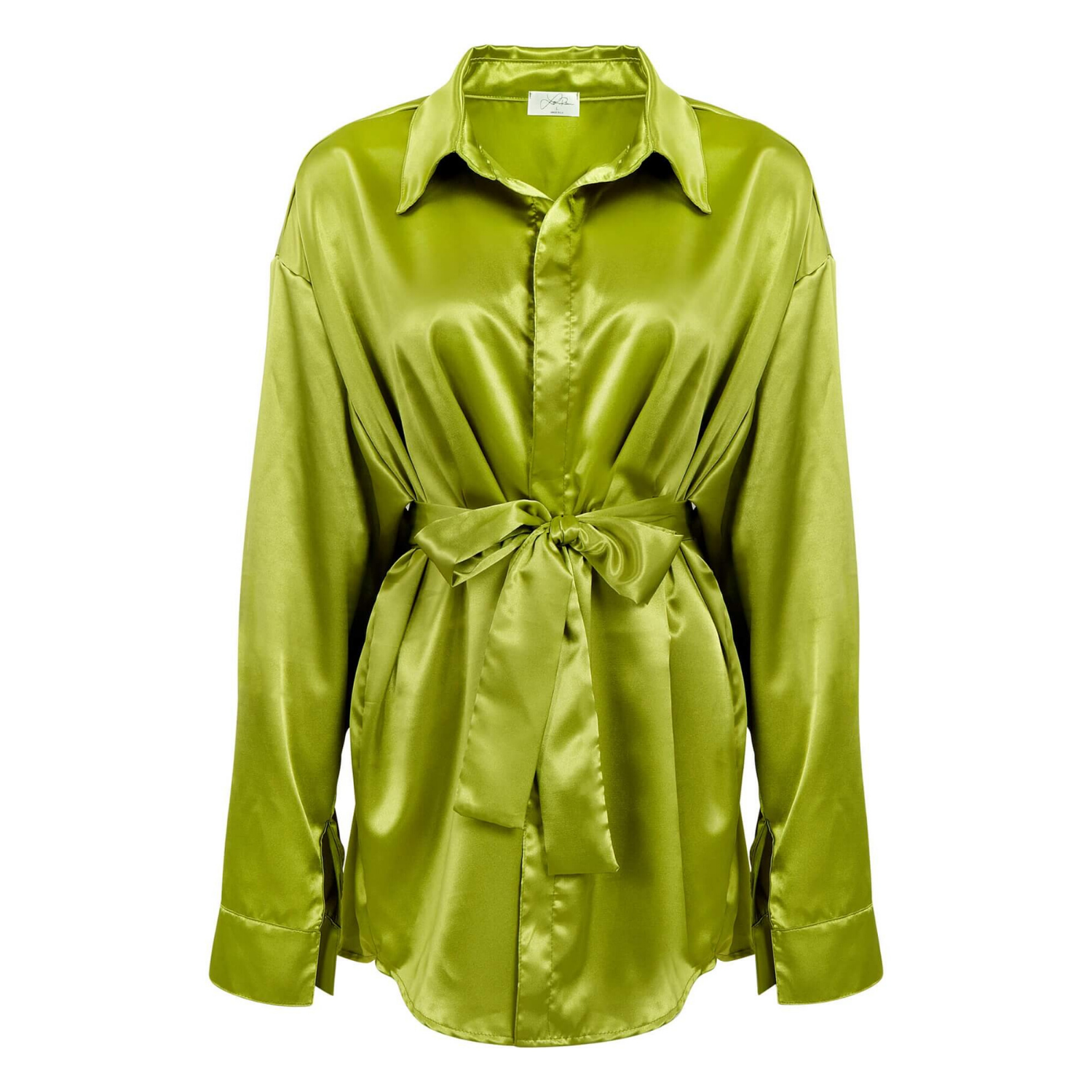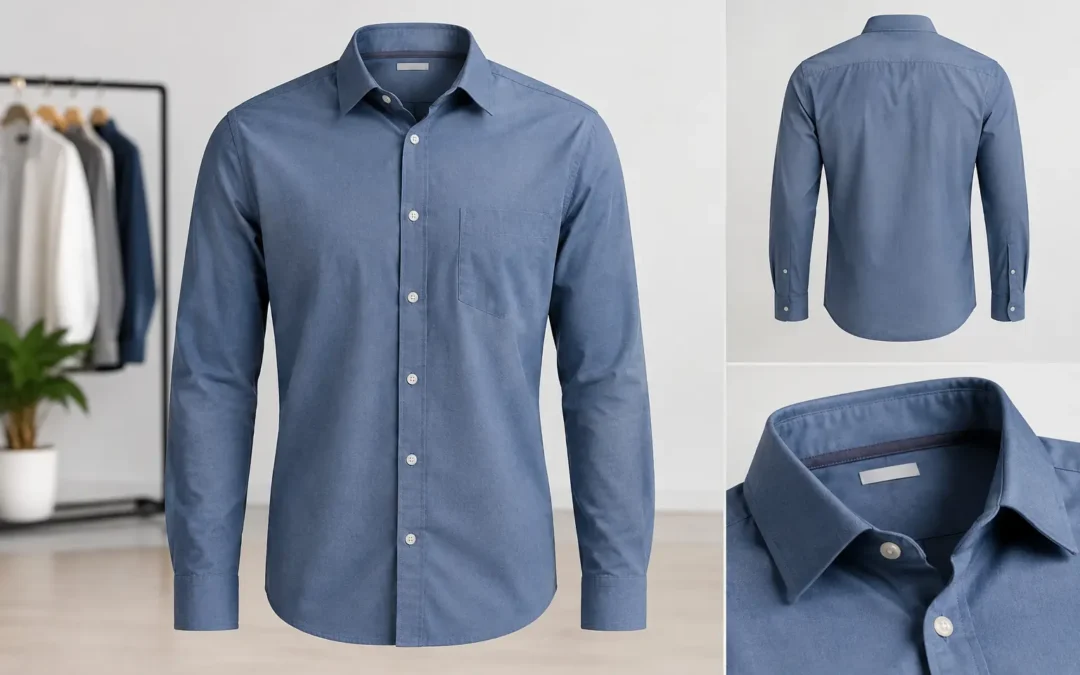
A shopper cannot touch the fabric, check the fit, or turn a garment around on an ecommerce page. Your images have to do that work quickly. So, what is ghost mannequin photography? It is an apparel photography technique that uses a mannequin during the shoot, then removes it in post-production to create the appearance of a garment being worn by an invisible person.
The finished image shows shape, structure, and key interior details without the distraction or added cost of a live model. For online stores, Amazon listings, catalogs, and wholesale line sheets, this clean presentation helps customers understand exactly what they are buying.
What Is Ghost Mannequin Photography?
Ghost mannequin photography is also called invisible mannequin photography or the hollow-man effect. A photographer places clothing on a dress form or mannequin, lights it carefully, and captures the garment from the required angles. Separate images are often taken of the inside neck, back collar, cuffs, waistband, or other areas that would be blocked by the mannequin.
A professional retoucher then combines those exposures and removes the mannequin. The result is a polished product image with a natural, three-dimensional fit. The garment appears to hold its shape on its own, while the viewer can still see the depth of the neckline, shoulders, sleeves, and interior construction.
This differs from flat lay photography, where apparel is arranged on a surface, and from model photography, where a person wears the product. Each format has a place in a selling strategy. Ghost mannequin images are particularly useful when the goal is a consistent, product-first presentation across a large collection.
Why Invisible Mannequin Images Help Apparel Sell
Apparel is difficult to sell with weak imagery because fit and construction influence purchasing decisions. A folded shirt may show color and print, but it does not communicate shoulder shape, sleeve volume, or the way a collar sits. A ghost mannequin image gives shoppers more visual information without making the image feel busy.
For brands and sellers, the commercial advantages are practical. First, the approach creates consistency. Every polo, jacket, dress, or sweater can be photographed at the same angle, scale, and lighting standard. That makes a collection look organized on category pages, marketplace listings, and printed materials.
Second, it keeps attention on the product. There is no model expression, pose, or styling choice competing with the garment. This is especially valuable for Amazon and other marketplaces where the main image needs to be clear, compliant, and immediately readable at a small size.
Third, ghost mannequin photography can be more efficient than a model shoot. There is no casting, fitting schedule, hair and makeup, or model usage consideration. That does not mean it replaces lifestyle images altogether. A model may still be the better choice when a brand needs to communicate emotion, audience identity, movement, or a specific fit on a particular body type. In many cases, the strongest product page uses both: ghost mannequin images for detail and model images for context.
How the Ghost Mannequin Process Works
The quality of the final image depends on much more than removing a mannequin in editing. The shoot begins with garment preparation. Clothing must be steamed, lint-free, properly sized for the mannequin, and styled to show its intended silhouette. A twisted seam, uneven hem, or collapsed shoulder can make even excellent retouching look unnatural.
The photographer selects a mannequin that supports the garment without distorting it. Removable-neck or removable-arm forms are often helpful for shirts, dresses, blazers, and outerwear because they allow more of the interior garment to be photographed. Lighting is kept controlled and repeatable so fabric color, texture, and edge detail remain consistent across the collection.
After the main front, back, and side views are captured, the photographer records detail shots needed to build the invisible effect. For example, a crewneck sweater may require an additional image of the inside back collar. A zip-front jacket may need a separate shot to show the neckline and inner placket cleanly. These supporting captures are what make the finished garment look complete rather than digitally cut out.
In post-production, the retoucher removes visible mannequin sections, composites the supporting details, corrects dust and minor distractions, and refines symmetry where appropriate. Color correction matters here as much as cleanup. A navy fabric that photographs too bright or a beige knit that shifts too warm can lead to disappointing customer expectations and avoidable returns.
Best Products for Ghost Mannequin Photography
This technique works especially well for structured and semi-structured apparel. T-shirts, polos, button-downs, hoodies, sweaters, dresses, blouses, jeans, trousers, skirts, jackets, uniforms, and children’s clothing are common examples. It can also work well for shapewear, activewear, and layered pieces when the garment can be styled cleanly on a suitable form.
Outerwear often benefits because shoppers need to see how the collar, lapel, shoulders, and sleeves hold their shape. Premium knitwear benefits for a different reason: ghost mannequin photography can preserve the product’s volume while keeping the focus on stitch detail and texture.
Some items require a different solution. Very loose, sheer, oversized, or highly draped garments may not look natural on a standard mannequin. A flat lay, hanger shot, detail image, or model photograph may better represent how those pieces actually behave. Likewise, accessories such as scarves and hats often need custom styling rather than a conventional ghost mannequin setup.
The right choice depends on the product, your sales channel, and the questions customers need answered before purchasing.
Ghost Mannequin vs. Flat Lay vs. Model Photography
A flat lay is usually faster and can be effective for casual apparel, graphic tees, or social content. It shows the full garment and can support a relaxed, editorial brand style. However, it generally provides less information about volume and fit than an invisible mannequin image.
Model photography adds life, scale, and styling context. It is valuable for campaigns, lookbooks, social ads, and brands that want customers to see the apparel in motion. The trade-off is higher production complexity and less uniformity across a large SKU count. Models also introduce variables such as pose, body shape, and styling that can shift focus away from construction details.
Ghost mannequin photography sits between these options. It gives a garment the dimensionality of being worn while maintaining the control and consistency of a product shoot. For a core ecommerce catalog, it is often the most efficient foundation. Brands can then add flat lays, close-ups, and model images selectively where they will have the greatest sales impact.
Preparing Apparel for Better Results
Professional photography can improve a garment’s presentation, but it cannot fully correct poor preparation. Send each item clean, pressed, and clearly labeled by style, color, and size. Include a shot list if your store requires specific front, back, side, or detail angles.
Pay close attention to details that customers inspect closely: collar interiors, care labels, buttons, zipper pulls, embroidery, pockets, cuffs, and fabric texture. If a garment has a feature that justifies its price, make sure it is photographed. A close-up of a lined jacket interior or a reinforced seam can provide the proof a shopper needs before adding to cart.
For color-sensitive collections, provide accurate color references when available. This is particularly helpful for apparel in whites, creams, pastels, reds, and dark neutrals, where subtle shifts can change how a product appears online. Consistent color-accurate apparel photography protects brand presentation and helps set realistic expectations.
What to Look for in a Ghost Mannequin Photography Service
The final image should look natural, not obviously edited. Look for clean necklines, realistic depth, smooth but believable fabric, and consistent alignment from product to product. Over-retouching can make a garment look flat or erase texture that customers want to see.
Ask how the studio handles styling, color correction, detail shots, revisions, turnaround time, and image delivery. If you sell across multiple channels, confirm that the final files can be prepared to the correct dimensions and background requirements. Fast delivery matters, but it should not come at the expense of garment accuracy or careful retouching.
For growing catalogs, pricing and scalability matter too. Product Photography Studio provides high-resolution apparel imagery, professional retouching, and efficient production for brands that need polished product presentation without the cost of building an in-house studio.
A strong ghost mannequin image should make the shopper feel closer to the product, not farther from it. When the collar, silhouette, texture, and details are shown clearly, your apparel has a better chance to earn the click, build confidence, and move from a product page into a customer’s cart.