A customer cannot pick up your product through a screen. They cannot feel the weight of a watch, test the texture of a moisturizer, or inspect the finish on a glass bottle. Product imagery has to do that selling work in seconds, before a shopper scrolls past or chooses a competing listing.
For ecommerce brands, Amazon sellers, and retail teams, professional images are not a finishing touch. They are core sales assets. The right photography makes a listing easier to understand, more credible, and more consistent with the quality buyers expect from the product itself.
Why Product Imagery Affects Sales Performance
Most online buying decisions begin with a visual judgment. Shoppers scan search results, category pages, social ads, and marketplace listings quickly. A clean hero image can earn the click. Detailed secondary images can answer objections before they become a reason to leave the page.
Strong photography also reduces uncertainty. When buyers can clearly see scale, materials, packaging, color, texture, features, and use cases, they are better prepared to purchase. That clarity matters for every product category, but it is especially valuable for products where details drive perceived value, such as jewelry, beauty items, apparel, electronics, watches, and premium home goods.
Poor images create friction even when the product is excellent. Inconsistent lighting can make colors look unreliable. Soft focus can hide craftsmanship. A cluttered background can make a simple product feel low-end. These issues do more than weaken a brand’s appearance. They can lower click-through rates, reduce conversion, and contribute to disappointed customers when the delivered item does not match what they thought they saw.
Product Imagery Starts With the Sales Channel
The best image plan depends on where customers will see the product. A white-background marketplace image has a different job than a lifestyle photo for a direct-to-consumer product page. A catalog requires consistent framing across a collection, while a magazine or lookbook may call for more styling and visual atmosphere.
For Amazon and other major marketplaces, the main image often needs to meet strict platform requirements. The product should be large, clear, accurately represented, and isolated against a clean background where required. Secondary images can then demonstrate dimensions, included components, benefits, close-up details, and practical use.
On a brand website, there is usually more room to tell the full product story. A mix of packshots, alternate angles, detail crops, in-use imagery, and scale references can help customers move from interest to confidence. The exact mix depends on the item. A skincare brand may need texture and ingredient-focused images. A handbag brand may need interior views, hardware close-ups, and on-body scale. An electronics seller may need ports, controls, packaging, and compatibility details.
The common mistake is shooting every product the same way without considering the customer question each image needs to answer. A useful image set is planned around purchase decisions, not simply around filling gallery slots.
What a High-Converting Image Set Includes
A polished hero image is essential, but it should not carry the whole listing alone. Buyers want proof. They want to see what makes the product different and what they will actually receive.
For most ecommerce products, a well-rounded image set includes a clean primary image, multiple angles, close-ups of important materials or features, and images that establish size or real-world context. If there are variations in color, finish, or configuration, those differences should be photographed accurately rather than left to a digital mockup whenever possible.
Lifestyle photography can be highly effective when it adds useful context. A beverage photographed in a believable serving moment can create appetite appeal. Apparel shown on a model helps communicate fit and proportion. A desk accessory shown in a workspace can make its purpose immediately clear. But lifestyle images should support the product, not compete with it. Overly busy styling, dark scenes, or props that confuse scale can work against conversion.
Infographic-style images also have a place when they make a benefit easier to understand. They are particularly useful for technical products, kits, supplements, and items with multiple features. Keep copy short, legible, and focused on real product information. A visual is not stronger because it is packed with claims.
Accuracy Is a Brand Protection Issue
A beautiful image that misrepresents the product creates a short-term impression and a long-term problem. Accurate color, realistic texture, and honest scale are essential for customer trust.
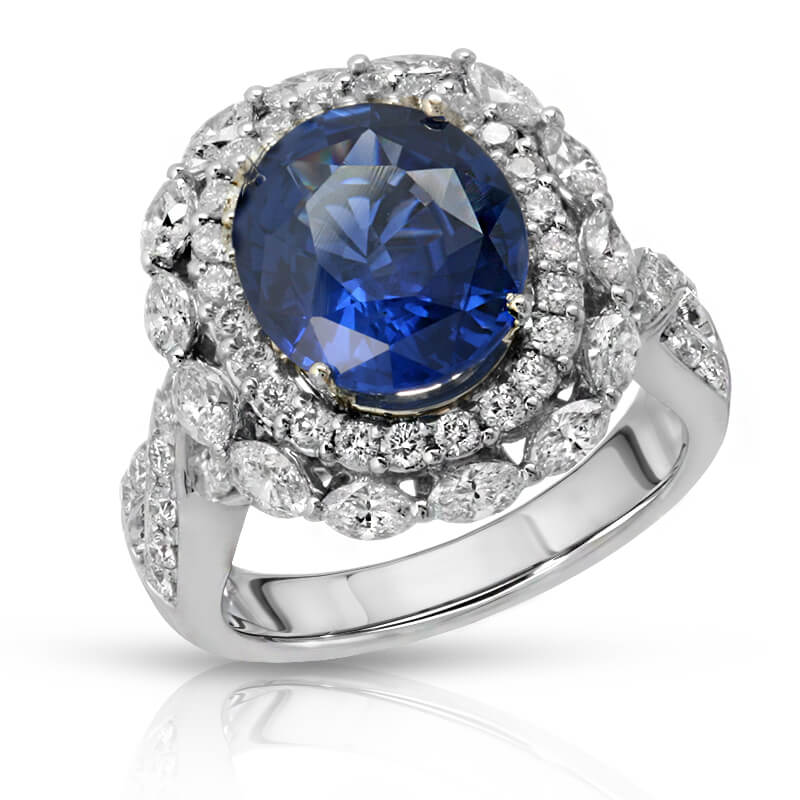
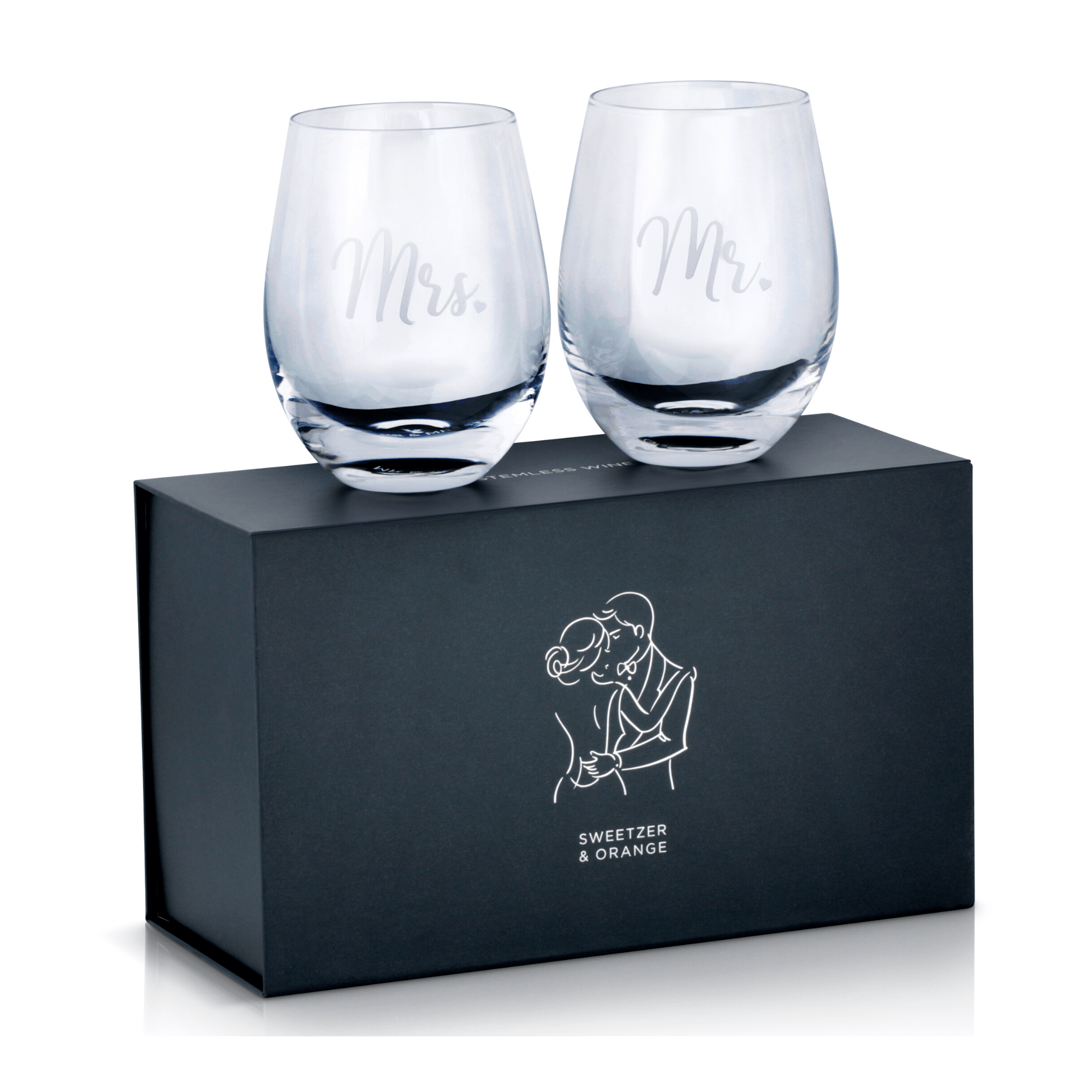
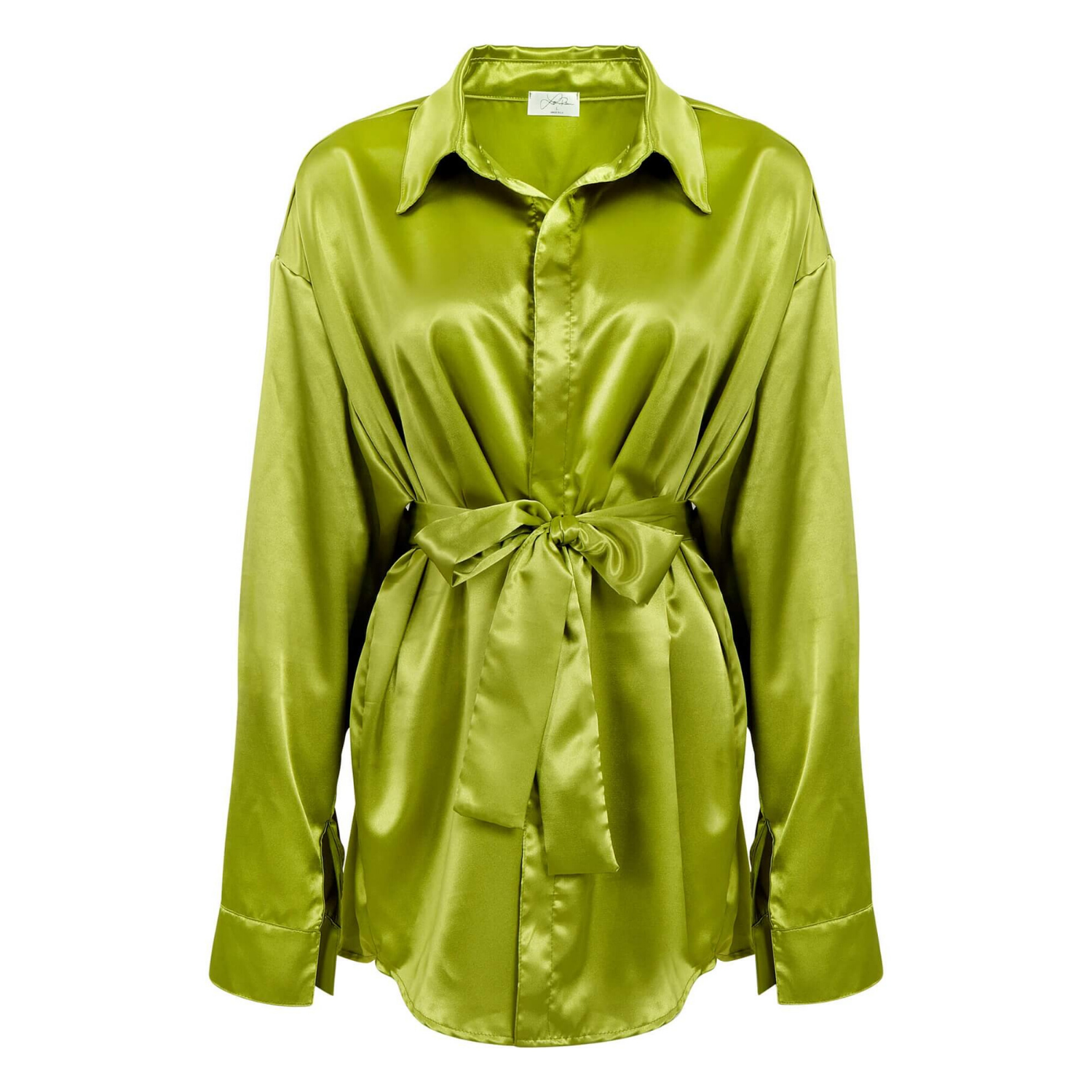
This is particularly important for apparel, cosmetics, gemstones, jewelry, and products with reflective or translucent surfaces. A minor shift in lighting can change the apparent color of a fabric. Heavy retouching can make a gemstone look unlike the piece a customer receives. Glassware can lose its shape and edge definition without careful lighting. The answer is not to avoid retouching. Professional retouching is necessary to remove dust, scratches, distractions, and small production imperfections. The goal is to present the product at its best while keeping it true to life.
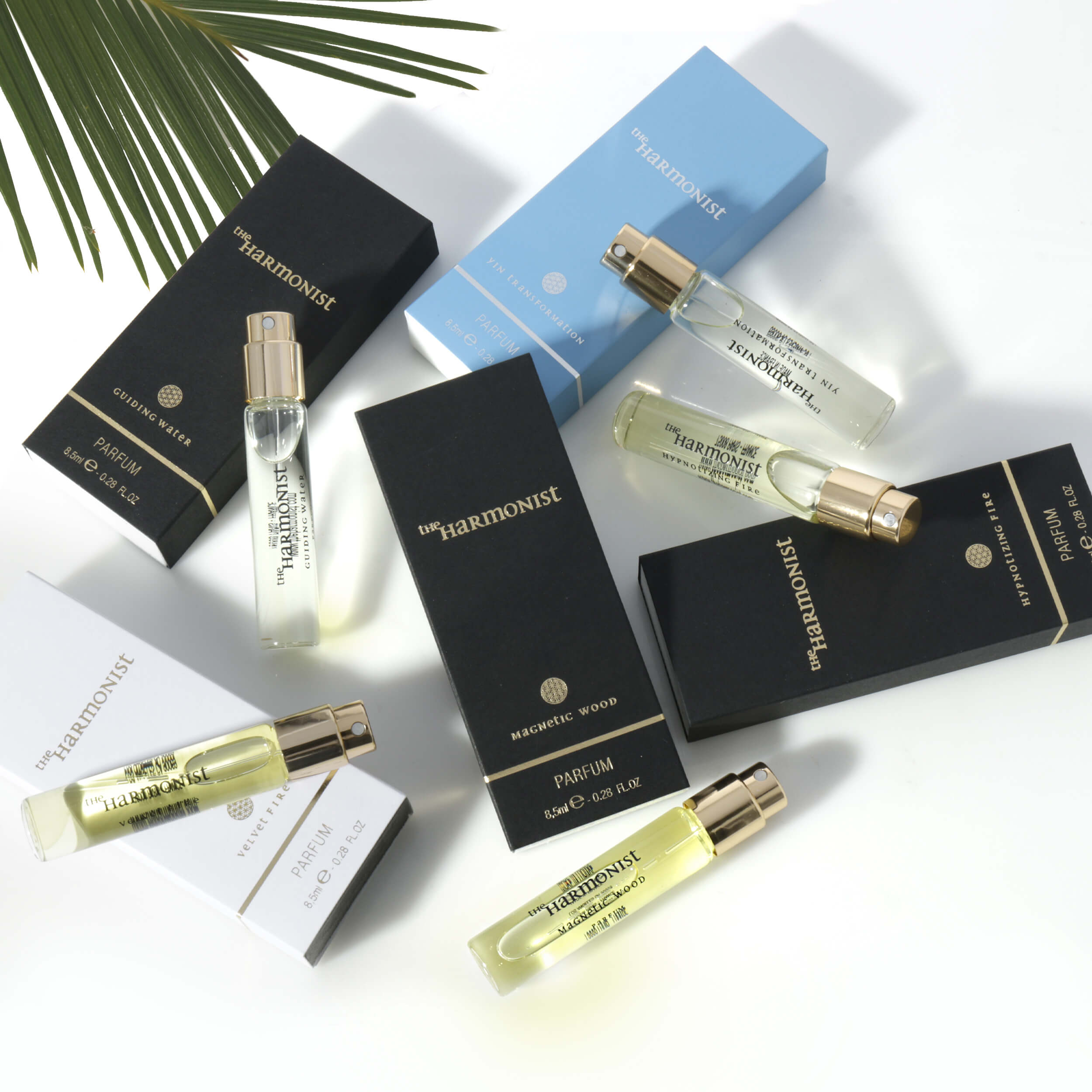
Color-managed workflows and category-specific lighting make a measurable difference here. Apparel needs thoughtful color handling. Jewelry needs controlled reflections that reveal cut, metalwork, and stones. Beauty packaging needs clean highlights without losing label readability. Products with glossy finishes require light shaping that defines form instead of creating distracting glare.
When images look consistent from one product to the next, they also make the entire catalog feel more dependable. That consistency builds a stronger visual identity without requiring every photo to look identical.
Professional Photography Is Often More Efficient Than DIY
Many growing brands start by shooting products in-house. That can be reasonable for quick social content, early prototypes, or low-stakes updates. However, the time cost adds up once a business needs dozens or hundreds of listings, multiple product variations, clean retouching, and images prepared for several sales channels.
A professional studio brings repeatable lighting, experienced styling, high-resolution capture, and post-production standards that are difficult to recreate with an ad hoc setup. More importantly, it provides a process. Products are checked in, photographed to an approved shot list, retouched consistently, and delivered in the formats needed for ecommerce, print, marketplaces, or marketing campaigns.
The decision is not always about choosing one approach forever. Some teams keep casual content in-house and outsource their core catalog, launch photography, hero images, or high-value product lines. That balance can protect budget while ensuring the images closest to the sale meet a professional standard.
Plan the Shoot Before Products Arrive
Better results usually come from better preparation, not more complicated production. Before a shoot, decide where the images will be used, which product variations need coverage, and what questions customers ask before buying. A clear shot list prevents missing angles and avoids paying for reshoots later.
Make sure every product sample is clean, complete, and ready to photograph. Send final packaging when packaging is part of the purchase decision. Include accessories, inserts, chargers, lids, or other components that should appear in the listing. For apparel, provide accurate size information and guidance on the intended fit. For products with color variations, label each item clearly so files can be organized correctly.
It also helps to identify non-negotiable brand requirements before production begins. This may include background preferences, desired crop ratios, color references, examples of previous photography, or marketplace specifications. Clear direction does not limit creativity. It gives the production team the information needed to create images that work for your business.
Choose a Studio Built for Commercial Volume
A single great image is useful. A reliable system for producing a large number of great images is more valuable to a growing product business. Look for a studio that understands your category, offers transparent image pricing, can handle retouching without sacrificing realism, and has the capacity to meet launch schedules.
Turnaround time matters, but speed should not mean rushed preparation or inconsistent quality. Ask how the studio handles revisions, product tracking, file delivery, and usage rights. Royalty-free image usage gives brands the freedom to use their approved assets across product pages, ads, email, catalogs, and print materials without creating unnecessary complications later.
Product Photography Studio works with a wide range of consumer products and provides high-resolution, professionally retouched images designed for selling channels. With pricing available as low as $12 per image, commercial-quality photography can be a practical investment for brands that need to scale their visual catalog.
Your product page has only a brief opportunity to make the product feel worth buying. Give shoppers images that answer their questions, reflect the real quality of the item, and make the next click feel easy.