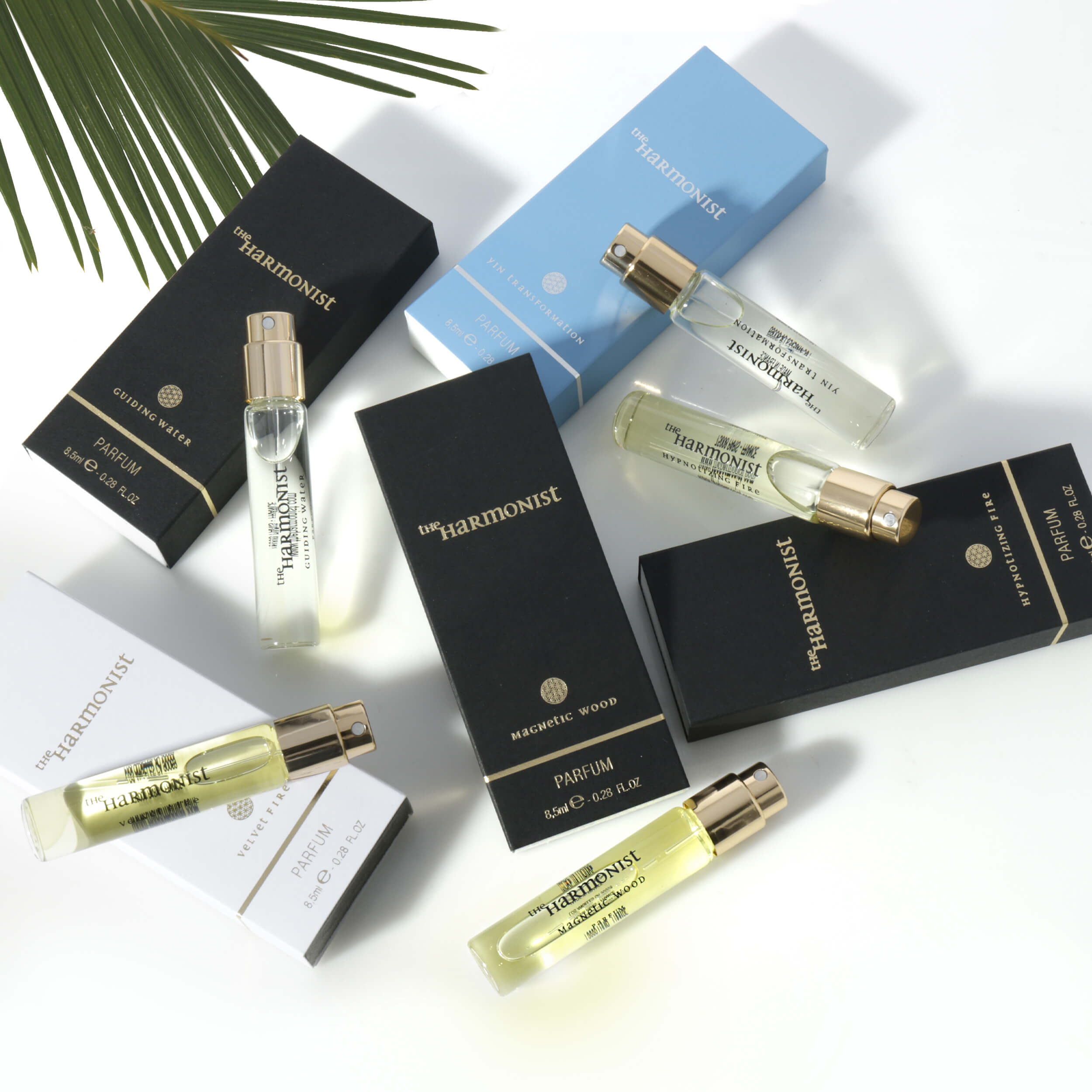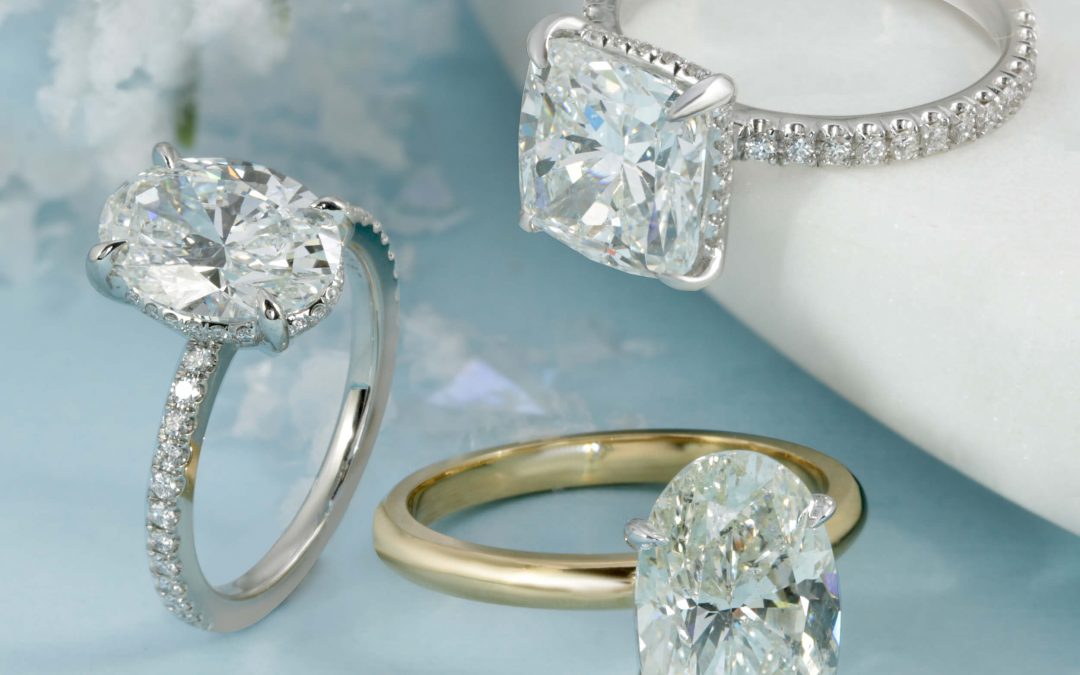
A ring can look flat, dull, or incorrectly colored in a listing even when it is exceptional in person. That gap costs clicks. Jewelry photographers Los Angeles brands choose should understand that the assignment is not simply taking a beautiful picture. It is producing precise, high-resolution product imagery that helps shoppers assess material, craftsmanship, scale, and value before they buy.
For ecommerce stores, Amazon sellers, jewelry makers, and retail marketing teams, every image has a job. The hero image must stop the scroll. Detail shots must show stone settings, metal texture, engravings, and clasps. Lifestyle or modeled images must give the piece context without distracting from it. When the photography is inconsistent, underlit, or poorly retouched, even a strong product can appear less premium than it is.
What Jewelry Photography Needs to Deliver
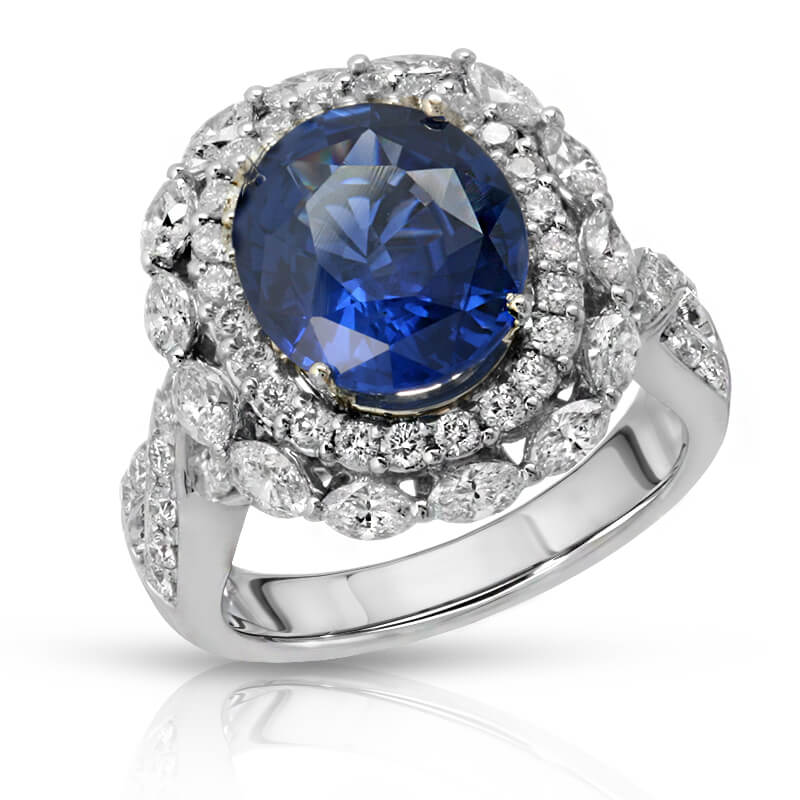
Jewelry is one of the most technically demanding product categories to photograph. Highly polished metals reflect everything around them. Transparent gemstones can lose their depth under the wrong lighting. White gold, silver, platinum, and diamonds need separation from a white background without looking gray or artificially outlined. Gold must retain its warmth, while colored stones need to look rich without becoming over-saturated.
A commercial jewelry image needs to balance visual appeal with accuracy. Excessive editing may create a dramatic image, but it can also lead to customer disappointment when the product arrives. On the other hand, minimal editing can leave distracting dust, reflections, fingerprints, and small manufacturing imperfections visible at high resolution. The right approach is professional retouching that cleans the image while preserving the true character of the piece.
For most online sellers, the best image set includes a clean primary image, multiple angles, close-up detail images, and at least one scale reference or modeled view when appropriate. A fine pendant, for example, may need a front view, side profile, clasp detail, chain texture shot, and an image showing how it sits when worn. A single image rarely answers every buying question.
Jewelry Photographers Los Angeles Sellers Need for Ecommerce
Los Angeles jewelry brands often sell across more than one channel. A product may appear on a direct-to-consumer site, Amazon, a wholesale catalog, social media, a printed lookbook, and a retailer marketplace. Each platform has different visual needs, but the product still has to look consistent wherever customers find it.
That is why professional product photography should begin with the intended use. Marketplace listings usually require clean backgrounds and product-forward composition. Brand websites may benefit from additional editorial or styled images that communicate a collection’s personality. Print production requires high-resolution files and careful color handling. If the same image will be used in all three places, the studio should plan framing, resolution, and retouching standards accordingly.
The goal is to create assets that work hard beyond a single listing. A well-executed jewelry image can support product pages, paid advertising, email campaigns, line sheets, catalogs, and social posts. Royalty-free usage rights also matter because brands need flexibility to use their finished images across their sales and marketing channels without unexpected limitations.
White Background Images Are the Foundation
Clean white background photography remains essential for ecommerce. It puts attention on the jewelry, supports a consistent storefront, and meets the image standards of many marketplaces. But white background does not mean one-size-fits-all lighting. A diamond tennis bracelet, a matte gold cuff, and a black onyx ring each require a different approach to reveal their materials properly.
The background should look clean and uniform, while the edges of the jewelry remain defined. Metal should retain shape and tonal variation instead of becoming a bright, featureless highlight. Gemstones should show cut and color. Fine chain should look smooth and intentional, not tangled or unevenly positioned.
Detail Images Build Buyer Confidence
Shoppers zoom in on jewelry because the details affect perceived value. They want to see prongs, pavé settings, engraving quality, stone facets, texture, closures, and the finish of the metal. A close-up image can answer questions that a product description alone cannot.
This is especially important for higher-priced items. When a customer cannot hold the piece, visual proof becomes part of the sales process. Clear macro photography makes the craftsmanship easier to evaluate and helps reduce uncertainty before checkout.
On-Model and Styled Photography Have a Different Role
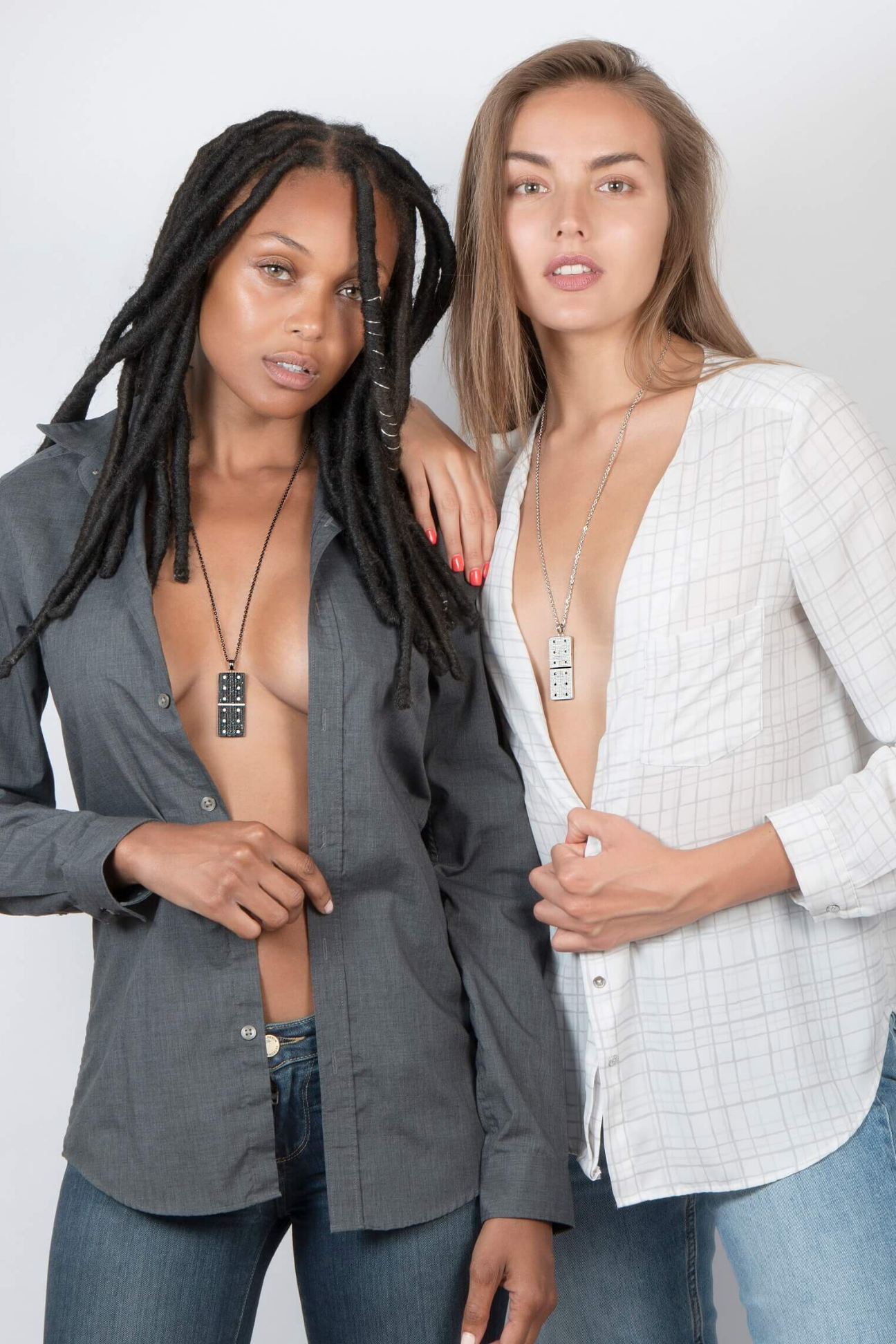
A model image is useful when fit, length, or styling is a major selling point. Earrings need to show scale near the face. Necklaces need to show chain length and placement. Rings and bracelets benefit from context that helps customers understand proportion.
Styled imagery can strengthen a campaign or collection launch, but it should not replace clear product views. A beautiful lifestyle photo may earn attention, yet shoppers still need straightforward images to compare products and make a confident purchase. For many brands, the strongest approach is a mix: clean ecommerce images for conversion and styled assets for marketing.
Questions to Ask Before Sending Jewelry to a Studio
The right photography partner should make production easier, not create another layer of uncertainty. Before booking a shoot, confirm the studio’s experience with reflective products, gemstones, delicate chains, and high-magnification retouching. Ask what file formats and image sizes will be delivered, whether the images are prepared for your selling channels, and how revisions are handled.
Turnaround time matters as well. New inventory, seasonal launches, and marketplace updates often run on tight deadlines. A reliable studio should provide a clear production schedule and communicate quickly if a product needs special handling. Fast delivery is valuable only when it does not compromise consistency or quality.
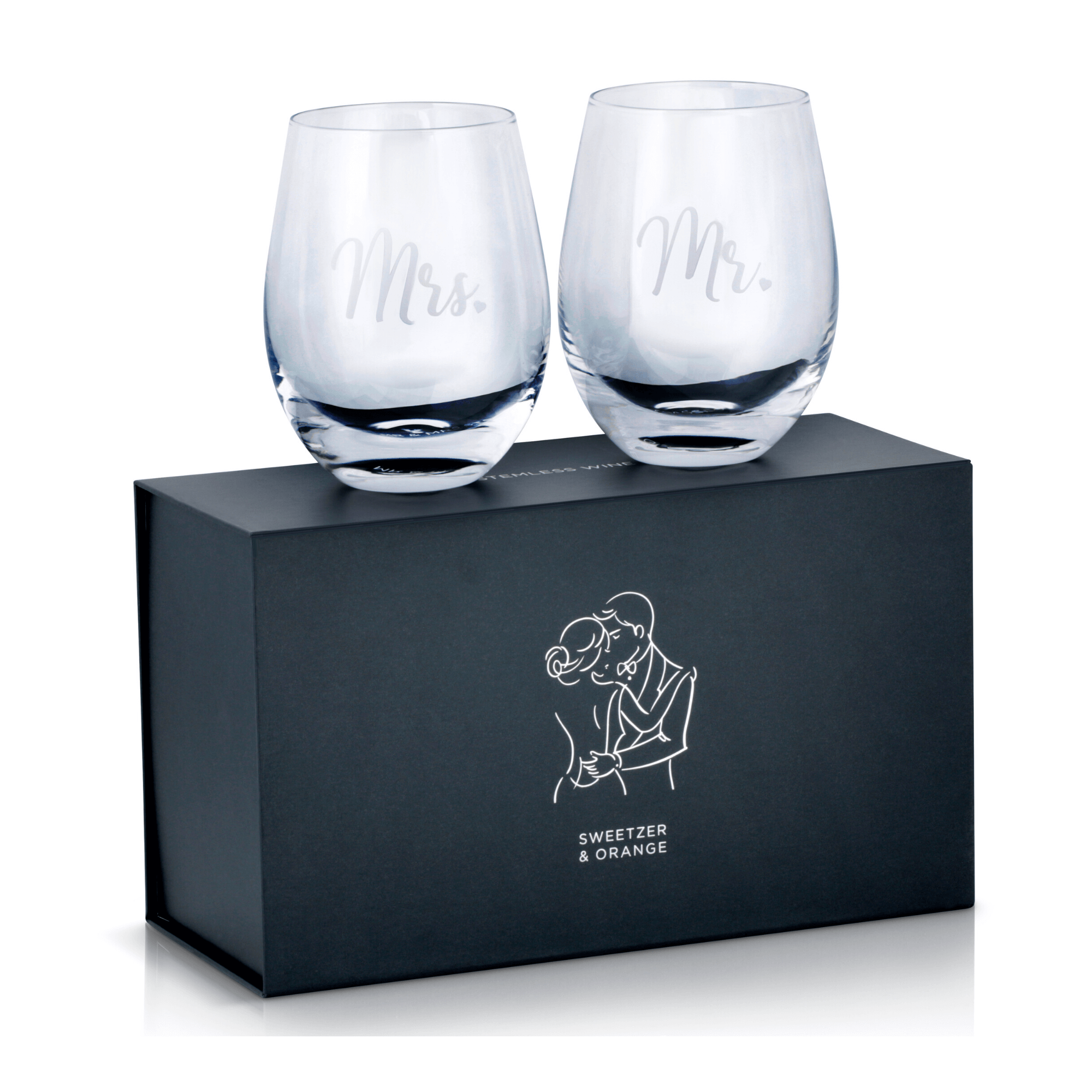
It is also smart to discuss image quantity before the shoot. A simple pair of studs may only need several views. A bridal set, watch-and-jewelry gift box, or collection with multiple stone options may require a more complete shot plan. Planning this early prevents missed angles and helps keep pricing predictable.
Finally, prepare products carefully. Clean each piece before shipping or drop-off, include any product-specific notes, and identify the correct SKU for every item. Jewelry photography involves detailed post-production, but good preparation reduces avoidable retouching time and helps the team deliver cleaner results faster.
Why Retouching Is Part of the Product Presentation
Retouching is not an optional finishing touch for commercial jewelry photography. At the resolution shoppers expect, small particles, hairline scratches, fingerprints, inconsistent reflections, and loose fibers can become highly visible. Professional cleanup protects the presentation of the product without changing what the customer is buying.
The best retouching is difficult to notice because it looks natural. It removes distractions, refines the background, balances tones, and preserves realistic metal and gemstone color. It should not alter stone size, change the structure of a setting, or make materials appear fundamentally different from the actual piece.
Color accuracy deserves particular attention. Jewelry collections often include subtle variations in gold tone, stone shade, or finish. If images are inconsistent from one SKU to the next, the collection can look uncoordinated online. Controlled lighting and thoughtful post-production help maintain a cohesive visual standard across the catalog.
Affordable Production Without Cutting Corners
Brands do not need to build an in-house studio to create professional jewelry listings. Outsourcing to a specialized commercial studio gives sellers access to the equipment, lighting control, product handling, and retouching skill this category requires. It also makes it easier to scale image production as inventory grows.
Cost should be evaluated against the complete deliverable, not only the lowest per-image number. Consider whether the quote includes high-resolution files, background cleanup, standard retouching, usable image crops, and the rights needed for ecommerce and marketing use. Affordable pricing is most valuable when the final images are ready to publish and built to support sales.
Product Photography Studio provides detail-focused jewelry photography with professional retouching, high-resolution output, fast turnaround, and image pricing starting as low as $12 per image. The result is a practical production option for sellers who need polished visuals without slowing down their launch calendar.
Your jewelry already has the materials, design, and craftsmanship customers are looking for. Give them images that make those qualities easy to see, easy to trust, and easy to buy.