A product image that looks cheap usually costs more than a professional one. It costs you in lower click-through rates, weaker conversion, more returns, and a brand presentation that does not hold up against stronger competitors. That is why ecommerce product photography pricing is not just a production question – it is a sales question.
If you are comparing quotes, the real issue is not whether one studio charges less than another. It is whether the pricing matches the complexity of your products, the volume you need, and the revenue impact of better imagery. For ecommerce brands, Amazon sellers, and marketing teams, the smartest buying decision comes from understanding what you are actually paying for.
How ecommerce product photography pricing is usually structured
Most studios price product photography in one of three ways: per image, per product, or by project. Per-image pricing is common for ecommerce because it is easy to budget, especially when you know how many final shots each SKU needs. Per-product pricing can work when each item requires a standard set of angles. Project pricing tends to show up when the shoot includes a mix of product types, advanced styling, or custom creative direction.
For straightforward ecommerce work, per-image pricing is often the clearest model. It gives brands a direct way to calculate content costs across a catalog and compare that expense against expected sales lift. If a studio offers pricing as low as $12 per image, that can be highly competitive – but only if the output includes clean lighting, accurate color, professional retouching, and usage rights that fit commercial selling.
The reason pricing varies so much is simple: not every product takes the same amount of time to shoot or retouch. A paperback book on white is not the same assignment as a reflective watch, a gemstone ring, or a garment that has to show true color and natural shape.
What actually drives product photography cost
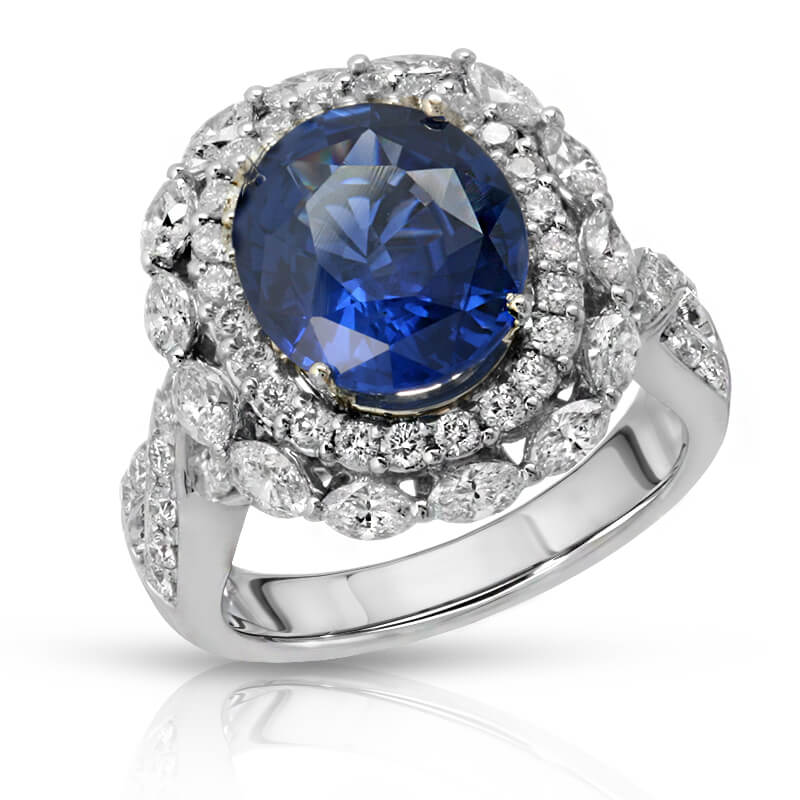
The first factor is product complexity. Jewelry, watches, glassware, chrome, and cosmetics with reflective packaging typically require more lighting control and more post-production. Tiny details, dust cleanup, scratch removal, and accurate sparkle are labor-intensive. That raises the price, and for good reason.
The second factor is the number of final images needed per product. A single front-facing shot costs less than a set that includes front, back, side, detail close-up, scale reference, packaging, and marketplace-specific crops. Many ecommerce brands underestimate this part. The per-image rate may look affordable, but the image count per SKU can expand quickly once your listing requirements are mapped out.
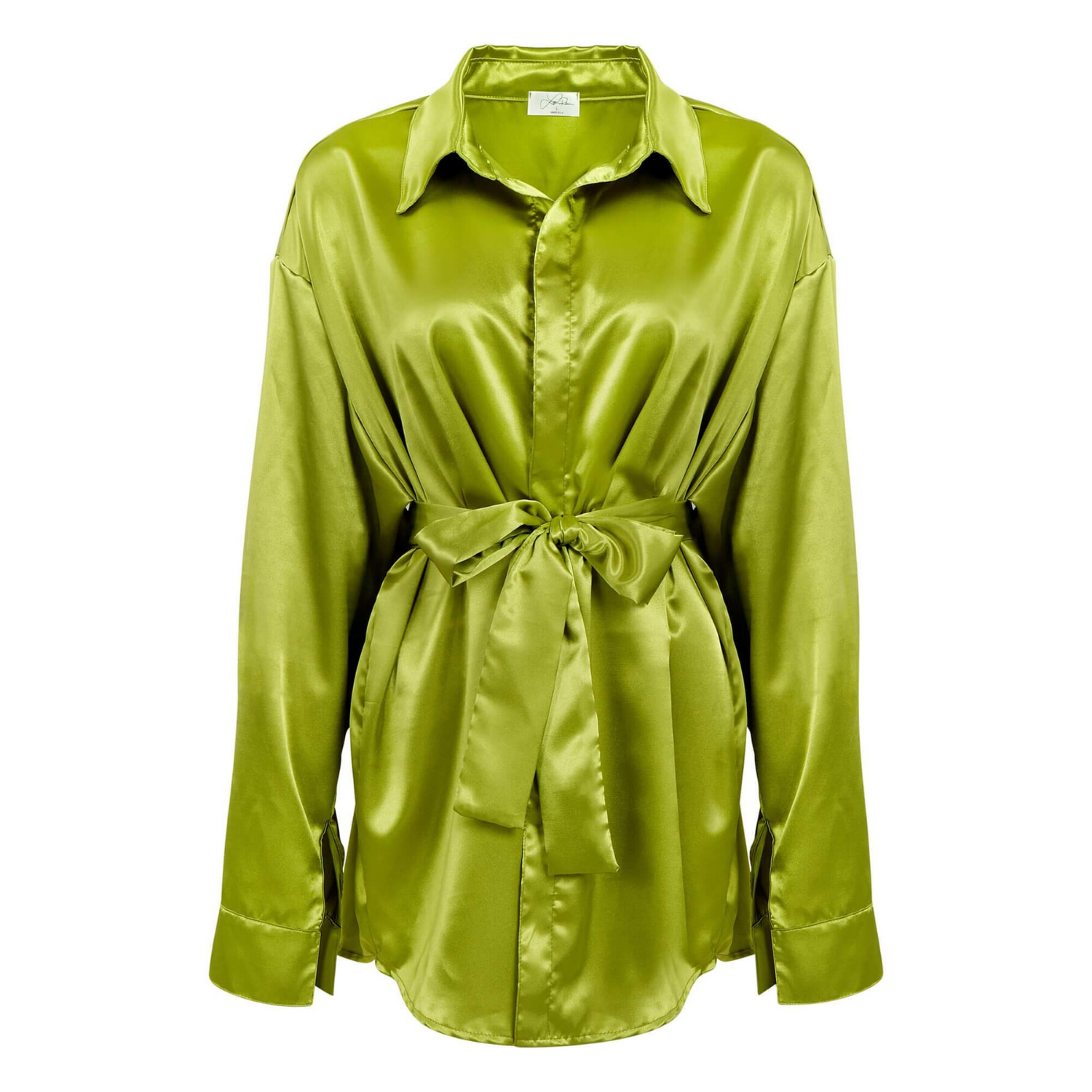
Retouching is another major pricing variable. Basic retouching may include background cleanup, color correction, minor dust removal, and consistent cropping. Advanced retouching can include complex clipping paths, shape refinement, composite work, wrinkle reduction, ghost mannequin effects, shadow rebuilding, or highly polished beauty and jewelry cleanup. When comparing quotes, this is one of the easiest places to misread value. Two studios can quote similar rates, but one may be including much more finished work.
Turnaround time also affects cost. If you need a fast launch for a product drop, seasonal collection, or Amazon listing update, rush scheduling can increase pricing. That does not mean fast service is overpriced. It means studio time, editing capacity, and workflow prioritization have real costs behind them.
Then there is shoot style. Clean white background ecommerce images are usually more efficient than lifestyle scenes, group compositions, or heavily art-directed setups. If your goal is conversion-focused product pages, simple catalog-style photography is often the best use of budget. If your goal is campaign content or brand storytelling, pricing will rise because the process involves more pre-production, styling, and creative direction.
Why the cheapest quote is often the most expensive option
Low prices can be attractive, especially for growing brands managing a tight budget. But there is a difference between affordable and underbuilt. If images come back with poor color accuracy, inconsistent lighting, weak retouching, or marketplace noncompliance, you may end up paying twice.
That second cost shows up in reshoots, listing delays, lost ad efficiency, and internal time spent fixing avoidable problems. For apparel, inaccurate color can drive returns. For jewelry and beauty, weak detail can hurt trust. For Amazon sellers, inconsistent image quality can reduce click performance in crowded search results.
Good ecommerce photography pricing should reflect commercial usefulness. You are not buying images just to fill blank space on a website. You are buying assets that need to support conversion, reduce friction, and present your products at a standard customers expect.
What to ask when reviewing ecommerce product photography pricing
A quote only helps if it is specific. Ask what is included in the per-image or project rate. Does it cover retouching, or is editing billed separately? Are clipping paths included? What kind of background is standard? Are multiple angles quoted individually? Is color correction part of the package? Are royalty-free commercial usage rights included?
It is also smart to ask how the studio handles difficult categories. A team that regularly photographs jewelry, apparel, cosmetics, glass, electronics, or medical products will usually produce stronger work faster because the lighting and retouching challenges are already familiar. That category experience matters. It can improve quality while keeping production efficient.
You should also clarify revision policy and turnaround time. A low quote can lose its appeal if every small adjustment creates added fees or if delivery takes too long for your sales calendar. Reliable execution is part of value.
Ecommerce product photography pricing by product type
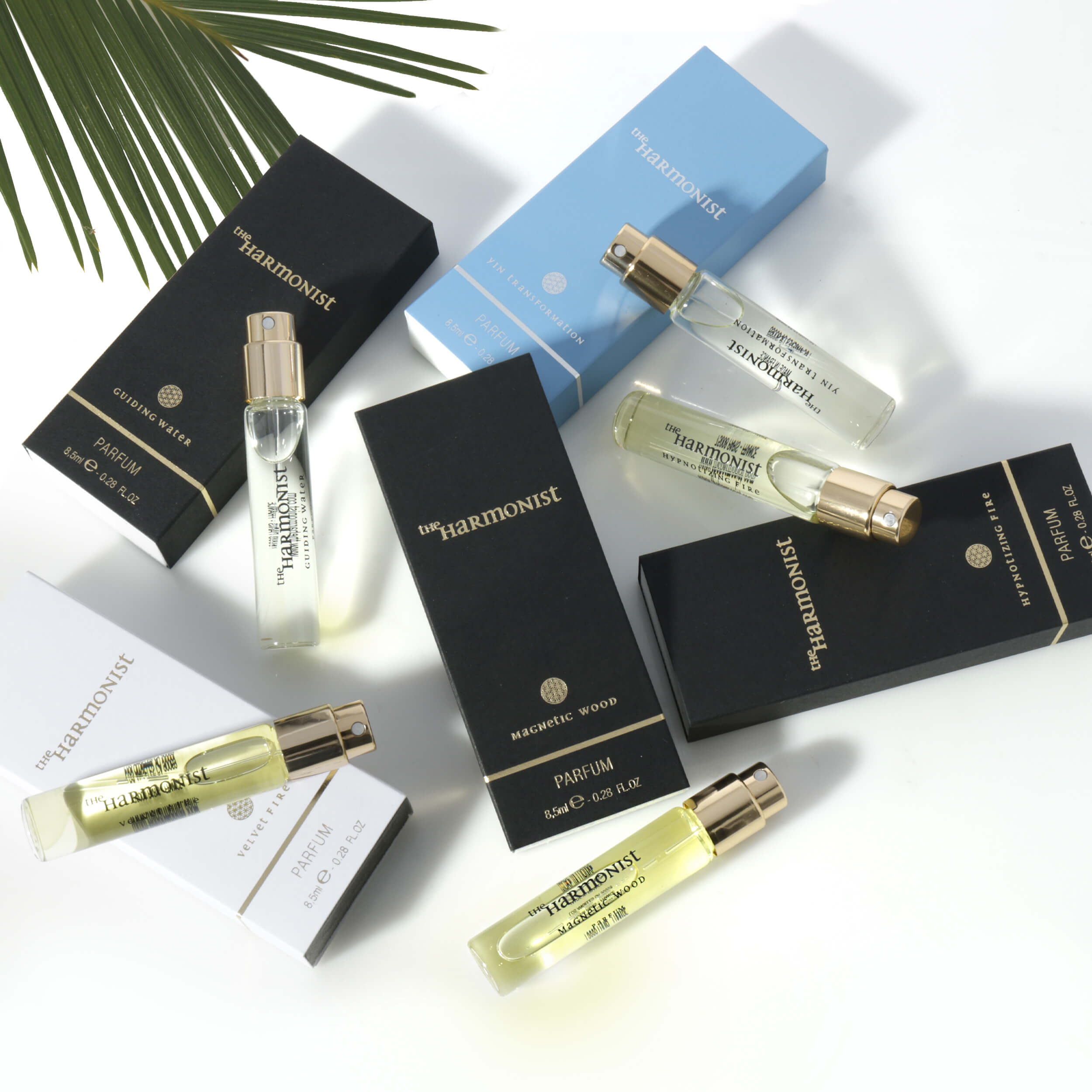
There is no universal price card that fits every brand, but category tends to shape cost expectations. Simple household goods, books, office supplies, or boxed products are usually more efficient to shoot than transparent, reflective, or highly detailed items. Apparel can be straightforward or more involved depending on whether it is flat lay, on-model, or ghost mannequin. Beauty products may look simple at first, but glossy packaging and texture detail often require precision.
Jewelry sits at the higher-skill end because every flaw becomes visible under close inspection. Gemstones, watches, and polished metal surfaces demand careful lighting and patient retouching. If your quote for those categories looks higher, that does not automatically mean it is overpriced. It usually means the production is more specialized.
This is where an experienced studio can protect your budget. Efficient shooting and post-production can keep difficult product categories commercially affordable without sacrificing quality. That balance matters more than chasing the lowest number on paper.
How to budget for photography that scales
If you have a large catalog, think beyond the first shoot. The right pricing model should support ongoing content production as your SKU count grows. That means consistency in lighting, styling, file specs, cropping, and retouching across batches. A scalable process saves time and protects brand presentation.
For many sellers, the most cost-effective approach is to separate must-have ecommerce images from optional creative assets. Start with the core white-background shots your listings need to sell. Then add detail images, alternate angles, or lifestyle work where they will have the biggest sales impact. Not every product needs the same level of production.
Volume can also influence price. If you are sending dozens or hundreds of products, ask whether volume pricing is available. Larger batches often improve production efficiency, which can bring down the per-image cost. The best arrangement is one that gives you predictable quality and a predictable budget.
At Product Photography Studio, that is exactly how many brands keep image production practical – fast turnaround, polished retouching, and pricing that stays accessible as catalogs grow.
The best pricing is the one that supports results
A strong quote should make business sense, not just production sense. If the images help your listings look more credible, improve clicks, and support higher conversion, then the cost is working for you. If the price is low but the output is inconsistent, slow, or weak, the savings disappear quickly.
When reviewing ecommerce product photography pricing, look at the full picture: image quality, category expertise, retouching standards, delivery speed, usage rights, and how well the studio understands selling online. The right partner should make your products look ready to compete, not just ready to upload.
The most useful way to think about pricing is this: every image should earn its place in your catalog. When the photography is done well, it does more than show the product – it helps sell it.