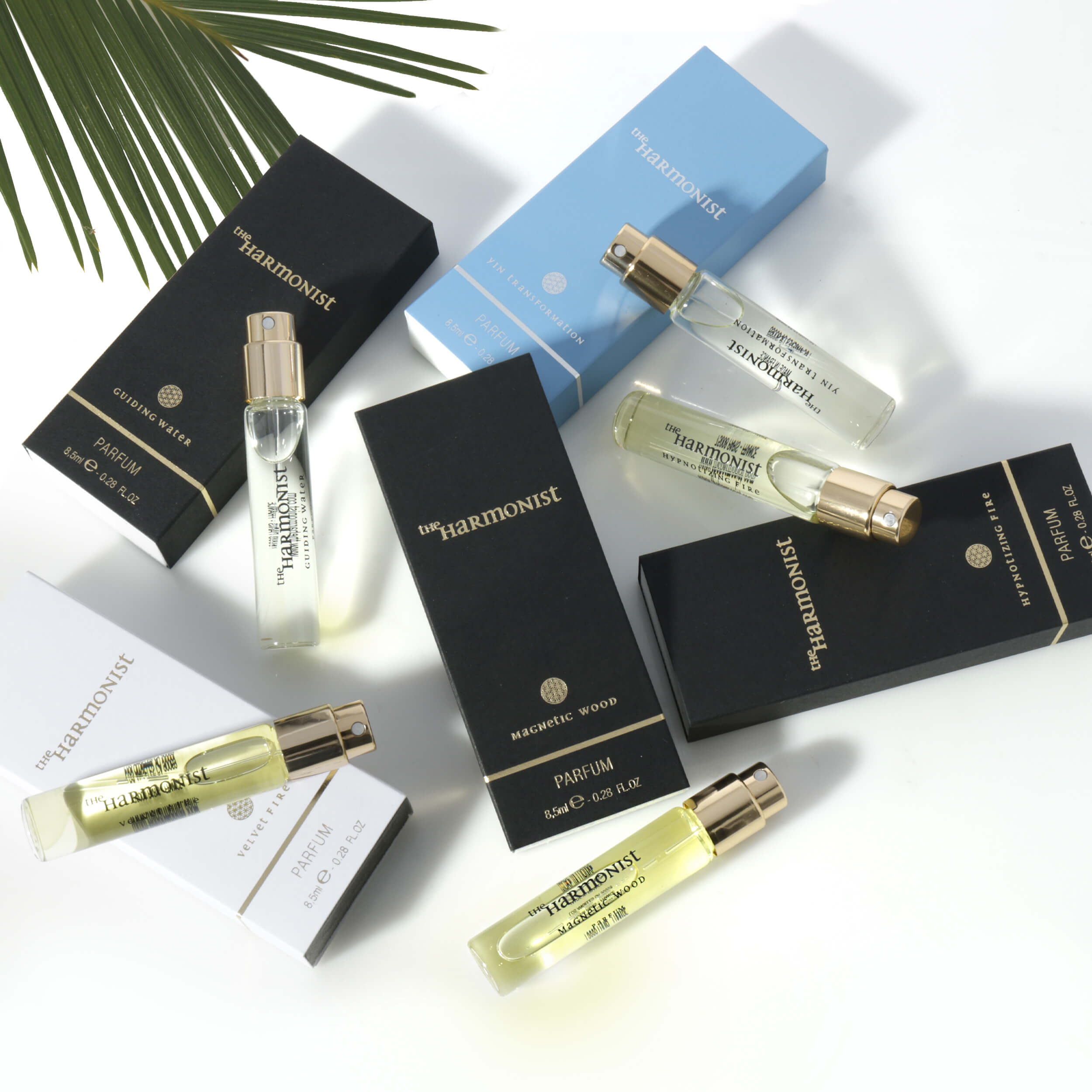
A product can be well made, competitively priced, and ready to ship, yet still lose the sale in the first second of a customer’s scroll. A commercial photo studio turns that first impression into a sales asset with clean lighting, accurate color, sharp detail, and consistent presentation across every listing.
For ecommerce brands, Amazon sellers, and retail teams, professional product photography is not simply a creative expense. It is part of the product page. Images answer the questions shoppers have before they read a description: What does it look like? How large is it? What is the finish? Can I trust this brand? When those answers are clear, customers are more likely to click, stay, and buy.
What a Commercial Photo Studio Should Deliver
A commercial photo studio is built to photograph products for business use, from ecommerce listings and Amazon galleries to catalogs, advertising, lookbooks, packaging, and print. The goal is not just to make an item look attractive. The goal is to create images that meet the technical standards of each sales channel while presenting the product honestly and professionally.
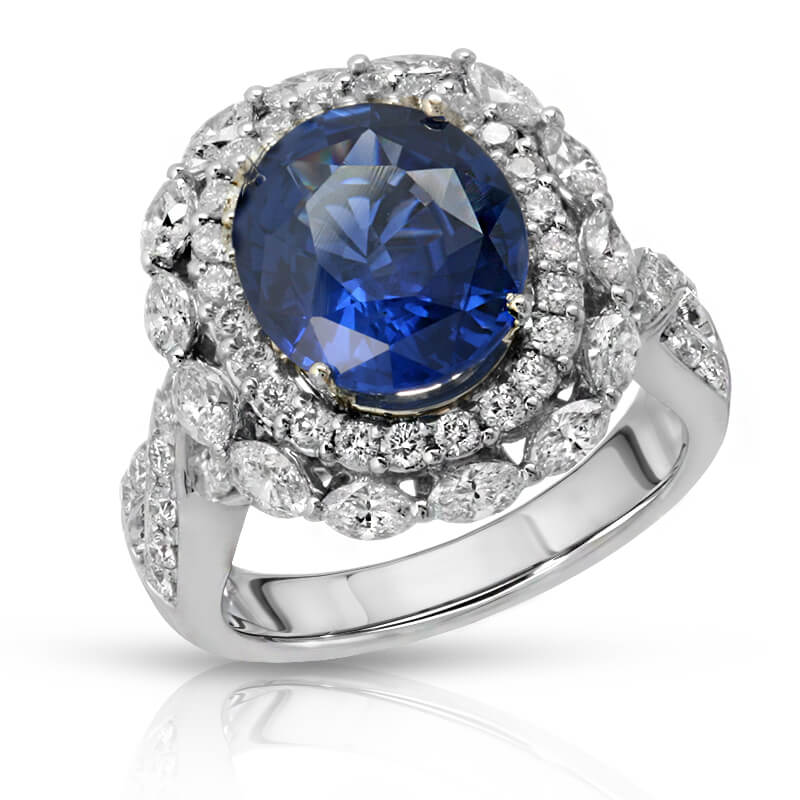
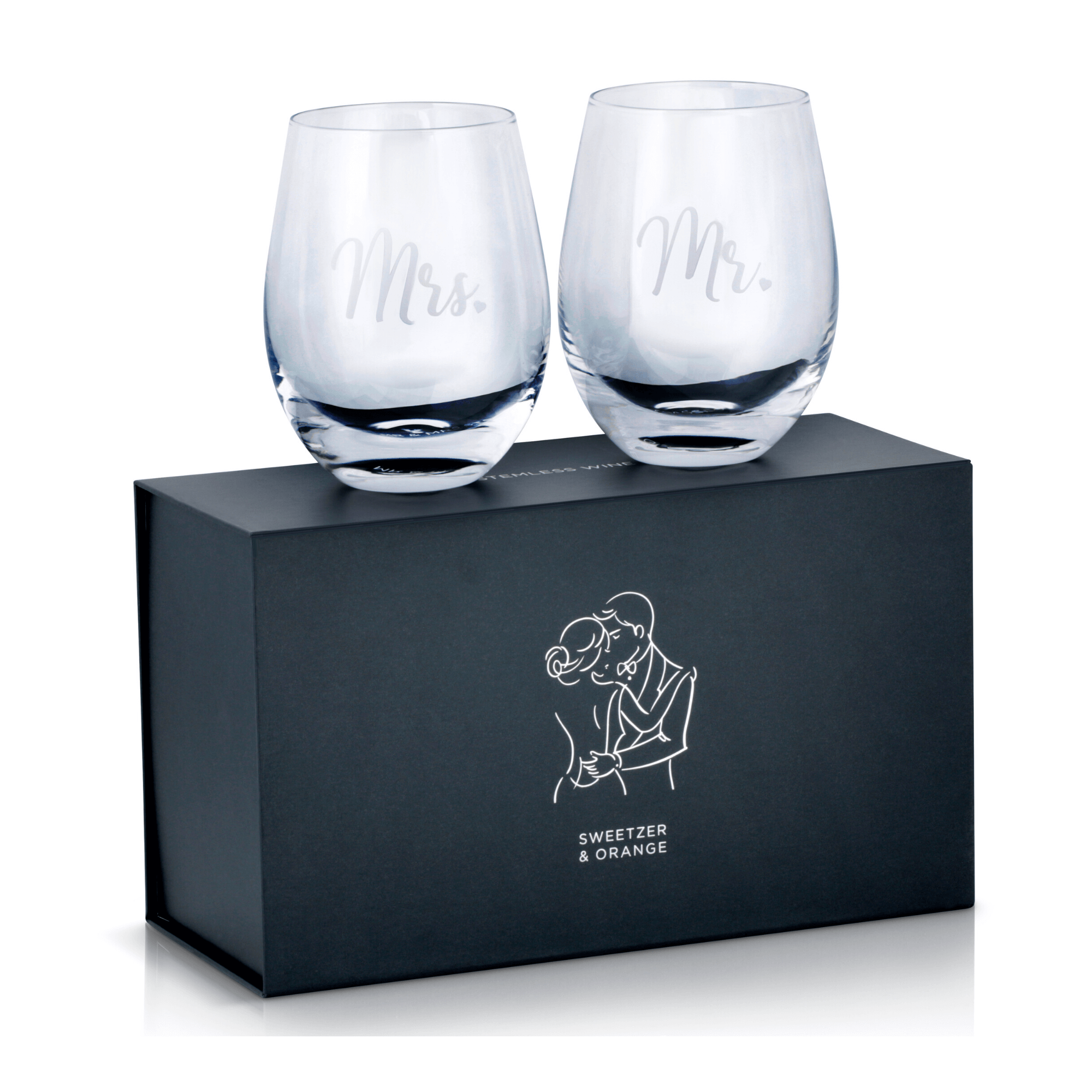
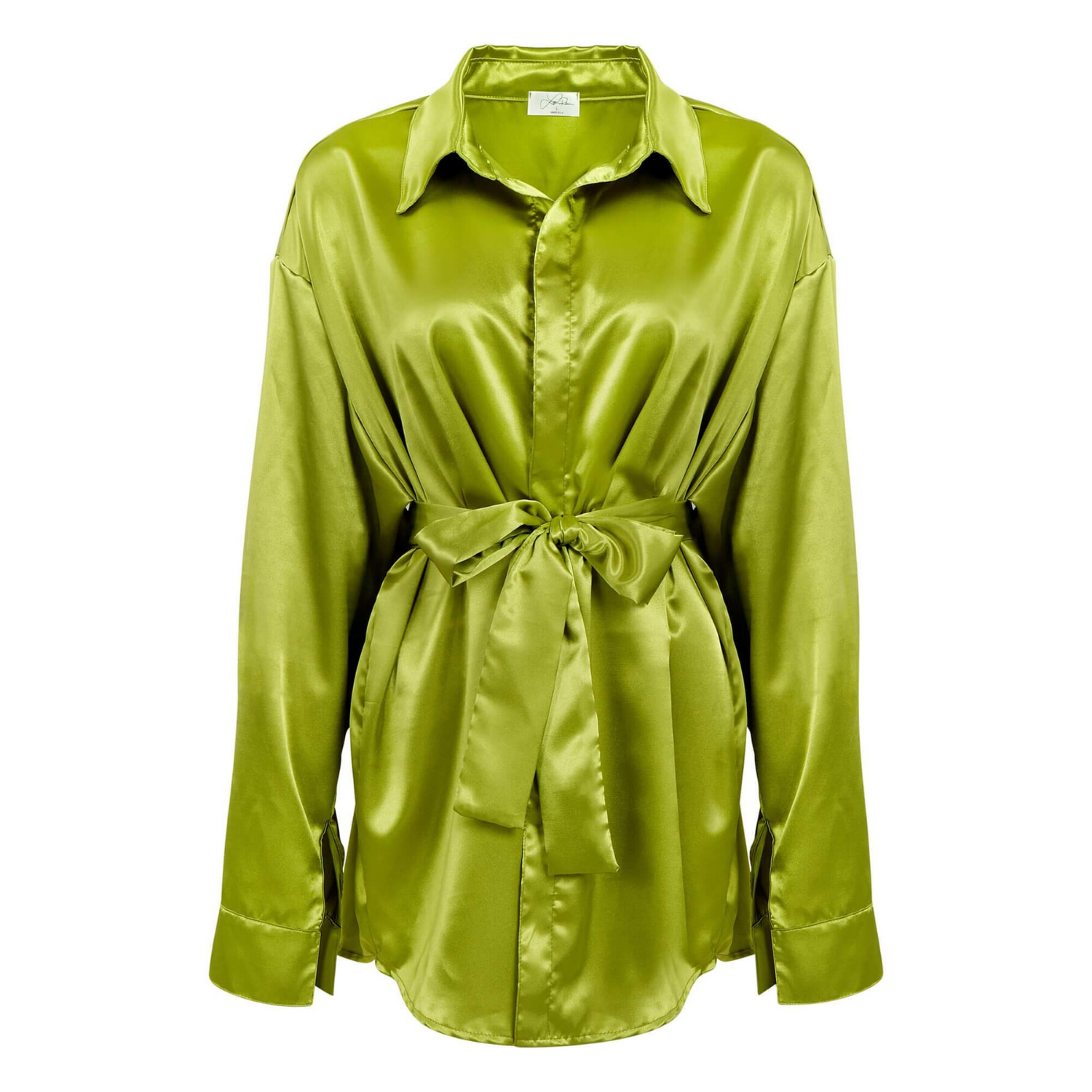
That requires more than a camera and a white backdrop. Different products demand different lighting, styling, lens choices, and retouching decisions. Jewelry needs controlled reflections and precise detail. Apparel needs reliable color and shape. Glassware needs highlights that define its edges without distracting glare. Cosmetics need polished texture without making the product look artificially altered.
The right studio brings a repeatable process to those details. That consistency matters when you are launching a collection, refreshing dozens of SKUs, or maintaining one visual standard across marketplaces and your own storefront.
Why Product Images Affect Sales Performance
Online customers cannot pick up a product, inspect its materials, or compare its scale in person. Your images have to do that work. Weak photos create hesitation: shadows hide details, inaccurate color leads to returns, and inconsistent framing makes a catalog feel less trustworthy.
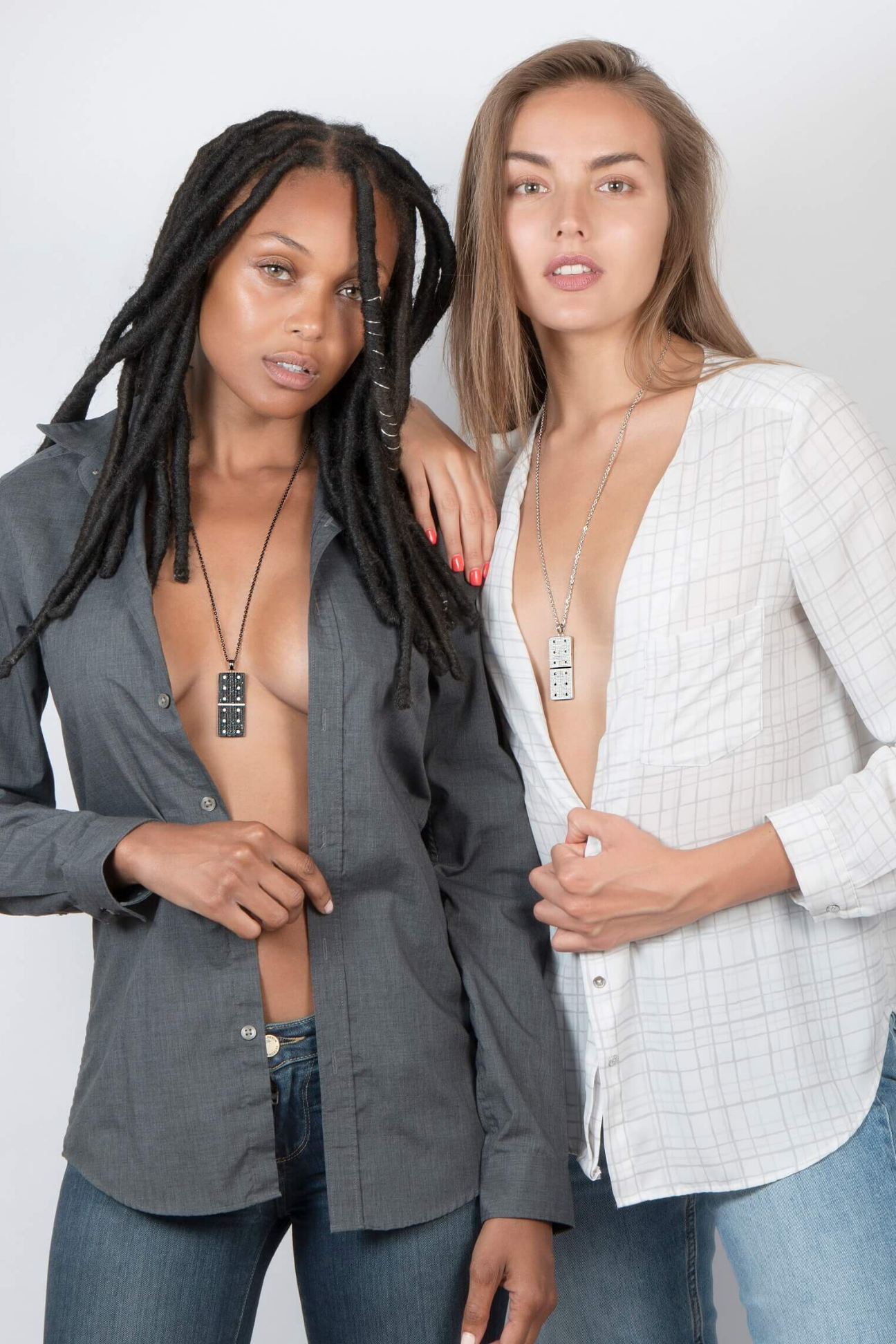
Strong photography helps remove friction. A clear hero image earns attention in search results. Additional angles show construction, texture, closures, controls, or product features. Detail shots support premium pricing by showing craftsmanship. Lifestyle or in-use images help shoppers picture the product in their own routine.
The mix depends on the category and the sales channel. An Amazon listing may need a compliant main image on pure white, followed by infographics and detail views. A fashion brand may prioritize ghost mannequin, flat lay, on-model, and editorial images. A wholesale catalog often needs uniform angles, dimensions, and color treatment across the entire range.
There is a trade-off between creative range and production efficiency. A highly styled set can add impact, but it also requires more planning, props, approvals, and budget. For many growing brands, clean, high-volume product photography delivers the fastest return because it improves every listing without slowing down launches.
The Details That Separate Professional Work From Basic Photos
Professional product imagery often looks simple because the technical work is controlled. A pure-white background must still preserve the edges of a white bottle, silver watch, or clear glass container. A black product must retain shape and texture rather than becoming a flat silhouette. Reflective materials need deliberate light placement to look clean without showing unwanted studio reflections.
Color accuracy is equally important. A customer who orders a navy garment and receives something that appears much brighter or warmer than the listing image may return it, even if the product itself is correct. For apparel, beauty products, home goods, and branded packaging, accurate color is part of customer confidence and brand consistency.
Retouching should improve the final image without changing the product. Dust, minor surface marks, thread inconsistencies, and temporary packaging flaws can be cleaned up. At the same time, the work should not erase genuine material characteristics or create a misleading finish. The best post-production is careful enough that customers see the product at its best, not a version that does not exist.
High-resolution delivery also gives marketing teams flexibility. The same photographed asset may be used in a product page, marketplace gallery, email campaign, social post, print catalog, or retail presentation. Receiving properly prepared files saves time and prevents repeated reshoots as your marketing needs expand.
How to Prepare Products for a Commercial Photo Studio
A smooth shoot starts before products arrive at the studio. Clients who prepare a clear shot plan tend to receive more usable images with fewer rounds of questions or revisions. You do not need to overcomplicate the brief, but the essentials should be decided before production begins.
For larger projects, provide these five items:
- A complete SKU list with product names, colors, sizes, and quantities
- Reference images or examples of the visual style you want
- Required angles, detail shots, and any feature callouts
- The intended use, such as Amazon, Shopify, catalog, print, or advertising
- Any deadlines tied to launches, seasonal campaigns, or retailer submissions
Products should arrive clean, complete, and ready to photograph. Include accessories, chargers, inserts, replacement parts, and packaging when they are meant to appear in the images. For apparel, send each size or colorway needed and identify the hero sample if one item has the best fit or finish.
If your products require assembly, steaming, styling, or special handling, mention that early. Watches may need a particular time displayed. Beverage labels may need to face a specific direction. Jewelry may require careful positioning to show stones, clasps, and scale. These details are small, but they prevent delays and help the studio produce images that are ready for approval.
Choosing the Right Image Types for Your Products
The first image should be designed for the place where shoppers discover the item. In most ecommerce settings, that means a clear, uncluttered hero image that makes the product immediately recognizable. It should not force the customer to guess what is included or where to look.
After the hero image, build a gallery that answers buying questions in the order they arise. Show alternate views, close-ups, scale, texture, components, and packaging when relevant. A handbag may need front, side, interior, hardware, and on-model views. A skincare product may need front and back packaging, texture, size comparison, and a product-in-use image. An electronic device may need ports, screen details, included accessories, and real-world context.
Not every item needs the same number of images. Lower-priced, simple products often benefit from a streamlined gallery that communicates quickly. Premium, technical, or highly detailed products usually need additional visual proof. The best approach is based on what customers need to understand before purchasing, not on filling every gallery slot.
Speed, Pricing, and Scale Matter
Brands often delay photography because they assume professional production is slow or reserved for large companies. That assumption can keep new listings from going live and leave existing products represented by inconsistent supplier images or quick phone photos.
A studio process should make it easier to scale. Clear per-image pricing, organized intake, fast turnaround, and defined retouching standards help brands budget accurately and move products into market without unnecessary production overhead. Affordable image pricing can be especially valuable for sellers with broad catalogs, frequent launches, or seasonal inventory.
At Product Photography Studio, projects are built around commercially usable, high-resolution product images with professional retouching and royalty-free usage rights. Pricing can start as low as $12 per image, making professional presentation more accessible for brands that need quality at volume.
Fast delivery should never mean careless work. The practical goal is an efficient workflow that protects accuracy: confirm the shot list, photograph consistently, apply professional post-production, and deliver files prepared for the intended channel. When that process is reliable, marketing teams can plan campaigns with more confidence.
Build a Visual Standard Before Your Catalog Gets Bigger
The best time to establish photography standards is before your catalog becomes difficult to manage. Decide how products should be cropped, how much shadow is appropriate, which angles are required, how colors will be handled, and where lifestyle photography fits into your content plan. Those decisions create a recognizable brand experience even when customers move from one product category to another.
A commercial photo studio can help turn that standard into a repeatable production system. Start with the products that matter most – your best sellers, new launches, or listings with weak conversion – then use the approved look as the model for the rest of your catalog. Better images give every product a stronger chance to earn the click it deserves.