A product listing can lose a sale before a customer reads the first bullet point. Blurry edges, uneven lighting, inaccurate color, and inconsistent angles make a product feel less credible. That is why product photography pricing should be evaluated as a sales investment, not just a production expense. The right images help shoppers understand what they are buying, build trust faster, and create a more polished brand presence across ecommerce, Amazon, catalogs, and print.
For many brands, professional photography starts as low as $12 per image. The final price depends on the product, the image requirements, the quantity, and the level of retouching needed to create a finished commercial asset. A clear quote should show what is included and help you compare production value, not simply the lowest number on a spreadsheet.
What Determines Product Photography Pricing?
There is no single rate that fits every product. A white-background image of a boxed office supply has different production needs than a reflective watch, a sheer garment, or a cosmetic bottle with metallic lettering. The most accurate pricing accounts for the work required before, during, and after the shoot.
Product type and handling requirements
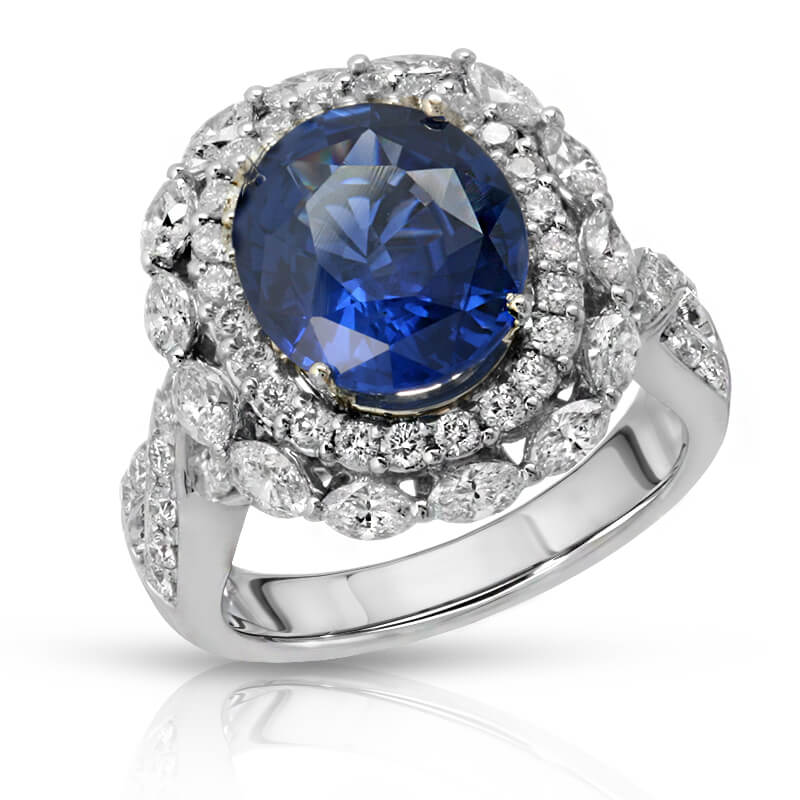
Some products are simple to position and photograph. Others require specialized lighting, careful styling, product preparation, or additional time to control reflections. Jewelry, gemstones, glassware, watches, polished electronics, and beverages often need more detailed lighting setups because every unwanted reflection can appear in the final image.
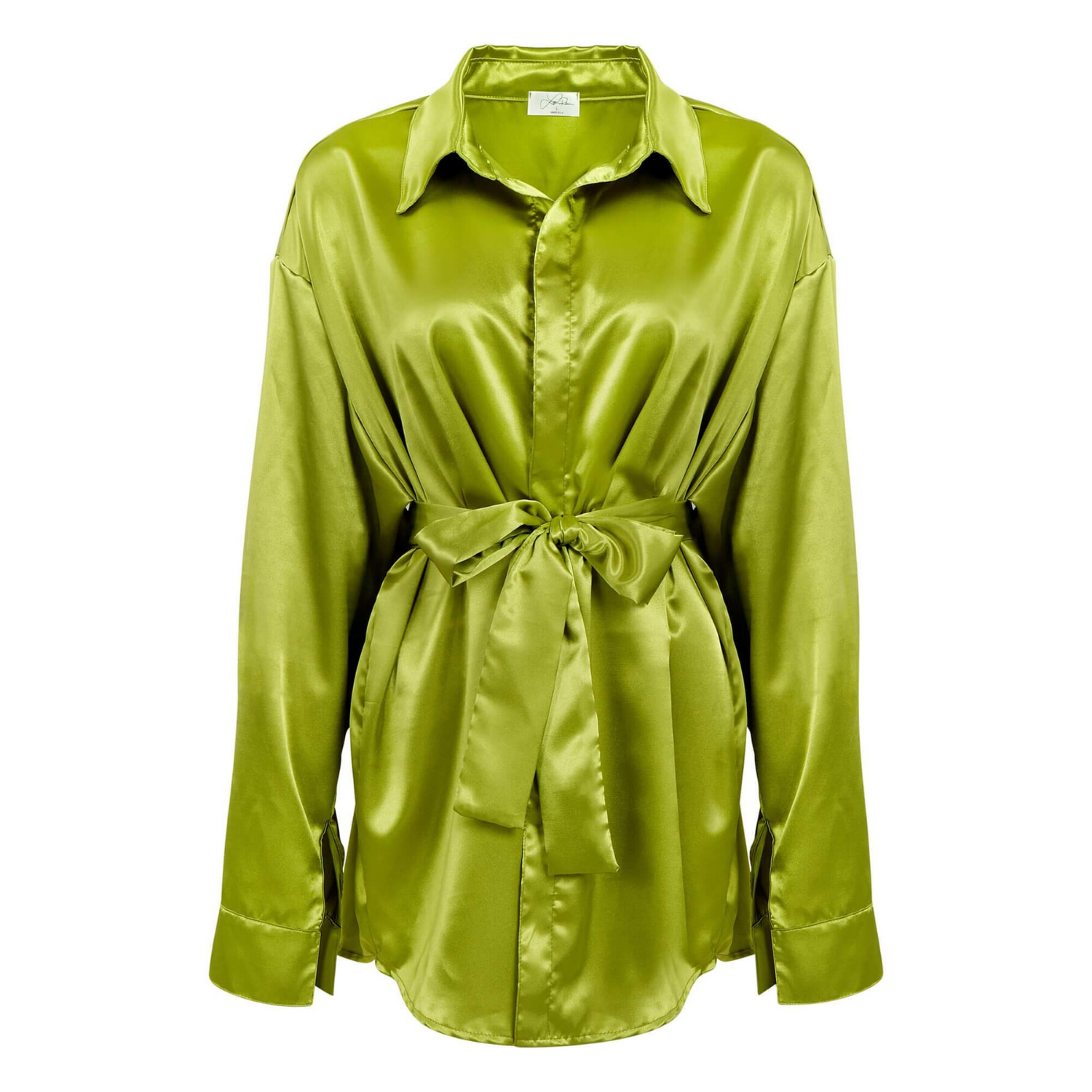
Apparel pricing can also vary based on the requested presentation. A flat lay, ghost mannequin image, folded garment, or model photography setup each requires a different workflow. Color accuracy is especially important for apparel and beauty products, where an image that looks attractive but misrepresents the actual color can lead to returns and dissatisfied customers.
Number of images and angles
A single hero image may be enough for a basic marketplace listing, but shoppers often need multiple views before they feel ready to buy. Front, back, side, detail, packaging, scale, and feature images answer different questions. More images typically increase the total project cost, yet they can lower the cost per image when products are photographed in volume.
This is where a per-image price becomes more useful than a vague project estimate. It allows a growing seller to plan a launch of 20 SKUs, while a larger brand can budget for hundreds of consistent catalog images. Volume creates efficiency when products can be shot in the same session with similar lighting and output requirements.
Background, styling, and visual complexity
Clean white-background photography is a standard choice for Amazon, ecommerce marketplaces, and product catalogs because it keeps the product clear and consistent. Lifestyle photography, creative sets, props, hands, food styling, or custom backgrounds require more planning and production time.
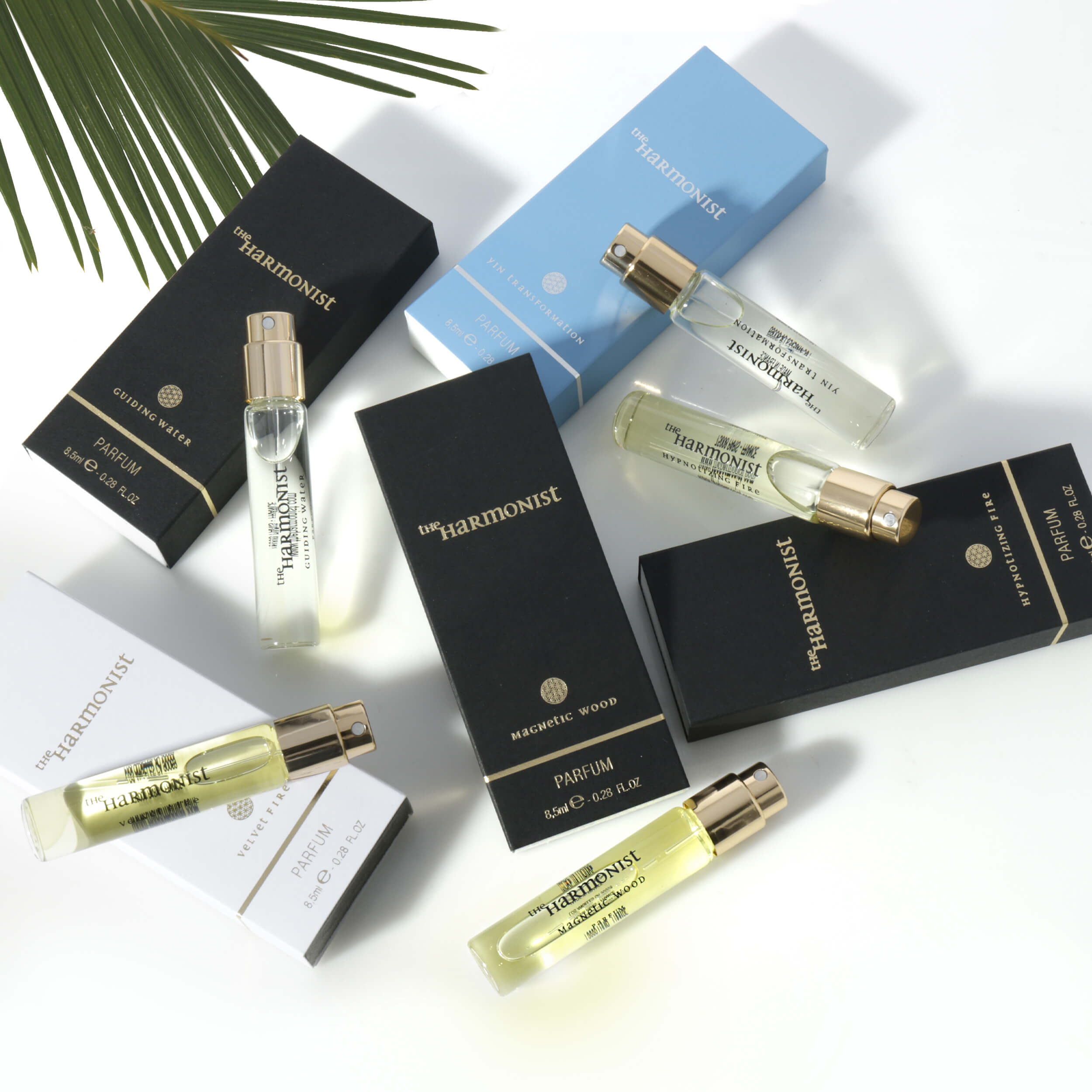
Neither option is automatically better. White-background images are usually the foundation of a strong product listing. Lifestyle images add context, show scale, and support brand storytelling. A skincare bottle may need a crisp main image for the product page, then a styled image that communicates texture, ingredients, or a premium routine. The most effective approach depends on where the image will appear and what the customer needs to see.
Retouching and post-production
Professional retouching is not an optional finishing touch. It is part of what turns a studio capture into an image ready for commerce. Retouching can include dust cleanup, scratch removal, color correction, background cleanup, shape adjustments, label alignment, reflection control, and consistent cropping.
The goal is not to make the product look unreal. The goal is to present it accurately and at its best. Over-retouching can create color problems, misleading finishes, or an image that does not match the item the customer receives. Commercial retouching should protect product accuracy while removing distractions that do not belong in a sales image.
How to Compare Product Photography Pricing Quotes
When comparing quotes, check the deliverables before comparing the total. A low rate may exclude retouching, high-resolution files, alternate angles, color matching, or usage rights. Those additions can quickly change the real project cost.
Ask whether the price includes final, retouched images or only basic captures. Confirm the file size and format needed for your website, marketplace, print piece, or ad campaign. If you sell on Amazon, make sure your requested image dimensions and background requirements are considered from the start. Resizing a poorly prepared image later does not improve its quality.
Usage rights also matter. Product Photography Studio provides royalty-free usage rights, giving clients the flexibility to use final imagery across ecommerce listings, social content, catalogs, advertising, and other commercial channels without worrying about repeated licensing charges. For a business building a long-term product library, that clarity has real value.
Turnaround time is another practical comparison point. A lower quote is less useful if your launch date, retailer deadline, or inventory arrival requires images quickly. Fast delivery should not mean rushed lighting or incomplete retouching. It should mean the studio has an organized workflow that can move products from intake to final files efficiently.
The Cost of Using Weak Product Images
Many businesses try to save money by photographing products in-house with inconsistent lighting, phone images, or a quick background removal service. That may work for early tests or internal documentation, but it can become expensive when it limits conversion, creates a fragmented storefront, or requires a full reshoot later.
Weak images often create hidden costs. Customers may not understand the product size, finish, texture, or included components. Marketing teams spend extra time trying to crop, edit, and repurpose files that were never built for multiple channels. A brand may also struggle to maintain visual consistency as new products are added over time.
Professional imagery gives each product a repeatable visual standard. This is particularly valuable for brands with expanding collections, seasonal launches, or multiple sales channels. When every item is photographed with consistent lighting, camera angles, margins, and retouching, the catalog looks organized and more trustworthy.
Choosing the Right Image Plan for Your Products
The best photography plan starts with the buyer journey. Consider what a customer needs to know before clicking Add to Cart. A simple household item may need a clean main image, a scale shot, and a detail of the key feature. A jewelry listing may need close-up images that show the setting, stone detail, clasp, and overall proportions. A beauty product may need front and back label views, texture imagery, and a lifestyle image for marketing.
Start with the images that directly support the product page. Then identify which additional assets will serve ads, email campaigns, social media, retailer submissions, and print. Planning this before the shoot is more cost-effective than requesting new angles after the products have been returned or the set has been broken down.
For large inventories, group products by size, material, and photography style. Similar products can often be photographed more efficiently in the same production run. If your catalog includes both standard white-background images and creative lifestyle content, it may make sense to schedule those as separate portions of the project. That keeps the core ecommerce deliverables moving quickly while allowing more time for styled visuals where they have the greatest sales impact.
Get a Quote Built Around Your Actual Needs
A useful quote begins with a few practical details: product quantity, product category, dimensions, desired number of angles, background style, and intended use. Sharing reference images is helpful when you have an established look or need to match an existing catalog. If color is critical, say so upfront, especially for apparel, cosmetics, paint, textiles, and branded packaging.
It also helps to be clear about your deadline. A studio can recommend the most efficient approach when it understands whether you need a rapid marketplace launch, a full seasonal collection, or a print-ready campaign. The goal is not to pay for unnecessary complexity. It is to get the right level of production for images that make the product easier to trust and easier to buy.
The strongest product photography pricing is transparent, scalable, and connected to commercial results. Choose a photography partner that can deliver polished, high-resolution images at a price that works for your catalog, then give every product the presentation it needs to earn the click.