A shopper sees your main image before they read a title, compare features, or consider your price. That makes an Amazon photography service a sales asset, not a finishing touch. Clean, accurate, professionally retouched product photography gives buyers the confidence to click, understand what they are buying, and move forward without hesitation.
For Amazon sellers, the standard is high and the margin for error is small. A weak hero image can disappear in a crowded search page. Inconsistent colors can create returns. Missing detail shots can leave buyers with questions that a competitor answers in one glance. The right image set does more than make a listing look polished. It helps your product compete.
What Amazon Product Images Need to Accomplish
Amazon images have to work hard in limited space. Your main image needs to stand out at thumbnail size while staying within marketplace requirements. Supporting images need to explain size, materials, features, use cases, and what makes your product different. For many products, that also means showing scale, packaging, textures, closures, components, or color options.
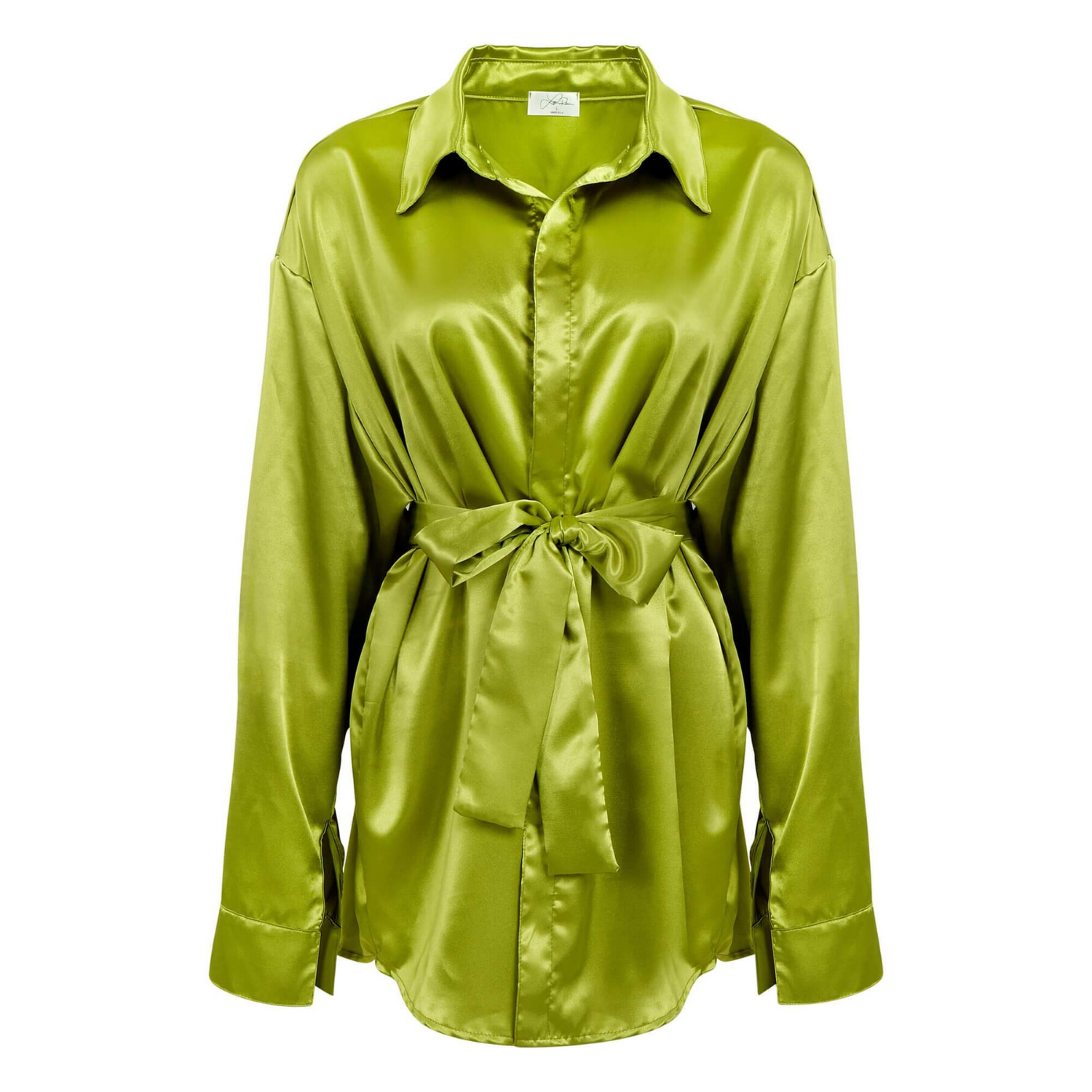
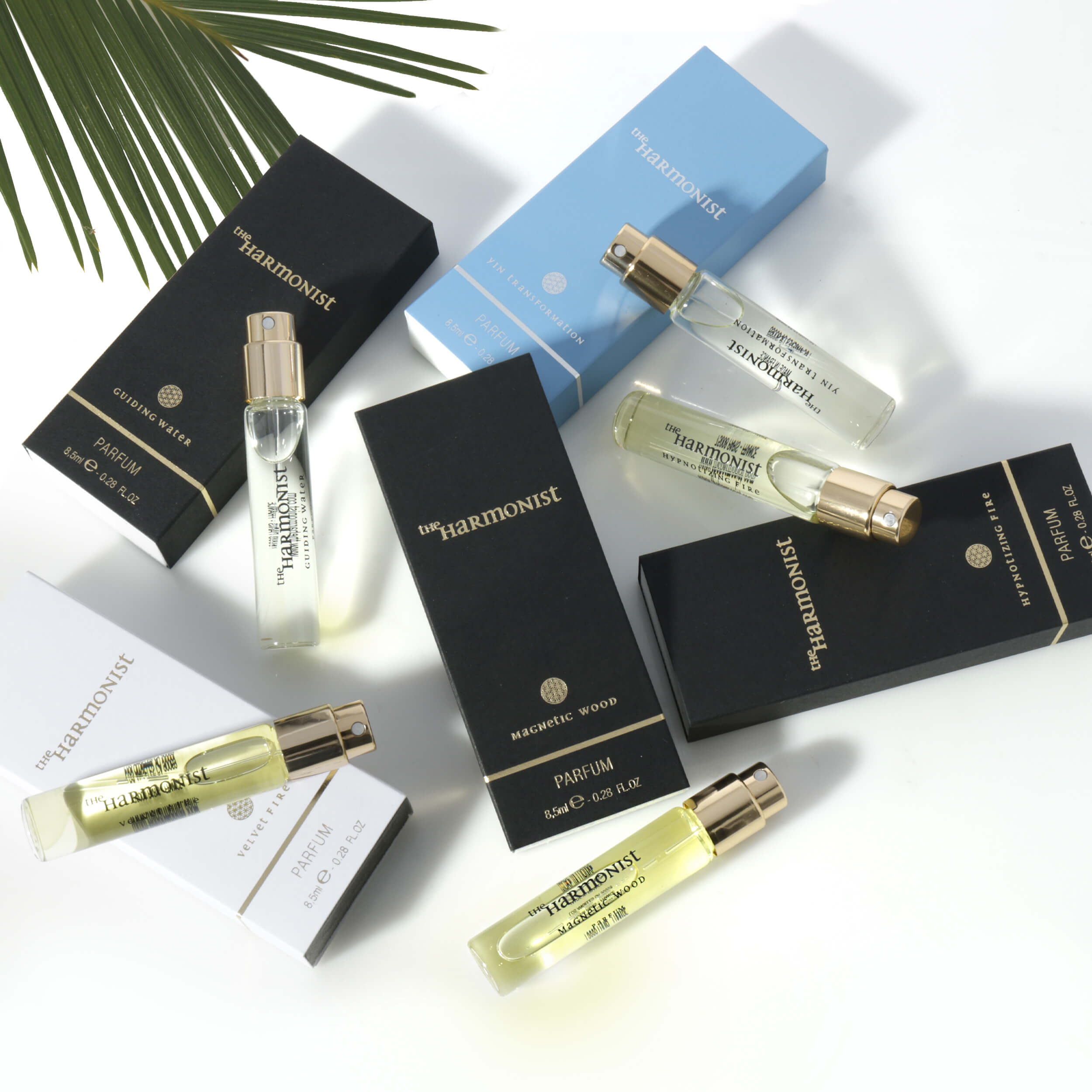
Photography should be built around the buyer’s decision process. A shopper looking at a watch wants to see the dial, finish, band, clasp, and case profile. Someone shopping for skincare wants clear packaging, readable labels, product texture, and a sense of size. An apparel customer needs color accuracy, fit context, and enough angles to understand construction. One generic approach will not produce the same results across these categories.
The main image is usually the first priority. It should present the product clearly on a clean white background, with careful lighting, proper cropping, and natural-looking shadows only when appropriate. It must look premium without becoming overly stylized or difficult to read at a small size. Amazon’s requirements can change by category and marketplace, so sellers should verify current rules before finalizing a listing.
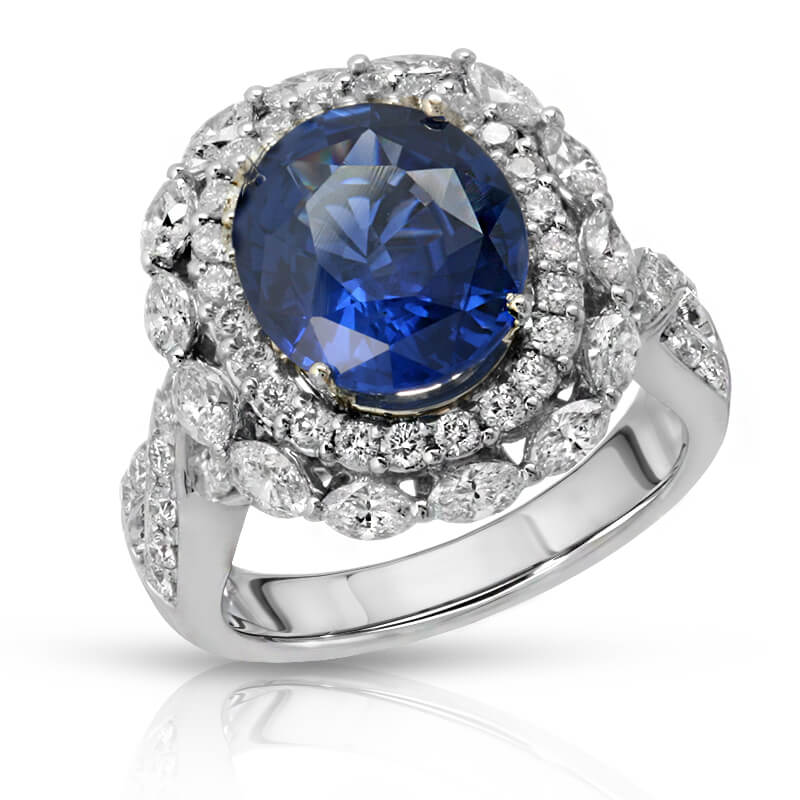
Supporting images create the selling story. They may include alternate views, close-up details, lifestyle use, dimensions, comparison graphics, or feature callouts. The best mix depends on the product and its price point. A simple office supply may need a clear hero image, scale reference, and feature detail. A premium jewelry item may require multiple precision angles and close-ups that show metal finish, gemstone detail, and craftsmanship.
Why Professional Amazon Photography Pays Off
Professional photography brings control to the details shoppers notice, even when they cannot name them. Lighting defines shape. Accurate exposure preserves white packaging and reflective surfaces. Retouching removes dust, scratches, loose threads, label imperfections, and distracting reflections. Color management keeps products consistent across a catalog.
These details directly affect perceived value. A beauty product photographed with flat lighting can look inexpensive, even when its formulation and packaging are high quality. A beverage bottle with uncontrolled glare can hide the label. Jewelry without precise light placement can look dull instead of dimensional. Professional image production is about presenting the actual product at its best, not making promises the product cannot fulfill.
It also saves internal time. Many brands start by trying to photograph products in-house. That can work for quick content or basic inventory records, but commercial listing images require equipment, lighting knowledge, styling, retouching, file preparation, and repeatable processes. Once a catalog grows, the cost of doing it inconsistently becomes clear. Products look mismatched, reshoots pile up, and listing launches slow down.
A dedicated studio can produce consistent image standards across new releases, replenished inventory, seasonal colors, and product variations. That consistency matters when buyers move from one listing to another and when retailers, catalogs, advertising campaigns, and your own website need the same polished visual foundation.
Choosing an Amazon Photography Service
Price matters, but the lowest per-image quote is not always the lowest total cost. Ask what is included before comparing providers. A useful quote should clarify the number of final images, background treatment, retouching level, file size, revisions, turnaround time, and whether usage rights are included. A low starting price can become expensive if basic cleanup, alternate angles, or web-ready files are treated as add-ons.
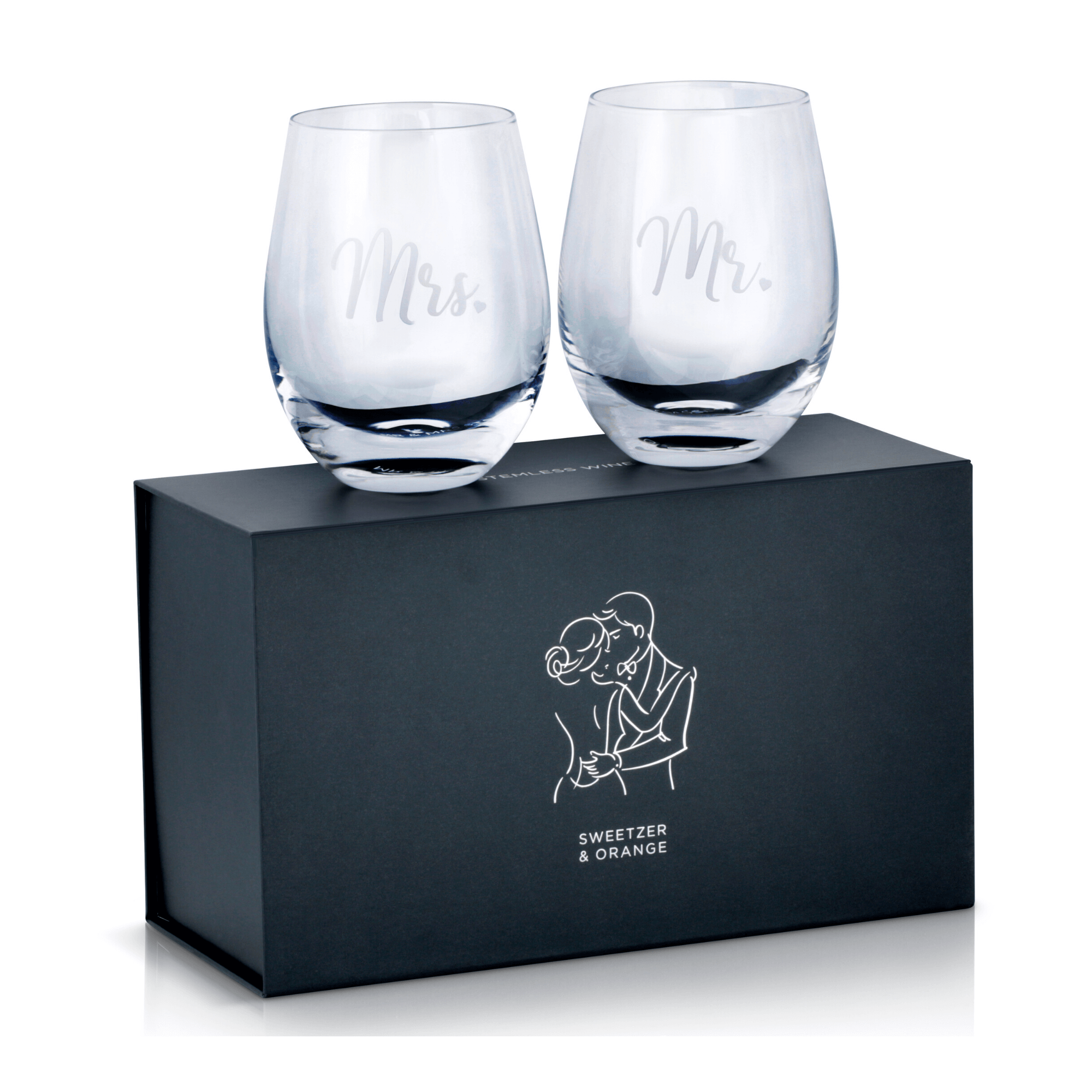
Category experience matters just as much. Reflective products such as watches, glassware, electronics, and metal accessories require lighting techniques that prevent harsh glare while maintaining shape and texture. Apparel requires color-accurate handling and careful preparation. Cosmetics need clean label presentation and attention to finishes ranging from glossy to matte. Medical and technical products often need clear visual documentation of components and function.
Look for a studio that asks practical questions before the shoot. What marketplace are you selling in? Which image is intended as the main image? Are there product variations? Do you need infographics, lifestyle scenes, or only white-background photography? Is packaging included? Are there exact color references or brand guidelines? These questions reduce surprises and produce images that support your listing strategy.
Turnaround is another business consideration. Launch dates, restocks, promotional calendars, and retailer deadlines do not wait for a long production cycle. Fast delivery is valuable when it does not come at the expense of detail. The right partner should be able to explain the workflow clearly, from product intake and shot planning through retouching and final file delivery.
Build the Right Image Set for the Product
Not every listing needs the same number or type of images. More images only help if each one answers a new question. Repeating nearly identical angles wastes space that could show a feature, scale reference, product-in-use view, or material detail.
Start with the product’s strongest visual benefit. For a kitchen tool, that may be the functional design and how it fits in the hand. For a handbag, it may be structure, interior organization, hardware, and scale. For a supplement, it may be packaging clarity, serving information, and size. For a toy, it may be included pieces, dimensions, and age-appropriate use.
Lifestyle photography can be especially effective when a product’s value is easier to understand in context. It helps a buyer imagine ownership. However, it should not replace the clear product views that answer basic buying questions. A lifestyle image that is attractive but hides the product is less useful than a simple, precise angle that reveals its construction.
Graphic callouts can also help, provided they remain readable and accurate. Keep text concise. Use them to clarify a measurable feature, compatible device, material, capacity, or product benefit that photography alone cannot communicate. Avoid overcrowding images with claims, badges, and tiny copy. Mobile shoppers need immediate clarity.
Prepare Products Before They Reach the Studio
Better preparation leads to faster, more cost-effective photography. Send final production samples whenever possible, not prototypes with cosmetic differences. Include every component that should appear in the listing, such as inserts, caps, chargers, straps, cases, or packaging. If a product is sold in multiple colors or sizes, label each variation clearly.
Products should arrive clean and ready to photograph. Remove retail stickers unless they are part of the final sale presentation. For apparel, inspect for wrinkles, loose threads, missing buttons, and uneven folds. For glass, metal, and high-gloss packaging, clean fingerprints carefully before shipping. A studio can retouch many small issues, but preparation reduces editing time and helps preserve the natural quality of the product.
Provide a short shot list with priorities. It does not need to be complicated. Identify the main image, must-have angles, critical details, and any image references that demonstrate the look you want. If brand consistency matters across a growing catalog, share packaging samples, previous approved images, color references, and image dimensions. Clear direction at the beginning prevents costly revisions later.
Make Image Quality Part of Your Listing Strategy
Photography cannot fix an uncompetitive product, misleading claims, or a poorly written listing. It can, however, make the real value of a strong product visible quickly. That is where it has the greatest commercial impact. Your images should align with your title, bullets, A+ content, pricing, and customer expectations rather than operating as a separate creative project.
Think about the point where buyers hesitate. Are they unsure about size? Show scale. Are they questioning material quality? Include a close-up. Do they need to see how a part opens, attaches, or functions? Photograph that interaction. Are color variations causing confusion? Use consistent lighting and accurate retouching across every variation. Good product imagery anticipates questions before they become reasons to leave the page.
For growing sellers, a repeatable photography process is a competitive advantage. Product Photography Studio creates high-resolution, retouched commercial images for Amazon sellers and ecommerce brands, with pricing available as low as $12 per image and royalty-free usage rights. The goal is straightforward: give every product a polished presentation that supports clicks, confidence, and sales.
When your next product is ready to launch, do not treat photography as the final box to check. Plan the image set early, send a clean final sample, and invest in the views that make a buyer’s decision easier.