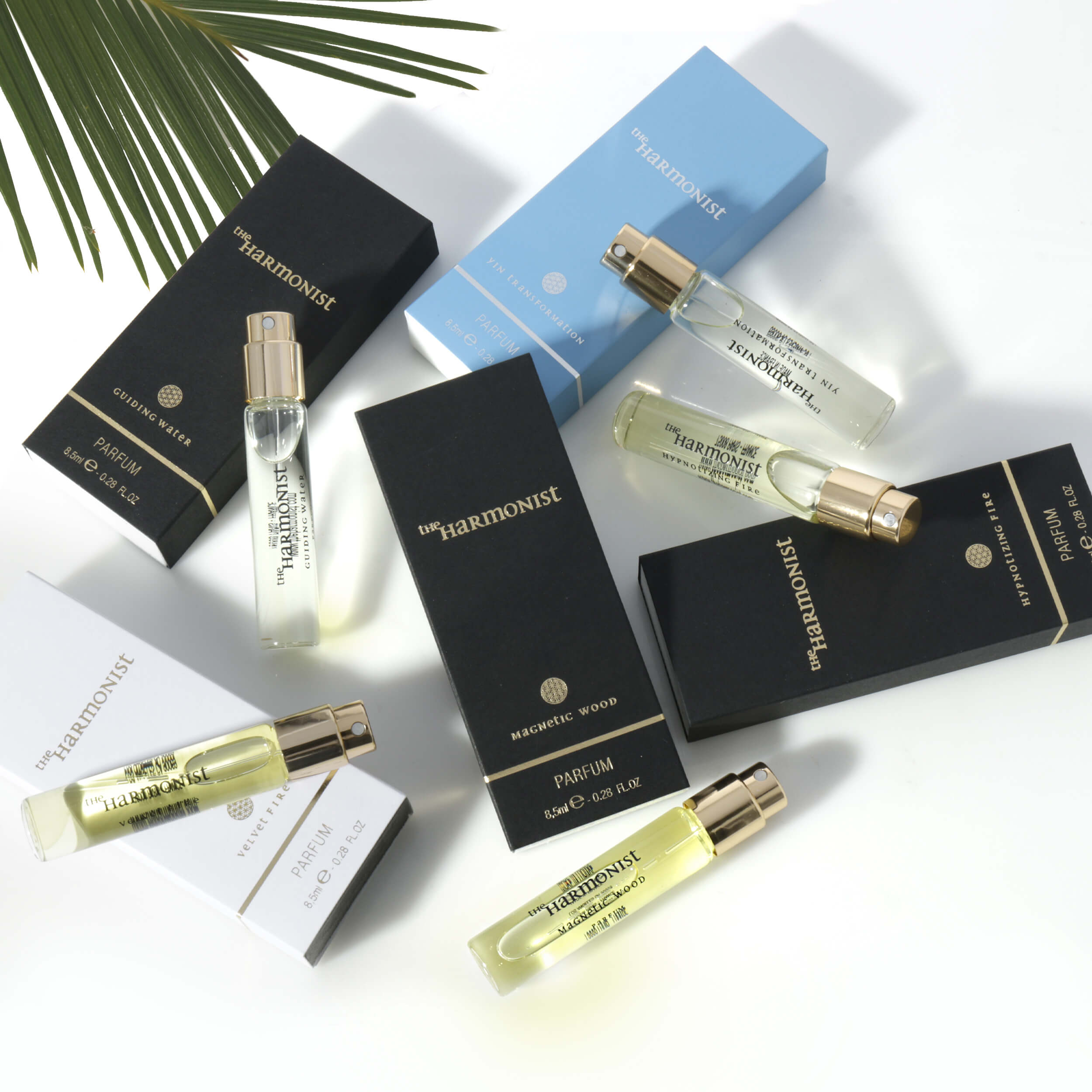
A beauty serum floating beside impossible glass bubbles may stop a scroll. But if the bottle label is slightly wrong, the cap shape changes, or the product color does not match what arrives at the customer’s door, that image can also create returns, complaints, and lost trust. AI product photography is changing how brands create visual content, but it is not a substitute for every product image.
For ecommerce brands, Amazon sellers, and retail teams, the practical question is not whether to use AI. It is where AI can save time without weakening the accuracy, consistency, and sales performance of a product listing.
What AI Product Photography Can Do Well
AI can be useful before, during, and after a conventional product photography project. It is especially effective for early-stage creative work, lifestyle concepts, and image variations where the goal is to communicate a mood rather than document a product with technical precision.
A brand may use AI to test campaign directions before investing in a full shoot. For example, a skincare company can explore clean clinical settings, warm bathroom scenes, or bright summer compositions to decide which visual direction best supports its audience. A home goods seller can create rough room concepts to plan props, surfaces, and styling. These are productive uses because they shorten the approval process and help teams arrive at a clear shot list.
AI can also assist with post-production tasks. Background cleanup, shadow refinements, image expansion for different ad placements, and preliminary retouching can reduce repetitive production work when a trained retoucher reviews the final result. Used this way, the technology supports efficient delivery rather than replacing quality control.
For products that are no longer sold, AI may also help create social content or conceptual imagery from approved source photos. The key is to keep the final image honest about the item being promoted.
Where AI Images Create Commercial Risk
The problem with fully generated imagery is that AI does not understand a product the way a commercial photographer, stylist, or retoucher does. It predicts what an object should look like based on patterns in its training data. That can produce attractive visuals, but it can also invent details.
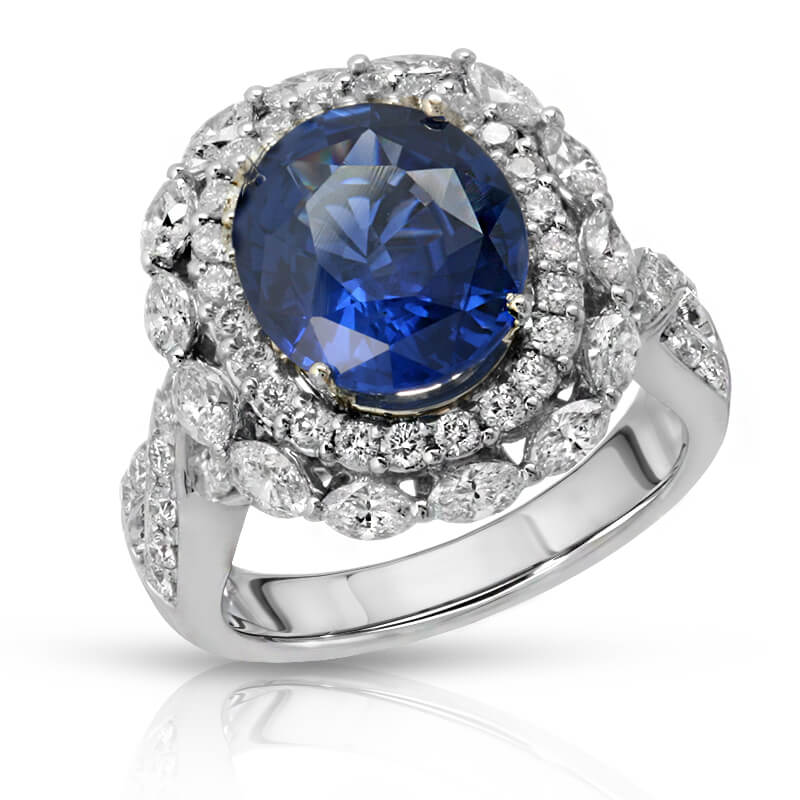
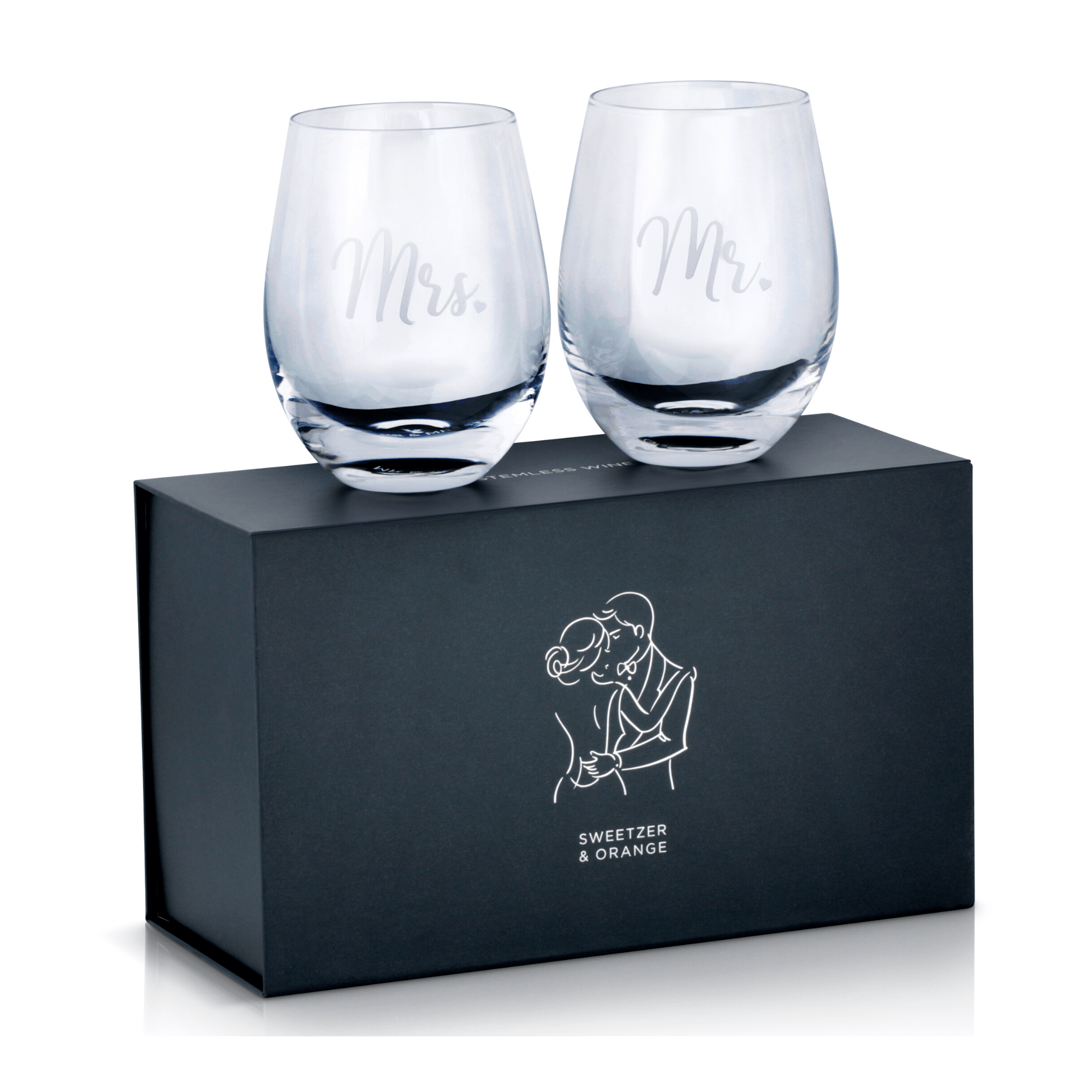
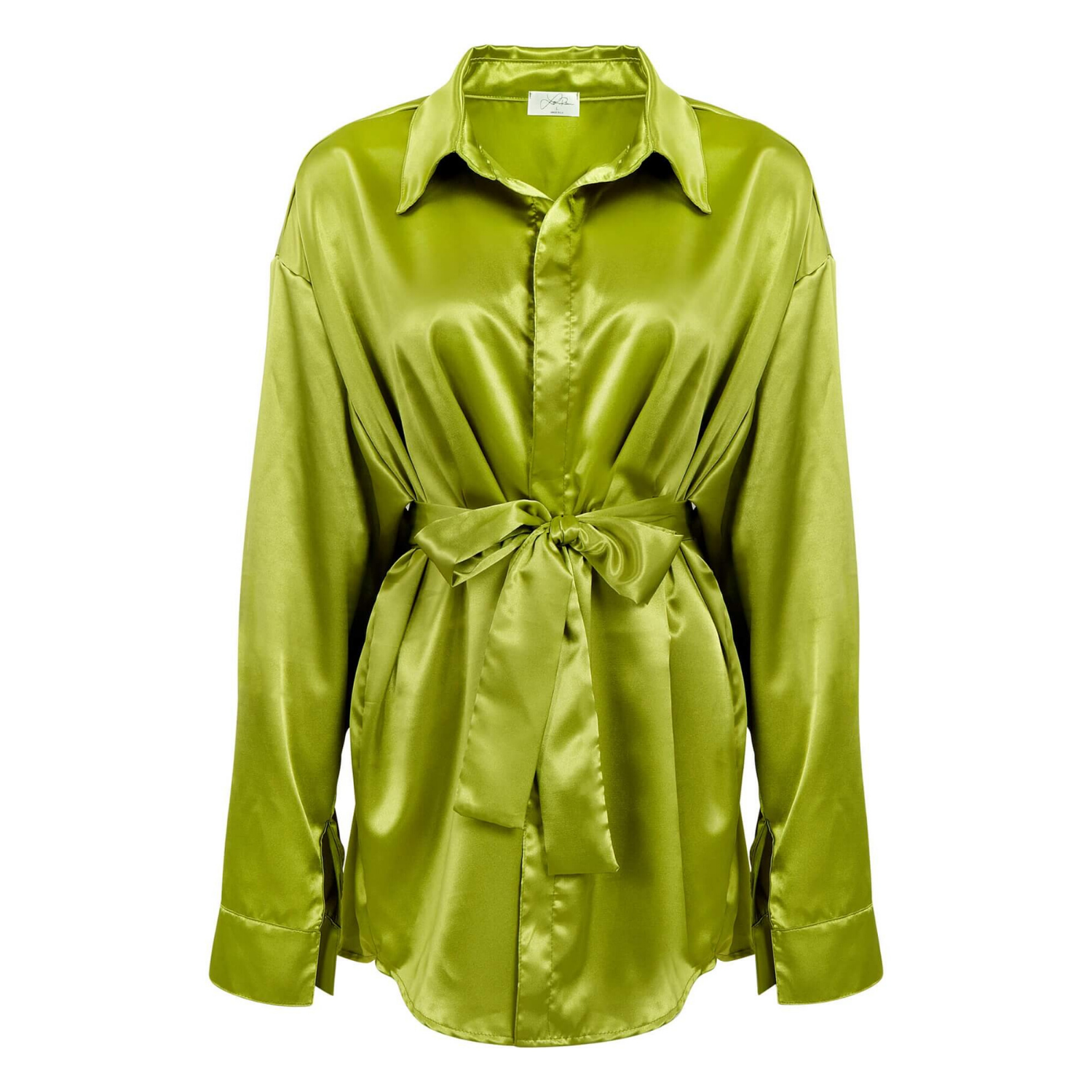
For a consumer brand, small errors are not small. A watch face may show the wrong markings. Jewelry prongs may shift or disappear. A cosmetic tube may have unreadable packaging copy. Apparel may gain an incorrect seam, texture, button placement, or shade. Electronics can develop extra ports or buttons. Glassware and beverage bottles may distort at the rim, label, or liquid line.
Those errors matter because product photography is often a buyer’s closest inspection before purchase. On marketplaces and ecommerce sites, customers use images to judge scale, materials, color, features, and condition. If the images overpromise or misrepresent the product, the cost appears later in returns, negative reviews, support requests, and weakened brand credibility.
Marketplace requirements add another consideration. Main product images commonly have strict standards around backgrounds, visibility, text overlays, and what may be shown with the item. A generated image can look polished while still failing a platform’s image rules. Sellers should treat AI output as creative material that requires review, not as ready-to-upload product documentation.
Why Real Photography Still Leads for Product Pages
A professionally photographed product begins with the actual item. That sounds obvious, but it is the difference between showing customers what they will receive and showing them a convincing approximation.
Controlled lighting reveals the qualities that influence purchase decisions: the sparkle of gemstones, the finish on metal, the weave of fabric, the transparency of glass, the texture of packaging, and the true color of cosmetics or apparel. High-resolution capture also gives designers and retailers reliable files for zoom features, catalogs, print materials, ads, and retailer submissions.
Retouching is equally important. Professional retouching removes dust, fingerprints, minor scratches, and distracting reflections while preserving the product’s legitimate shape, finish, and color. The goal is not to make an item look artificial. The goal is to present it at its best without creating a gap between the image and the delivered product.
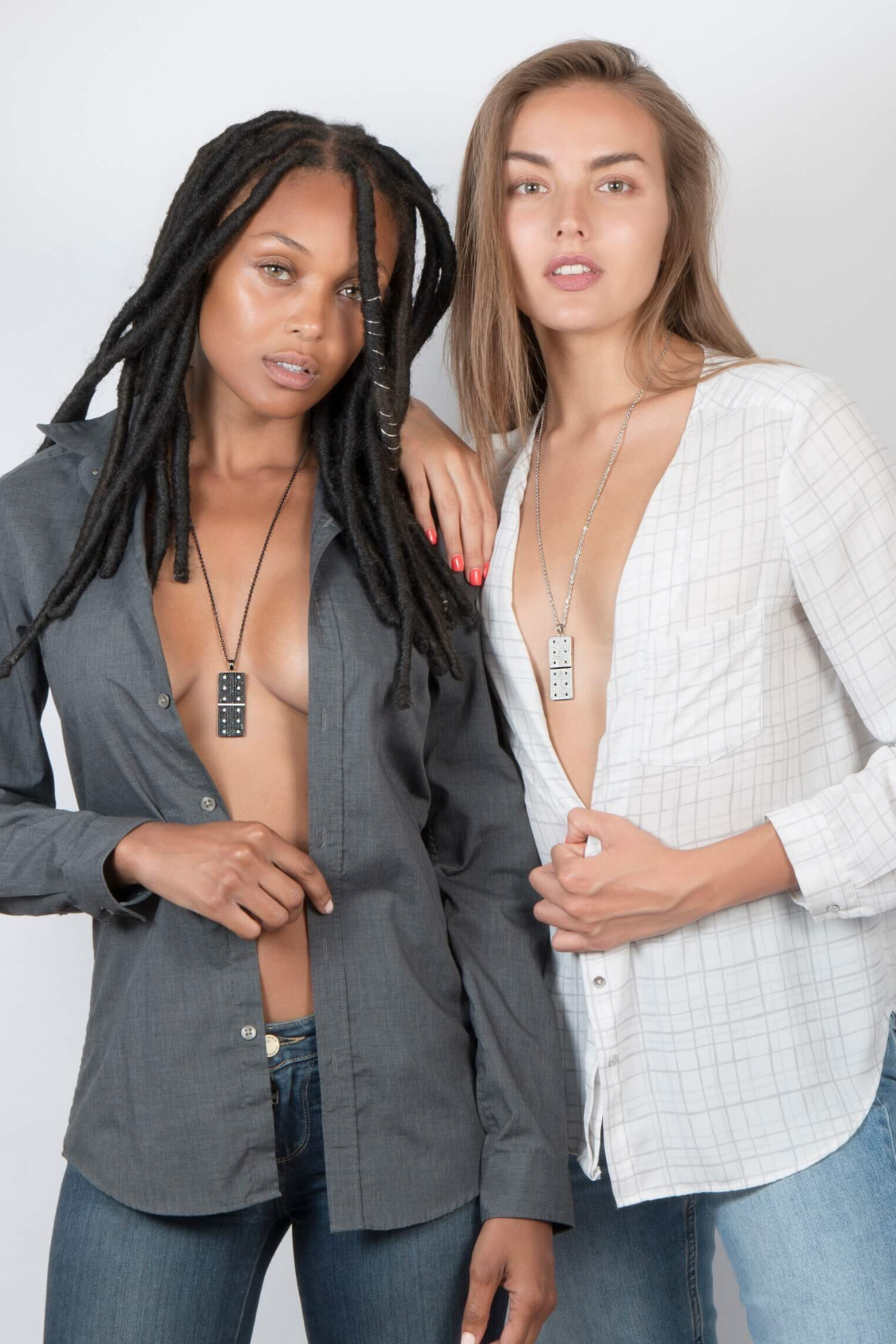
This is particularly important for categories where details drive the sale. Jewelry customers want to see stone settings and metal texture. Apparel customers need confidence in color and fit. Beauty buyers look closely at labels, shades, applicators, and ingredients. Amazon shoppers compare features quickly across competing listings. In each case, accurate photography does more than fill an image slot – it reduces hesitation.
A Better Workflow: Photography First, AI Second
The most reliable approach is usually a hybrid one. Start with a professionally captured image library, then use AI selectively to extend its value.
Your core library should include clean white-background images, accurate detail shots, scale references when useful, and enough angles to answer common buyer questions. These images become the factual foundation for your website, marketplace listings, wholesale materials, and print production. They also provide approved visual references for future creative work.
From there, AI can help your marketing team explore seasonal settings, campaign concepts, alternate crops, or social media compositions. A photographed product can be placed into a generated environment, but the final output should be checked carefully against the original product file. Packaging graphics, logos, proportions, color, reflections, and edge detail all need human review.
This workflow gives brands the speed people want from AI without asking artificial imagery to do the job of accurate commercial photography. It is also easier to maintain visual consistency when every campaign begins with a dependable product image.
How to Decide What Should Be Photographed
Use real photography whenever the image is intended to document the product, support a sale, meet retailer specifications, or show a detail that affects customer expectations. This includes hero images, listing galleries, product detail pages, catalog photography, color-sensitive apparel, jewelry, beauty products, and any item with text, technical features, or regulated claims.
AI can be a stronger fit for conceptual advertising, mood boards, early creative testing, backgrounds that do not alter the product, and supporting social content. Even then, the product itself should remain faithful to the approved photography.
The decision also depends on volume. Brands with dozens or hundreds of SKUs need a scalable process with consistent lighting, framing, naming, and retouching standards. Generating every image separately may seem fast at first, but correcting inconsistencies across an entire catalog can become more expensive than a planned studio shoot. A professional photography workflow creates repeatable assets that can be used across channels for much longer.
Questions to Ask Before Using an AI Image
Before publishing a generated or AI-assisted image, ask whether a customer could use it to make a purchase decision. If the answer is yes, inspect it as closely as a customer would. Compare the image with the physical product and confirm that color, materials, dimensions, packaging, logos, included accessories, and functional features are correct.
Also consider who will use the file. An image for a quick social post has different risk than an image for an Amazon main listing, a retailer catalog, or a print ad. Your usage rights, source files, resolution, and brand standards should be clear before the image enters regular production.
For many businesses, the smartest investment is not choosing between AI and photography. It is building a professional product image library that gives every creative tool a reliable starting point. Product Photography Studio helps brands create polished, high-resolution product images with professional retouching, fast turnaround, and royalty-free usage rights.
A strong product photo earns attention because it looks good. It earns the sale because customers can trust what they see. Use AI where it adds speed and creative range, then let accurate photography carry the promise your product makes.