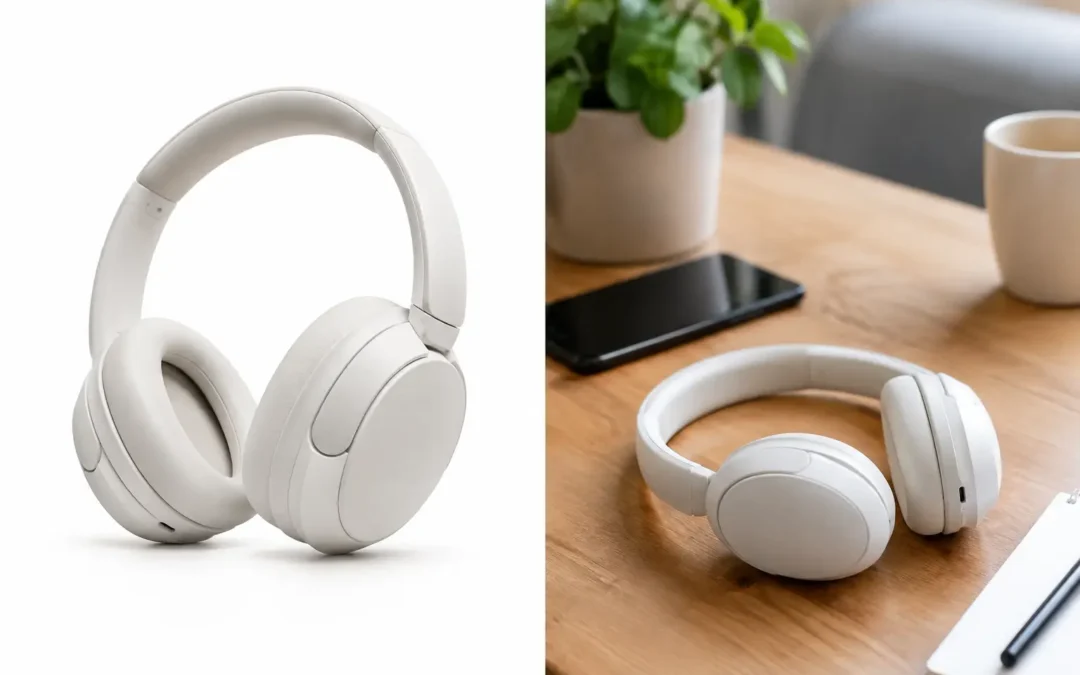
A product listing can lose a sale before a shopper reads a single feature. When the thumbnail is crowded, the color looks wrong, or the buyer cannot picture the product in use, they move on. The choice between white background versus lifestyle images directly affects how well your products get found, understood, and purchased.
For most ecommerce brands, this is not an either-or decision. White-background product photography and lifestyle photography do different commercial work. One creates clarity and meets marketplace standards. The other creates context, emotion, and a reason to own the product. The strongest image strategy uses each format where it has the greatest impact.
What White Background Images Do Best
A white-background image isolates the product from everything else. There is no room, prop, model pose, or competing color to distract from what the customer is evaluating. This makes the product shape, finish, material, size, and key details easier to see at a glance.
For Amazon sellers and brands selling through major marketplaces, white-background photography is often a listing requirement for the main image. Marketplace image rules vary by category and platform, but the central expectation is consistent: the product must be clear, accurately represented, and free of visual distractions. A clean white background gives your listing a professional appearance while helping it fit naturally alongside other search results.
This format also makes product comparison easier. A customer looking at five similar watches, skin care bottles, coffee makers, or office chairs can quickly compare design, packaging, color, and visible features when every product is presented cleanly. If your image is poorly lit, shadowy, or inconsistent with the rest of the catalog, your item can look less credible even when the product itself is excellent.
White-background photography is especially effective when:
- Your primary listing image must meet Amazon, Walmart, retailer, or catalog standards.
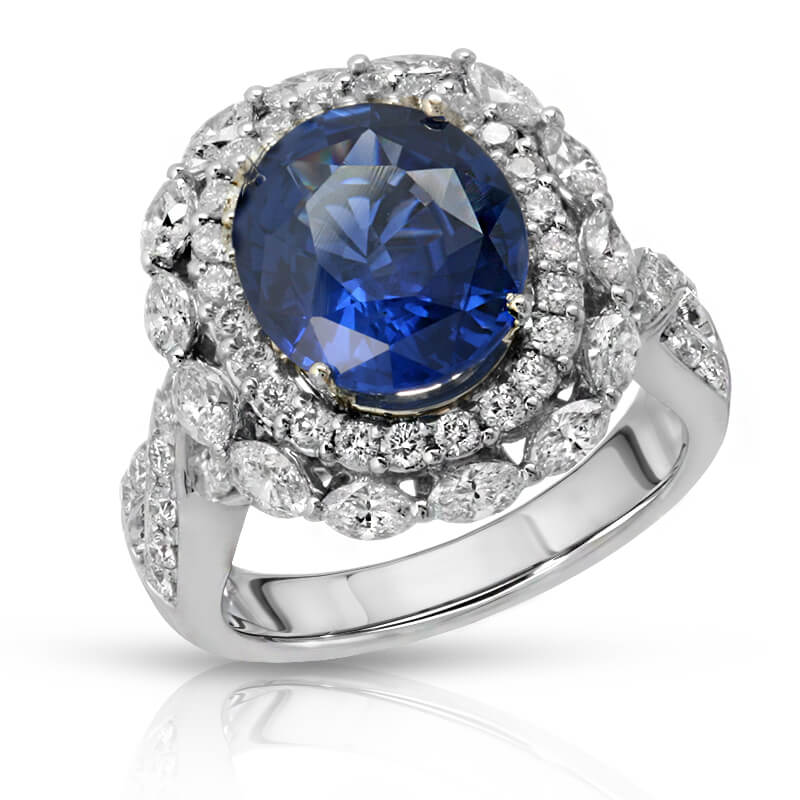
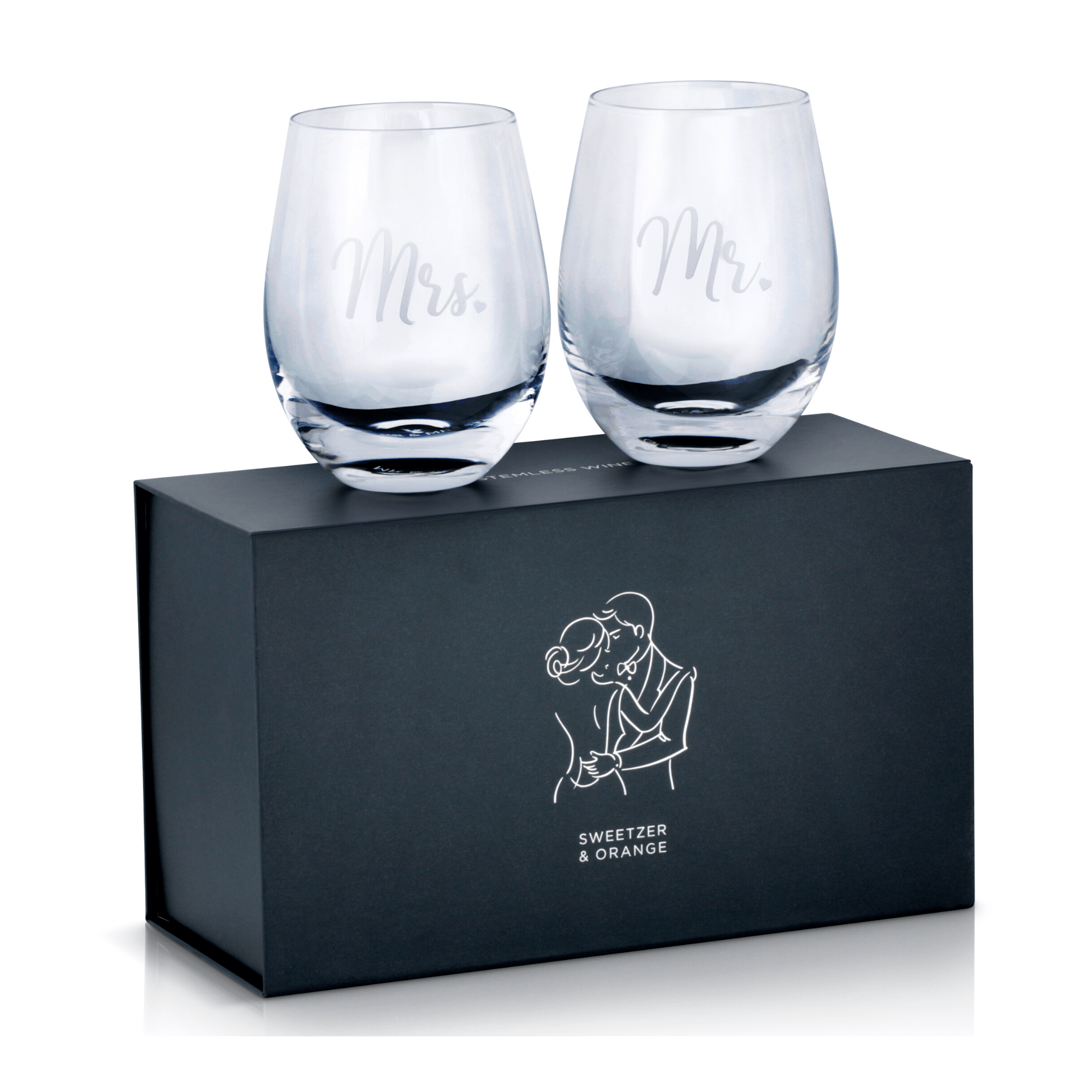
- You sell products where color accuracy and fine details matter, such as jewelry, apparel, cosmetics, glassware, or electronics.
- You need a consistent catalog across many SKUs, sizes, colors, or product variations.
- You want the product to remain the sole focus in a search result, comparison page, or printed sell sheet.
A professional white-background image is not simply a product placed in front of white paper. Lighting must preserve the product’s true color, define its edges, control reflections, and maintain detail in highlights and shadows. This is particularly important for reflective jewelry, clear glass, glossy packaging, polished metal, and dark products that can disappear against a poorly lit background.
Where Lifestyle Images Earn Their Place
Lifestyle photography answers a different question: what will this product look like in my life? It places the item in a believable setting or shows it being used by a person. A candle on a finished nightstand, a handbag carried with an outfit, a beverage served at a backyard gathering, or a skin care product displayed on a bathroom counter gives buyers a visual story.
That story matters because shoppers do not buy specifications alone. They buy convenience, confidence, style, comfort, and the outcome they expect from the product. A lifestyle image can show the scale of a small accessory, the fit of an apparel item, the use of a kitchen tool, or the mood associated with a home decor piece much faster than a paragraph of copy.
Lifestyle images are often strongest in secondary listing positions, brand stores, product detail pages, social campaigns, email marketing, lookbooks, and paid ads. They give marketing teams room to communicate a broader brand identity while still keeping the product visible.
The trade-off is control. A lifestyle image can become ineffective when the setting is more memorable than the item for sale. Overly busy rooms, unrelated props, heavy filters, and unclear product placement may look attractive but do little to drive a purchase. The shopper should still understand exactly what is being sold within the first second or two.
White Background Versus Lifestyle Images: Which Converts Better?
The honest answer is that conversion depends on where the image appears and what the customer needs to know next. A white-background image typically performs best when a buyer is evaluating the product itself. A lifestyle image often performs best when the buyer needs to imagine ownership or understand real-world use.
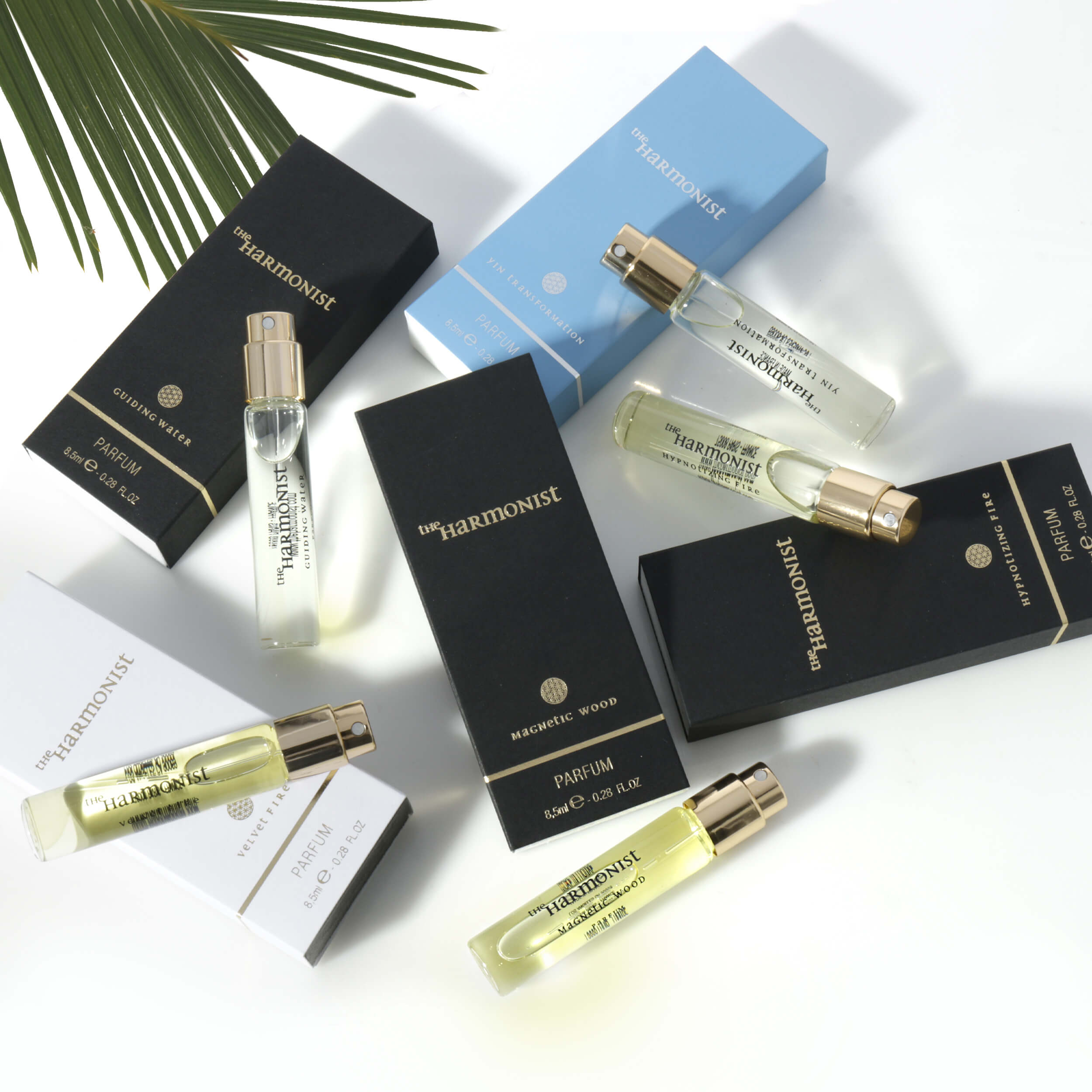
Consider a premium face serum. The first image should show the bottle, label, size, and packaging clearly against white. That helps customers verify what they are receiving and supports marketplace compliance. A later image might show the serum on a clean vanity with complementary skin care items. Another could show a hand holding the bottle to communicate scale. Together, these images cover both rational and emotional purchase drivers.
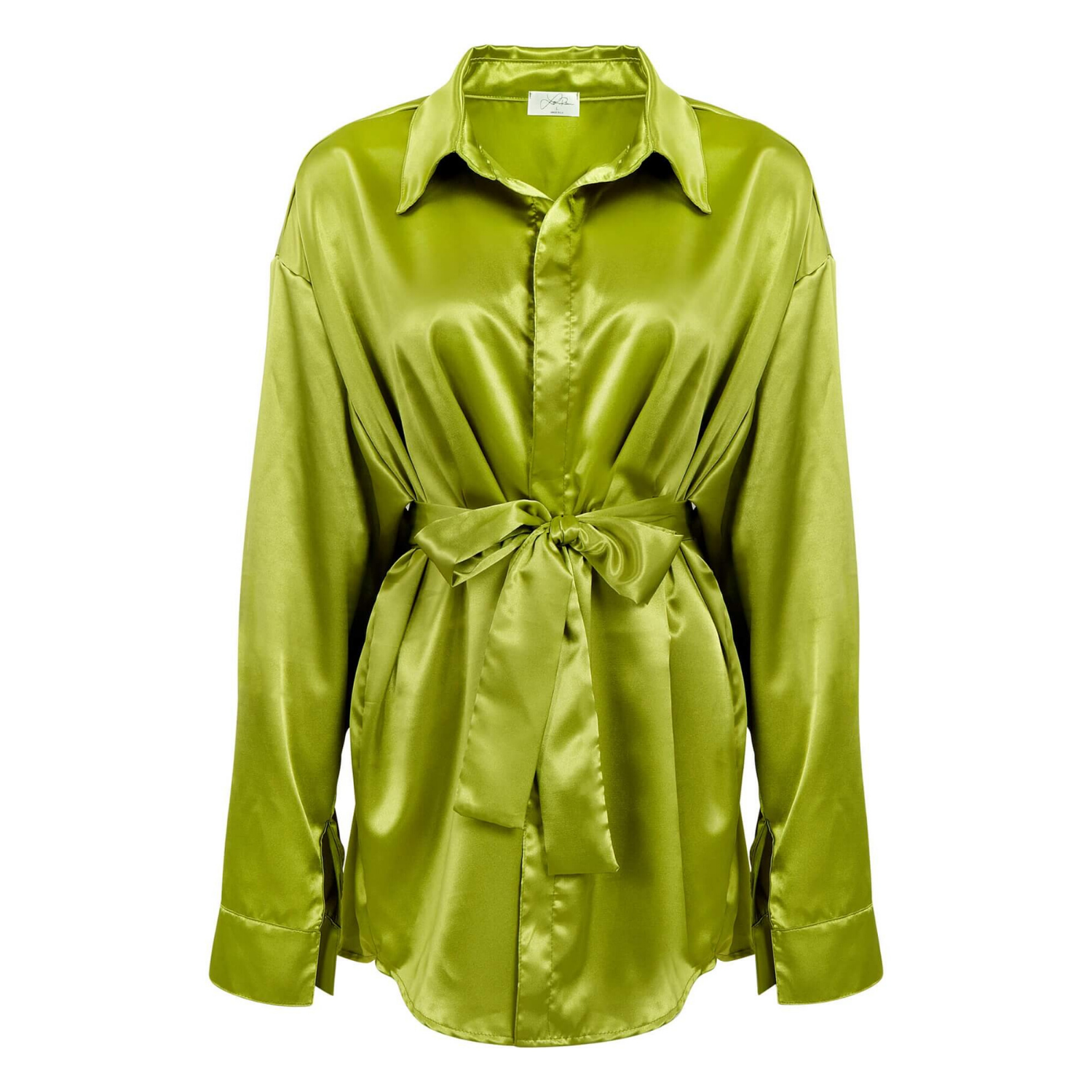
The same principle applies to apparel. A front and back garment shot on white gives shoppers the cleanest view of color, cut, and construction. A model image then shows drape, proportion, styling potential, and how the garment fits into a customer’s wardrobe. Without the white-background image, the buyer may struggle to inspect the item. Without the lifestyle image, they may struggle to picture wearing it.
For practical products such as electronics, medical items, office supplies, and household goods, lifestyle photography should demonstrate a useful benefit. Show the charging dock on a desk, the storage organizer in a cabinet, or the ergonomic tool in use. Avoid lifestyle scenes that are visually polished but do not make the product easier to understand.
Build an Image Set Around the Buying Decision
Instead of deciding which style is better, plan an image set that removes the biggest barriers to purchase. Start with the platform requirements, then consider the questions a shopper will have before adding the item to the cart.
Your lead image should usually be the cleanest, most accurate product view. For many ecommerce listings, that means a professionally photographed product on a pure white background. It should be high resolution, correctly cropped, color accurate, and retouched without changing the real product.
The remaining images can do more persuasive work. Show alternate angles, close-up details, packaging, dimensions, included components, texture, fit, and real-world use. Lifestyle scenes belong here when they clarify the product’s purpose or reinforce the brand’s positioning.
A jewelry brand, for example, may need a white-background hero image, close-ups of stones and settings, a scale image, and a modeled lifestyle photo. A beverage company may need a crisp bottle shot first, followed by serving suggestions, packaging details, and a scene that supports the desired occasion. Every frame should answer something useful.
Common Mistakes That Reduce Image Performance
The most common mistake is using lifestyle imagery as the only product photography. This can leave shoppers unsure about what they will receive, especially when the product is small, partially obscured, or shown from only one angle. It can also create avoidable marketplace compliance problems.
The opposite mistake is relying only on white-background images when the product benefits from context. A clean image of a throw pillow may meet technical requirements, but it does not show how it works in a room. A plain image of a travel bag does not demonstrate capacity or carrying comfort. If context helps a buyer make a decision, include it.
Inconsistent execution is another costly issue. When some products are photographed in warm light, others in cool light, and others with different crop styles, the catalog looks unorganized. Consistent lighting, camera angles, retouching standards, and image dimensions create a stronger brand presentation and make product pages easier to browse.
Finally, do not confuse heavy editing with premium photography. Retouching should remove dust, minor distractions, and temporary imperfections while keeping color, materials, and product proportions honest. Over-edited images can increase returns when buyers receive something that looks different from the listing.
Choose the Right Mix for Your Sales Channel
If your priority is Amazon or another marketplace, begin with compliant white-background product images and build outward. The first image earns the click. The supporting images provide the proof that helps turn that click into a sale.
If you sell primarily through your own ecommerce site, you have more room to lead with brand-driven lifestyle photography in banners, collection pages, and social campaigns. Even then, individual product pages still need clear, detailed product-only images. Inspiration draws attention; clarity closes the gap between interest and purchase.
For brands with large catalogs, a scalable approach is often best: create a consistent white-background set for every SKU, then invest in lifestyle production for best sellers, new launches, seasonal collections, and products that need demonstration. This protects your budget while ensuring the images with the highest sales potential receive the strongest creative support.
Product Photography Studio helps brands produce both clean ecommerce-ready product photography and polished lifestyle imagery with the color accuracy, retouching, and fast turnaround needed for commercial use. The goal is not to fill a listing with more images. It is to give every image a job.
When planning your next shoot, start with the moment a customer hesitates. If they need to inspect the product, give them a precise white-background image. If they need to imagine the benefit, show the product earning its place in real life. That balance turns product photography from a basic listing requirement into a practical sales tool.