A shopper cannot pick up your product, test its weight, inspect the finish, or check the color under real light. Your ecommerce imagery has to do that work before they decide whether to click Add to Cart. When the images are unclear, inconsistent, or poorly lit, even a strong product can look like a risky purchase.
For online brands and marketplace sellers, product photography is not a finishing touch. It is a sales asset. The right image set gives shoppers the proof they need, supports the standards of Amazon and retail platforms, and presents your brand as established from the first click.
What Ecommerce Imagery Must Accomplish
A clean hero image gets attention, but one image rarely closes the sale. Buyers move through a visual decision process: What is this? Is it the right size? What does the material actually look like? How will it fit, work, or feel in my life? Each image should answer one of those questions quickly.
The first image needs to identify the product without distraction. For many marketplace listings, that means a crisp product-on-white photograph with accurate edges, balanced lighting, and enough resolution for zoom. On a direct-to-consumer site, the same product may also need a branded version that carries the visual tone of the store. Both are useful, but they serve different jobs.
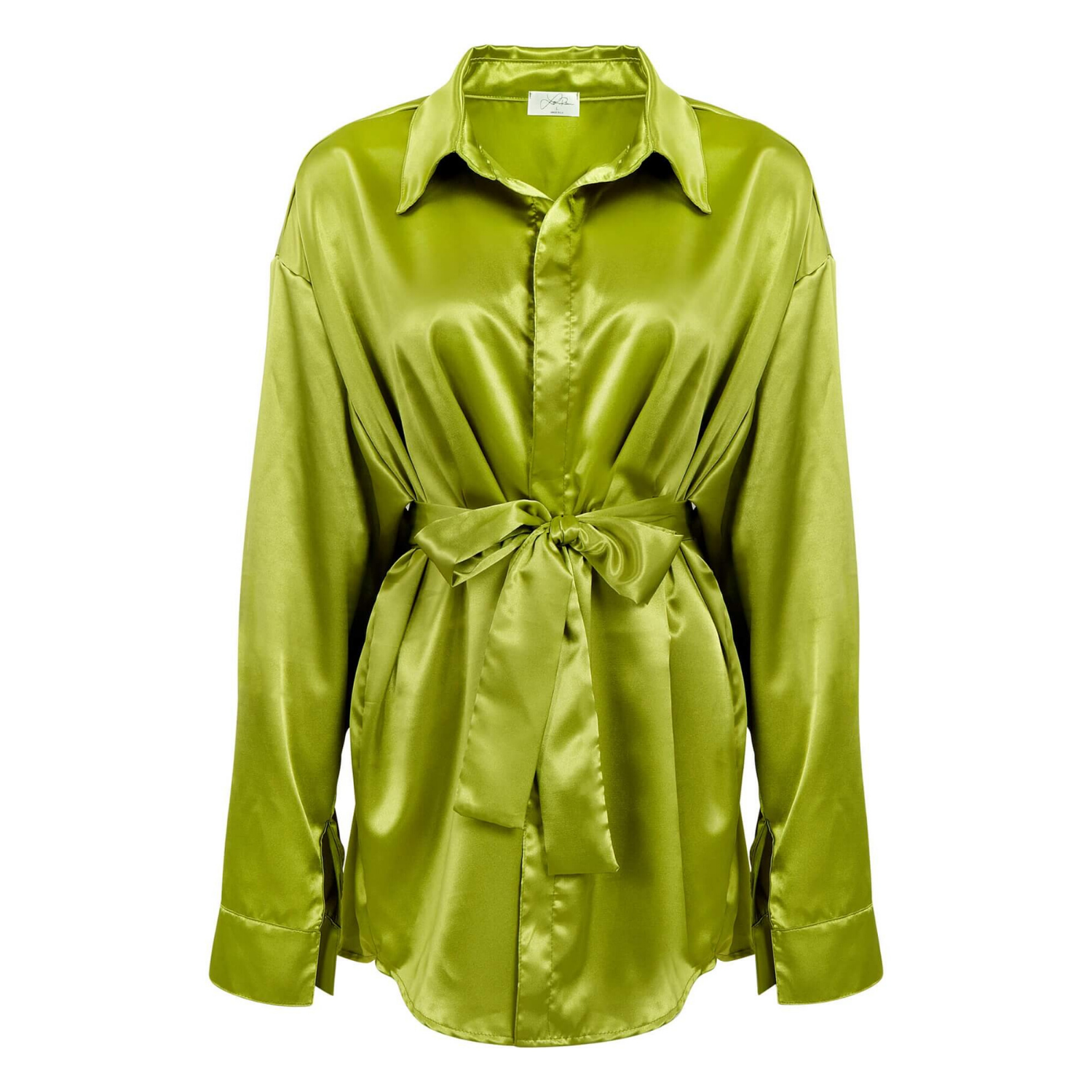
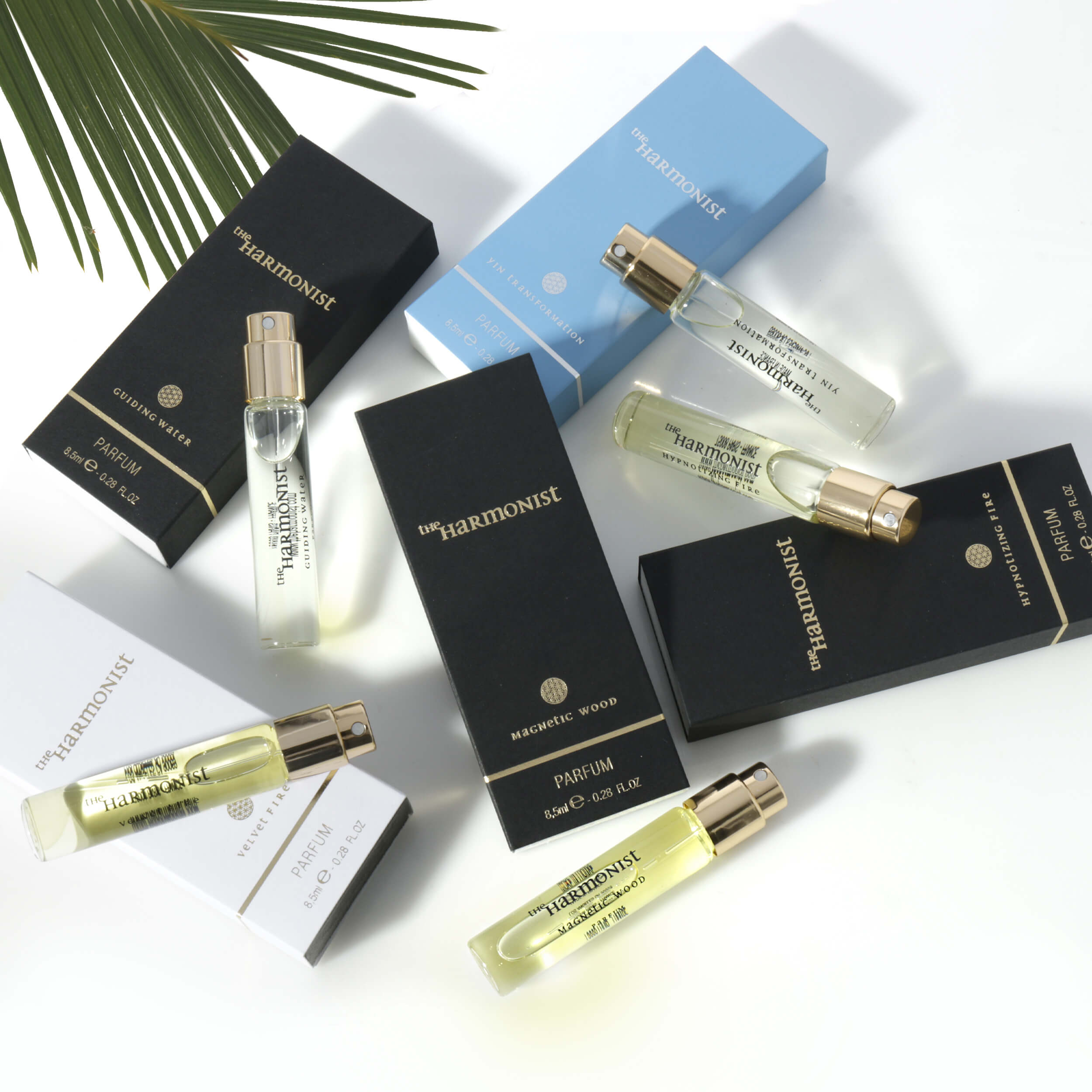
Detail images build confidence where shoppers tend to hesitate. A jewelry customer wants to see stone setting, metal texture, clasp construction, and scale. A beauty customer wants to see packaging finish, label readability, dispenser design, and product texture. For apparel, correct color, drape, stitching, fabric texture, and fit matter more than a dramatic background.
Lifestyle images give the item context. They show proportion, use, and intended customer. A beverage bottle on a styled table can communicate occasion and brand personality. A desk organizer in a working setup can make its capacity easier to understand. Lifestyle photography is valuable when it clarifies the purchase, not when it hides product details behind props.
Build an Ecommerce Imagery Set Around Buyer Questions
The best image count depends on the product and platform. A simple office supply may need a hero image, two angle views, a detail, a scale image, and a packaging shot. A watch, skincare collection, or technical electronic product may need considerably more. The goal is not to fill every image slot. It is to remove the doubts that keep a shopper from buying.
Start with the primary product view
Your primary image is often the thumbnail seen in search results, category pages, and paid ads. It needs a clear silhouette, accurate color, clean retouching, and a composition that remains readable on a phone screen. If a shopper has to guess what they are looking at, the listing has already lost ground.
For Amazon and other marketplaces, follow the platform’s current main-image rules closely. A white background, product-only composition, and proper crop are common requirements. For your own storefront, a consistent set of hero images across the catalog creates a more professional shopping experience and makes comparison easier.
Show every decision-making angle
Front, side, back, top, bottom, open, closed, connected, or in use: the right views depend on what the product is. A handbag may need interior compartments and hardware close-ups. A small appliance needs controls, ports, included accessories, and scale. A cosmetic bottle may require front-label, back-label, and cap or pump views.
This is where category experience matters. Clear glass, reflective metal, polished gemstones, white products on white backgrounds, and black products with dark finishes all require controlled lighting and careful retouching. A flat image can make a premium item look inexpensive. Over-retouching can be just as damaging when it changes a product’s real color or finish.
Use detail shots to support quality claims
If your description says premium leather, precision craftsmanship, textured fabric, or high-shine plating, the photography should substantiate it. Tight detail images let customers see what the copy promises.
Avoid adding close-ups simply because they look attractive. A detail shot should reveal something relevant: a zipper pull, a gemstone facet, a knit pattern, a printed measurement marking, or the texture of a skin-care formula. Strong commercial photography pairs visual appeal with useful information.
Give shoppers a sense of size
Product dimensions in a description are necessary, but they are not always easy to visualize. A scale image can prevent disappointment and reduce avoidable returns. Show the product beside a familiar object when appropriate, in a hand, on a model, or within its intended setting.
Scale needs to be honest. Enlarging a small item visually or using a misleading crop may generate clicks, but it creates the wrong expectation. Accurate photography protects customer trust after the sale as well as before it.
Consistency Makes a Catalog Look More Valuable
A shopper may only be comparing a few products, but they are also judging your business. Mixed backgrounds, inconsistent crops, changing color temperatures, and uneven shadow styles make a catalog feel unorganized. That can affect how customers perceive quality, even when each individual product is good.
Set visual standards before a large shoot. Decide on background treatment, crop ratios, camera angles, shadow depth, file naming, and retouching preferences. For apparel, establish whether garments will be photographed flat, on mannequin, ghost mannequin, or on-model. For beauty and luxury goods, define how reflective surfaces, labels, and color correction will be handled.
Consistency does not mean every image has to look identical. Marketplace images may be clean and specification-led, while campaign and social images can be more expressive. The key is that each image type has a defined purpose and remains consistent within that purpose.
Color Accuracy Is a Conversion Issue
Color mismatch is one of the most common reasons shoppers return apparel, cosmetics, home goods, and accessories. It is also a common source of negative reviews. A blue shirt that arrives looking gray or a lipstick that appears warmer online than it is in person creates a trust problem that copy alone cannot solve.
Professional color management begins in the studio with controlled lighting and calibrated equipment. It continues through retouching, where the objective is to make the image clean and appealing without changing the product. Screens vary, so no image can look identical on every device. Still, accurate source photography gives customers the best possible representation.
This matters especially when products come in multiple variants. Photographing every color consistently, rather than applying a quick digital color swap to one image, usually produces a more reliable result. Digital adjustments can work for some simple products, but complex materials such as velvet, metallic finishes, translucent plastic, or iridescent packaging often need their own photography.
Plan Production for Speed Without Cutting Corners
Fast turnaround is valuable when a new collection is launching, inventory is arriving, or a marketplace listing needs an immediate update. But speed works best when the shoot is prepared properly. Provide a complete product list, SKU names, variant counts, desired angles, platform requirements, and any reference images before production starts.
For larger catalogs, group similar items together. Photographing 30 bottles with the same lighting setup is more efficient than switching repeatedly between bottles, shoes, electronics, and glassware. Send products clean, assembled, and ready to shoot whenever possible. Small preparation steps reduce handling time and keep post-production focused on polish rather than repair.
It also helps to identify images that need extra attention. Jewelry, watches, transparent products, highly reflective surfaces, and apparel with exact color requirements may need more careful setup and retouching than a basic household item. The lowest per-image cost is not always the best value if the image does not meet the standard needed to sell the product.
Choose Photography Based on the Sales Channel
A single product can need different ecommerce imagery across channels. Amazon emphasizes compliance, clarity, and complete listing information. A Shopify storefront has more room for branded visual storytelling. Wholesale catalogs may prioritize standardized angles, accurate color, and easy product comparison. Print production requires high-resolution files and a different level of detail than a small mobile thumbnail.
Build the core product image set first, then adapt supporting images for each channel. This approach controls production costs while giving your marketing team flexible assets for listings, ads, email, catalogs, and social campaigns. Royalty-free usage rights are especially useful when the same product photography needs to work across multiple placements over time.
Treat Retouching as Part of the Product Presentation
Retouching should make a product look sale-ready, not artificial. Dust, minor scratches, fingerprints, uneven labels, lint, and distracting reflections can pull attention away from the item. Professional post-production corrects these issues while preserving material texture, accurate proportions, and real product features.
The standard is different by category. A gemstone image may require precise work to reveal brilliance without creating a false appearance. A skincare bottle may need label cleanup and reflection control. Apparel often needs wrinkle reduction, color matching, and shape refinement while keeping the garment believable. Ask how retouching is handled before choosing a photography partner, particularly for premium or technically difficult products.
Your product has only a few seconds to earn a shopper’s confidence. Invest those seconds in clear angles, true color, useful details, and a presentation that makes buying feel like the obvious next step. Product Photography Studio helps brands build polished, conversion-focused image libraries with fast turnaround and professional retouching, so every listing is ready to compete.