A shopper cannot touch your product through a screen. They cannot test the weight of a watch, check the finish on a skincare bottle, or see whether an apparel color matches their expectations. Your images have to do that work before a customer reads the description, compares prices, or adds an item to the cart.
Professional product photography services turn physical products into clear, credible selling tools. For ecommerce stores, Amazon listings, catalogs, print campaigns, and wholesale materials, the right images do more than make a product look good. They answer buying questions, reduce uncertainty, support brand consistency, and give shoppers a reason to click.
Why Product Images Affect Sales Performance
Product photography is often treated as a finishing step after inventory, packaging, and listings are ready. In practice, it is one of the first decisions a customer makes about your brand. A dimly lit image, distracting reflection, inaccurate color, or poorly styled product can make even a well-made item feel untrustworthy.
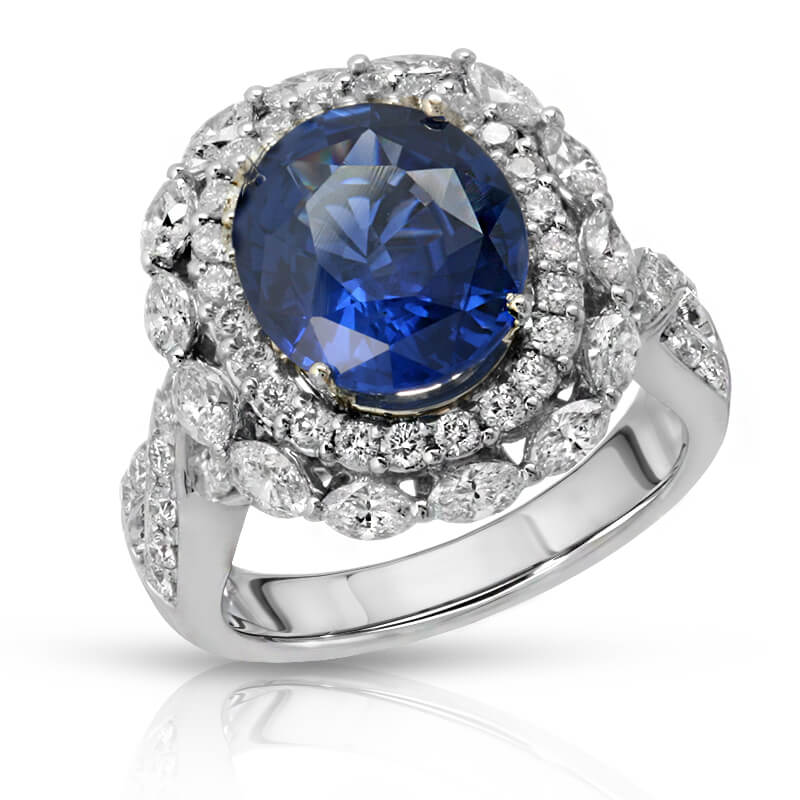
Strong commercial imagery creates a more confident path to purchase. A clean primary image helps your listing stand out in search results. Alternate angles show scale, materials, features, and construction. Detail shots help shoppers inspect the things they would normally examine in person, from gemstone settings and garment stitching to texture, controls, labels, and packaging.
The business result is straightforward: better presentation can support more clicks, stronger conversion rates, and fewer avoidable returns. This is especially true when customers need to make a quick purchase decision on a crowded marketplace.
What Professional Product Photography Services Should Deliver
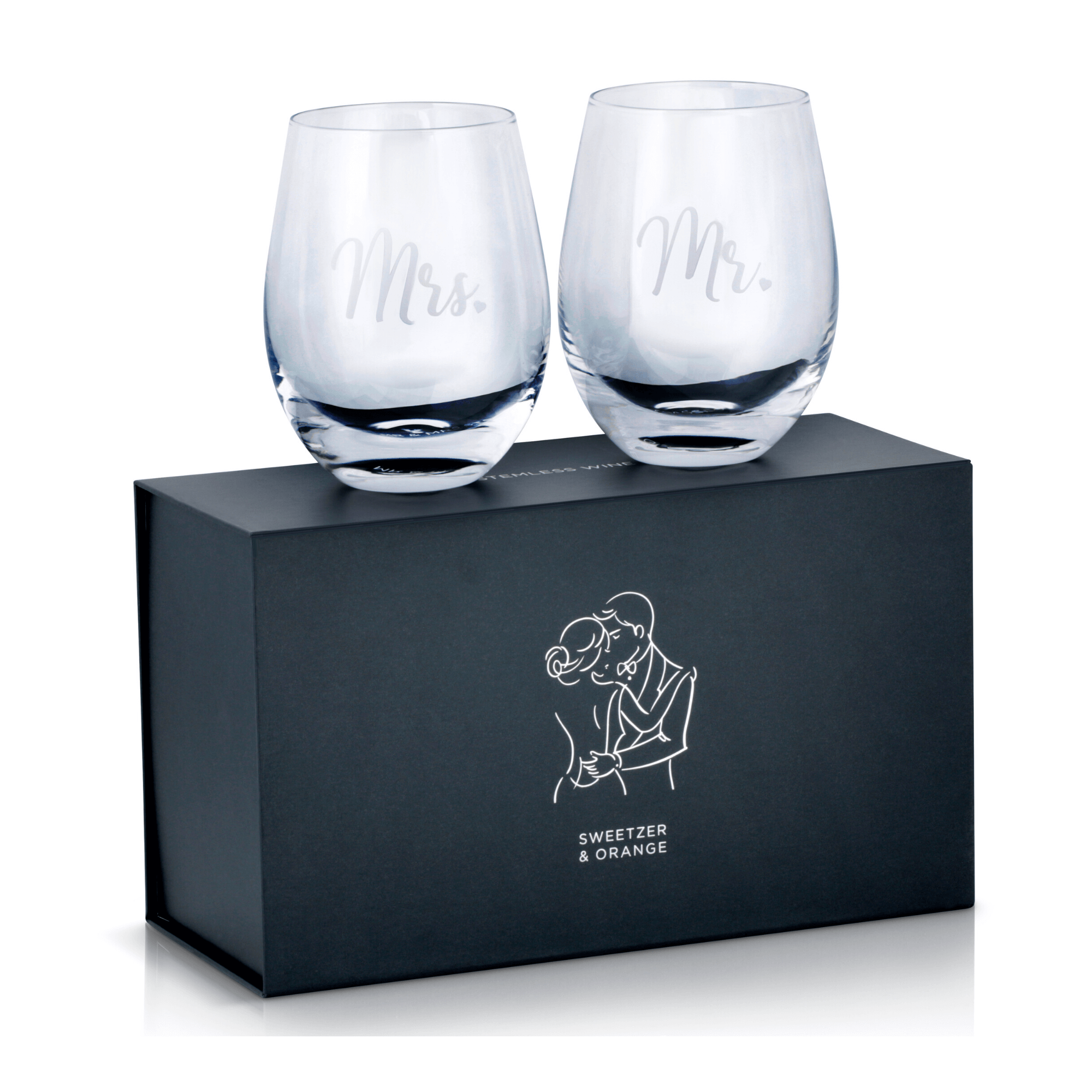
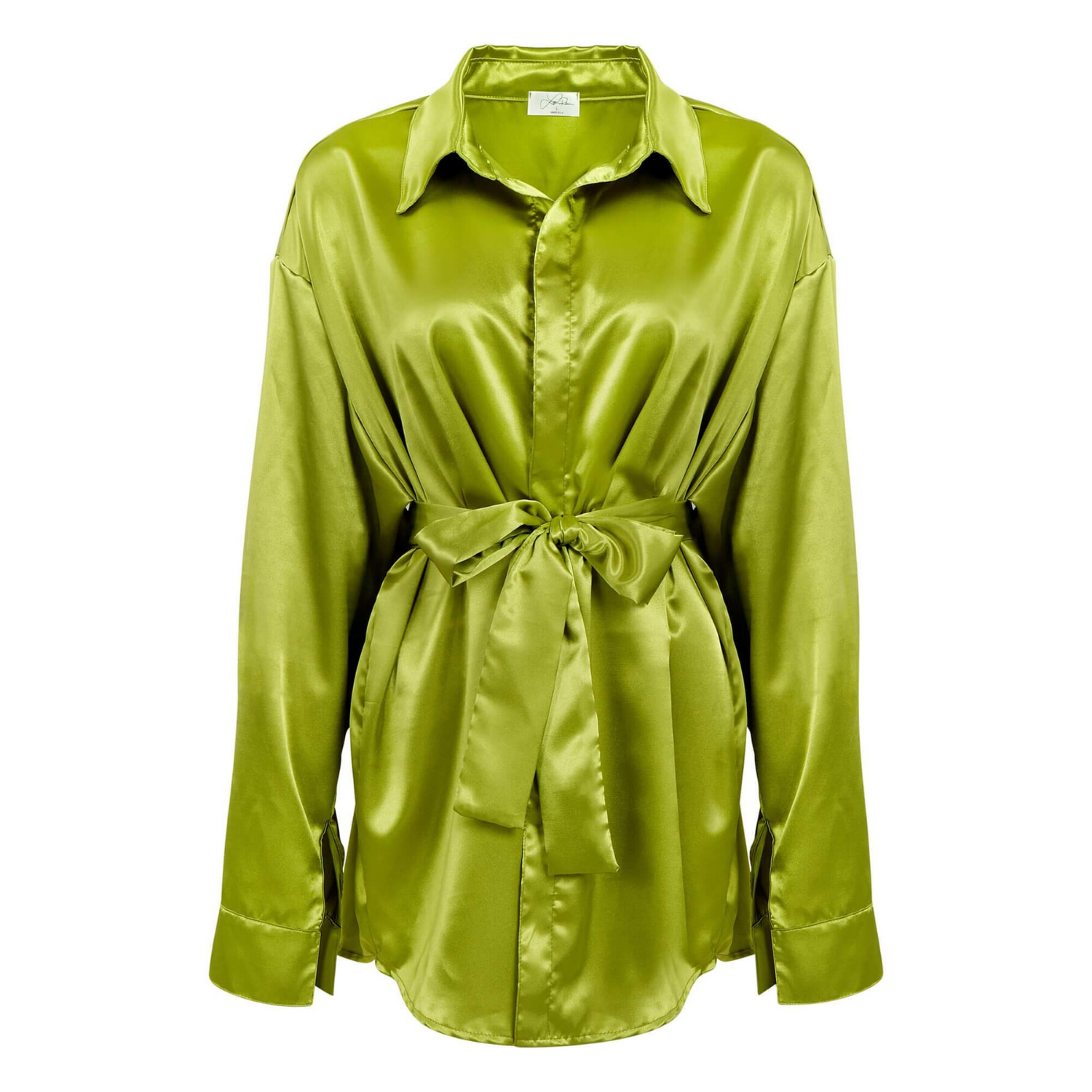
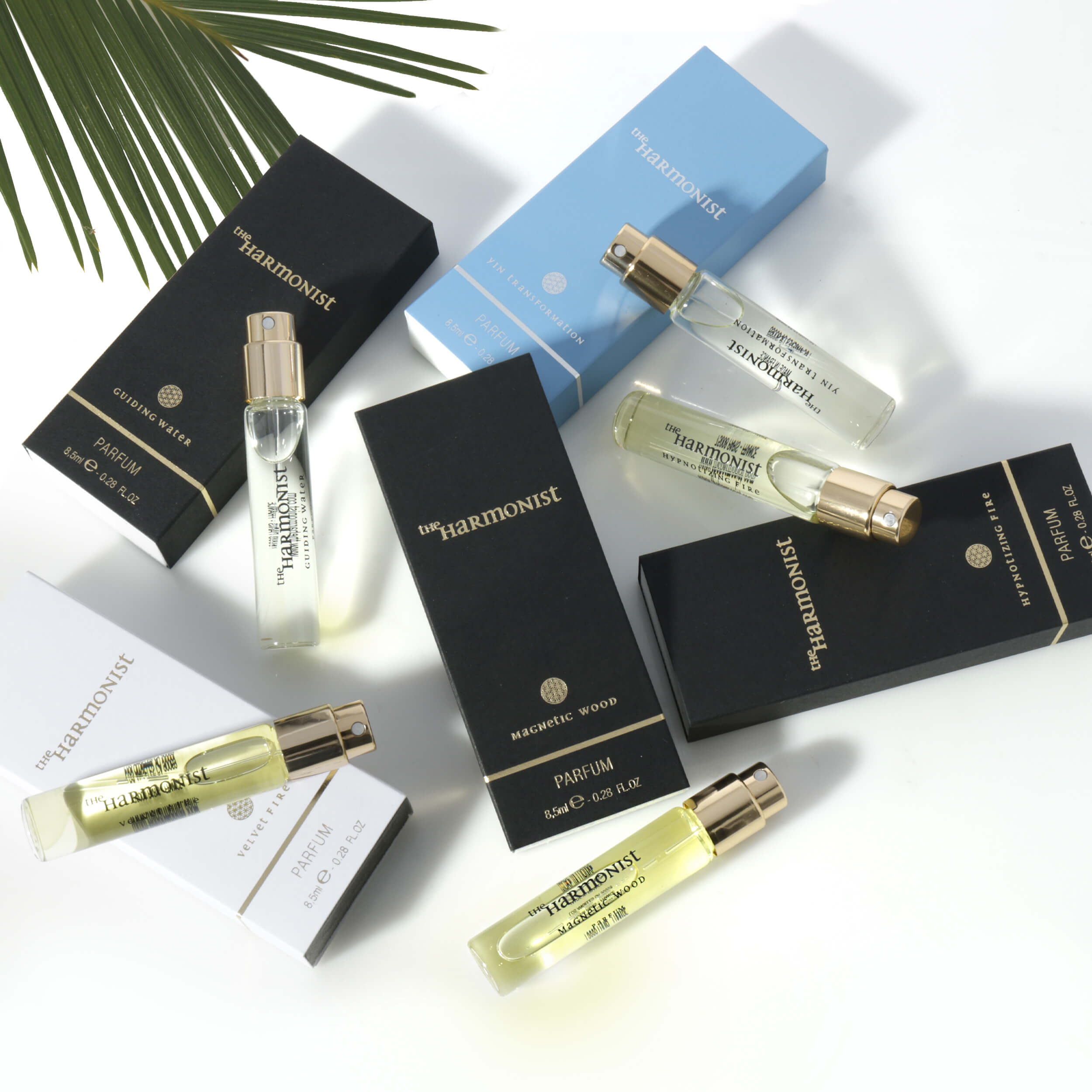
Not every product needs the same visual approach. Jewelry needs careful light control and detailed retouching to preserve sparkle without creating false color. Apparel needs accurate color, clean shaping, and a presentation that makes fit and fabric easy to understand. Beauty products need polished surfaces and labels that remain readable. Glassware, beverages, and reflective electronics require experienced handling of glare and reflections.
That category knowledge matters because a technically sharp photo is not automatically a sales-ready photo. The image also needs to match the product, the selling channel, and your brand standards.
A commercial studio should provide high-resolution files that work across ecommerce, marketplaces, catalogs, advertising, social media, and print production. Professional retouching should remove dust, scratches, unwanted reflections, and minor distractions while keeping the product believable. Over-retouching can be just as damaging as poor photography when it changes a product’s finish, shape, or color.
Usage rights also deserve attention. Royalty-free image usage gives brands more flexibility to use their completed photography across marketing channels without having to revisit licensing terms each time a new campaign launches.
Clean Background Images for Marketplaces
For Amazon sellers and ecommerce brands, a white-background image is often the most essential asset. It puts the product first, supports marketplace requirements, and makes it easier for shoppers to compare options quickly.
Simple does not mean easy. White-background photography still requires precise lighting, clean edges, accurate colors, and controlled shadows. A bottle with a shiny cap, a white garment, or a transparent glass item can be difficult to photograph cleanly without losing important detail. Professional post-production ensures the product separates clearly from the background while retaining a natural appearance.
Lifestyle and Detail Images That Answer Questions
A white-background image wins attention. Secondary images help close the sale.
Lifestyle photography shows how a product fits into a real use case, whether that is a handbag carried on the shoulder, a candle placed in a home setting, or a beverage served at a table. It adds context and can help shoppers understand size, purpose, and audience. Detail photography focuses on the elements that justify value: a clasp, texture, ingredient label, gemstone cut, display screen, or packaging feature.
The balance depends on the product and channel. An Amazon listing may need compliant main images and a set of informative secondary images. A luxury jewelry brand may prioritize detailed close-ups and editorial styling. A wholesale catalog may need consistent, efficiently produced images across hundreds of SKUs.
Choosing the Right Visual Plan for Your Products
Before sending products to a studio, decide what the images need to accomplish. The answer should be based on where and how you sell, not on a generic shot list.
If you are launching a new product on Amazon, prioritize marketplace-ready hero images, multiple angles, feature details, and supporting images that explain use and scale. If you sell apparel through your own store, color consistency across styles and seasonal collections may be the priority. If you are producing a print catalog or lookbook, file resolution, clipping paths, and consistent composition may matter most.
It also helps to identify the product variations that deserve their own images. A different color, size, material, or package configuration may require new photography when it changes what the customer receives. Reusing the same image across visibly different variants can create confusion and hurt trust.
Provide the studio with brand guidelines, reference images, required dimensions, marketplace specifications, and any specific features you want highlighted. Clear direction speeds up the process and reduces revisions. At the same time, leave room for the photographer’s judgment. Experienced commercial photographers know when a slight angle adjustment, a different lighting setup, or a closer crop will make the product more appealing and easier to understand.
Speed, Pricing, and Quality Must Work Together
For growing brands, product photography is not a one-time creative project. New inventory arrives, packaging changes, collections expand, and campaigns need fresh assets. The most useful photography partner is one that can deliver consistent quality without slowing down your launch schedule or consuming your marketing budget.
Low pricing alone is not a value if the images require extra editing, fail marketplace standards, or do not match the rest of your catalog. On the other hand, high production costs are not always necessary for straightforward ecommerce images. The right level of production depends on the product and the intended use.
For many brands, affordable pricing starting as low as $12 per image makes professional photography practical at scale. That can be especially valuable for sellers with large SKU counts, frequent product updates, or a need to test new listings quickly. Fast turnaround matters for the same reason: products cannot sell effectively if they are sitting in inventory waiting for usable images.
Product Photography Studio works with brands across product categories, from jewelry and watches to beauty, apparel, electronics, household goods, toys, books, and medical items. That broad experience helps keep production efficient while giving each category the lighting, styling, and retouching attention it needs.
Common Image Problems That Cost Listings Credibility
Many product listings underperform for visual reasons that are easy to miss internally. Teams that see the product every day may assume shoppers understand its size, finish, or function. A new customer does not have that context.
Watch for images with inaccurate color, inconsistent cropping, visible dust, poor edge cleanup, harsh reflections, or products that appear too small in the frame. Also consider whether the image set answers practical questions. Can shoppers see the back, the closure, the label, the accessories included, and the relative size? If not, customer hesitation is likely.
Consistency matters across a full catalog. When each listing uses a different background tone, camera angle, or retouching style, the storefront can feel less established. A standardized photography approach creates a stronger visual system and makes it easier for customers to browse related items.
Make Every Product Page Easier to Trust
The goal of commercial photography is not to make every item look artificially perfect. It is to present the product at its best while showing customers what they can confidently expect to receive. That means accurate color, clean detail, appropriate styling, and files built for the places where your products actually sell.
When your next launch, catalog update, or marketplace refresh is approaching, treat photography as part of the sales process rather than a final task. Clear, polished images give your products a stronger first impression and give customers fewer reasons to hesitate.