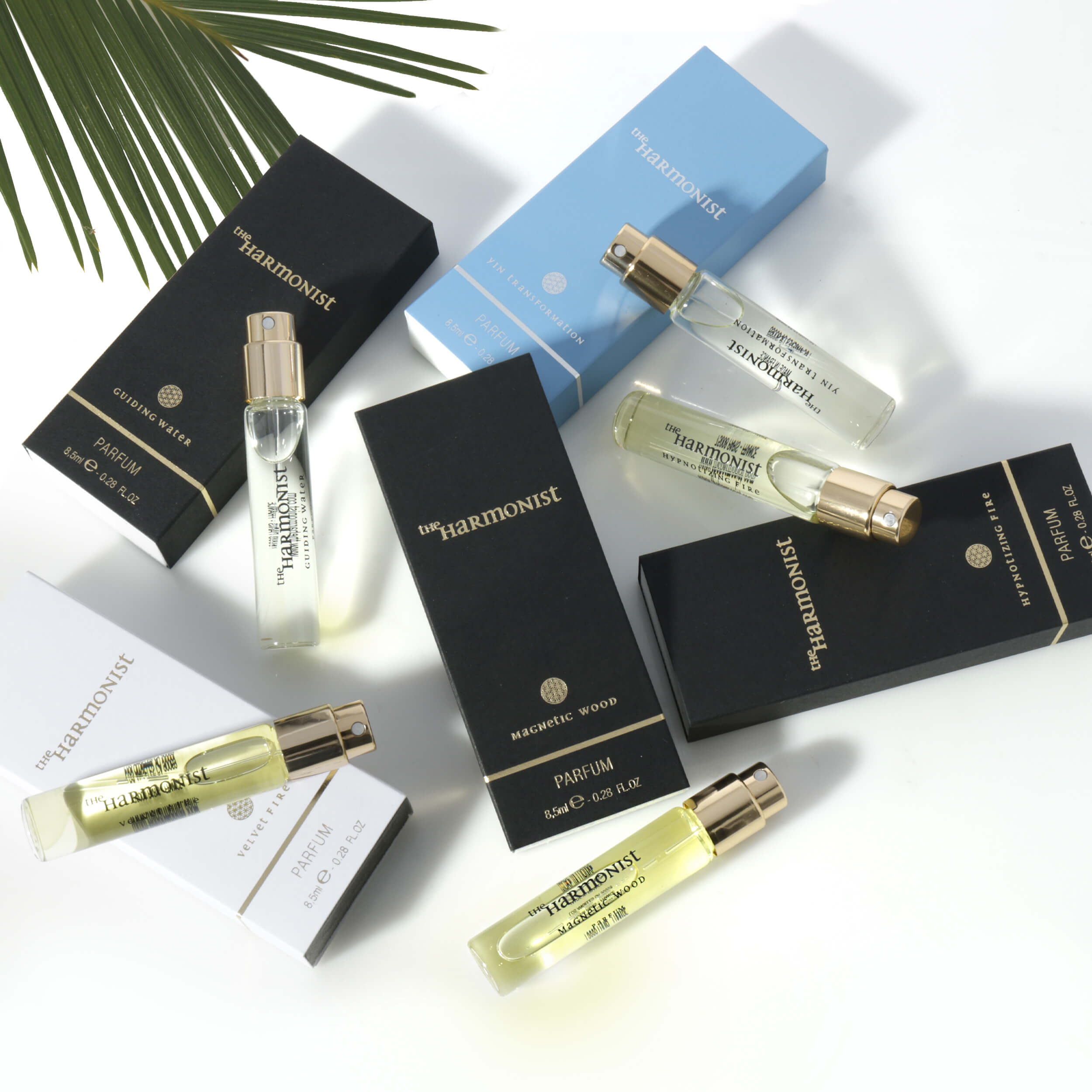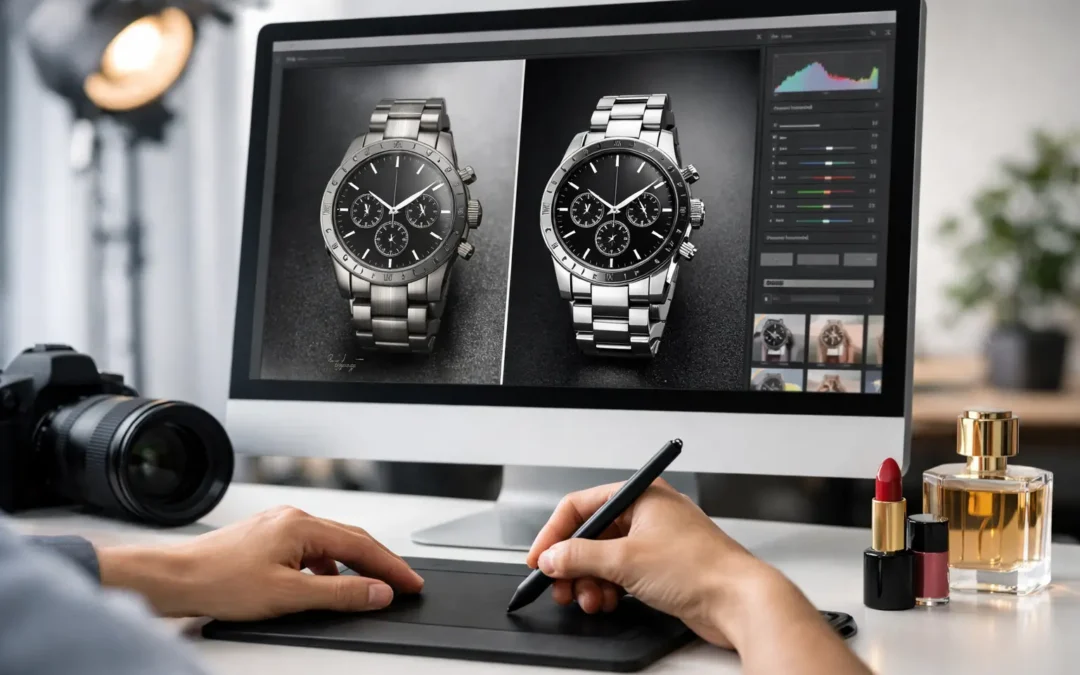
A blurry edge on a white background, a label that shifts slightly blue, a dust speck on a reflective bottle – small image flaws can make a product look cheaper than it is. That is why a professional product retouching service matters for ecommerce brands, Amazon sellers, and marketing teams that rely on clean, persuasive visuals to win clicks and convert shoppers.
Product photography does not end when the camera stops. Raw captures often need careful correction to meet marketplace standards, print requirements, and brand expectations. Retouching is where an image becomes commercially ready. It removes distractions, improves consistency, and keeps the product looking accurate rather than artificially polished.
What a professional product retouching service actually does
Retouching is not just about making a product photo look nicer. It is about preparing that image to perform in a selling environment. For an online listing, that may mean a pure white background, clean edges, balanced shadows, and true-to-life color. For a catalog or ad, it may mean precise detail work, shape refinement, and file prep for print.
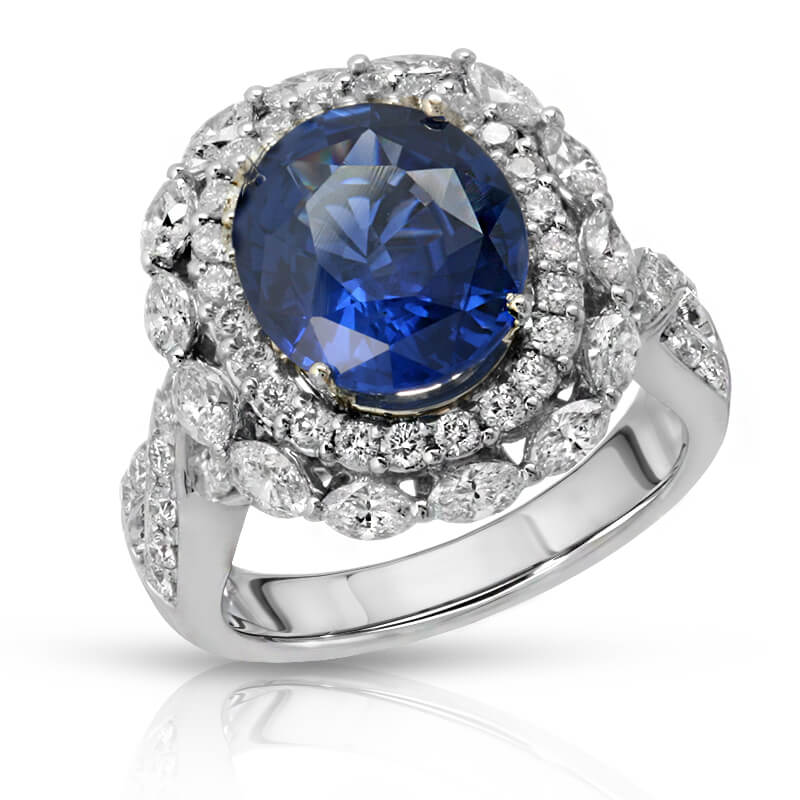
A professional product retouching service typically handles dust removal, scratch cleanup, glare control, background extraction, color correction, shadow creation, wrinkle reduction, and detail enhancement. In some categories, the work goes much deeper. Jewelry images often need stone brightening, metal cleanup, and careful reflection control. Apparel retouching may require color matching, fabric smoothing, symmetry corrections, and invisible mannequin work. Beauty products and cosmetics packaging often need label straightening, reflective balancing, and surface perfection without losing realism.
The goal is simple: present the product at its best while keeping it believable. Over-retouching can hurt credibility just as much as under-retouching can hurt quality.
Why brands invest in professional product retouching service
If you sell online, your images carry a lot of the sales conversation before a shopper reads a single bullet point. Strong retouching supports that first impression. It helps products look premium, organized, and trustworthy, which affects both click-through rate and conversion rate.
There is also an efficiency reason. In-house teams often spend too much time fixing files one by one, especially when volume increases across marketplaces, seasonal launches, or new SKU rollouts. A professional product retouching service gives brands a scalable way to keep image quality consistent without adding internal overhead.
Cost matters too. Reshooting a product because of minor visual issues is often far more expensive than correcting the image properly in post-production. When the photography is solid but the finish is not market-ready, retouching is usually the smarter investment.
The difference between basic editing and commercial retouching
Many sellers have used quick-edit apps or low-cost freelancers who adjust brightness and remove a background. That can work for simple needs, but commercial product imagery usually demands more control.
Basic editing changes the overall look of an image. Commercial retouching focuses on the product itself. It addresses edge quality, fine detail, shape integrity, color accuracy, reflection management, and output consistency across a full set of images. That difference becomes obvious when a brand needs ten, fifty, or two hundred product images to feel like they belong to the same catalog.
This is especially important for categories where detail drives purchase decisions. Jewelry buyers inspect prongs, facets, and metal finish. Apparel shoppers look closely at stitching, drape, and color. Beauty shoppers notice packaging texture, cap alignment, and label sharpness. In these cases, quick edits are rarely enough.
Professional product retouching service for different product categories
Not every product needs the same post-production approach. That is one reason category experience matters.
Jewelry retouching is highly technical. Tiny imperfections become obvious in close-up imagery, and reflective surfaces can easily pick up unwanted highlights or environmental color. Good retouching improves brilliance and clarity without making gemstones or metals look fake.
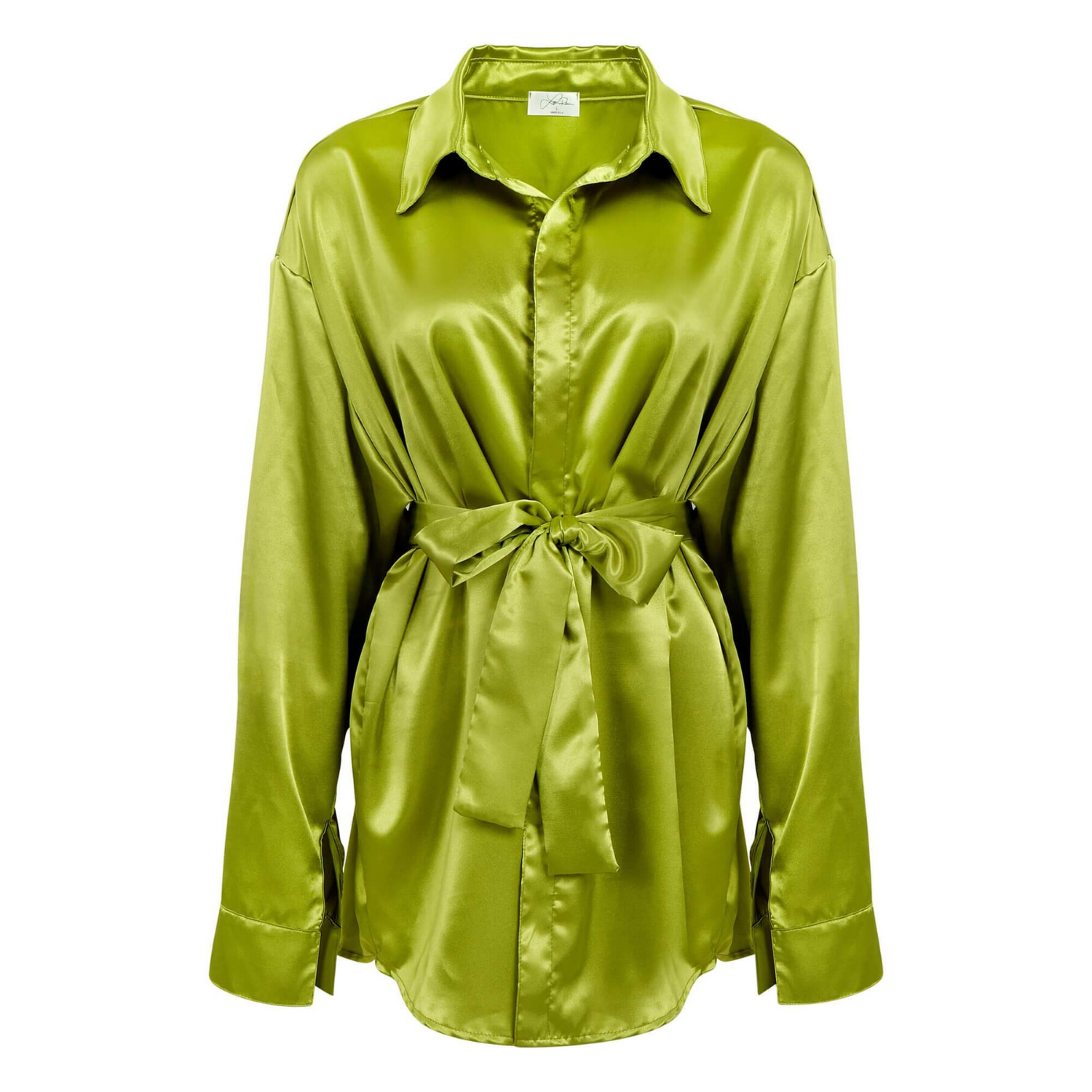
Apparel retouching depends on accurate color and controlled shaping. A shirt that looks too saturated or poorly fitted in the image can lead to customer disappointment and returns. The best work keeps fabric texture believable while improving presentation.
Beauty and skincare products often combine reflective packaging, small typography, and strict brand standards. Retouching has to preserve label readability, maintain clean edges, and control glare without flattening the product.
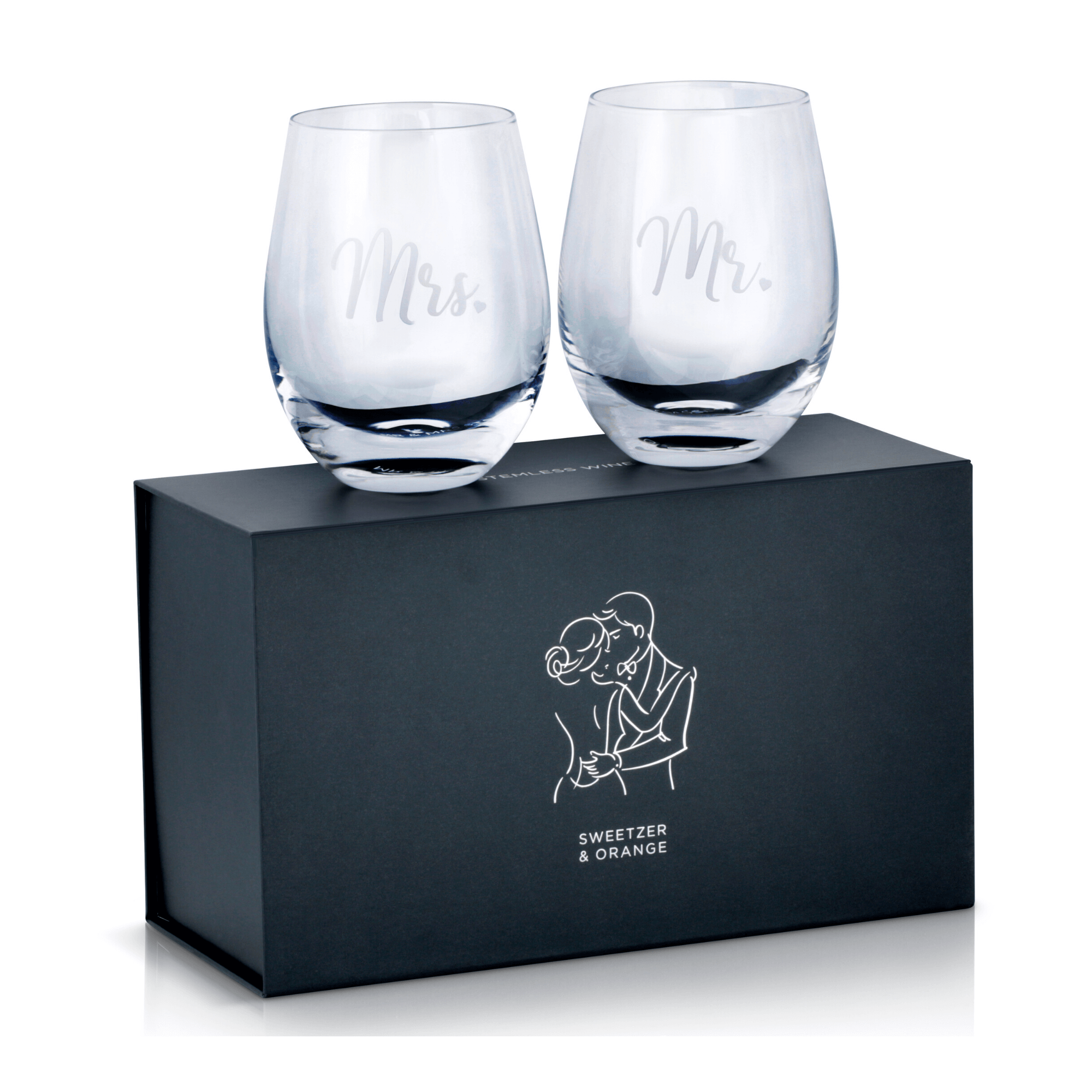
Glassware and beverage photography brings another challenge. Transparency, reflections, and liquid appearance need careful handling. Overcorrection can make the object look cut out or unnatural. Under-correction can leave the image muddy and dull.
Electronics, medical products, office supplies, and household goods may seem more straightforward, but consistency is still critical. Straight lines, neutral color, accurate proportions, and clean surfaces all affect perceived quality.
What to look for in a retouching partner
Speed and price matter, but they are not the whole decision. If your images are tied directly to sales, the right partner should understand both aesthetics and commercial use.
First, look for product-specific experience. A team that works across jewelry, apparel, beauty, accessories, and hard goods will usually spot problems faster and know what level of retouching each category needs.
Second, pay attention to color accuracy. If your product arrives one shade in real life and appears different online, customer trust takes a hit. This is especially important for apparel, cosmetics, gemstones, and branded packaging.
Third, ask about consistency at scale. One polished hero image is not enough if the rest of the catalog looks uneven. A reliable professional product retouching service should be able to maintain the same standard across an entire product line.
Fourth, consider turnaround time. Product launches, listing updates, and seasonal campaigns move quickly. Delays in post-production can hold up everything from ecommerce uploads to print deadlines.
Finally, review the pricing structure. Affordable pricing is valuable, but only if the work meets a commercial standard. The best service balance is clear: strong quality, fast delivery, and pricing that makes sense for growing SKU counts.
When retouching helps sales – and when it needs restraint
Better images can absolutely support better performance, but only when the retouching matches the selling context.
For marketplace listings, cleaner images often improve click appeal because the product looks more professional and easier to evaluate. For branded ecommerce, retouching supports a more premium presentation and stronger catalog consistency. For print, it helps ensure technical readiness and visual precision.
At the same time, there is a limit. If retouching changes the actual appearance of the product too much, it can create customer dissatisfaction. A cosmetic jar should not look metallic if it is matte. A garment should not appear more fitted than it really is. A gemstone should not be brightened beyond a believable finish. Good retouching is persuasive, but it should still be honest.
That balance is where experienced commercial teams stand apart. They know how to improve an image for conversion without creating a mismatch between expectation and reality.
Why speed and workflow matter as much as image quality
Many brands do not just need better images. They need them on schedule and without constant back-and-forth. A slow workflow can delay listings, campaigns, retailer submissions, and product launches.
A studio built for commercial volume can usually move faster because the process is organized around production. That means cleaner file management, clearer revision handling, and a more predictable turnaround. For growing brands, that kind of reliability is not a bonus. It is part of the service value.
At Product Photography Studio, this is where the offering becomes practical for businesses that need polished imagery without building an internal photo and post-production team. Fast turnaround, affordable image pricing, and commercially finished retouching give brands a way to scale visual content without sacrificing quality.
The business case for getting it done right
A professional product image is rarely judged as just an image. Customers read it as a signal about your product quality, your brand standards, and whether your listing feels trustworthy enough to buy from.
That is why retouching is not an afterthought. It is part of merchandising. It helps products look clean, premium, and ready for the market you sell in, whether that is Amazon, your own ecommerce store, a catalog, or print advertising.
If your current product photos feel inconsistent, flat, or not quite ready to sell, the issue may not be the product and it may not even be the shoot. Often, the difference between average and high-converting imagery comes down to finishing. A professional product retouching service gives you that final layer of polish where details stop getting in the way and your product gets the presentation it deserves.