A ring can look brilliant in person and still fall flat online. That gap is where a professional jewelry product photography service earns its value. When customers cannot hold a piece, inspect the stone, or see how metal catches light, your photos have to do that selling work for them.
Jewelry is one of the hardest product categories to photograph well. Small surfaces reflect everything. Gemstones shift color under the wrong lighting. Polished metal picks up unwanted glare, dust, and fingerprints that most people never notice until they see the image at full size. If your listing photos look dark, inconsistent, or overly edited, shoppers hesitate. On ecommerce product pages and marketplace listings, hesitation costs sales.
Why jewelry photography needs a specialized service
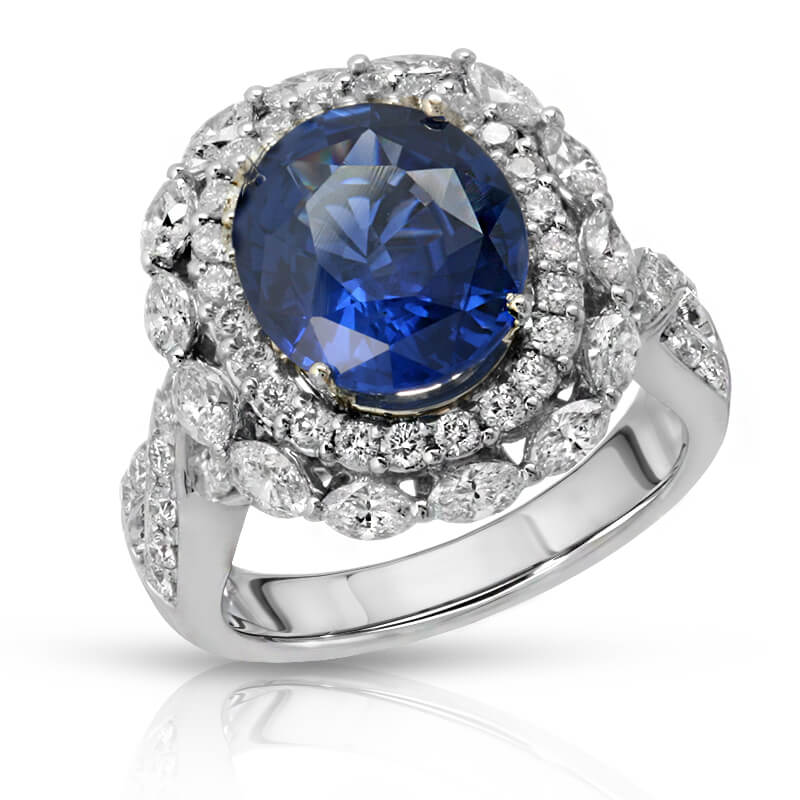
A standard product shoot setup is rarely enough for jewelry. Necklaces, rings, bracelets, earrings, and watches each present different technical issues. A diamond ring needs controlled highlights without blown-out sparkle. Gold jewelry needs accurate warmth without turning orange. Silver needs contrast and clarity without looking gray and lifeless. Gemstones need depth, not just brightness.
This is why specialized handling matters. A jewelry product photography service is not just about owning a good camera. It is about lighting control, lens selection, careful styling, focus precision, and retouching that improves the image without making the item look fake. For brands selling online, that balance matters. Customers want the piece to look exceptional, but they also expect it to match what arrives in the box.
The trade-off is simple. Over-retouched jewelry can get clicks but create returns and complaints. Under-produced images may be accurate but fail to compete against stronger listings. The right service knows how to present jewelry in a way that is polished, persuasive, and commercially realistic.
What a jewelry product photography service should deliver
If you are investing in professional imagery, you need more than a pretty shot. You need assets that work across sales channels. That means clean white background images for ecommerce and marketplaces, close-up detail shots for product pages, and styled or editorial images for ads, catalogs, and social campaigns.
A strong jewelry product photography service should start with sharp, high-resolution capture. Fine details like prongs, pavé settings, chain texture, engraving, and stone facets need to hold up on zoom. The post-production side is just as important. Jewelry almost always needs detailed retouching to remove dust, refine reflections, clean edges, and correct color while preserving realism.
Speed also matters more than many brands expect. If you are launching a collection, refreshing listings, or trying to improve underperforming SKUs, delays affect revenue. Fast turnaround is not just a convenience. It helps you get new products live sooner, test images faster, and move inventory with less friction.
Affordable pricing matters too, especially for sellers managing large catalogs. If each image costs too much, brands often cut corners on coverage, skip alternate angles, or delay updates to older listings. That usually shows up later in weaker conversion performance. A scalable service makes it easier to maintain visual consistency across your entire line, not just your hero products.
The images that help jewelry sell online
Not every jewelry image serves the same purpose. The main product image needs to be instantly clear at thumbnail size. It should communicate shape, material, and overall value in a fraction of a second. On marketplaces like Amazon, that first image often determines whether a shopper clicks at all.
Once they land on the listing, supporting images take over. Close-up detail shots can show stone cut, clasp quality, texture, or craftsmanship. Multiple angles help shoppers understand scale and structure. For earrings, that may mean front and side views. For rings, top, angle, and profile views often make a difference. For necklaces, chain detail and pendant scale matter more than many brands realize.
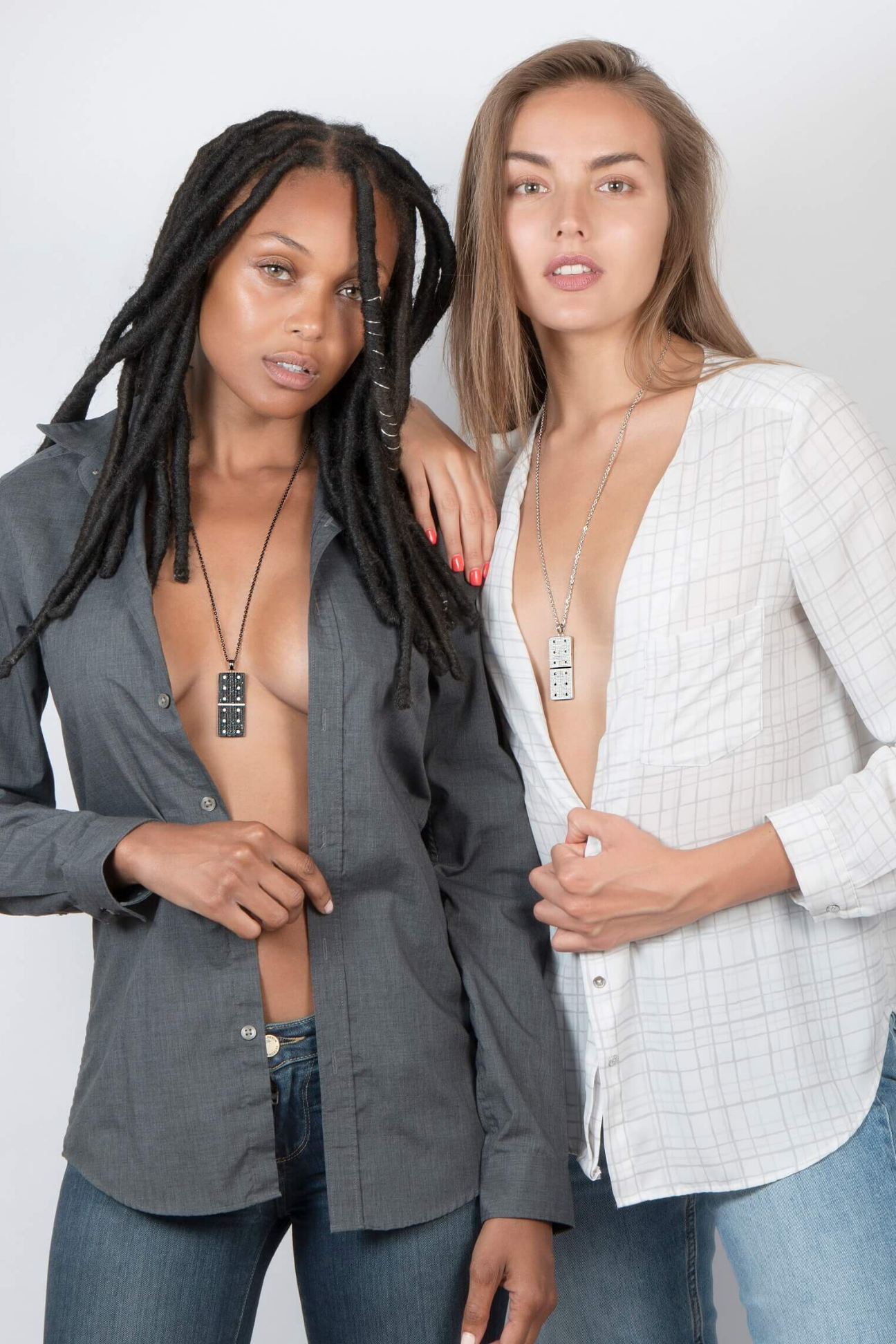
Lifestyle or styled images can also help, but only when used strategically. They add context and brand personality, especially for lookbooks, ads, and direct-to-consumer sites. Still, styled photography should not replace the core clean product set. Buyers need to see the piece clearly before they care about the mood around it.
It depends on where you sell. Marketplace listings often require stricter image standards and simpler compositions. Brand sites usually allow more flexibility. Print catalogs and magazines may need even higher resolution and different cropping. A commercial studio that understands those use cases can save time by planning the shoot around how the images will actually be used.
Common problems brands run into
Many jewelry sellers come to a studio after trying to handle images in-house. The usual issues are predictable. Reflections are hard to control, white backgrounds look gray, stones lose life, and every product ends up looking slightly different from the next. Even if one image comes out well, repeating that quality across a full collection is difficult.
Another common issue is inconsistency over time. A brand shoots one group of products this month, another next quarter, and suddenly the catalog no longer matches. Differences in lighting, cropping, shadows, and retouching create a scattered look that weakens the brand presentation. Customers may not describe that problem clearly, but they feel it.
There is also the hidden cost of internal production. Building a reliable jewelry setup takes equipment, styling materials, retouching time, staff training, and constant testing. For most brands, that overhead makes less sense than outsourcing to a studio built for product work. The goal is not just to get images. It is to get commercially effective images without slowing down your business.
How to evaluate a jewelry photography partner
Start with category experience. Jewelry is different from beauty, apparel, or electronics, even if a studio shoots all product types. Ask whether they understand reflective surfaces, gemstone rendering, metal color accuracy, and high-detail retouching. You want a team that treats jewelry as a technical category, not just another object on a white background.
Next, look at image polish. Edges should be clean. Highlights should feel controlled, not harsh. Stones should look dimensional, not flat. Retouching should remove distractions without making the item look synthetic. Good jewelry photography feels crisp and premium. Bad jewelry photography usually looks either dull or overworked.
Then consider business basics. Turnaround time, price per image, file resolution, and usage rights all matter. If you need large quantities of product images, your provider should be able to scale with you. If you sell on multiple channels, they should be able to supply files suited to those channels. If revisions are needed, the process should be straightforward.
For many sellers, the best partner is the one that combines quality with speed and reasonable cost. Product Photography Studio is built around that model, with affordable image pricing, professional retouching, high-resolution output, and a workflow designed for brands that need reliable commercial results.
Why better jewelry photos affect more than appearance
Strong photography does more than make your products look nicer. It improves click-through rates, supports pricing, reduces uncertainty, and helps customers compare options with confidence. Better images can also reduce avoidable returns by showing details more accurately from the start.
That matters whether you are a growing Shopify brand, an Etsy seller expanding into larger retail channels, or an Amazon business trying to improve listing performance. Jewelry shoppers are detail-oriented. They notice finish, proportion, and presentation quickly. If your images feel low quality, they often assume the product is too.
The opposite is also true. When imagery is clean, consistent, and professionally retouched, the product feels more credible. That credibility supports conversion. It can also help your brand look more established, even if you are still scaling.
A good jewelry product photography service is not an extra layer of polish. It is part of how your product is merchandised online. For a category built on detail, finish, and perceived value, the camera work and retouching are directly tied to business performance.
If your current images are not doing enough to earn the click or close the sale, the fix is often simpler than a full rebrand. Better product photography can change how customers see the exact same piece, and that shift is often where growth starts.