A catalog lives or dies on clarity. If shoppers cannot quickly understand what a product looks like, how it fits, or why it is worth the price, they move on. That is why catalog product photography services matter so much for brands selling online, through print, or across multiple retail channels. Good images do more than fill a layout. They reduce hesitation, support brand consistency, and help turn browsing into buying.
For many brands, the problem is not a lack of products. It is a lack of usable, consistent imagery. One SKU was shot in-house under warm light, another came from a supplier, and a third was edited by a freelancer with a different style. The result feels uneven, and that inconsistency shows up in conversion rates, customer trust, and even return volume.
What catalog product photography services actually solve
The best catalog photography is built for commerce, not just aesthetics. A strong image set helps customers compare options, inspect details, and feel confident enough to purchase without touching the product in person. That applies whether you sell jewelry, cosmetics, apparel, electronics, home goods, or office products.
Professional catalog product photography services solve several business problems at once. They create visual consistency across a product line, produce high-resolution files for both digital and print use, and remove the burden of building an in-house production workflow. For growing ecommerce brands, that matters because internal teams rarely have the time, equipment, or post-production capacity to keep up with frequent launches and SKU updates.
There is also a speed factor. Product pages, seasonal collections, retailer submissions, and printed lookbooks all run on deadlines. If image production drags, the rest of the launch gets delayed with it. A studio that is organized, category-aware, and fast can keep merchandising timelines on track.
What good catalog photography looks like in practice
Good catalog imagery is consistent before it is flashy. Lighting, shadows, crop ratios, color balance, file naming, and retouching standards should all feel controlled from one image to the next. When a shopper moves from one product page or catalog spread to another, nothing should feel random.
That consistency matters even more when you sell in volume. A five-product brand can get away with some variation. A 200-SKU line cannot. Once a catalog starts scaling, poor standardization becomes expensive. Teams waste time requesting fixes, designers struggle to place mismatched files, and customers get a weaker impression of the brand.
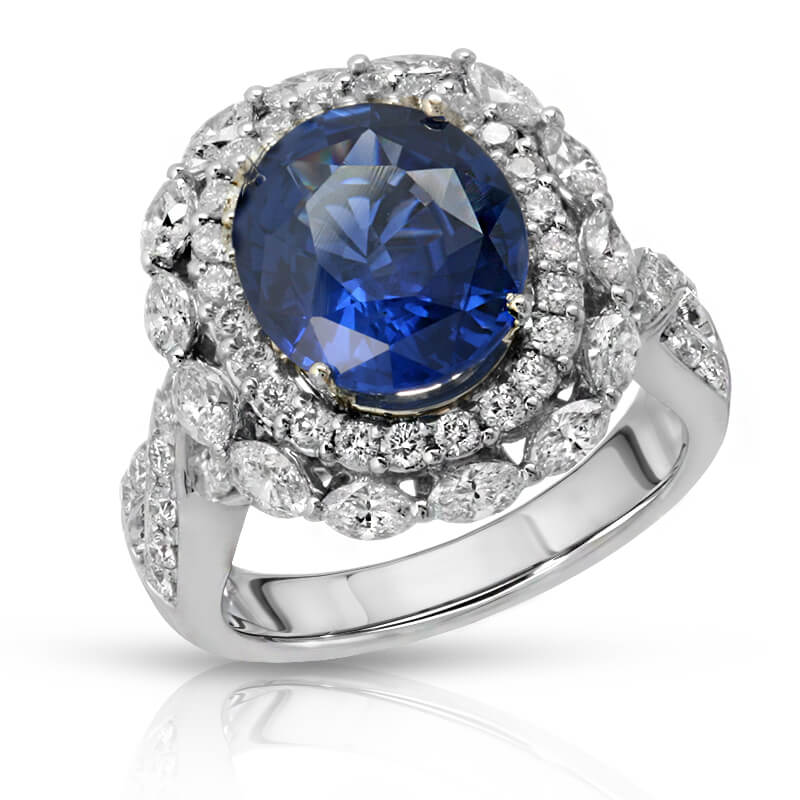
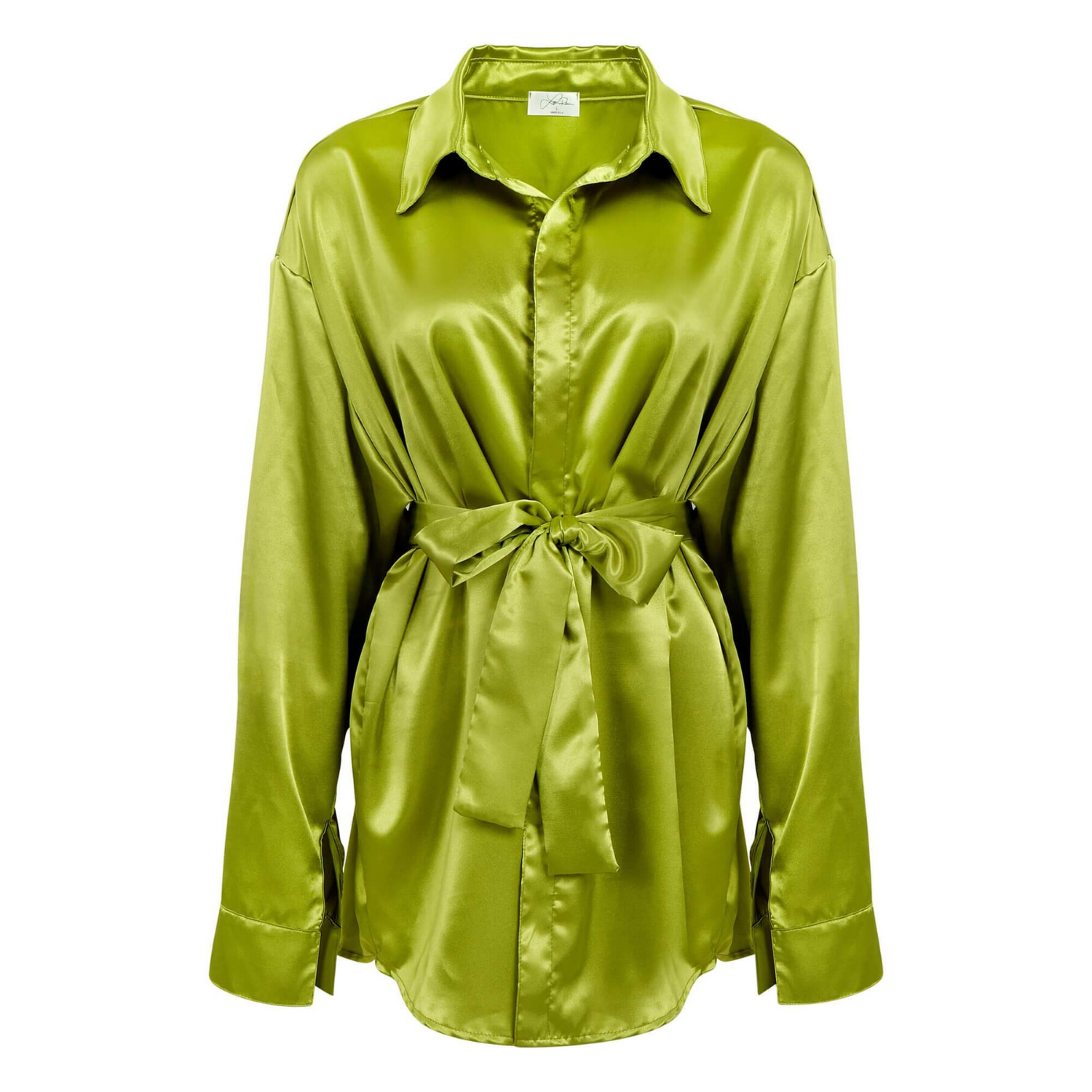
The visual approach also depends on the product category. Jewelry needs precision, clean reflections, and careful handling of gemstones and metals. Apparel needs accurate color, shape, and fabric detail. Beauty products often require polished surfaces, controlled highlights, and packaging legibility. Electronics and household goods need shape definition and realistic finish rendering. In other words, catalog photography is not one-size-fits-all.
Different products need different setups
This is where many lower-cost providers fall short. They may offer a cheap image, but not a useful one. A watch with glare on the crystal, a lipstick tube with dust visible in the finish, or a white shirt shifted slightly blue in post-production can all hurt the product’s perceived value.
An experienced studio adjusts lighting, lens choice, styling, and retouching to the product itself. That sounds basic, but it is the difference between images that simply document a product and images that actually help sell it.
Why businesses outsource instead of shooting in-house
At first glance, in-house photography can seem cheaper. Use a small setup, hire a junior creative, and shoot as needed. But once you factor in equipment, lighting control, retouching time, file management, reshoots, and internal labor, the math often changes.
Outsourcing catalog product photography services usually makes more sense when image volume is growing or quality standards are non-negotiable. Brands get a repeatable process, professional retouching, and commercial-grade output without carrying studio overhead. That is especially useful for Amazon sellers, ecommerce teams, and marketing departments juggling product launches across multiple channels.
There is a quality control benefit too. In-house setups tend to drift over time. Staff changes, priorities shift, and one person’s editing style replaces another’s. A dedicated commercial studio is built to maintain standards, not improvise around them.
Speed and cost both matter
Most brands are not choosing between perfect images and cheap images. They are trying to balance image quality, turnaround time, and budget. That is a real trade-off, and a good studio understands it.
If you need hundreds of catalog images, efficiency matters just as much as creative skill. A commercially minded provider should be able to explain turnaround expectations, pricing logic, and what level of retouching is included. Clear pricing per image is often more useful than vague package language because it helps businesses forecast costs as they scale.
What to look for in a catalog photography partner
The first thing to look at is category experience. A studio that has worked across apparel, jewelry, beauty, glassware, books, accessories, and consumer packaged goods will usually move faster because they already know the visual problems each category presents.
The second is post-production quality. Photography does not end when the shutter clicks. Dust cleanup, edge refinement, color correction, ghost mannequin work, clipping paths, and detail cleanup all shape the final result. If the retouching is careless, even a well-lit raw image can look average.
Third, ask whether the files are actually built for your channels. Catalog photography may need to serve ecommerce listings, printed catalogs, line sheets, Amazon detail pages, marketplaces, lookbooks, and ad placements. File specs, resolution, backgrounds, and crop formats should reflect how the images will be used.
Communication matters too. You should not have to chase a studio for updates or guess what stage your project is in. Fast turnaround only helps if the process is organized and reliable.
How better images affect sales performance
Product photography is not the only factor behind conversion, but it is one of the few that impacts nearly every shopper. Before anyone reads the bullets, checks the specs, or compares shipping timelines, they see the image.
That first impression shapes click-through rate, perceived product quality, and trust. Clear, polished images help shoppers understand value faster. They also reduce uncertainty, which matters for categories where texture, finish, size, and fit are hard to judge online.
There is a downstream effect as well. Better catalog images can improve internal efficiency by giving design teams cleaner assets, helping marketing teams launch campaigns faster, and reducing the number of image-related revisions. When the product visuals are right from the start, the rest of the workflow gets easier.
For brands operating on thin margins, even modest performance gains matter. A stronger image set that improves clicks or lifts conversion by a small percentage can justify the production cost quickly, especially across a large catalog.
When cheaper photography becomes expensive
Low-cost photography can work for simple needs, but there is a point where cheap becomes costly. If images need to be reshot, recolor-corrected, reformatted, or heavily retouched after delivery, the savings disappear.
This is especially true for brands selling premium or detail-sensitive products. Jewelry, beauty packaging, watches, apparel, and reflective goods all expose mistakes fast. Poor lighting, inaccurate color, or weak retouching can make a product look less expensive than it is. That hurts both conversion and brand perception.
A better approach is to choose a service that is affordable but still structured around commercial standards. That is where studios like Product Photography Studio stand out for many sellers. Fast turnaround, polished retouching, and pricing that starts low enough to support scale make professional production far more practical for growing brands.
Catalog product photography services for growing brands
The right catalog product photography services should feel like an extension of your sales operation. They should help you launch faster, present products more clearly, and keep your visual standards consistent across every channel where customers see your brand.
That does not always mean the most elaborate creative setup. In many cases, the most effective catalog image is the one that is clean, accurate, and ready on time. If the photography supports your merchandising goals, reflects the product honestly, and makes the buying decision easier, it is doing its job.
When your catalog is growing, image production cannot stay casual. Customers notice the difference between inconsistent product photos and a polished, professional presentation. So do retail buyers, design teams, and marketplace shoppers. If your current visuals are slowing down launches or underselling the product, that is usually the right moment to treat photography like the revenue tool it is.