A weak product image can cost far more than a photo shoot. Shoppers cannot touch, test, or inspect your item online, so they use your images to decide whether your listing deserves a click. If you are asking how much does product photography cost, the useful answer is not just a single rate. It is the cost of getting the right images for your sales channel, product category, and volume.
For standard ecommerce product photography, pricing can start around $12 per image for clean, professionally lit product shots. More specialized work, including jewelry, apparel, cosmetics, reflective products, styled scenes, and advanced retouching, costs more because it requires more time, equipment, and post-production. The goal is to budget for images that make your products look credible, accurate, and ready to sell.
How Much Does Product Photography Cost Per Image?
Most commercial product photography is priced per image, per product, per hour, or by project. Per-image pricing is often the easiest model for ecommerce brands because it gives you a clear way to forecast costs as your catalog grows.
A simple white-background image may cost from $12 to $40 per final image, depending on the product, quantity, and level of retouching. This is the type of image commonly used for Amazon main images, ecommerce product pages, catalogs, and marketplace listings. Higher volumes typically reduce the per-image rate because the studio can maintain the same lighting setup and production workflow across many products.
For images with more technical or creative requirements, common ranges are higher:
- Basic ecommerce images on white can range from $12 to $40 per final image.
- Detail, close-up, or alternate-angle images often range from $25 to $75 each.
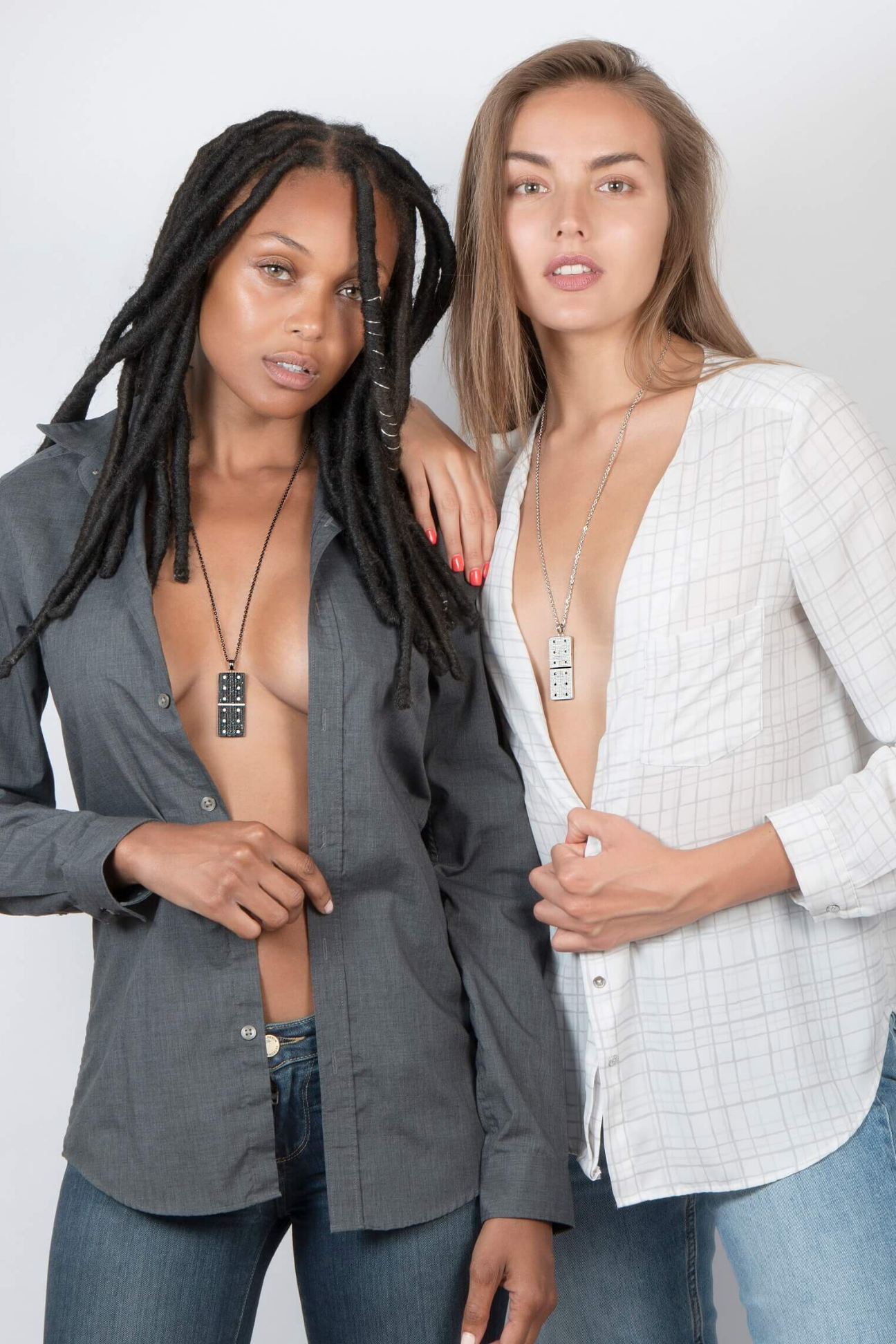
- Styled product photography can range from $75 to $300 or more per image.
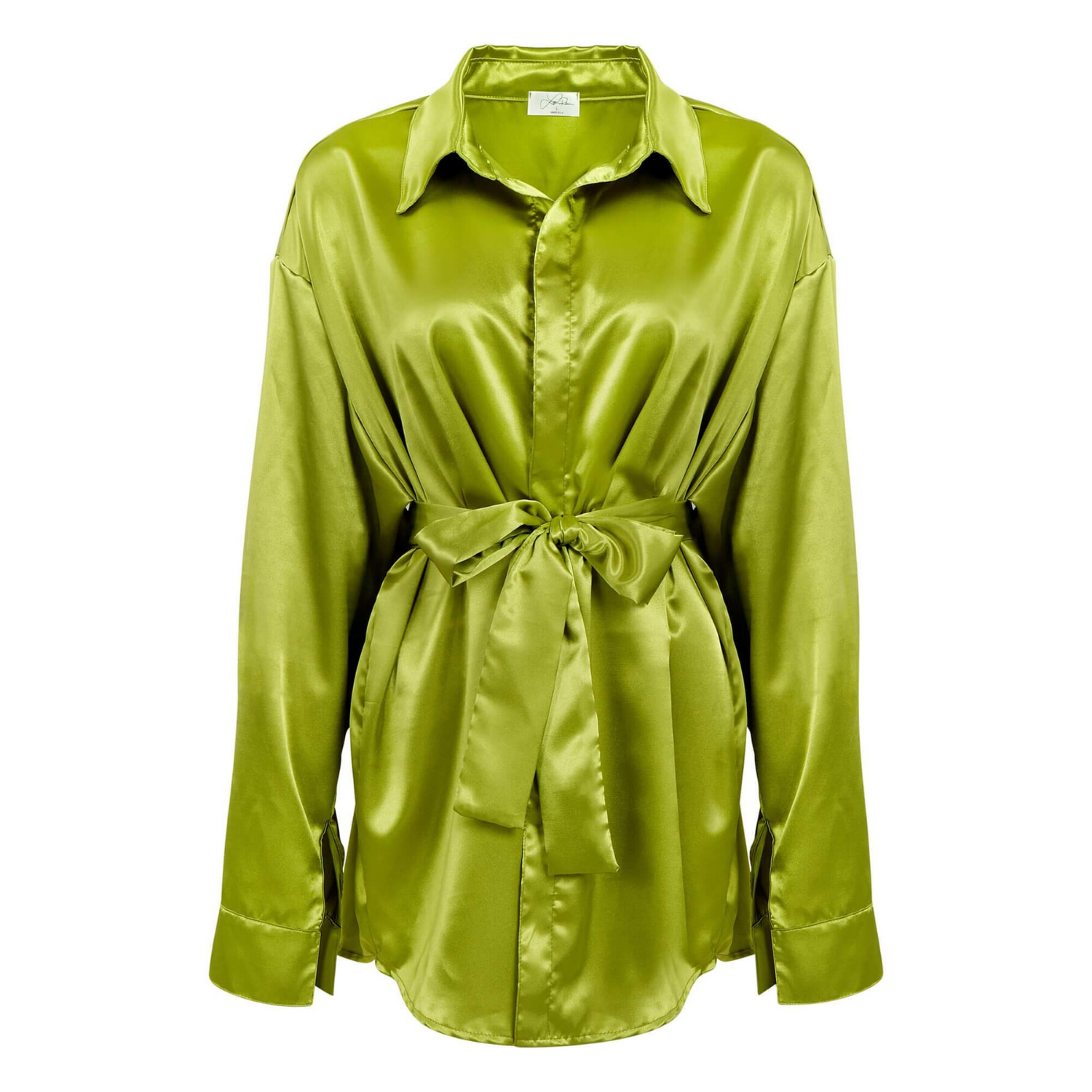
- Ghost mannequin apparel photography may range from $25 to $100 per image, depending on garment construction and editing needs.
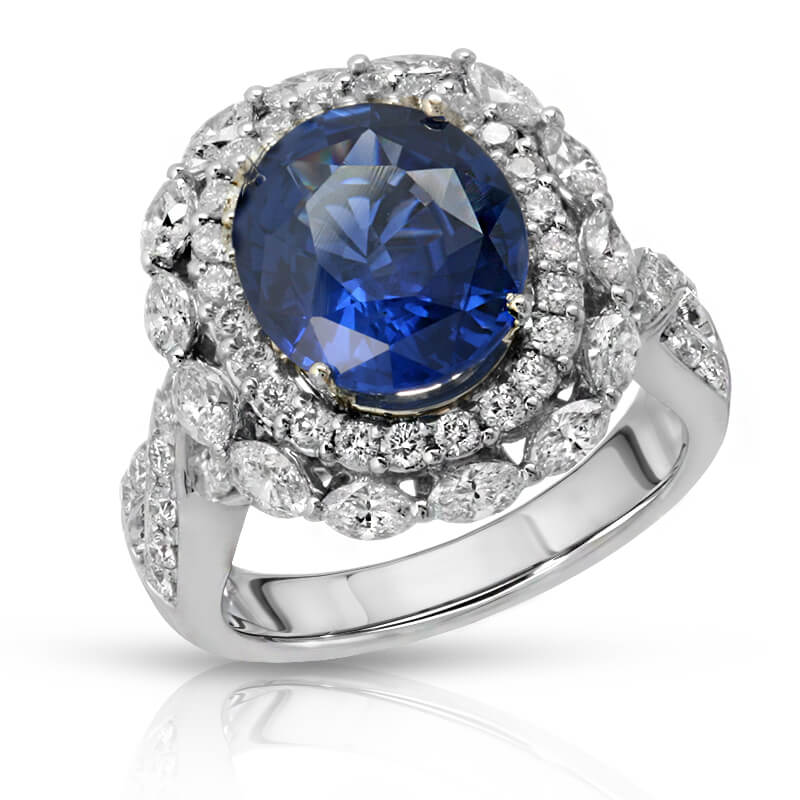
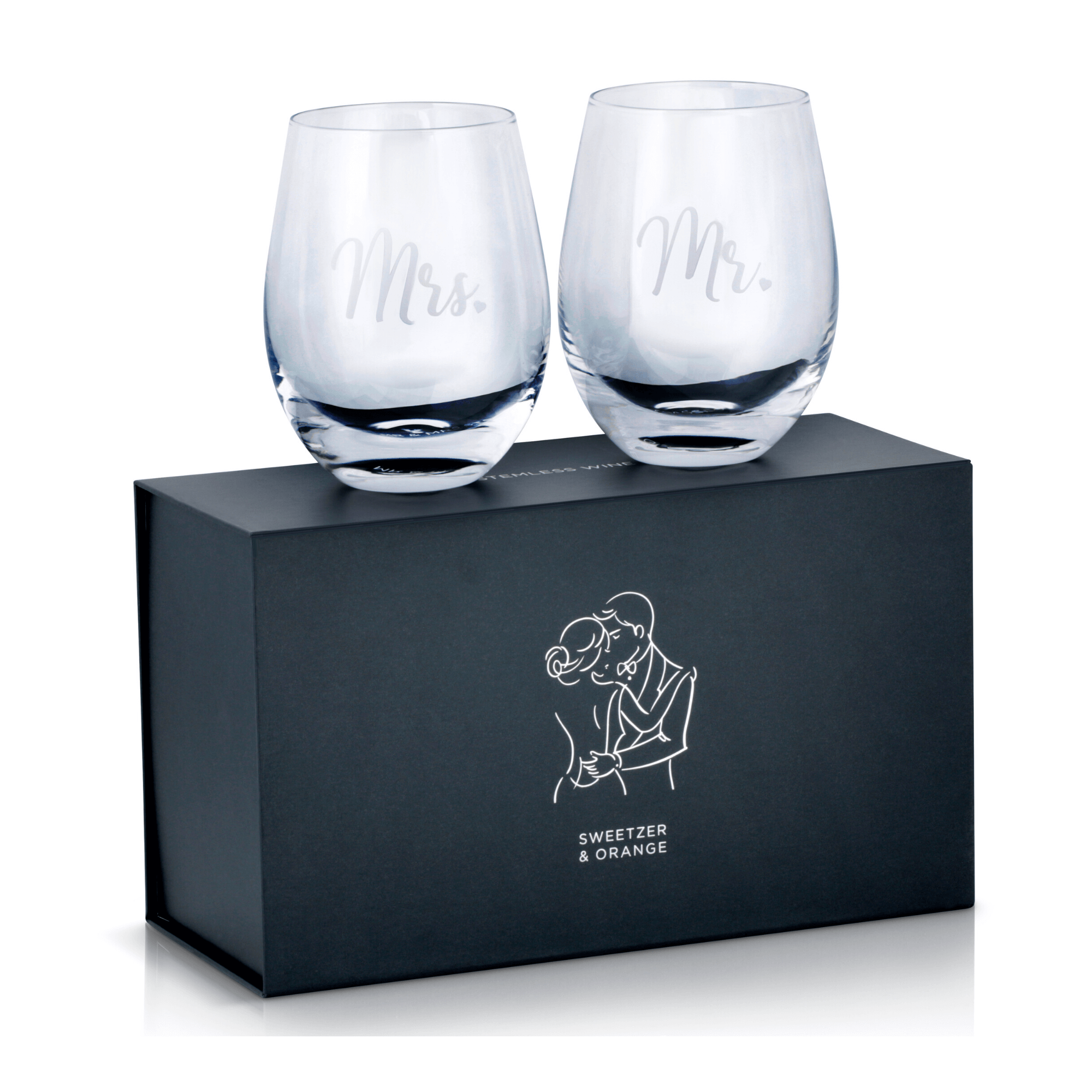
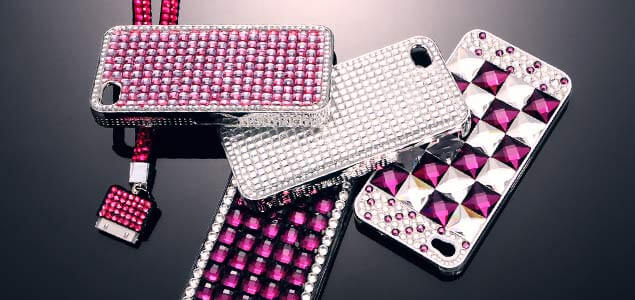
- Complex jewelry, watches, glassware, and reflective items can range from $50 to $200 or more per image.
These ranges are planning figures, not universal rules. A small bottle with a simple label is not priced the same way as a diamond ring, a clear wine glass, or a jacket that needs careful shaping, color correction, and invisible mannequin editing.
What Drives Product Photography Pricing?
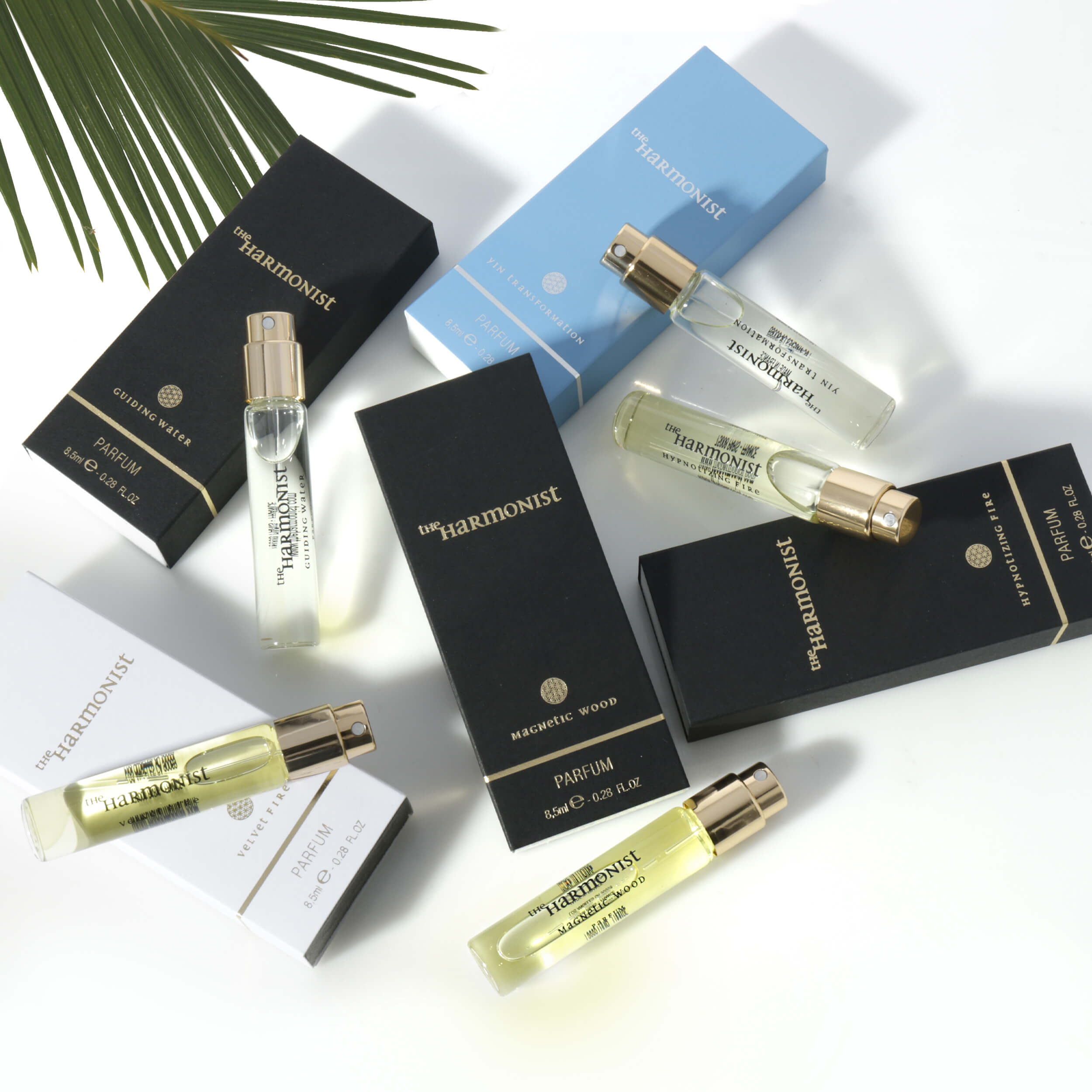
The product itself is the first factor. Items that are glossy, transparent, highly reflective, miniature, oversized, or difficult to position take longer to photograph properly. Jewelry needs controlled highlights and sharp detail without distracting reflections. Apparel needs accurate color, natural shape, and consistent fit from image to image. Beauty products often need pristine surfaces, label readability, and careful handling of metallic or glossy packaging.
The number of final images also matters. A single front-facing image has a different production cost than a full set showing front, back, sides, scale, features, packaging, and detail shots. For ecommerce, one image rarely tells the whole story. The best image count depends on what a buyer needs to understand before purchasing.
Retouching is another major cost variable. Professional cleanup is not simply applying a filter. It can include dust removal, scratch cleanup, color correction, label straightening, clipping paths, background cleanup, reflection control, shape adjustments, and consistent cropping. For products sold online, this work is what turns a technically acceptable image into a polished listing asset.
Styling and props add both value and cost. A white-background image is built for clarity and marketplace requirements. A styled image is built to create context, communicate brand personality, or support a campaign. If you sell skincare, for example, a clean packshot may be essential for the product page, while a styled scene with texture, ingredients, and lighting may be better for ads and social content. Both can be useful, but they solve different sales problems.
Per-Image Pricing vs. Project Pricing
Per-image pricing works well when you have a defined shot list and a steady flow of SKUs. It is especially practical for Amazon sellers, retailers, and growing ecommerce brands that need repeatable photography across a catalog. You know how many deliverables you need, and the budget stays tied to usable final images rather than studio time alone.
Project pricing can make more sense for launches, lookbooks, large catalogs, or campaigns involving models, sets, extensive styling, and multiple product variations. A project quote may include pre-production, photography, retouching, file organization, and delivery. It gives the studio room to plan the complete production instead of treating each frame as a separate task.
Hourly pricing is common with individual photographers, particularly when the scope is still developing. It can be appropriate for a creative campaign, but it is less predictable if the number of final images, revisions, or styling requirements is unclear. Before approving an hourly shoot, confirm what is included in the rate and how retouching will be billed.
What Should Be Included in Your Quote?
A low price is only a good value when it includes the files and finishing work your business actually needs. Before comparing product photography quotes, ask whether the pricing covers photography, basic retouching, high-resolution delivery, web-ready versions, background treatment, and royalty-free usage rights.
Also clarify whether the quote is based on final images or raw captures. A studio may take many frames to create one polished final image. The final deliverable is what matters for your product page, listing, ad, or print piece.
Turnaround time should be part of the conversation as well. If a new product launch, retail deadline, or marketplace update is approaching, fast delivery has real commercial value. A dependable studio workflow helps keep your listings live and your marketing calendar moving without sacrificing image quality.
Budget by Product Type, Not Just Product Count
A common budgeting mistake is to count products without considering the work each category requires. Ten office supplies may be straightforward to light and photograph in a consistent setup. Ten watches can require much more time due to reflective materials, small details, and the precision needed to make premium products look premium.
Start by grouping your products into categories: simple items, apparel, small detailed products, reflective products, and products requiring styled scenes. Then decide how many images each category needs. This gives you a more accurate budget than multiplying every SKU by the same flat rate.
For a new ecommerce listing, a practical image plan might include a clean hero image, two alternate angles, one detail shot, one scale or feature image, and one lifestyle or styled image where appropriate. Not every product needs every image type. Commodity products may sell well with straightforward consistency, while higher-priced, technical, or visual products often benefit from more proof and context.
When Cheaper Photography Becomes Expensive
The lowest quote can create expensive problems when images fail marketplace standards, show inaccurate color, leave visible dust or wrinkles, or look inconsistent across your store. Re-shooting products, rebuilding listings, and losing buyer confidence can quickly erase the savings.
This does not mean every product requires a large campaign budget. It means the production level should match the sales opportunity. A basic white-background shot may be exactly right for a high-volume household item. A luxury accessory, beauty launch, or apparel collection may need more attention because presentation directly supports perceived value.
At Product Photography Studio, pricing can start as low as $12 per image for qualifying product photography projects, with professional retouching, high-resolution files, and a production approach built around ecommerce performance. The final quote depends on your products, shot list, volume, and delivery requirements, not unnecessary complexity.
How to Get an Accurate Product Photography Quote
A clear brief produces a clearer quote. Send product photos, dimensions, quantities, a list of required angles, examples of the visual style you want, and where the images will be used. Mention whether you need Amazon-compliant white backgrounds, color-critical apparel work, print-resolution files, transparent backgrounds, or lifestyle scenes.
It also helps to identify your priority. Are you trying to launch quickly, standardize an existing catalog, improve low-converting listings, or build campaign assets for a new collection? The answer affects the right image mix and prevents you from paying for images that do not serve your immediate business goal.
Your product images should earn their place in the budget. Choose a production plan that gives shoppers the confidence to click, understand the product, and buy without hesitation.