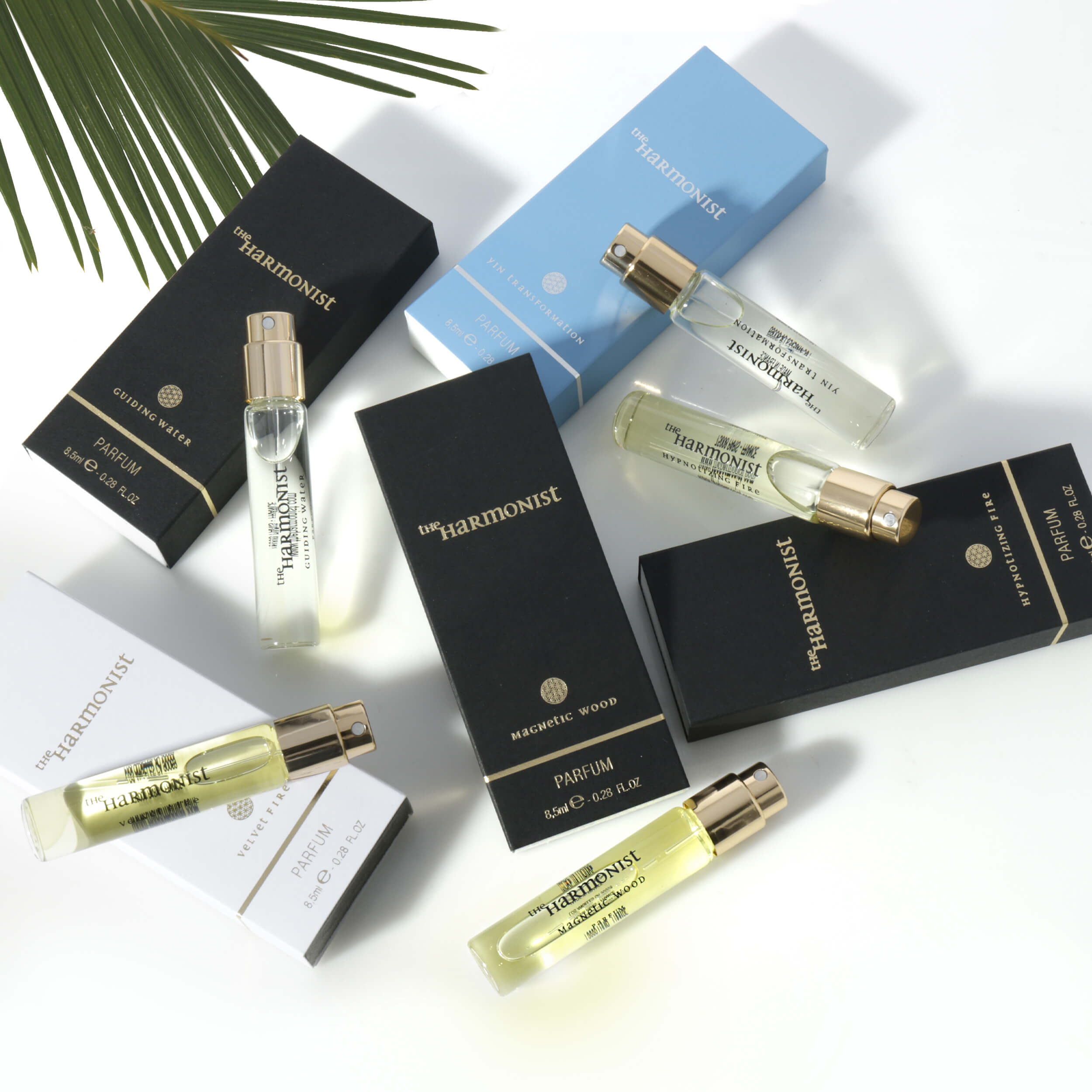
A shopper cannot hold your product, inspect its finish, or compare its real color from a screen. Your images have to do that work in seconds. The right ecommerce photography agency turns a product listing into a clearer, more credible buying decision with images that show exactly what customers need to see.
For Amazon sellers, direct-to-consumer brands, and retail teams, professional photography is not a cosmetic upgrade. It affects click-through rates, customer confidence, return rates, and whether a product line looks like a cohesive brand rather than a collection of unrelated listings.
What an Ecommerce Photography Agency Should Deliver
A commercial product photography partner should do more than place an item on a white background and send a file. The job is to create accurate, marketplace-ready visual assets that meet technical requirements while making the product look appealing, premium, and easy to understand.
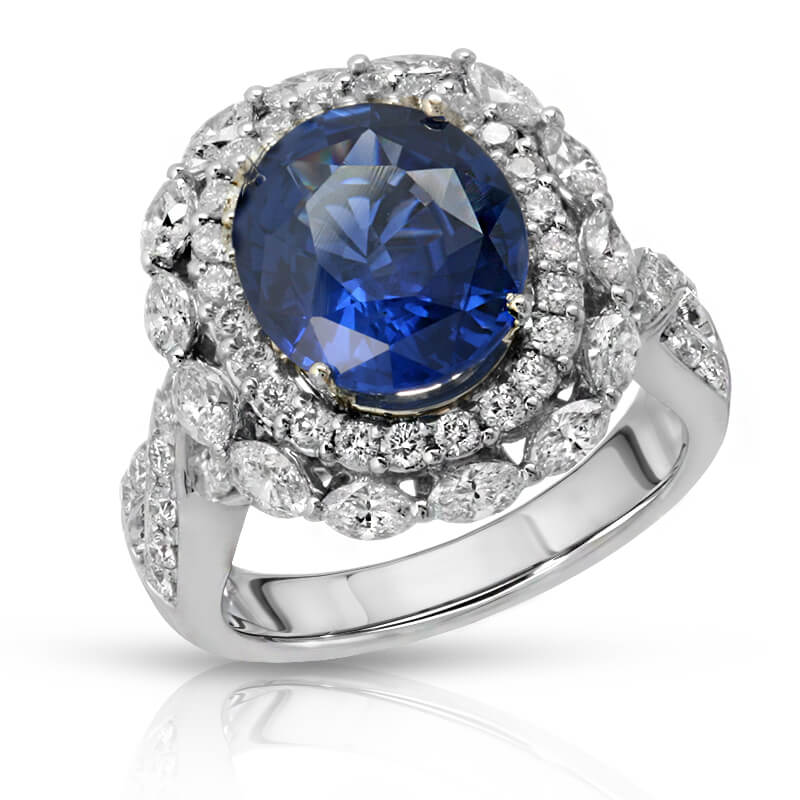
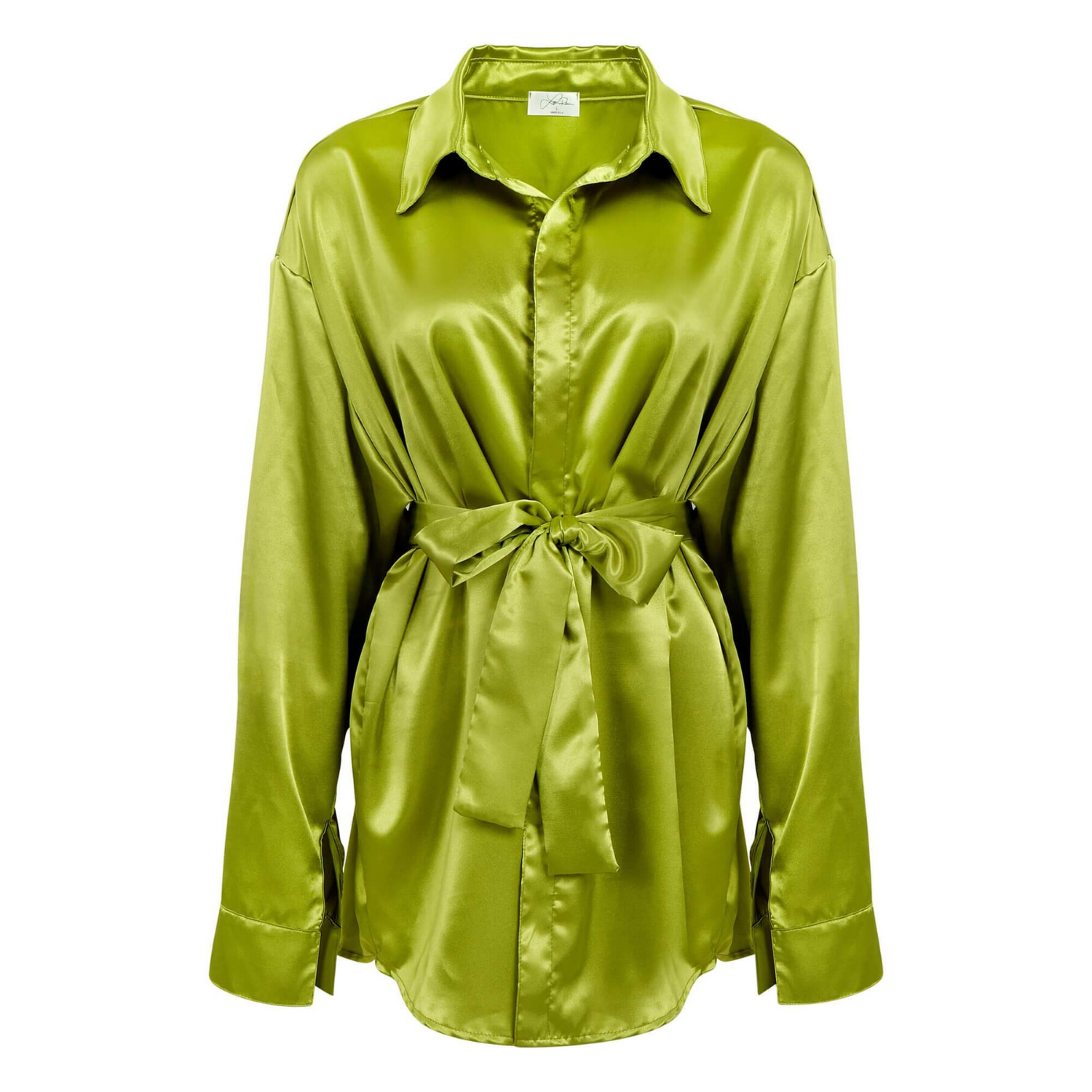
That starts with controlled lighting. Jewelry needs lighting that reveals metal texture and gemstone brilliance without harsh reflections. Apparel needs accurate color, clean shaping, and enough fabric detail to communicate fit and quality. Beauty products need polished surfaces and readable labels. Electronics need a careful balance of edge definition, screen detail, and reflection control.
Every product category creates a different set of challenges. A studio with broad category experience can anticipate them before a shoot begins, rather than relying on a one-size-fits-all setup that makes every item look flat.
A reliable ecommerce photography agency should also deliver files prepared for where they will be used. A hero image for Amazon has different requirements from a lifestyle image for a brand website, a high-resolution catalog file, or a close-up detail image for a paid social campaign. The strongest production process plans for those uses early, saving time and avoiding expensive reshoots.
Why Product Images Have a Direct Sales Impact
Online shoppers make fast judgments. If the lead image is dark, poorly cropped, inconsistent, or unclear, many will move on before reading the product description. Strong images earn attention first, then answer questions that might otherwise stop a purchase.
A complete image set can show scale, materials, texture, packaging, key features, and product variations. For apparel, it can clarify how a garment drapes and how its color appears under neutral lighting. For a watch or piece of jewelry, close-up photography can demonstrate craftsmanship that a standard product shot cannot capture. For household goods or electronics, angle variations can make dimensions and usability easier to understand.
This is also where professional retouching matters. Retouching should remove dust, scratches, unwanted reflections, loose threads, and minor production distractions while keeping the product believable. Over-retouching can make a beauty bottle look plastic, alter the finish of a metal accessory, or shift the true color of an apparel item. The goal is a clean, sales-ready image that accurately represents what arrives at the customer’s door.
Color accuracy is especially valuable for brands that sell apparel, cosmetics, décor, accessories, and other products where expectations are visual. Images that look attractive but misrepresent color can create disappointed customers and unnecessary returns. Good photography protects both conversion and customer satisfaction.
Choosing an Ecommerce Photography Agency for Your Product Line
The lowest quote is not always the lowest-cost option. A cheap shoot that produces inconsistent images, requires multiple rounds of corrections, or fails marketplace specifications can cost more than a professionally managed project from the start. At the same time, high-quality work should not require the expense of building an in-house studio team.
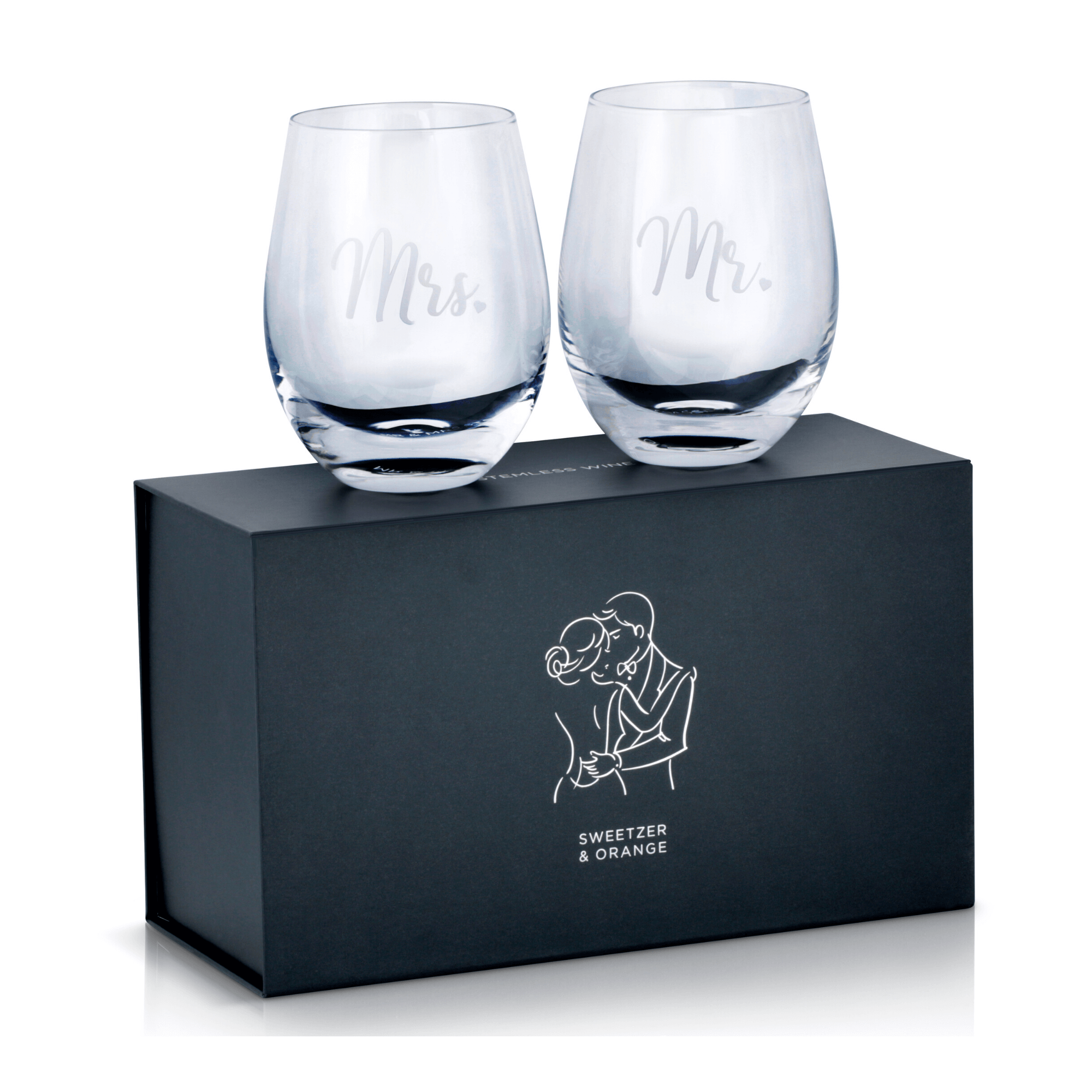
When comparing providers, look beyond a general portfolio. Ask whether the studio has photographed products similar to yours and whether its work shows consistent lighting, accurate color, clean cutouts, and thoughtful detail shots. A studio that understands your category will know where problems usually appear: fingerprints on glassware, reflections in polished metal, color shifts in fabric, or unreadable labels on glossy packaging.
It also helps to understand what is included in the image price. Clarify the expected number of angles, background style, level of retouching, file dimensions, and whether the final assets include royalty-free usage rights. A clear scope makes budgeting easier and prevents surprises after production starts.
Speed matters, but it should be organized speed. Fast turnaround is valuable when inventory arrives, a seasonal launch is approaching, or a marketplace listing needs to go live quickly. The process should still include proper intake, product handling, photography, retouching, quality review, and delivery. Rushing past those steps can create errors that delay your launch anyway.
Questions worth asking before you send products
A productive conversation with a studio should establish your selling channels, brand standards, and product priorities. Ask how the studio handles color matching, reflective materials, ghost mannequin apparel photography, image naming, and large product volumes. If you need Amazon-compliant white-background images plus lifestyle or infographic-style assets, make sure the production plan accounts for both.
You should also ask about shipping and handling procedures. For valuable products such as jewelry, watches, gemstones, or limited-run samples, secure tracking and clear intake documentation matter. For recurring ecommerce work, ask whether the studio can maintain the same lighting and editing standards as your catalog grows.
Build the Right Image Mix, Not Just One Good Photo
A strong main image gets the first click. It rarely closes the sale by itself. Shoppers usually need a sequence of images that removes uncertainty without making the gallery repetitive.
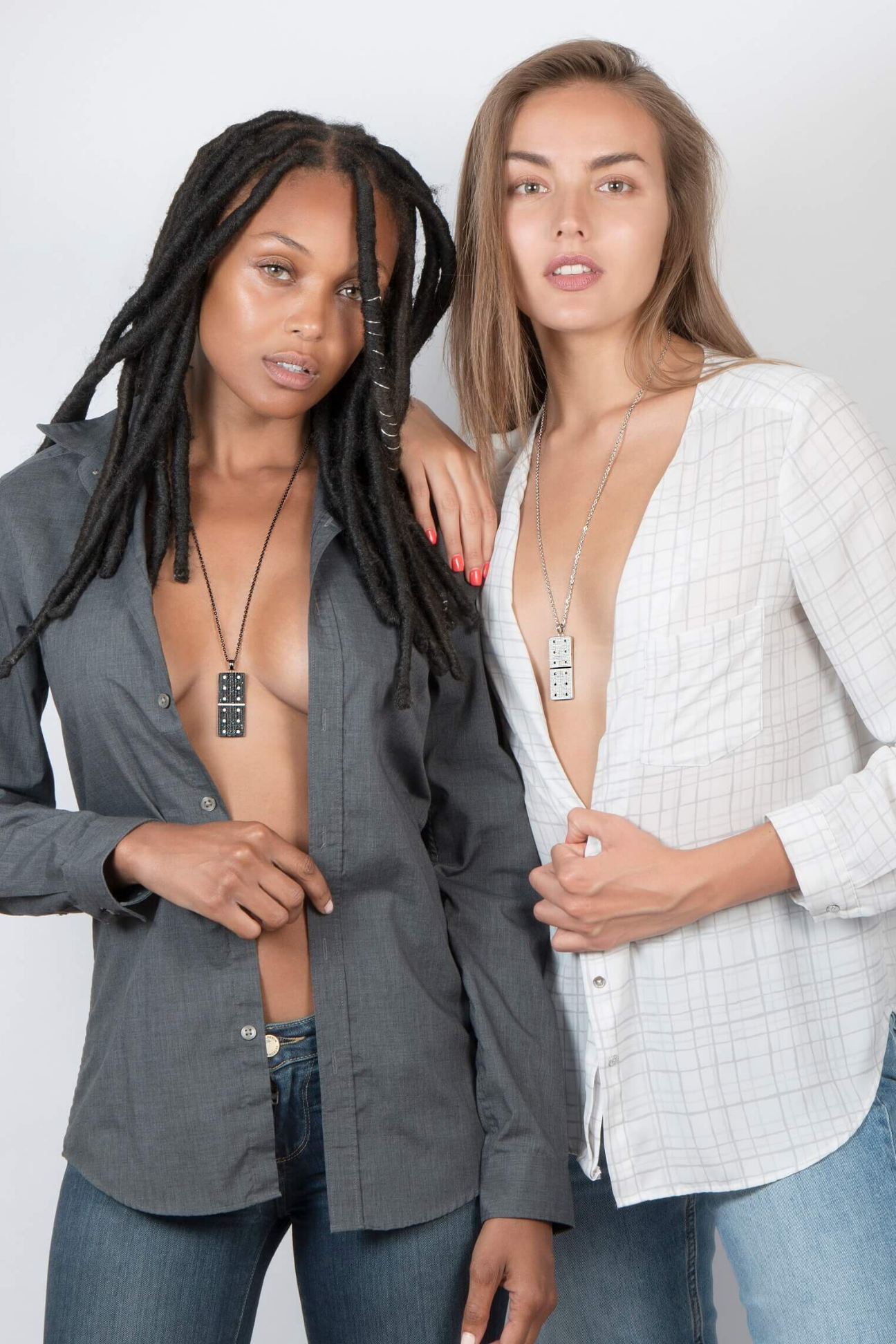
For most ecommerce products, that sequence includes a clean hero image, alternate angles, close-up detail shots, scale or dimension references, and feature-focused visuals where appropriate. Lifestyle photography can add context by showing how a product is worn, used, displayed, or gifted. It is useful when it explains value, but it should support the product rather than hide it.
The ideal mix depends on the item and the selling channel. A simple office supply may need clean catalog angles and a clear size reference. A premium skincare product may benefit from texture shots, packaging detail, and carefully styled images. A fashion brand may require front, back, side, detail, and ghost mannequin views across dozens of SKUs to keep the storefront consistent.
Consistency is a competitive advantage. When every listing uses matching crops, backgrounds, shadows, color treatment, and image proportions, customers can browse faster and the brand feels more established. That consistency becomes even more valuable as your catalog expands across marketplaces, wholesale presentations, print materials, and advertising campaigns.
Prepare Products for a Faster, Better Shoot
The quality of the final photography begins before the products arrive at the studio. Send final production units whenever possible, not early samples with incorrect labels, imperfect surfaces, or unfinished packaging. Clean each item carefully and inspect it under bright light. Small dust particles, glue residue, wrinkles, and fingerprints become highly visible in high-resolution commercial images.
Include color references or approved samples if accurate color is critical. For products with multiple variants, label each item clearly and provide a simple shot list that identifies required angles, priority details, and intended channels. If a product has moving parts, special assembly needs, or fragile components, provide concise handling instructions.
A good studio will guide this process and flag questions early. That communication is not an extra step. It is how a production team avoids photographing the wrong variation, missing a key feature, or delivering assets that need to be rebuilt later.
Affordable Production That Can Scale
Many growing brands delay professional photography because they assume it is only practical for large companies. The better approach is to select a service model that fits the volume and complexity of your current catalog, then scale as launches and inventory increase.
For straightforward ecommerce images, professional product photography can start as low as $12 per image, depending on the product and scope. More complex items, specialty retouching, styled sets, on-model apparel, and advanced creative direction require additional planning. The key is to invest where imagery has the biggest commercial impact: your best-selling products, new launches, high-margin collections, and listings with weak conversion.
Product Photography Studio helps brands produce high-resolution, professionally retouched product imagery for ecommerce, Amazon, catalogs, and print. With experienced handling across categories from jewelry and apparel to beauty, electronics, glassware, and household goods, the focus stays on images that are polished, accurate, and ready to sell.
Your product may be competing against dozens of similar listings. Give shoppers a reason to stop, look closer, and trust what they see.