A customer cannot touch a product through a screen. They cannot feel the weight of a watch, test the texture of a moisturizer, or check the true color of a dress. Commercial photography closes that gap by giving shoppers the visual information they need to feel confident clicking Add to Cart.
For ecommerce brands, marketplace sellers, and retail teams, product images are not a finishing touch. They are part of the sales process. Clear, consistent, professionally retouched photography can improve listing quality, support brand credibility, and help customers understand exactly what they are buying before it arrives.
What Commercial Photography Does for Product Brands
Commercial photography is created for business use. Its job is not simply to make a product look attractive. It is designed to present products accurately, meet channel requirements, support advertising and merchandising, and move customers toward a purchase.
That purpose affects every decision in the studio. Lighting has to reveal material, shape, and finish without creating distracting glare. Camera angles need to answer common buyer questions. Retouching should remove dust, scratches, and minor imperfections while preserving the product’s real color and construction. The final image must look polished, but it also has to be believable.
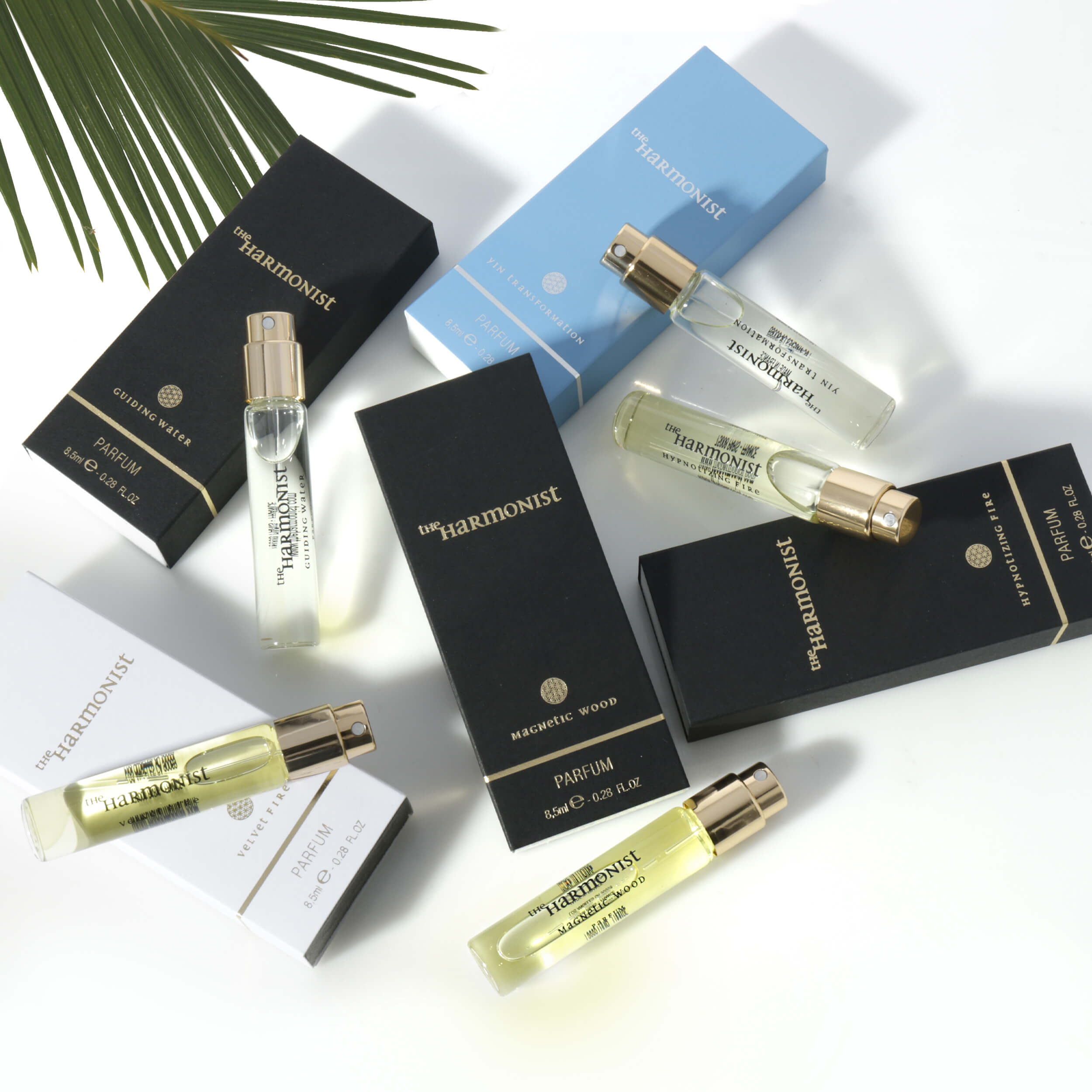
A strong image set reduces uncertainty. A shopper viewing a handbag should see its overall silhouette, hardware, interior, texture, and scale. A beauty customer needs to see packaging details, shade accuracy, and surface finish. An electronics buyer wants visible ports, controls, accessories, and product dimensions. One generic front-facing image rarely does all of that work.
For brands selling across Amazon, direct-to-consumer sites, catalogs, social campaigns, lookbooks, and print, professional photography also creates consistency. Customers begin to recognize a brand through repeated visual standards: clean backgrounds, reliable color, considered styling, and a point of view that fits the product category.
Where Product Images Have the Biggest Sales Impact
The main product image earns the first click. It needs to be clean, easy to read at a small size, and compliant with the requirements of the marketplace or storefront where it appears. For many ecommerce listings, this means a well-lit product on a pure white background with no visual clutter.
Once a shopper opens the listing, the supporting images need to carry the decision forward. Detail shots show craftsmanship. Alternate angles explain form. Lifestyle images provide context and scale. Feature callouts can clarify benefits when used carefully and within platform rules. The right mix depends on the product, price point, buyer expectations, and sales channel.
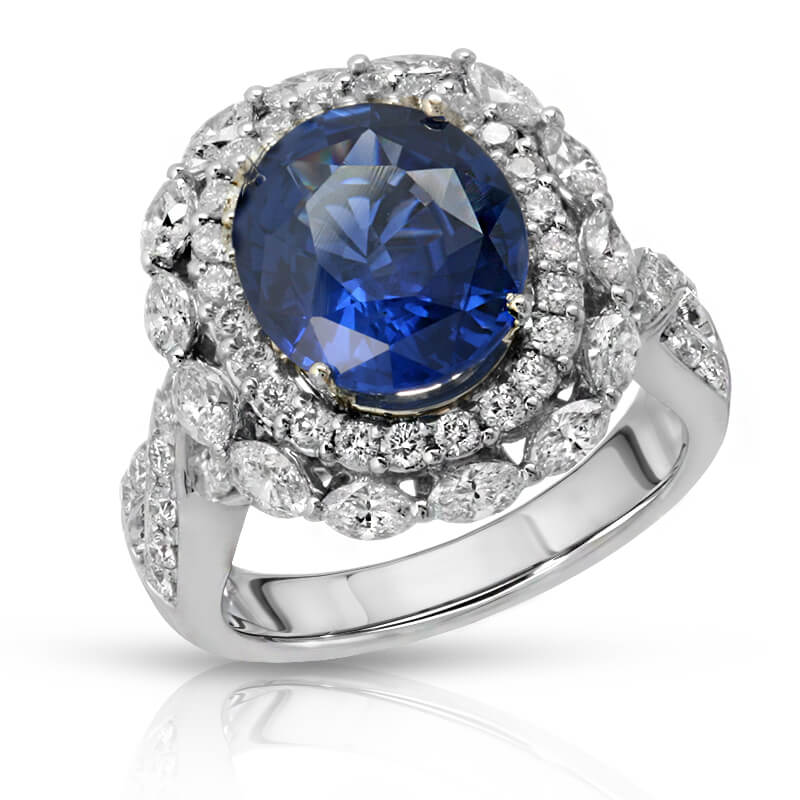
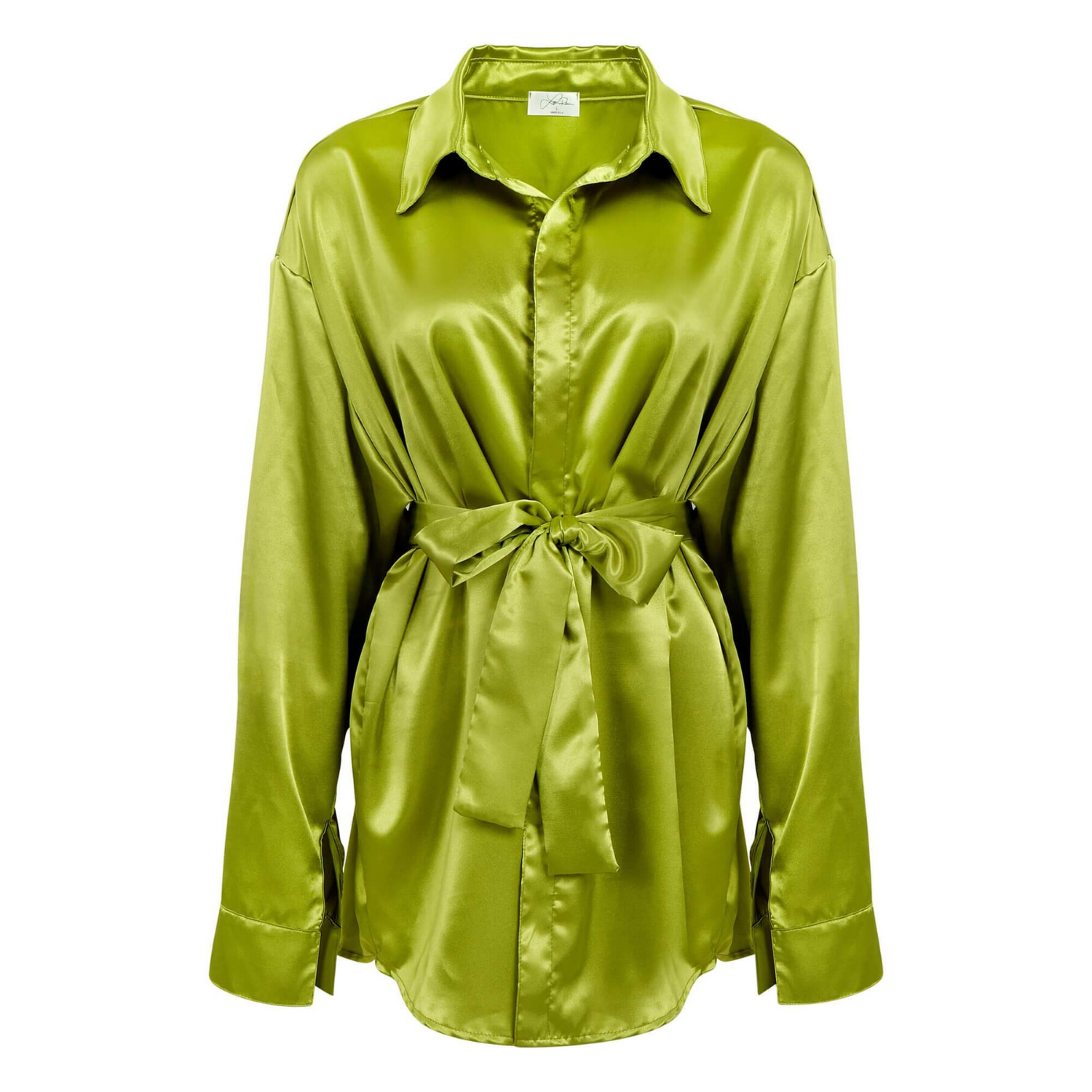
A low-cost household item may need simple, highly readable images that communicate function quickly. Fine jewelry may require close-up photography that captures stone detail, metal finish, reflections, and delicate construction. Apparel requires particular care because inaccurate color or poor garment shaping can lead to disappointment and avoidable returns.
The goal is not to fill a listing with images for the sake of quantity. It is to make each image answer a customer question. What is it? What does it look like from another side? How large is it? What makes it different? How will it look or work in real life?
The Elements of Effective Commercial Photography
Accurate color comes first
Color accuracy is a business issue, not just a creative preference. If a customer receives a navy garment that looked black online, or a lipstick shade that appeared much warmer on screen, trust drops quickly. That can result in returns, negative reviews, and more customer-service work.
Professional product photography uses controlled lighting, calibrated workflow, and thoughtful post-production to achieve dependable color. This matters especially for apparel, cosmetics, gemstones, furniture, glassware, and any product where finish or shade influences the purchase decision.
There are limits, of course. Screens vary, and some materials react differently under light than they do in a customer’s home. But accurate studio work gives buyers the closest possible representation and gives your brand a far stronger starting point than inconsistent in-house snapshots.
Lighting should reveal, not distract
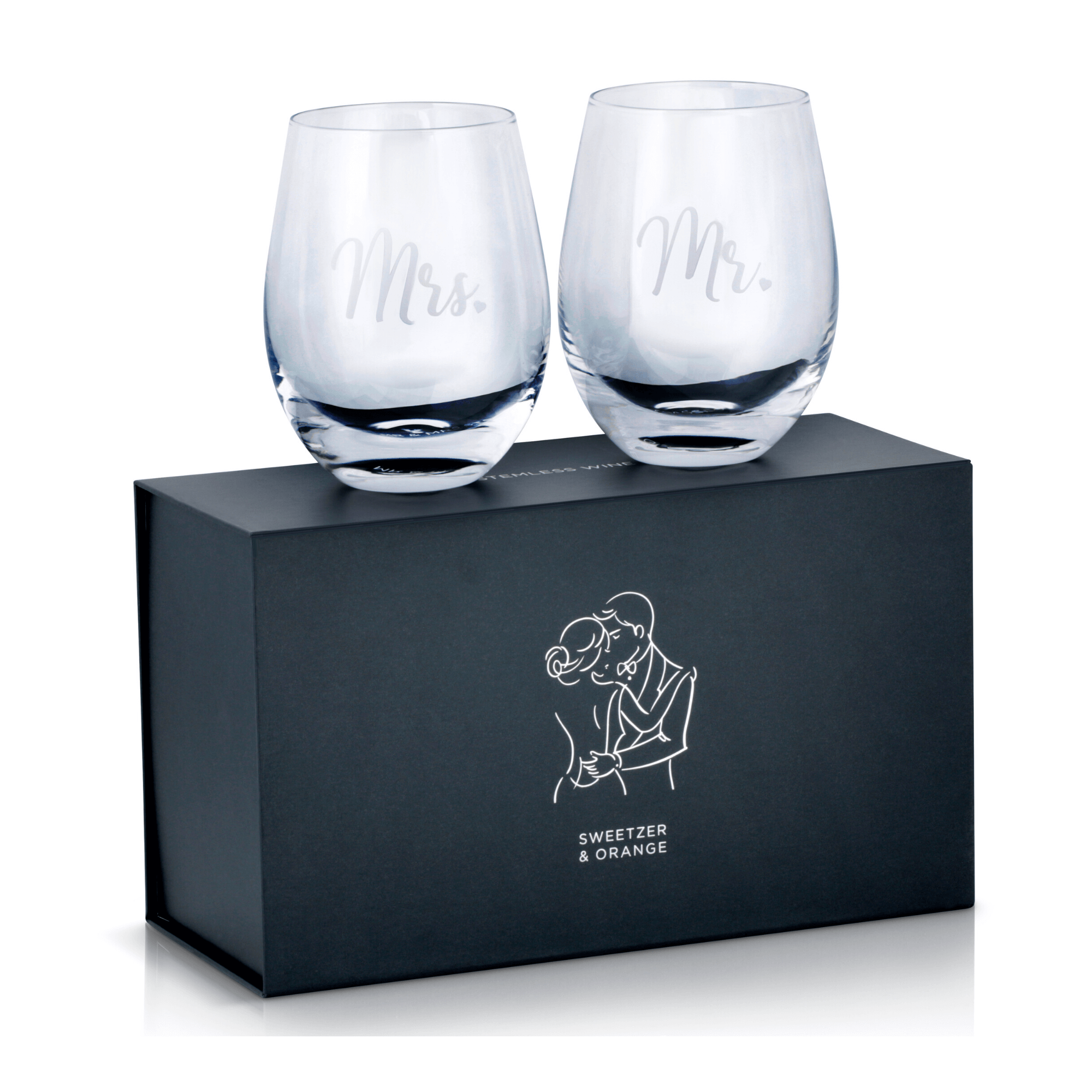
Good lighting makes a product easier to understand. It defines the polished edges of a metal accessory, reveals the weave of fabric, shows the transparency of glass, and preserves label readability on a bottle. Poor lighting does the opposite: it can flatten texture, hide important details, create unwanted reflections, or make a product look cheaper than it is.
Different categories require different approaches. Jewelry often needs detail-focused lighting to manage reflections and bring out stone brilliance. Beauty products need clean surfaces and controlled highlights. Apparel needs even lighting that preserves color while showing shape. Reflective electronics and glossy packaging require careful handling to avoid seeing the studio in the product itself.
This category-specific approach is why a single lighting setup is rarely right for every item in a catalog.
Retouching protects the product presentation
Every product arrives with small visual issues that become obvious under high-resolution lighting: dust, fingerprints, loose threads, tiny scratches, uneven labels, or unwanted reflections. Professional retouching removes these distractions so customers see the product at its best.
The key is restraint. Over-retouching can make materials look artificial, remove meaningful texture, or misrepresent the item being sold. The best post-production cleans and refines the image without changing what the customer will actually receive.
For ecommerce, consistent retouching also matters across an entire product line. When every item has the same background standard, crop discipline, shadow treatment, and color quality, the storefront looks organized and credible.
Planning a Shoot That Produces Usable Assets
The most efficient shoots begin before products reach the studio. Decide where the images will be used, what each channel requires, and which product features need special attention. This prevents a common and expensive problem: receiving attractive photos that do not fit the listing, ad placement, catalog layout, or marketplace specification.
Start with a clear shot list. Include the required hero image, alternate views, detail shots, packaging, bundles, size references, and any lifestyle or editorial concepts. If you sell variations, identify which colors, sizes, or finishes need individual photography and which can be handled through approved color adjustments.
It also helps to provide product information with the shipment. Notes about fragile areas, removable parts, material details, correct assembly, preferred angles, and brand requirements allow the studio to work faster and reduce revisions. For apparel, include size, fit guidance, and any color references. For jewelry and watches, call out important details such as engraving, clasps, stone cuts, or branded hardware.
A good commercial photography partner should be able to work across these details without turning the process into a burden for your team. Fast turnaround matters, but speed should come from an organized workflow, not skipped quality control.
Choosing the Right Image Mix for Your Channel
White-background product photography is essential for many ecommerce and Amazon listings because it provides clarity and consistency. It is also versatile enough for product pages, comparison charts, catalogs, and paid shopping ads.
But white background is not the entire visual strategy. Lifestyle photography can show scale, use, mood, and customer relevance. A beverage photographed in a real serving setting can communicate occasion. A tote bag shown in use explains capacity. A desk accessory in a workspace shows how it belongs in a buyer’s routine.
The trade-off is that lifestyle imagery requires more planning. Props, surfaces, models, styling, and set design can elevate a campaign, but they should support the product rather than compete with it. For a new seller with a limited budget, clean catalog images may be the priority. For an established brand launching a collection or running paid campaigns, a combination of clean product shots and lifestyle assets often delivers more value.
Image quantity depends on the product and channel as well. A simple office supply may only need a hero image, a few angles, and a clear feature image. A premium skincare set, watch, or apparel product may need a more complete set to justify its price and reduce hesitation.
Make Your Photography Investment Work Harder
The best commercial photography is planned for reuse. High-resolution, professionally retouched files can support product pages, marketplace listings, printed materials, email campaigns, wholesale presentations, social content, and advertising. Royalty-free usage rights give brands more flexibility to use their image library where it has the most commercial value.
Consistency becomes especially valuable as your catalog grows. Instead of solving product imagery one listing at a time, build a visual standard that can scale across categories and future launches. That makes the brand easier to shop, easier to recognize, and easier for your internal team to manage.
At Product Photography Studio, clients can access polished, high-resolution product images with fast turnaround and pricing starting as low as $12 per image. The focus is practical: create images that meet selling requirements, represent products accurately, and give customers a stronger reason to choose your brand.
When your next product launch is being planned, treat photography as part of the merchandising decision, not the final production task. The right images can make a product easier to trust before a customer ever holds it.