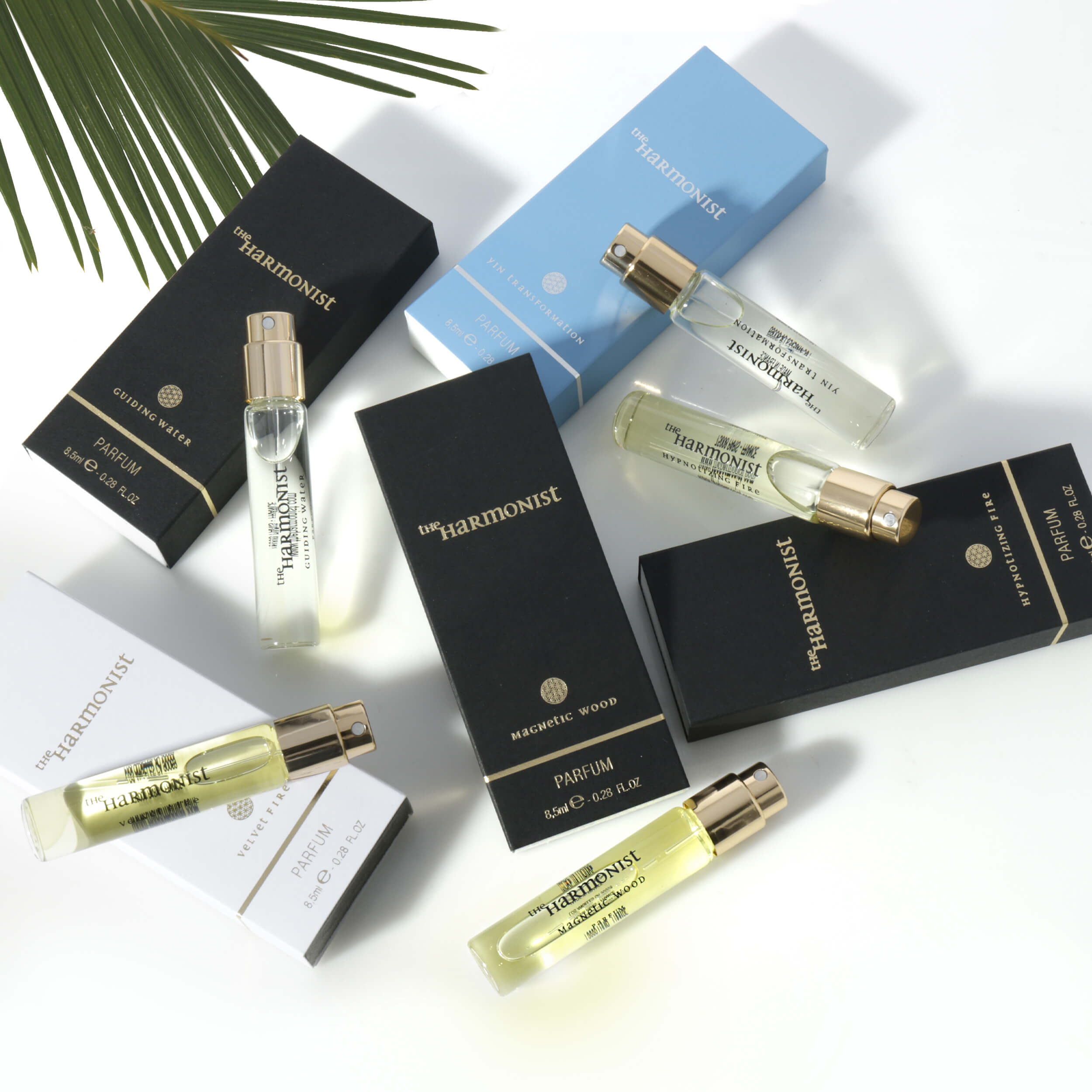
A customer cannot feel the weight of a sweatshirt, check the drape of a dress, or inspect a seam through a product page. They make the buying decision from what they can see. That is why apparel photography Los Angeles brands rely on must do more than make clothing look attractive. It must answer the questions that prevent a shopper from clicking Add to Cart.
For ecommerce stores, Amazon sellers, apparel startups, and established retail teams, strong images make products easier to understand and easier to trust. Consistent lighting, accurate color, visible construction details, and the right mix of flat lay, ghost mannequin, and on-model photography can improve listing quality without creating a complicated production process.
What Effective Apparel Photography Must Show
Clothing is one of the hardest product categories to photograph well because the product changes shape depending on how it is styled. A jacket can look structured on a hanger and boxy on a model. A knit can appear heavier under poor lighting than it does in person. Even a small color shift can lead to disappointed customers, returns, and avoidable customer-service requests.
The goal is not simply to create a beautiful campaign image. It is to give shoppers a clear, consistent view of the product before it arrives at their door. A dependable apparel image set normally communicates silhouette, material, fit, color, texture, and key functional details such as pockets, closures, lining, labels, or stitching.
For many product pages, one image is not enough. The lead image needs to stop the scroll and meet marketplace requirements. Supporting images then do the practical work: front and back views, close-ups of fabric texture, a view of the neckline or waistband, and a styled image that shows scale and fit. The exact shot count depends on the garment and selling channel, but every image should earn its place.
Apparel Photography Los Angeles Brands Can Scale
Los Angeles is home to clothing manufacturers, fashion labels, marketplace sellers, and creative teams working on tight launch schedules. The challenge is rarely finding a visual idea. It is producing a large volume of polished, consistent images at a price that makes sense for the inventory.
A scalable studio process keeps the work moving from sample receipt through final delivery. Garments should be checked, steamed, lint-rolled, styled, photographed, and retouched with a consistent standard. This matters when a collection includes ten pieces, and it matters even more when it includes hundreds of SKUs across multiple colors and sizes.
Product Photography Studio supports apparel brands that need commercial-quality imagery without the overhead of an in-house production team. High-resolution files, professional retouching, fast turnaround, and royalty-free usage rights give brands practical assets for ecommerce stores, catalogs, marketplaces, lookbooks, and print.
Affordable pricing is part of the production equation. If images cost too much to create, brands may cut necessary angles or postpone updates when inventory changes. A studio model with pricing as low as $12 per image can make it easier to build complete, conversion-focused product pages while keeping launch costs under control.
Choose the Right Style for the Product and Channel
There is no single best apparel photography format. The right approach depends on the garment, the brand position, and where the images will appear.
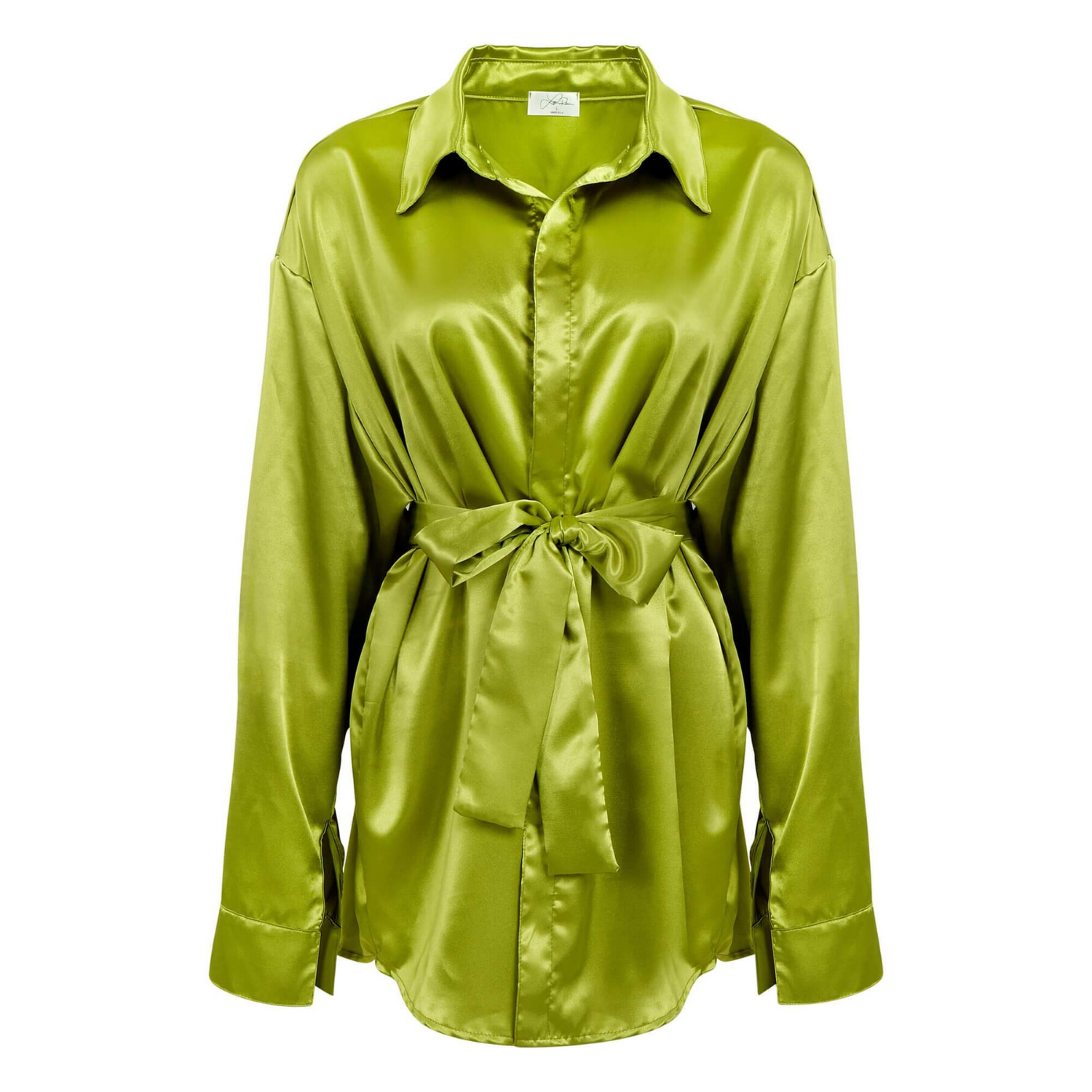
Ghost mannequin photography is a strong option for shirts, jackets, dresses, activewear, and other garments where shape matters. It creates a clean, dimensional presentation without placing a visible model in the frame. Shoppers can see the garment’s structure, while the brand keeps the focus on the product itself. It is especially useful for ecommerce catalogs that need consistency across many styles.
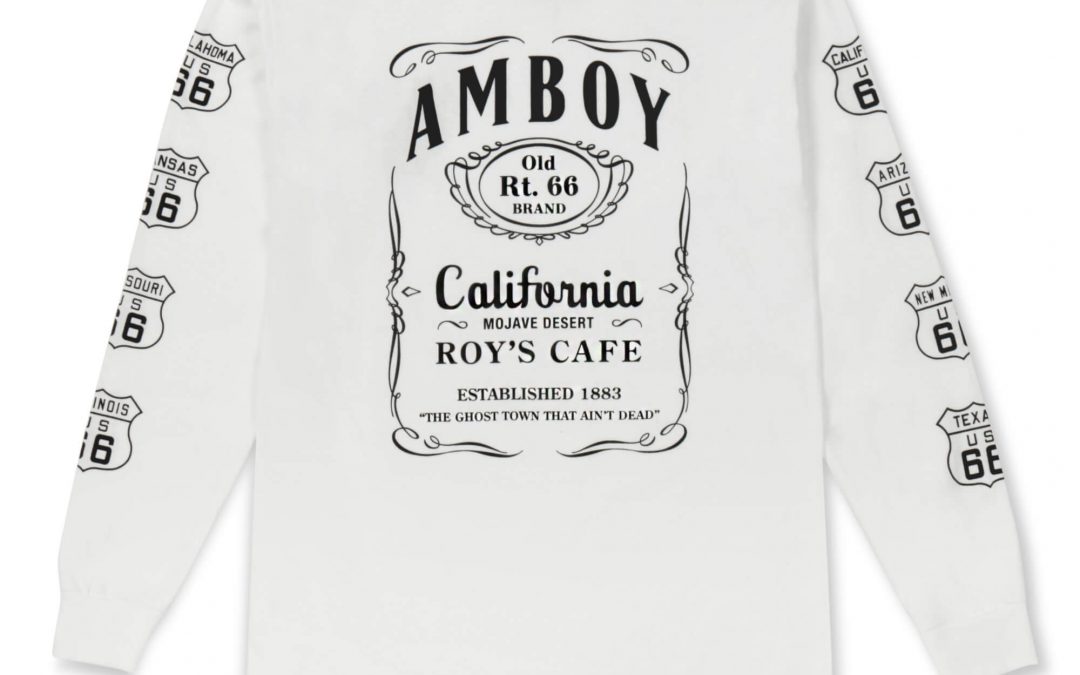
Flat lay photography can work well for T-shirts, denim, accessories, childrenswear, casual collections, and products with graphic elements. It can feel direct and modern, but it requires careful styling. A poorly arranged flat lay may distort proportions or hide how the garment is meant to fit.
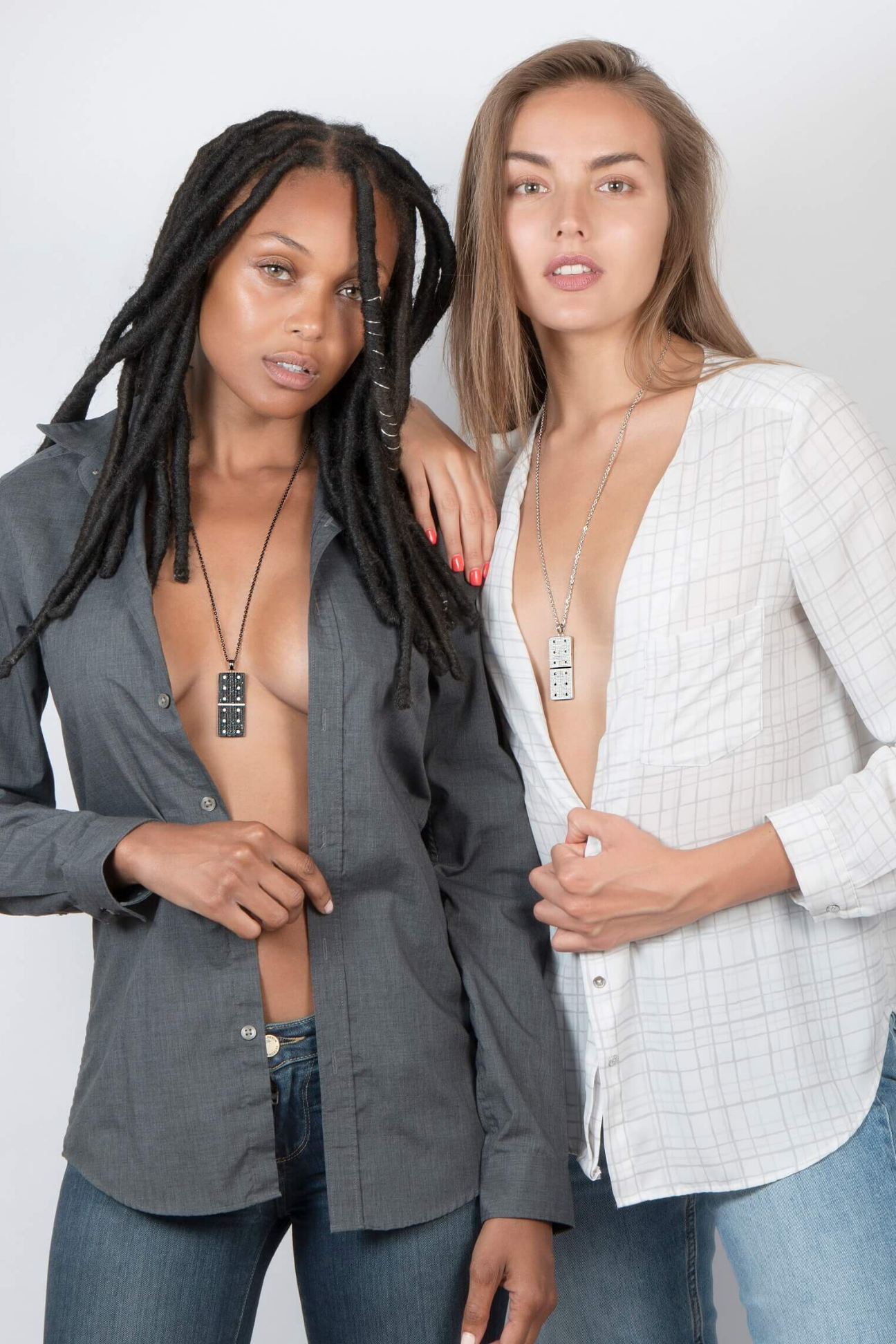
On-model apparel photography adds context. It helps shoppers understand length, movement, proportion, and styling potential. This is valuable for fashion-forward brands, premium garments, and products where fit is central to the purchase decision. The trade-off is that on-model shoots require more coordination, including casting, styling, hair and makeup, and usage considerations.
Hanger photography is often fast and economical, but it is not the right choice for every brand. It can be useful for wholesale line sheets or simple inventory needs. For a consumer-facing product page, however, it may not show the garment’s shape as clearly as ghost mannequin or on-model imagery.
Color Accuracy Is a Sales Requirement
Apparel shoppers are sensitive to color. “Navy” that looks black, sage that appears gray, or a warm cream that photographs bright white can create a gap between expectation and reality. That gap affects conversion and can increase returns.
Professional lighting and calibrated post-production help maintain accurate color across an entire collection. This is particularly important when a garment is sold in multiple colorways. Each variation should look true to life while still matching the overall visual standard of the brand’s storefront.
Retouching should refine the image, not misrepresent the product. Removing temporary lint, minor wrinkles, loose threads, and background distractions is part of a polished commercial finish. Changing the true texture of fabric, dramatically altering color, or making a garment appear more fitted than it is creates a short-term visual benefit with a long-term customer-trust cost.
Build a Shot Plan Before Samples Arrive
The fastest way to slow down an apparel shoot is to decide what is needed after photography has started. A simple shot plan gives the studio and brand team a shared production target.
Start with the sales channel. Marketplace listings often have strict main-image rules and benefit from clear product-first views. A direct-to-consumer site may need more editorial context, fit images, and detailed storytelling. A printed catalog may need file dimensions and cropping space that differ from website assets.
Then identify the features a customer must see before purchasing. For a blazer, that might include lapels, buttons, lining, and pockets. For leggings, it may be the waistband, compression fabric, seam placement, and ankle length. For a baggy hoodie, the hood construction, sleeve length, kangaroo pocket, and graphic placement may matter most.
Include colorways, required angles, file naming, image dimensions, and any reference photos in the plan. If you have brand guidelines, provide them before the shoot. Clear direction at the start prevents reshoots and helps maintain consistency when new products are added later.
Styling Details Separate Average Images From Selling Images
The camera captures every overlooked detail. A twisted side seam, uneven collar, wrinkled cuff, or visible tag can make a new product look careless. Preparation is not an extra step. It is part of the photography.
Garments should arrive clean and ready for the studio, but even well-packed samples typically need final steaming and styling. Delicate fabrics, dark garments, reflective materials, and items with intricate embellishments need extra attention. The studio should also know whether labels should be visible, removed, or positioned in a particular way.
Consistency is equally important across a collection. If every shirt is centered differently or each item has a different background tone, a category page can feel unorganized. A repeatable styling and lighting approach gives customers a better browsing experience and gives the brand a more established appearance.
Prepare for Faster, More Reliable Production
A smooth apparel photography project starts with organized samples. Send complete garments in the intended colorways, include matching accessories when they are sold together, and identify priority styles if the launch date is close. Separate items by SKU and provide a packing list so each product can be tracked correctly.
It also helps to flag anything unusual before the shoot. Let the studio know about reversible garments, removable components, difficult fabrics, or fit features that need special attention. If a garment is intended to be photographed open, closed, tucked, layered, or worn with a specific item, state that clearly.
Fast turnaround should not mean rushed quality. It means the workflow is built to reduce avoidable delays: clear shot direction, proper product prep, efficient studio handling, and retouching standards that are already defined. When those pieces are in place, brands can move from samples to ready-to-publish imagery with far less friction.
The strongest apparel images make the product feel understandable before a customer ever tries it on. Give shoppers an honest, detailed, and polished view, and your product page has a better chance to earn the click, the sale, and the confidence to buy again.