A shopper lands on your product page, gives it a few seconds, and decides whether your item looks worth the price. They cannot hold it, test the finish, check the size, or inspect the details. Your photos have to do that work for them.
Can product photos increase sales? Yes – when they make the product easier to understand, more desirable to own, and safer to buy. Strong commercial photography does more than make a listing look polished. It can improve clicks, support conversion, reduce uncertainty, and present your brand at the level customers expect.
Can Product Photos Increase Sales on Ecommerce Listings?
For ecommerce brands, photography is part of the sales process. A product image is often the first proof that an item is real, well made, and worth considering. Before shoppers read the description or compare specifications, they assess the product visually.
That first impression matters on every selling channel, from your own online store to Amazon, marketplaces, catalogs, and paid social campaigns. If the image is dim, cluttered, poorly cropped, or inaccurate in color, shoppers may assume the same lack of care applies to the product itself. They may scroll past before giving your offer a chance.
Professional images help remove that friction. Clean lighting shows shape and materials. Accurate color helps customers select with confidence. Detail views answer questions that would otherwise delay a purchase. Lifestyle images put the product into context and help shoppers picture using it.
The effect is not always a dramatic overnight jump in revenue. Price, reviews, inventory, shipping, product-market fit, and page copy all matter. But when weak images are the reason shoppers hesitate or fail to click, better photography can be one of the most direct improvements a brand can make.
Photos Build Trust Before a Customer Reads a Word
Online shoppers are trained to judge credibility quickly. A consistent set of high-resolution product images signals that a business is established, organized, and serious about its customer experience. It gives a new customer a reason to trust a brand they may have never heard of before.
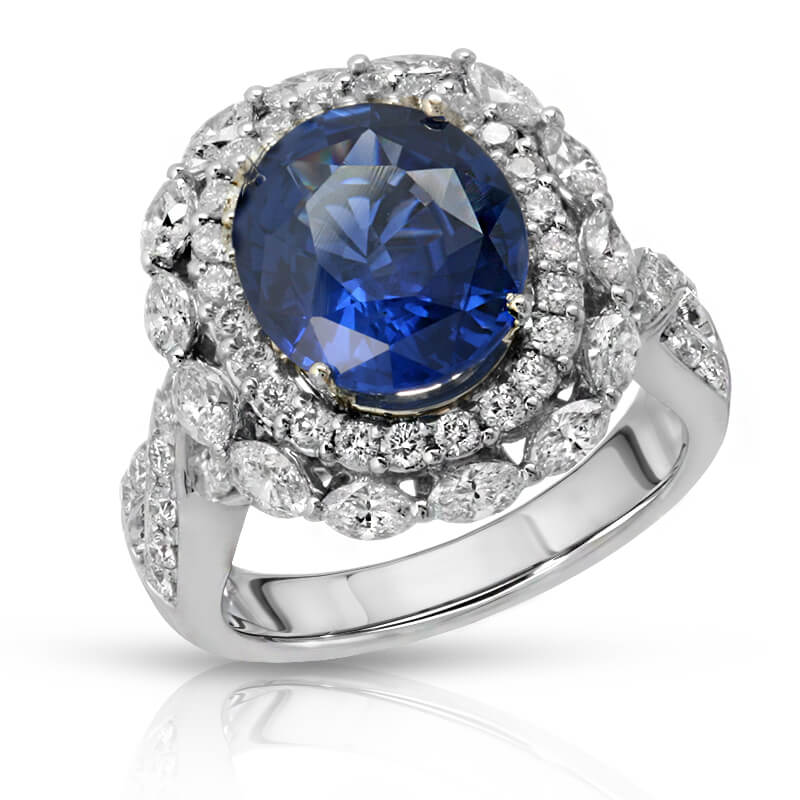
This is especially important for higher-consideration products. Jewelry, watches, beauty products, electronics, medical items, and premium accessories all need close visual inspection. Customers want to see texture, finishes, closures, controls, labels, stones, screens, and packaging. If those details are missing, the customer is left to guess.
Guessing is bad for conversion. It can also lead to returns when the item received does not match what the shopper imagined. Photography should set accurate expectations, not create a misleading version of the product. Well-lit, professionally retouched images can make a product look its best while staying true to its actual color, scale, and material.
Clear Images Answer Buying Questions
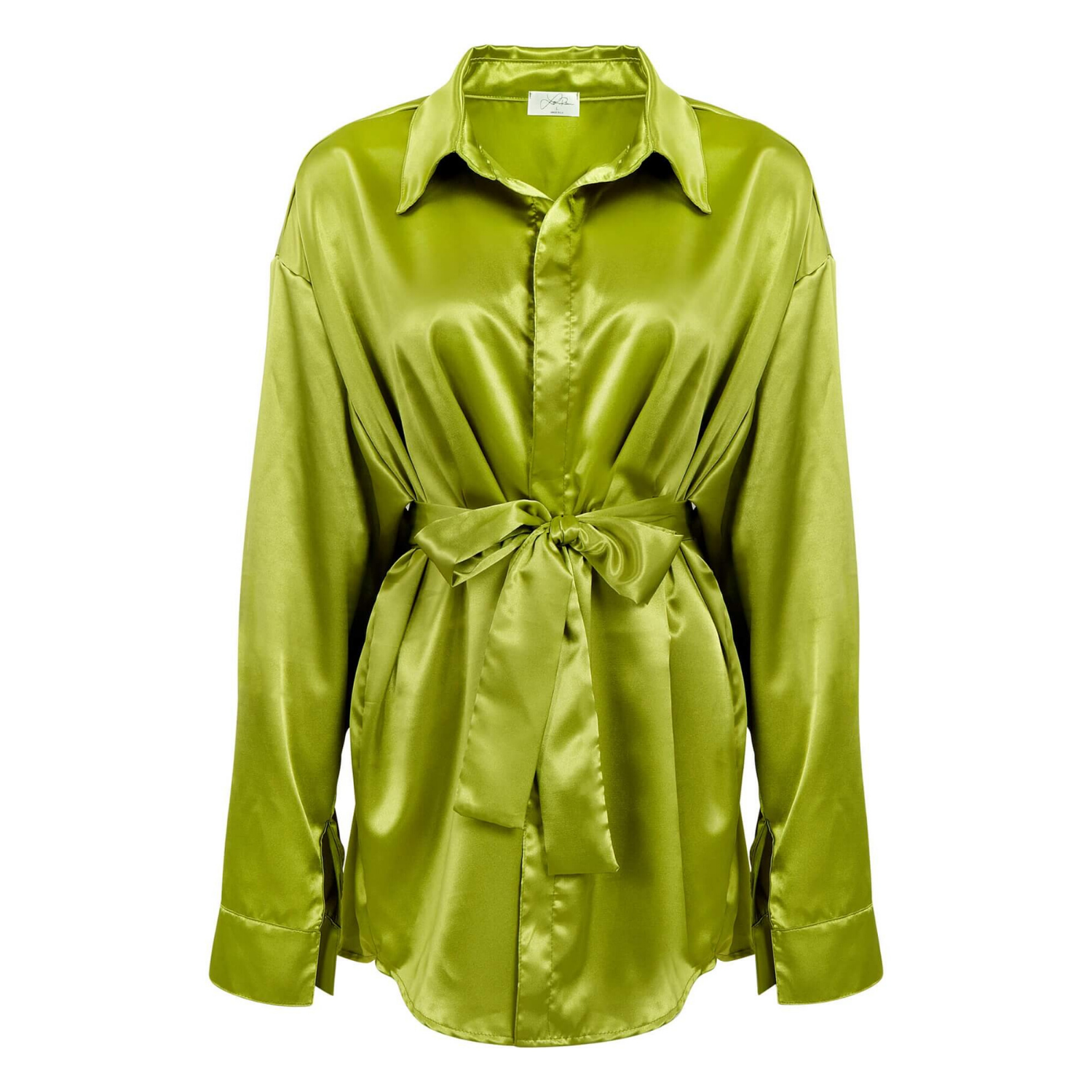
Each image should have a job. A clean primary image establishes the product. Additional angles show form and proportion. Detail shots demonstrate quality. Scale images clarify size. For apparel, images should communicate fit, fabric, color, and construction. For cosmetics, they should show packaging, texture, and shade as accurately as possible.
When customers can find those answers visually, they spend less time searching for reassurance. The purchase feels simpler.
Better Photography Can Improve Click-Through Rate
Before product photography affects conversion, it often affects the click. In crowded search results and category pages, shoppers compare dozens of small thumbnails at once. The listing with the clearest, most appealing image has a better chance of earning attention.
A strong hero image uses clean composition, proper lighting, intentional cropping, and a background that meets the requirements of the selling channel. On Amazon, marketplace standards may require a specific main-image treatment. On a direct-to-consumer site, a brand may have more room for editorial styling. The right approach depends on where the image will appear.
The key is not to make every image look artistic. The key is to make the product immediately understandable. For many listings, simplicity wins. A white-background image can be highly effective because it removes distractions and makes shape, color, and silhouette clear. For social ads, lookbooks, and brand pages, styled photography can provide the context and emotion that a plain product image cannot.
Using both gives a brand flexibility: clean commerce images for comparison and compliance, plus styled images for storytelling and campaign use.
The Product Category Changes What Customers Need to See
There is no single photo formula that works equally well for every item. A lighting setup that flatters a matte skincare bottle may not work for reflective glassware, polished metal, gemstones, or a watch face. Category-specific experience matters because each material creates different visual challenges.
Jewelry photography needs controlled reflections and sharp detail without losing the character of metal or stones. Apparel requires accurate color, clean styling, and enough views to communicate shape and fit. Beverage photography must handle condensation, transparent surfaces, labels, and rich color. Electronics need precise lighting that reveals controls and form without distracting glare.
For products with fine print, intricate features, or material variation, close-up photography is not optional. It is a practical sales tool. A customer considering a gemstone pendant or a premium leather accessory wants evidence of the details that justify the price.
Consistency Strengthens the Brand
One excellent image is not enough if the rest of your catalog looks inconsistent. Mismatched backgrounds, uneven color, different crops, and inconsistent shadow treatment can make a store feel assembled rather than branded.
Consistency helps customers move from one product to another without visual friction. It also makes your marketing more efficient. The same professional image library can support product pages, email campaigns, print materials, retailer presentations, Amazon listings, and social media creative.
For growing catalogs, a repeatable photography standard is more valuable than a one-time creative experiment. It protects the customer experience as new products are added.
Where Brands Often Lose Sales With Product Images
Many businesses start with supplier photos, phone images, or a mix of assets created at different times. That may be enough to launch, but it can limit performance as competition increases. The most common issues are not always obvious until you view the listing next to stronger competitors.
Images may be too dark, too small, or too heavily filtered. White backgrounds may look gray or uneven. Colors may shift from the actual item. Reflective surfaces may show unwanted glare. Important product details may be missing. The product may be photographed at an angle that distorts its shape, or the image may leave too much empty space around a small item.
These problems do not only make the page look less professional. They make comparison harder. When shoppers cannot quickly determine what they are buying, they often choose the competitor whose images make the decision easier.
How to Invest in Photography That Supports Sales
Start with the products that have the greatest opportunity. That may mean best sellers with low conversion rates, new launches, high-margin items, products with frequent returns, or listings competing in a visually crowded category. You do not always need to reshoot an entire catalog at once.
Then define what the images must accomplish. A basic ecommerce set may need a primary image, multiple angles, detail shots, and a scale reference. A campaign launch may also need styled images, group shots, packaging images, and vertical or square formats for ads.
Give the photography team clear specifications: intended sales channels, background requirements, image dimensions, product variations, color priorities, and the level of retouching expected. This reduces revisions and helps ensure the finished images are ready to use.
At Product Photography Studio, commercial product photography is built around that practical need: high-resolution, professionally retouched images with fast turnaround and affordable per-image pricing. The goal is not simply to create attractive photos. It is to give brands usable sales assets that present products clearly across the channels where customers make buying decisions.
Measure the Result Instead of Guessing
Photography should be evaluated as a business investment. Track product-page conversion rate, click-through rate from ads or marketplace search, add-to-cart rate, return reasons, and customer questions before and after updating a listing. If possible, test old and new images on comparable products or through controlled experiments.
Keep expectations realistic. New photography cannot fix a product that is overpriced, poorly reviewed, or out of stock. But it can make sure your visual presentation is no longer the reason a qualified shopper leaves.
When your product is easier to inspect, easier to trust, and easier to imagine owning, customers have fewer reasons to hesitate. Give them images that make the next step feel like the obvious one.