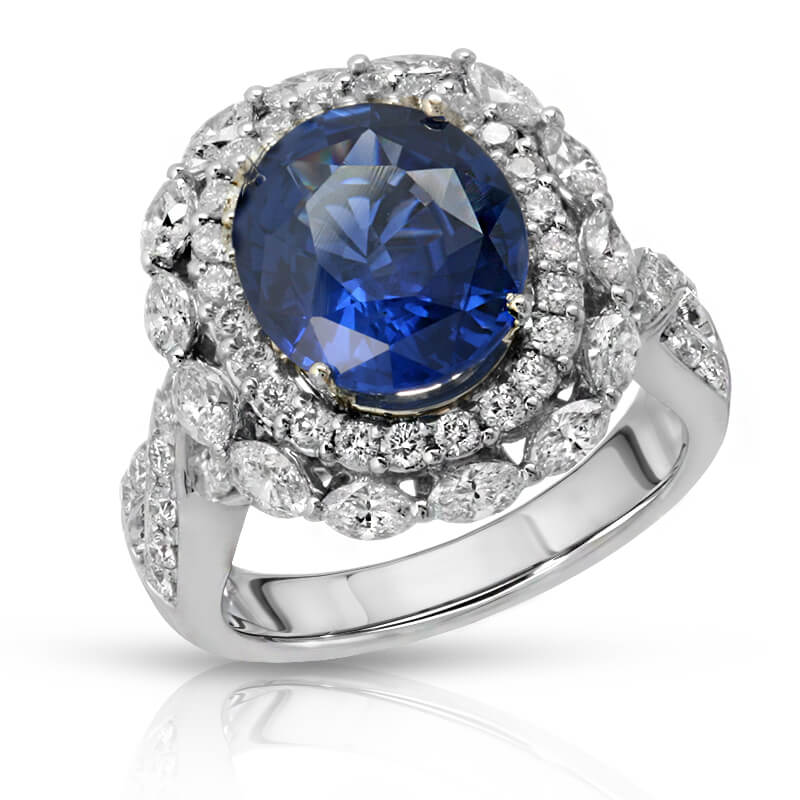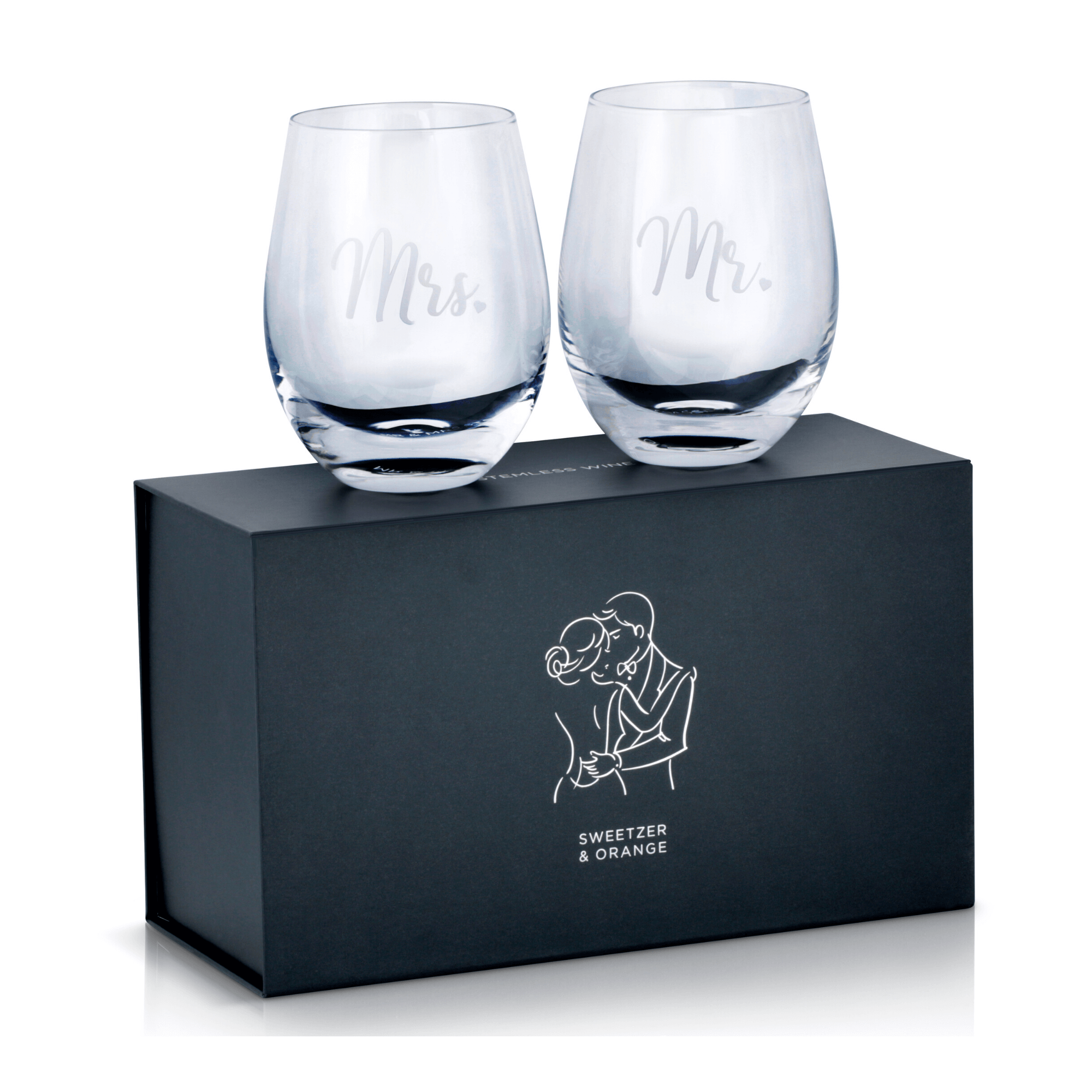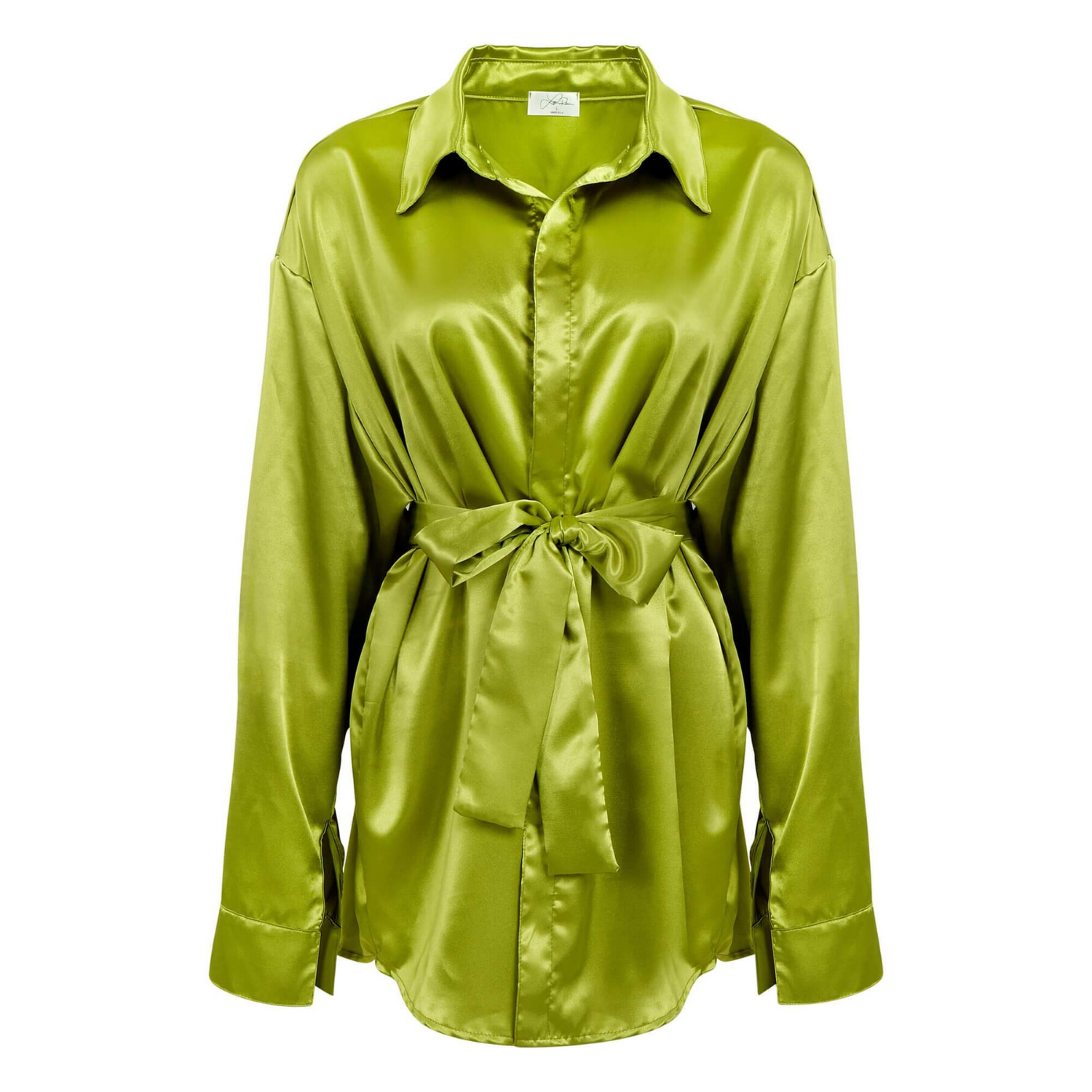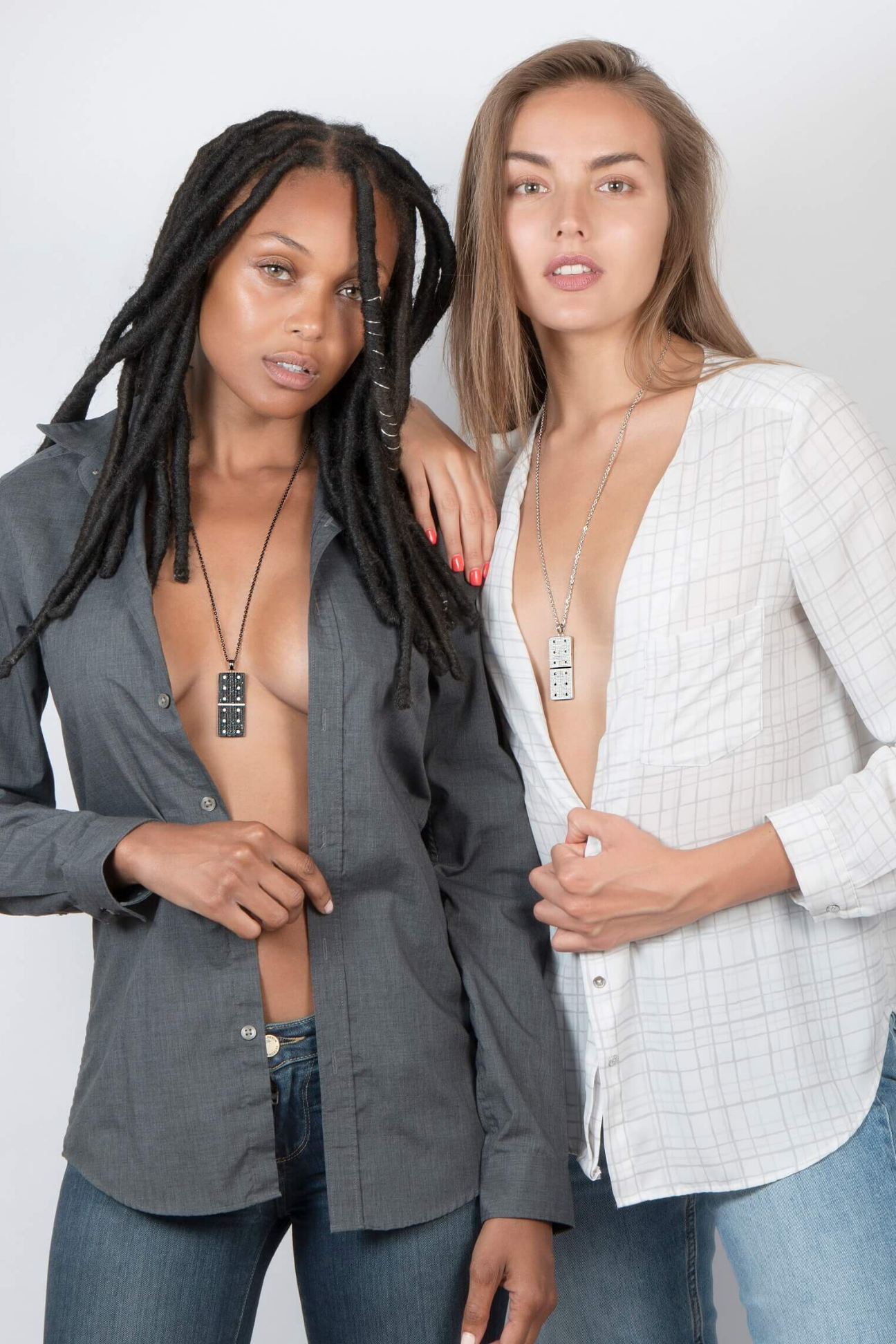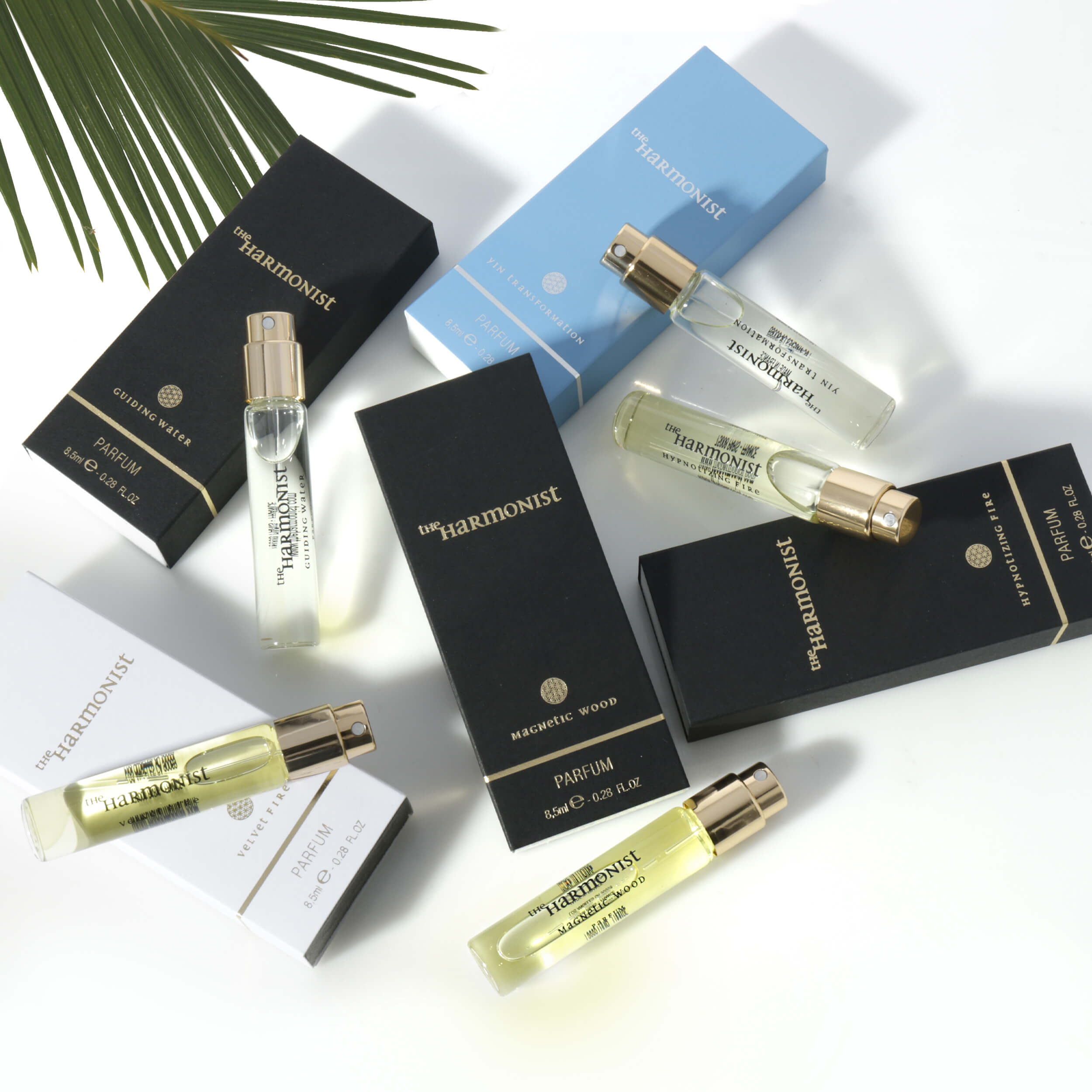
A product photo can appear on an Amazon listing, a Shopify product page, a paid social ad, a retail sell sheet, and a package insert within the same month. If your license only covers one of those uses, a low-cost shoot can become an expensive problem. This commercial image licensing guide explains the rights product brands need before images go live.
What Commercial Image Licensing Actually Covers
Commercial image licensing is permission to use a photograph to promote, sell, market, or support a business. The photographer or studio generally owns the copyright unless a written agreement says otherwise. Your license defines what your business can do with the delivered images.
For ecommerce brands, the practical question is not simply, “Do we get the photos?” It is, “Can we use these photos everywhere our products are sold and promoted?” That includes your website, online marketplaces, retailer portals, email campaigns, social media, digital advertising, print collateral, catalogs, and PR materials.
A clear license protects both sides. The photographer understands the approved use of the work, and your team can publish images with confidence instead of tracking down permissions after a campaign has launched.
Start With Your Real Marketing Plan
The right license depends on how and where you plan to use the images. A small brand selling directly from its own website may need broad web, email, and social rights. A growing beauty brand that sells through Amazon, retail partners, distributors, and paid advertising needs a wider commercial scope from day one.
Before approving a quote, consider where the images may appear over the next one to three years. Think beyond the immediate product listing. A clean hero image may later be used in an ad. A detail shot may become a wholesale line-sheet image. A lifestyle image may be requested by a retailer or magazine.
It is usually more efficient to secure the right usage upfront than to request an expanded license after files have been delivered, edited, and put into production. That does not mean every business needs unlimited rights. It means the license should match the way your business actually operates.
The Rights Product Brands Should Confirm
Licensing language varies by photographer, agency, and production company, but these are the core points every product business should review.
Commercial use
Confirm that the license explicitly permits commercial use. This is the baseline right to use the images in connection with selling and marketing your products. Personal-use or editorial-use licenses are not sufficient for product listings, advertising, promotional materials, or branded campaigns.
Channels and placement
Ask whether usage includes ecommerce websites, Amazon and other marketplaces, social media, email, paid digital ads, print ads, catalogs, packaging, retailer websites, trade-show displays, and sales presentations. If you work with wholesalers or retail partners, confirm whether they may use the images to sell your products as well.
A license that says “web use” may be enough for a basic website listing, but it may not automatically cover packaging, a national print campaign, or third-party retailer use. Specific language prevents assumptions.
Duration and territory
Some licenses are limited by time or geography. For example, a photo may be approved for one year in the United States only. This structure is common for larger advertising campaigns, especially when models, locations, or talent are involved.
For standard product photography on a clean background, brands often prefer perpetual, worldwide commercial usage because products can remain online for years and sell across multiple markets. If your business is US-only today but may expand, worldwide rights can reduce future administrative work.
Exclusivity
Exclusive use means the photographer will not license the same image to another business. For custom photography of your own product, the image itself is naturally specific to your brand, so exclusivity is often less complicated. It matters more when a shoot includes stock-style concepts, recognizable talent, shared sets, or generic props that could appear in a competitor’s campaign.
Exclusivity can increase production costs. It is worth considering when the image concept is a major part of your campaign or when competitor overlap could weaken your brand presentation.
Editing and derivative use
Your marketing team may need to crop images for banners, add text overlays, resize files for marketplaces, create ad variations, or combine product photography with branded graphics. Make sure the license permits reasonable edits and derivative marketing materials.
This is especially useful for ecommerce teams working across multiple platforms. Amazon may require a pure white main image, while your website needs a square crop, an editorial banner, and a promotional email version. A flexible license allows your team to adapt files without requesting approval for routine production work.
Royalty-Free Does Not Mean Copyright-Free
Many commercial studios provide royalty-free usage rights. In practical terms, this usually means you do not pay a recurring fee every time an approved image is used. It is a cost-effective arrangement for brands that need product imagery across multiple channels.
However, royalty-free does not automatically mean unrestricted ownership or permission for every possible use. The written agreement still controls the scope. A royalty-free license may exclude resale of the photo itself, transfer of rights to another company, use in a trademark, use in sensitive contexts, or distribution to parties outside your organization.
For most product brands, royalty-free commercial usage is a strong fit when it covers the channels, territory, and duration needed for normal sales and marketing. Read the terms carefully, especially if you expect to use the images in a large media campaign, franchise program, or business acquisition.
Do You Need Copyright Ownership or a License?
Some clients ask for full copyright ownership because they want maximum control. That can be appropriate for a high-value campaign, proprietary creative concept, or long-term brand asset library. It is not always necessary for routine ecommerce product photography.
A broad, perpetual commercial license can give your business the practical freedom to use images across its marketing without the higher cost and negotiation involved in a copyright transfer. The trade-off is that the photographer retains legal ownership and may maintain portfolio rights unless the agreement says otherwise.
If confidentiality matters, address it before the shoot. Product launches, unreleased packaging, patented designs, and embargoed collections may require restrictions on portfolio use, social posting, or publication before a specified date. A simple written clause is far better than relying on an informal request.
Releases Matter When People, Places, or Protected Designs Appear
A packshot of a bottle on a white background is usually straightforward. Licensing becomes more complex when the image includes a model, a recognizable employee, a private property location, artwork, recognizable logos, or a licensed character.
Model releases are particularly important for commercial advertising. A model may have approved use for a defined period, territory, or product category. If you later place that image in a new campaign outside the release terms, the issue is not solved by your photography license alone.
The same principle applies to props and locations. A stylish restaurant, apartment, mural, or vehicle can add visual impact, but it can also introduce permissions that must be documented. Ask your photographer or studio who is responsible for securing releases and whether the cost is included in the estimate.
For product images, remove or avoid third-party logos and copyrighted elements unless they are intentionally part of the approved concept. This is especially relevant for flat lays and lifestyle shoots, where background items can unintentionally create clearance issues.
Avoid the Most Common Licensing Gaps
Licensing problems rarely come from a brand intentionally misusing a photo. They usually happen because a project grows. The original files were shot for an online listing, then a retail buyer requests them, an agency builds paid ads, or a distributor adds them to a catalog.
Watch for licenses that limit usage to one platform, one campaign, a short timeframe, or one geographic market. Also confirm whether your ad agency, graphic designer, marketplace manager, retail partners, and affiliates can receive files for the purpose of promoting your products. They may need access, but they should not gain the right to reuse the images for unrelated work.
Keep the signed agreement, estimate, release forms, final invoice, and delivery details in one project folder. When a new marketing request arrives six months later, your team will be able to verify rights quickly instead of delaying a launch.
Questions to Ask Before Booking Product Photography
A professional studio should be able to explain usage terms in plain language. Ask whether your quote includes commercial, royalty-free usage; which sales and marketing channels are covered; whether usage is perpetual and worldwide; whether your retail partners can use the images; and whether your team can crop, resize, and add text overlays.
Also ask about image delivery. High-resolution files, web-ready versions, color accuracy, retouching standards, and turnaround time all affect how efficiently your team can put licensed images to work. Rights are only valuable when the final assets meet the technical requirements of your storefronts, ads, and print vendors.
For brands that need polished product visuals without complicated production overhead, Product Photography Studio provides professionally retouched, high-resolution imagery with royalty-free usage rights designed for commercial selling. Confirm the details of your project before production, then let your images do what they are supposed to do: present your products clearly, build buyer confidence, and support more sales wherever your customers shop.
The best time to clarify image rights is before the first product is photographed. A well-defined license gives your marketing team room to move quickly when a new marketplace, retailer, or campaign opportunity arrives.