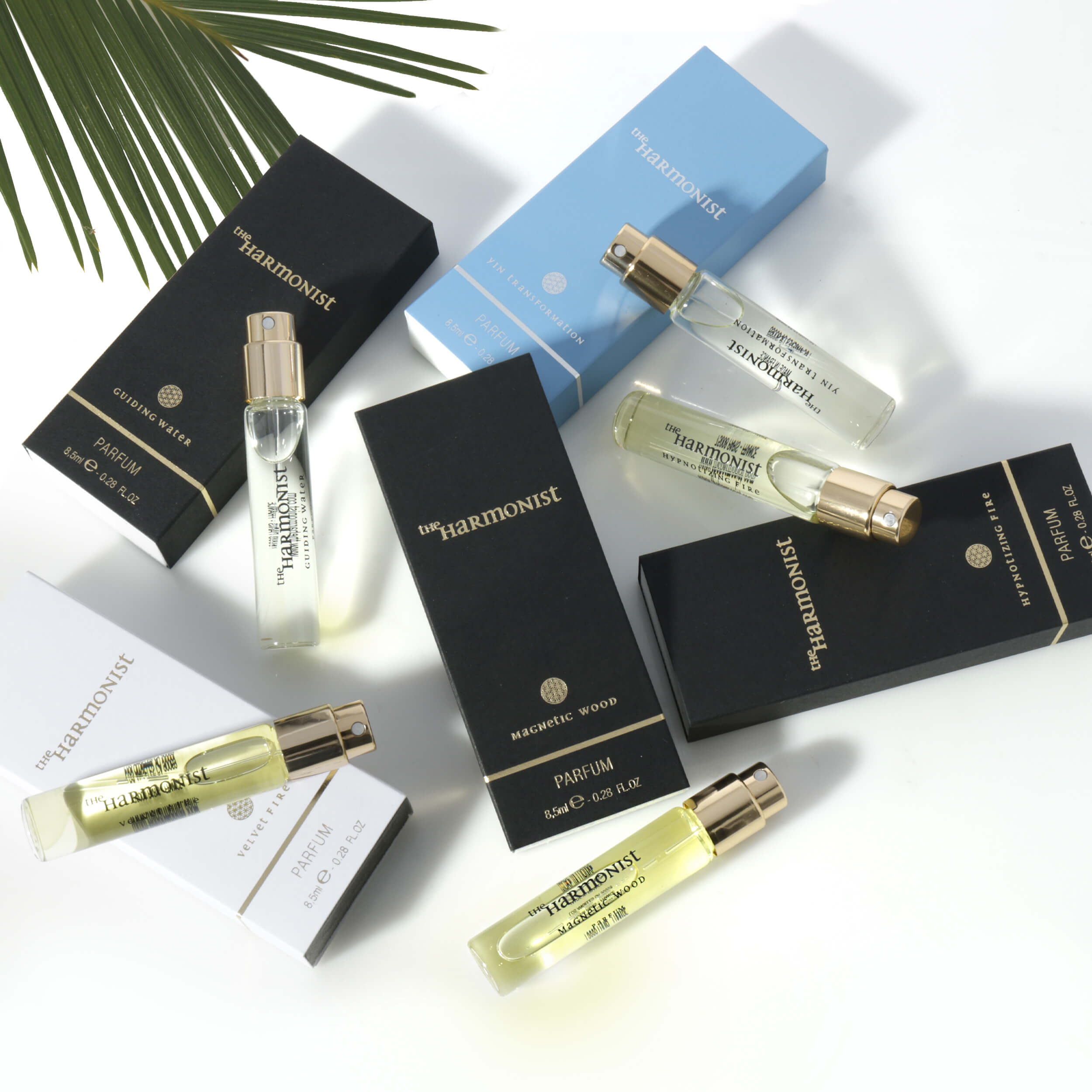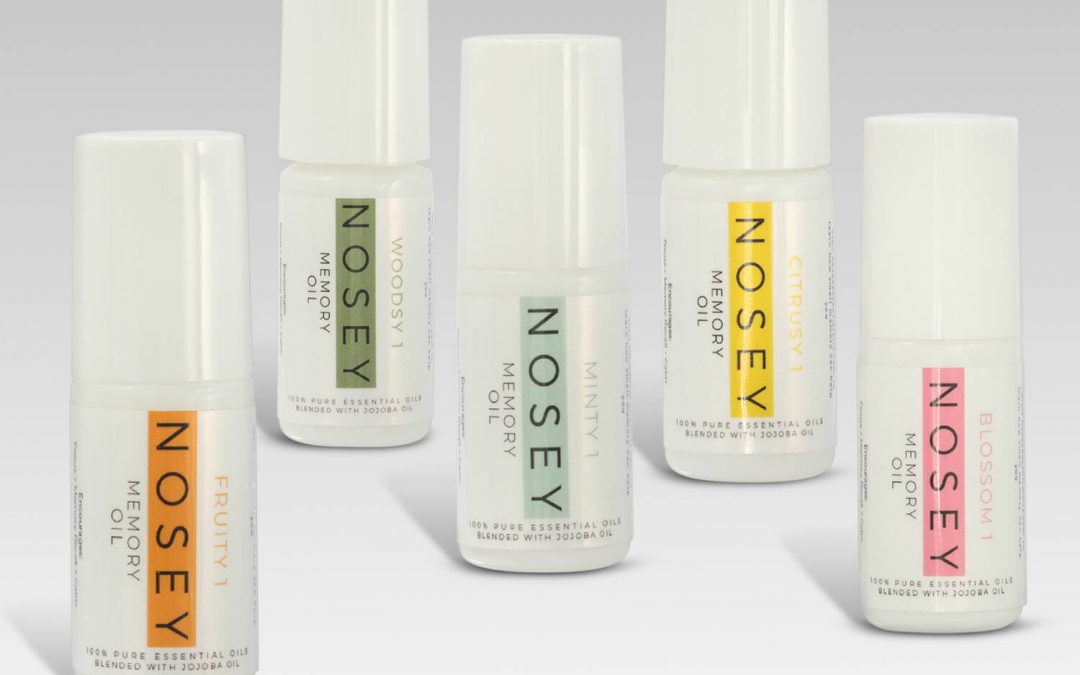
A serum bottle can look premium in person and still fall flat online. That gap is where a strong beauty product photography service earns its value. In beauty, customers judge texture, finish, packaging quality, and brand credibility in seconds. If the images feel dull, inconsistent, or cheap, shoppers move on.
Beauty products are especially unforgiving on camera. Reflective packaging, frosted glass, metallic caps, translucent liquids, embossed labels, and tiny type all create technical challenges that casual photography rarely solves well. Good lighting is only part of it. The real work is controlling reflections, preserving label detail, keeping colors accurate, and retouching without making the product look fake.
For ecommerce brands, Amazon sellers, and marketing teams, that difference shows up in performance. Better images can improve click-through rate, reduce hesitation, and support a higher perceived product value. That matters whether you are launching a new skincare line, refreshing marketplace listings, or building a clean visual system across your catalog.
What a beauty product photography service should actually deliver
Plenty of studios can take a decent product shot. That is not the same as delivering commercial imagery built to sell. A beauty-focused service should understand both the technical demands of cosmetics packaging and the business demands behind the images.
At the most basic level, you need clean white-background photos that meet marketplace standards and look consistent across every SKU. But most beauty brands also need more than that. They need close-ups that show applicators and textures, detail shots for premium packaging, styled images for brand storytelling, and files prepared for multiple uses, from ecommerce PDPs to digital ads, catalogs, and print.
A reliable service should also remove friction from the process. Fast turnaround matters when inventory is ready and listings need to go live. Affordable pricing matters when you are shooting a full range, not just one hero product. Professional retouching matters because beauty packaging shows every speck of dust, edge flaw, and lighting inconsistency.
The strongest studios think beyond photography as an isolated creative task. They treat it as part of visual merchandising. The question is not simply whether the image looks nice. The question is whether it helps the product look trustworthy, premium, and purchase-ready.
Why beauty photography is different from general product photography
Beauty sits in a category where appearance is the product story. Shoppers expect precision. If a lipstick shade is off, if the foundation bottle reads too dark or too yellow, or if a luxury cream jar looks plasticky, confidence drops right away.
That is why a beauty product photography service needs category-specific experience. Cosmetics and skincare packaging often mix glossy surfaces, mirrored finishes, transparent materials, and soft tonal colors. Each of those elements reacts differently under light. A setup that works for books or office supplies will not automatically work for a glass dropper bottle or a chrome compact.
There is also a brand perception issue. Beauty buyers are used to polished campaigns from major brands. Smaller companies do not need massive production budgets to compete, but they do need imagery that feels intentional and professionally finished. Clean cutouts, accurate whites, refined shadows, and balanced highlights make a product feel established.
Retouching is another place where beauty photography can go wrong. Over-editing removes realism. Under-editing leaves visible flaws that distract from the product. The best result is controlled and believable. The item should look at its best, not like a 3D render with no texture or depth.
The images that usually matter most
Most beauty brands need a mix of image types, and the right balance depends on where the product is being sold. Marketplace listings often prioritize compliance and clarity. Brand sites usually need both conversion-focused packshots and more polished marketing visuals.
White-background images remain the foundation. They are essential for Amazon, ecommerce product pages, and comparison shopping environments where customers are scanning quickly. These shots need sharp edges, consistent scale, accurate color, and even lighting.
Lifestyle or styled images serve a different job. They help explain the brand world and support premium positioning. A cleanser next to fresh ingredients, a perfume bottle in a luxury setting, or a moisturizer shown with subtle props can all add context. But styled work only helps when it still keeps the product clearly visible. If the set overwhelms the item, the image becomes decoration instead of sales support.
Texture shots are often worth the investment for skincare and cosmetics. Cream swatches, serum drips, powder detail, and applicator close-ups answer real buyer questions. They help the customer imagine use, finish, and quality. That can be especially valuable when the shopper cannot test the product in person.
Group shots also have a role, particularly for collections, kits, and line extensions. They create visual cohesion and can increase average order value by showing how products fit together. The trade-off is that grouped images should never replace clear individual product photography. Customers still need to inspect each item on its own.
What affects cost, speed, and final quality
Beauty brands often ask the same practical question first: what will this cost, and how quickly can it be done? The answer depends on scope.
A simple white-background shoot with straightforward packaging is faster and more affordable than a project involving reflective surfaces, transparent containers, custom styling, or heavy compositing. A serum bottle with a mirrored cap takes more control than a matte carton. A full collection with multiple angles and texture shots naturally takes more time than a single front-facing image.
Retouching level also changes both turnaround and price. Dust cleanup, edge refinement, color correction, label straightening, and shadow balancing are standard needs in beauty photography. More advanced work, such as rebuilding reflections, cleaning difficult transparent packaging, or compositing liquid effects, requires additional labor.
That said, lower cost should not mean lower standards. An efficient studio process can keep image pricing accessible while still producing commercial-quality files. For many brands, this is the real advantage of working with a specialized service instead of trying to build an in-house setup. You get high-resolution output, polished retouching, and dependable consistency without spending on equipment, staff, and production management.
How to choose the right beauty product photography service
Start with category experience. A studio that regularly photographs beauty products will already understand common pain points like glare on metallic caps, readable labels on curved bottles, and color consistency across a product line. That experience shortens revision cycles and improves first-pass quality.
Next, evaluate consistency. One good hero image is not enough. If you are selling ten shades, six SKUs, or a full regimen, the lighting, crop, scale, and editing need to feel unified. Inconsistent imagery makes the brand look disorganized, even when the products themselves are strong.
Turnaround is another major factor. Delays can hold up product launches, ad creative, and marketplace updates. A service should be able to tell you what the production timeline looks like and what is needed from your side to keep things moving.
It also helps to look for a studio that understands commercial use beyond ecommerce. Many brands need files for Amazon, Shopify, paid ads, printed lookbooks, sell sheets, and retail presentations. Royalty-free usage rights and high-resolution delivery make those assets more useful across departments.
Finally, pay attention to communication. The process should feel straightforward. You should know how to submit products, define shot needs, review proofs if applicable, and receive final files. Speed matters, but clarity matters too.
When professional beauty photography pays off
Not every product line needs an elaborate campaign shoot. Sometimes a clean, well-retouched set of packshots is the right answer. Sometimes a launch needs hero imagery, texture visuals, and styled creative to support paid media and retailer outreach. It depends on your sales channel, price point, and growth stage.
What does not really change is the buyer’s expectation. In beauty, presentation carries weight. Customers use imagery to judge formula quality, packaging standards, and brand trust. That is why professional photography tends to pay off quickly when a listing is underperforming, a rebrand needs cleaner execution, or a growing catalog starts to look inconsistent.
For brands that want speed, affordability, and commercial polish, a specialized studio can do more than create attractive images. It can help remove the visual friction that keeps shoppers from clicking and buying. Product Photography Studio approaches beauty work with that exact mindset – fast turnaround, polished retouching, and image quality built for real selling environments.
If your current photos are not matching the quality of your product, that is usually the first thing to fix. Better images do not just make a beauty line look better. They make it easier for customers to say yes.