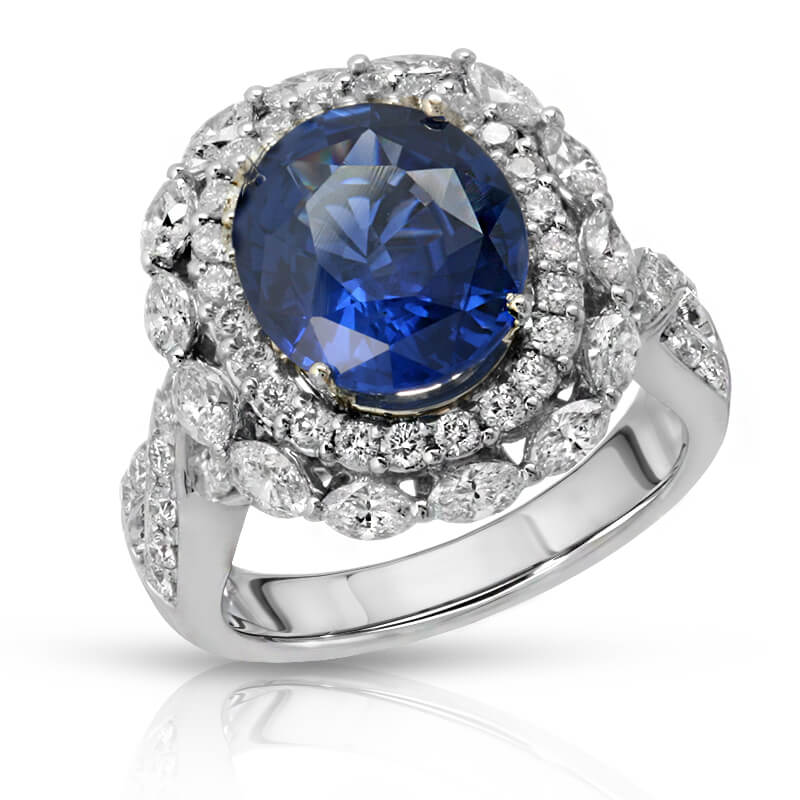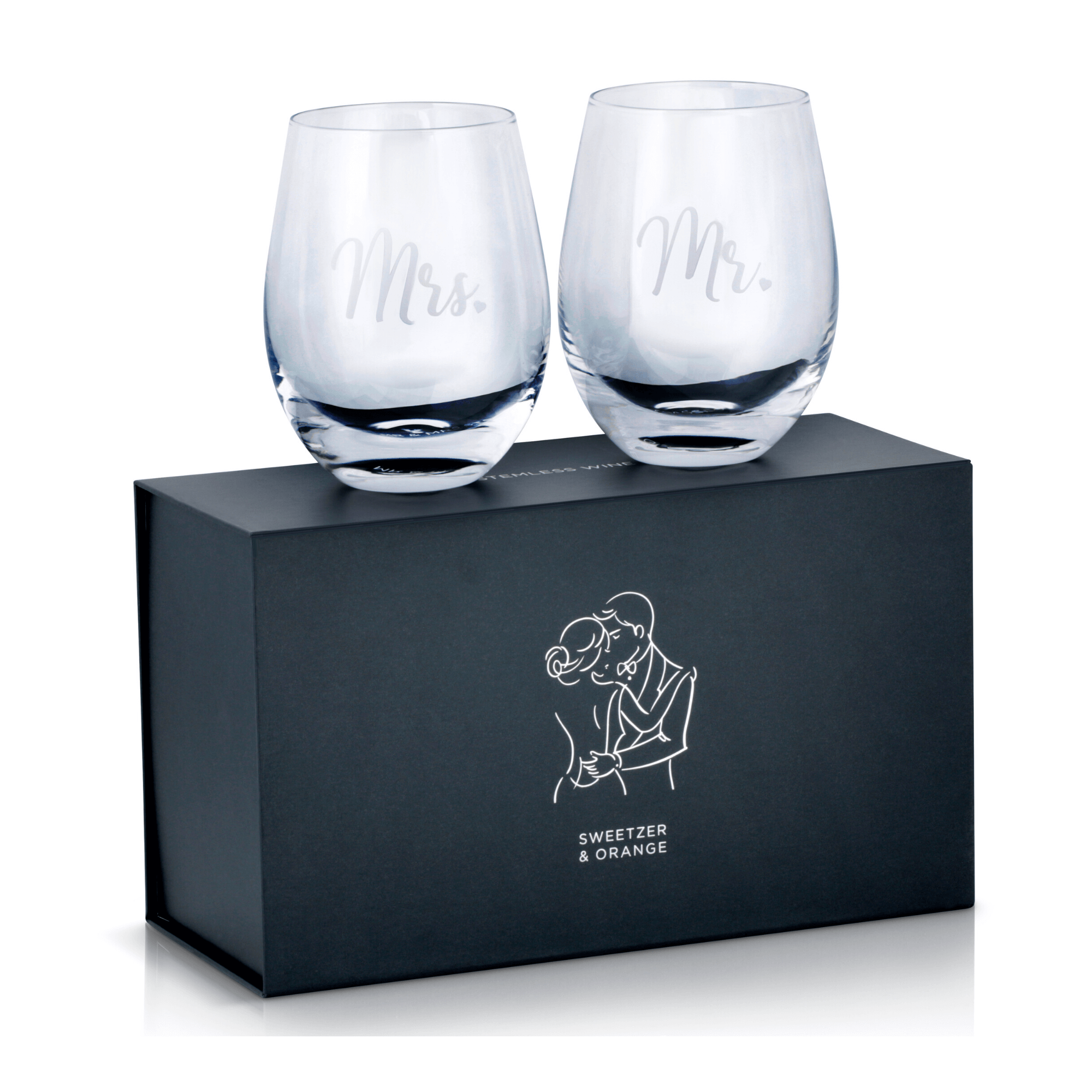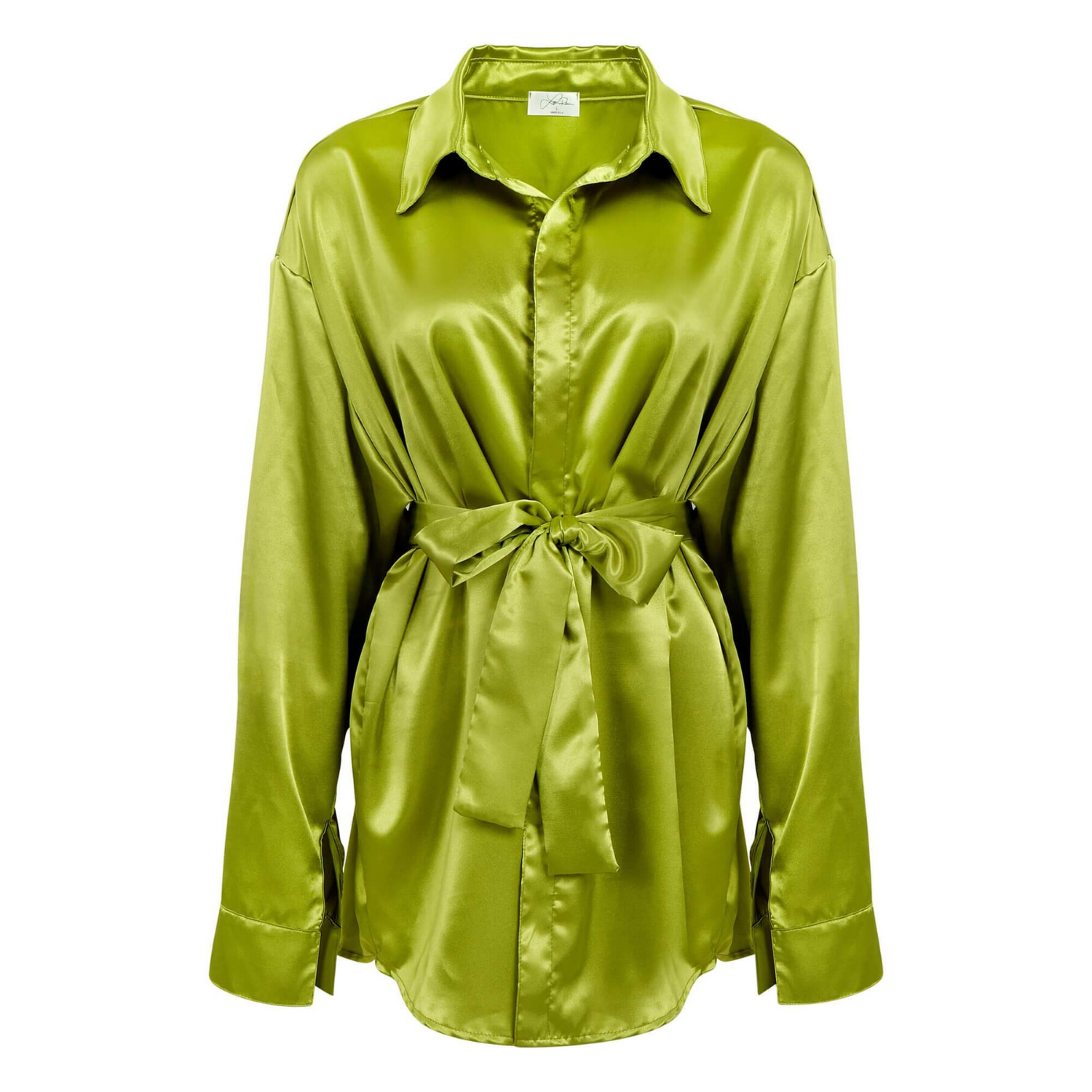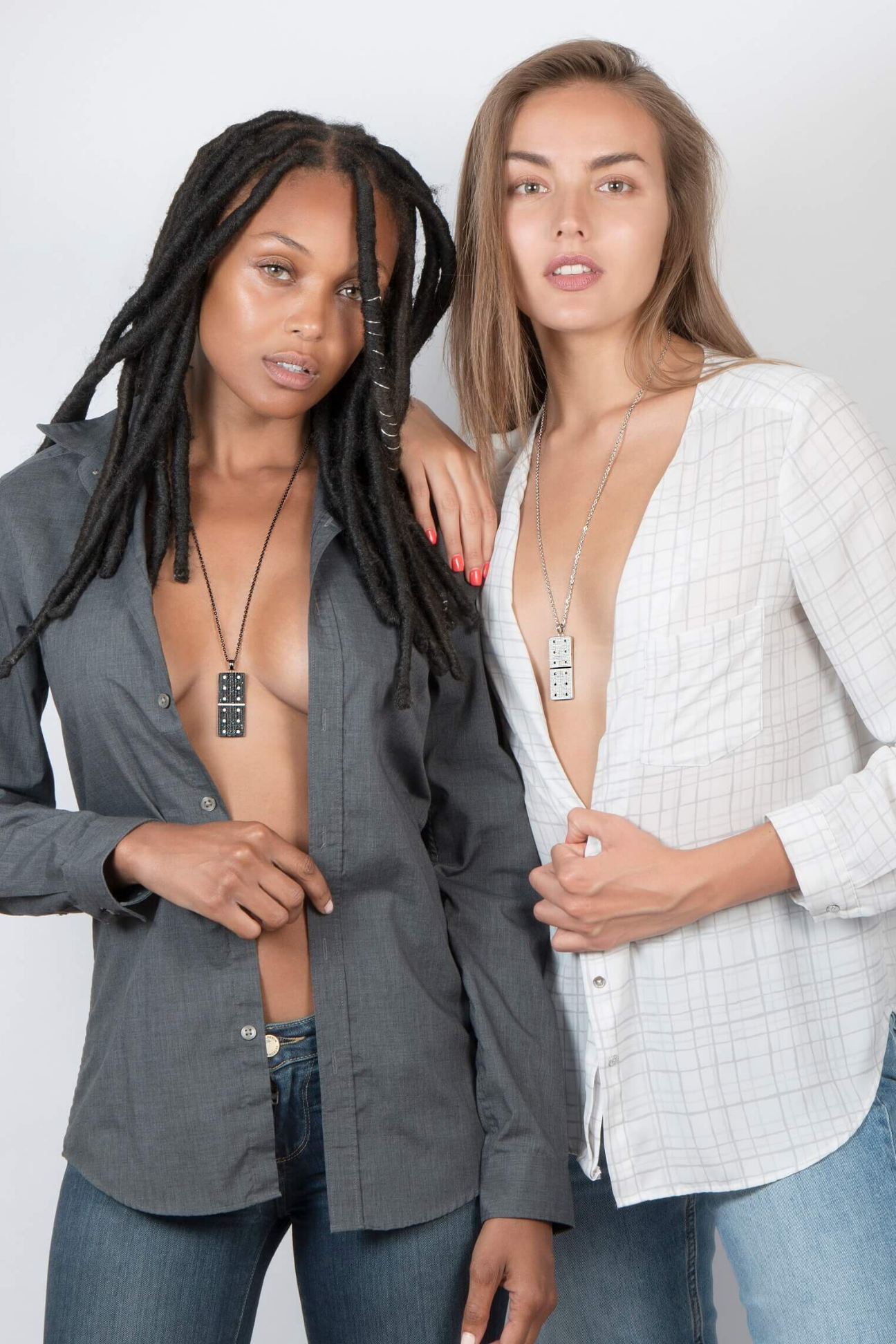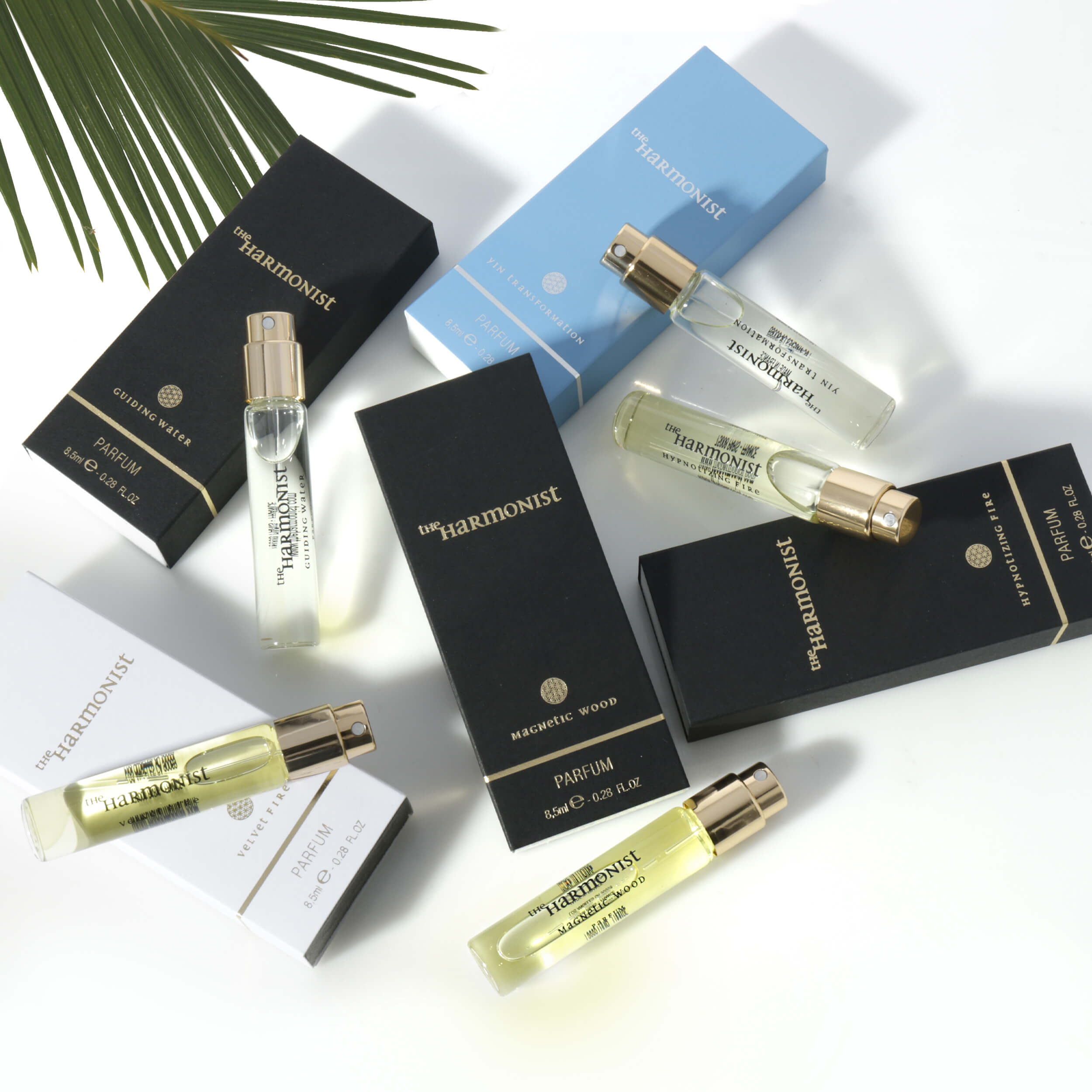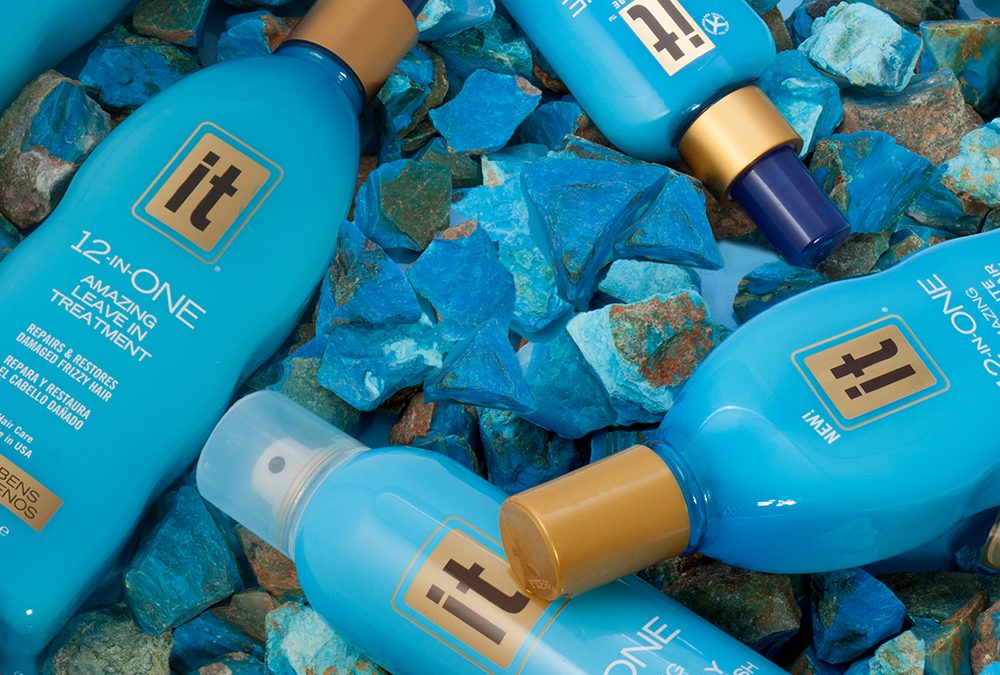
A product page gets only a few seconds to do its job. If the images look flat, inconsistent, or unclear, shoppers move on. That is why a strong Shopify product photography service is not just a creative add-on. It is a sales tool that helps your store earn clicks, build trust, and convert more traffic.
For Shopify brands, the standard is high. Customers expect sharp product images, accurate color, clean backgrounds, and enough detail to feel confident before they buy. If you sell jewelry, apparel, cosmetics, electronics, glassware, or packaged goods, the photography has to do more than look good. It has to represent the product honestly, fit your brand, and support the way people shop online.
What a Shopify product photography service should actually do
A lot of sellers think product photography means taking a few clean images on white and uploading them to the store. That may be enough to launch, but it is rarely enough to compete. A professional service should create images that are built for ecommerce performance.
That starts with technical consistency. Your store needs a visual system, not a mix of image styles from different cameras, lighting setups, and editing apps. Consistent angles, cropping, shadows, color balance, and retouching make the catalog feel more credible. That matters whether you have 12 products or 1,200.
A strong service also adapts to the category. Jewelry needs precision and careful control of reflections. Apparel needs accurate color and shape without making garments look stiff or artificial. Beauty products need clean packaging detail and polished surfaces. Electronics need clarity and edge definition. The approach should change based on what you sell, because different products create different visual problems.
Just as important, the final files need to be usable. That means high-resolution images, clean exports, and formats that work smoothly for Shopify product pages, collections, ads, email campaigns, and marketplace listings. If a studio delivers beautiful images that still need heavy internal cleanup before upload, that slows your team down.
Why Shopify stores lose sales with weak images
When product photography underperforms, the issue is usually not dramatic. It is a buildup of small trust problems. The lighting is uneven. The product color shifts from one image to the next. The white background looks gray. The close-up does not show texture. The retouching is rushed. None of those mistakes seems huge on its own, but together they make the listing feel less reliable.
On Shopify, where many brands are competing for the same click, image quality shapes first impressions fast. Paid traffic makes this even more expensive. If you are spending on ads, social campaigns, or email to drive traffic to a product page, weak visuals can waste that spend quickly.
There is also a brand issue. Many growing businesses have good products but inconsistent imagery because photography gets handled piece by piece over time. One launch was shot in-house, another by a freelancer, and another with a phone. The result is a store that feels patched together. Customers may not describe it that way, but they notice it.
Professional photography helps fix that by giving the catalog a stable visual standard. That consistency supports both conversion and brand presentation.
Choosing a Shopify product photography service for your catalog
Not every studio is built for ecommerce volume, and not every photographer who creates strong campaign images is a fit for ongoing product work. Shopify brands usually need a service partner that can balance quality, speed, and repeatability.
Look first at category experience. A studio that regularly photographs watches, gemstones, apparel, cosmetics, home goods, or packaged products will understand the common issues before the shoot starts. That reduces revisions and helps the final images look right the first time.
Next, pay attention to post-production. Retouching is where product images are either refined or weakened. Dust removal, edge cleanup, color correction, reflection control, symmetry fixes, and label cleanup all affect how polished the final result feels. Good retouching is precise, not excessive. The product should still look real.
Turnaround matters too. Ecommerce teams often work around launch dates, inventory arrivals, seasonal promotions, and marketplace deadlines. A studio that can move quickly without losing quality is more useful than one that creates bottlenecks. Speed is not just a convenience. It affects how fast you can publish, promote, and sell.
Pricing should be clear and scalable. If every quote feels custom to the point of being unpredictable, it becomes difficult to plan. Brands with growing catalogs usually need cost control as much as they need image quality. Affordable per-image pricing can make a real difference when you are shooting dozens or hundreds of SKUs.
What good product photography looks like on Shopify
The best Shopify product photography feels easy to shop. Customers can see what they are buying without friction. The hero image is clean and sharp. Secondary images answer the next questions naturally – texture, scale, finish, packaging, side angles, detail views, or lifestyle context when needed.
That last part matters. Not every product needs the same image mix. A supplement bottle may need clear pack shots and label readability. A necklace may need multiple close-ups to show clasp quality, stone detail, and metal finish. A shirt may need flat lay, ghost mannequin, and close fabric views depending on how the brand sells. The right photography set depends on the product and the customer decision process.
There is also a trade-off between simplicity and storytelling. Pure white-background images are often essential, especially for clean merchandising and marketplace compliance. But some Shopify stores also benefit from styled or lifestyle images that show the product in use. The answer is not always one or the other. Often, the strongest stores use a combination of sales-focused pack shots and selective supporting imagery.
Why specialized studio work pays off
Many brands try to manage photography in-house because it seems faster or cheaper at first. Sometimes that works for very simple products and small volumes. But once the catalog expands, the hidden costs show up. Staff time gets pulled away from merchandising and marketing. Lighting setups vary. Editing quality slips. Re-shoots become common.
A specialized studio is built to avoid those issues. The workflow is organized around efficiency, repeatability, and commercial output. That means proper lighting control, professional retouching, file organization, and a process that supports volume without turning every project into a one-off.
For ecommerce sellers, the practical value is straightforward. You get polished images without building an internal studio, hiring specialized staff, buying equipment, or managing post-production on your own. That is especially useful for small to mid-sized brands that need professional results but also need to protect margins.
This is where an experienced commercial partner can make a measurable difference. Product Photography Studio, based in Los Angeles, works with a wide range of product categories and keeps the focus where online sellers need it most – fast turnaround, affordable pricing, and images designed to help products perform.
When to upgrade your Shopify product photography service
If your store is converting below expectations, images are one of the first places to look. The same is true if your catalog has grown quickly and the visual quality now feels uneven. A new product launch, packaging redesign, marketplace expansion, or brand refresh are also common points where professional photography makes sense.
Another sign is when your internal team spends too much time fixing image problems after the shoot. If every launch requires extra editing, color correction, background cleanup, or resizing, the process is not efficient enough. A professional service should reduce workload, not add to it.
Brands also tend to upgrade when they realize their competitors are simply presenting products better. That does not always mean flashier photography. Often, it means cleaner execution, more detail, and more confidence in the final image set.
The real value is not just better photos
Better images help customers trust what they see. They help your product pages feel more credible, your catalog look more organized, and your brand appear more established. They also give your marketing team stronger assets for ads, email, social, and marketplace listings.
That said, there is no single formula. A startup with a tight budget may need a clean, efficient white-background set to get products live quickly. A mature brand may need a broader asset package with detailed ecommerce shots plus lifestyle support. The right Shopify product photography service should be able to meet you where you are and scale with your needs.
If your store depends on visual presentation to drive sales, photography is not the place to improvise for too long. The right images do more than fill space on a product page. They make buying easier, and that is what moves a store forward.