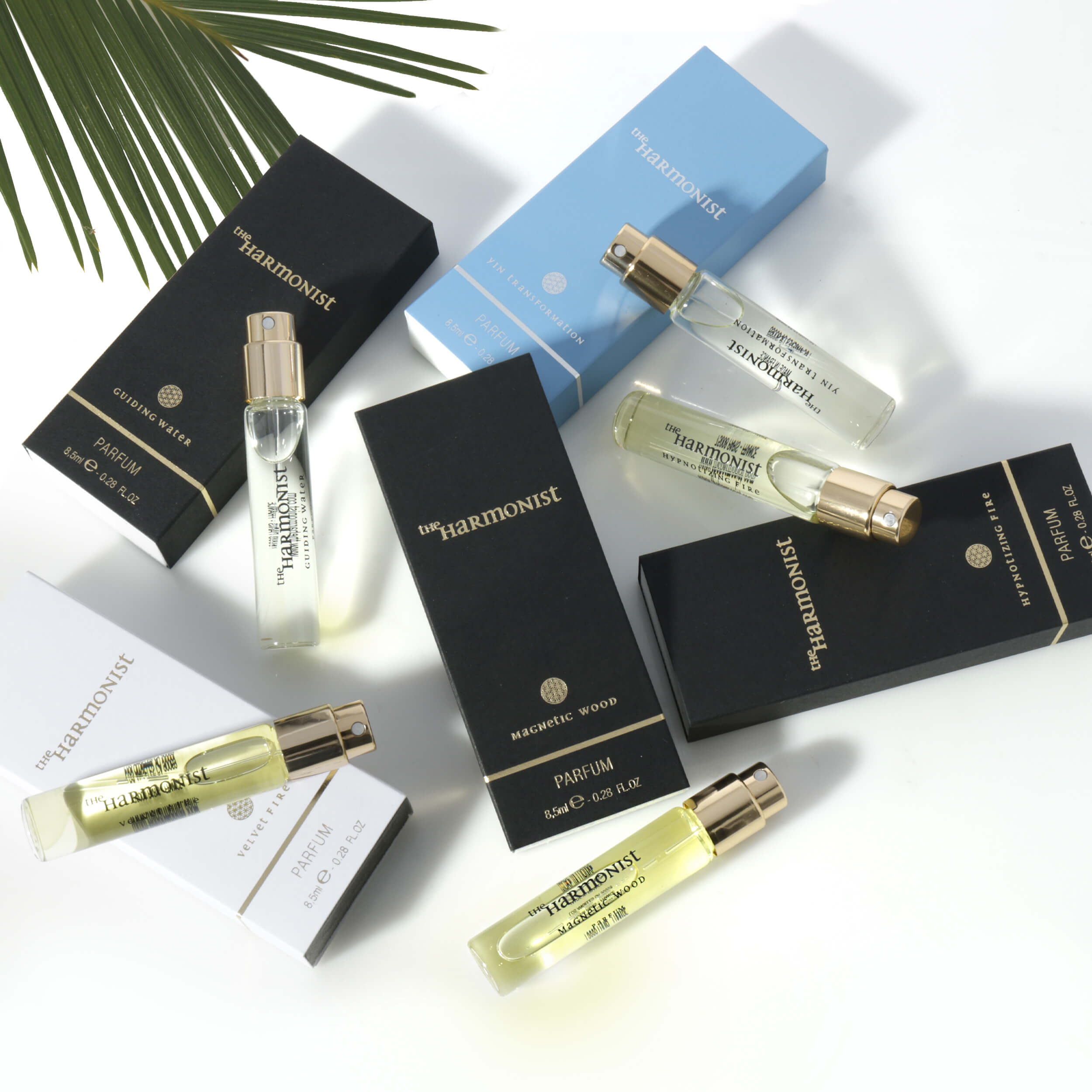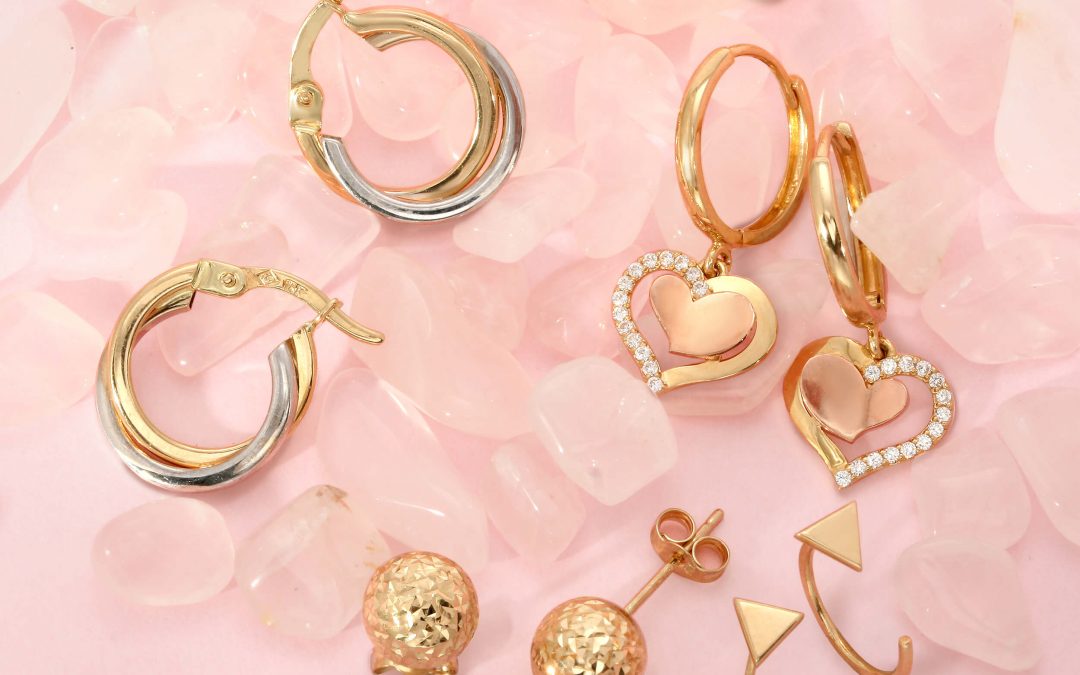
A product page has only seconds to make its case. If the lighting is flat, the color is wrong, or the product details disappear into the background, shoppers move on. An affordable product photography service gives growing brands, Amazon sellers, and ecommerce teams a practical way to present products professionally without taking on the cost of an in-house studio.
Affordable should never mean careless. The right photography partner combines clean lighting, category-specific styling, professional retouching, and dependable delivery at a price that supports your margins. The goal is straightforward: product images that help customers understand what they are buying and feel ready to buy it.
What Affordable Product Photography Should Include
Low pricing is useful only when the final files meet the standards of the channel where they will be used. A marketplace main image, a Shopify product page, a print catalog, and a social campaign may need different crops, backgrounds, resolutions, or image counts. A service should be able to plan for those requirements before the shoot begins.
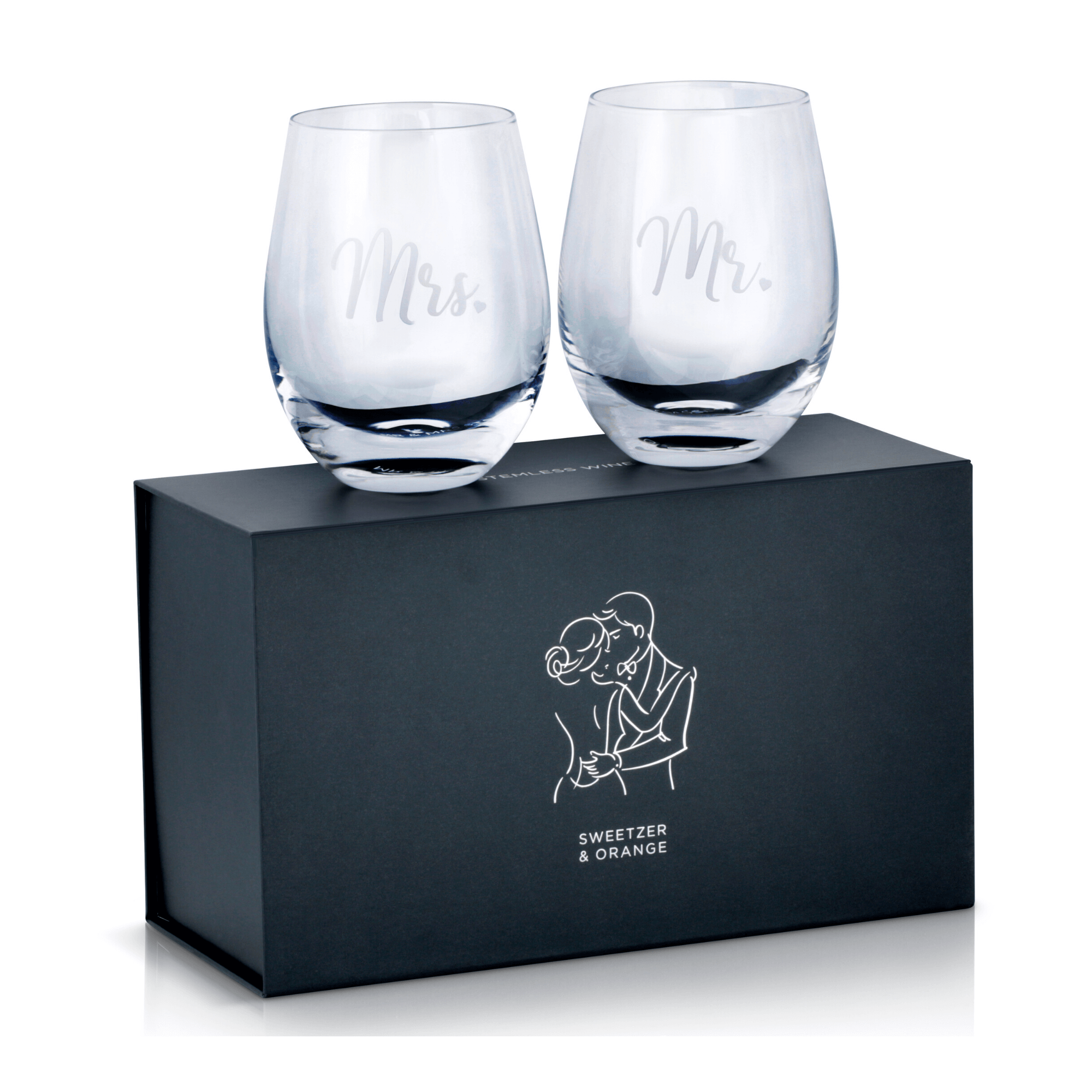
At a minimum, professional product photography should include high-resolution image capture, controlled studio lighting, basic cleanup, and files prepared for web or print use. Retouching matters because small distractions become obvious online: dust on a bottle, fingerprints on glassware, loose threads on apparel, uneven reflections on metal, or a background that is not truly white.
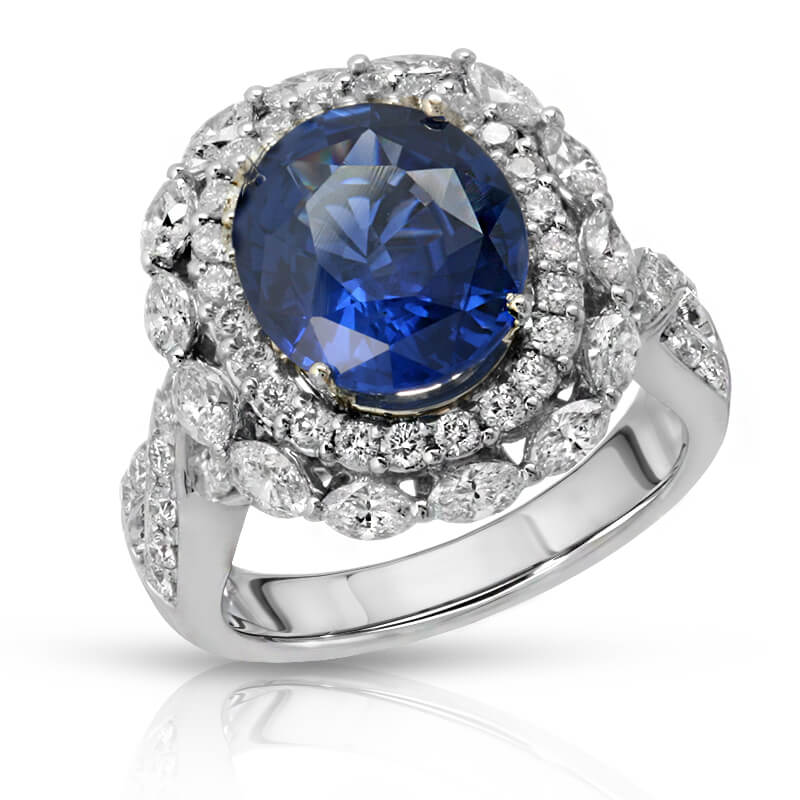
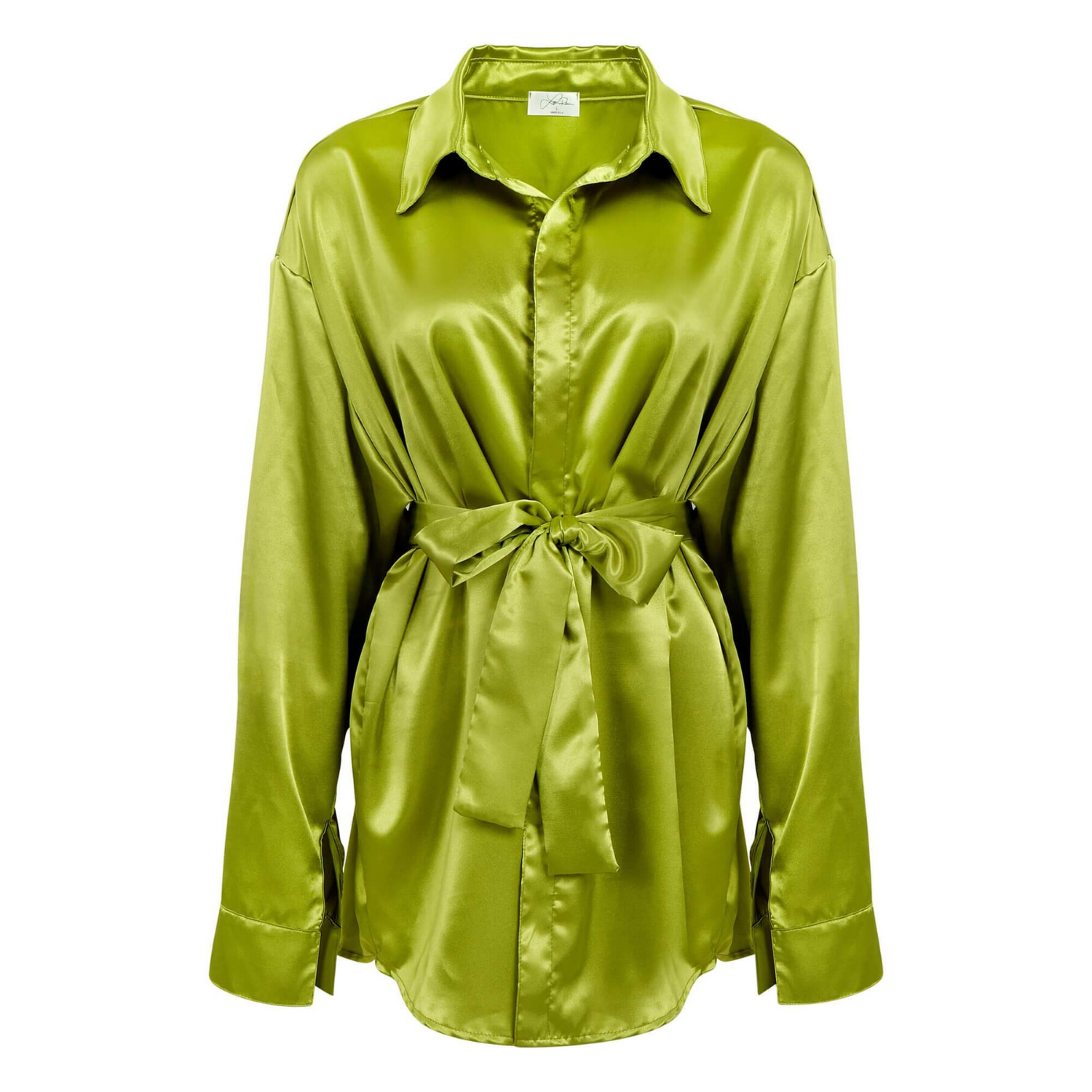
The strongest studios also understand that every product category behaves differently under lights. Jewelry needs careful reflection control and close attention to stones, prongs, and metal finish. Apparel needs accurate color, shape, and texture. Cosmetics need clean labels and flattering surfaces. Electronics often need precise angles that show interfaces, ports, and scale. These are not interchangeable assignments, even when the products are all photographed on white.
Why Better Images Can Cost Less Than Reshoots
Many businesses start with phone photos or inexpensive freelance work because it appears to be the quickest way to launch. That approach can work for early testing, but it often creates a second round of costs when images fail marketplace requirements, colors look inaccurate, or the listing does not convey product quality.
A professional shoot helps avoid those problems before they reach customers. Clear product photos can reduce uncertainty around size, materials, finish, and use. They also create a more consistent storefront, which is especially valuable when a brand has multiple SKUs, retail partners, or new product releases planned throughout the year.
The real value is not simply a polished image file. It is the ability to use that file across product listings, catalogs, ads, email campaigns, sell sheets, and print materials. Royalty-free usage rights make this easier because your team can put approved imagery to work without having to schedule another shoot for every new marketing need.
Price still matters, of course. For a simple product on a white background, image pricing as low as $12 per image can make professional photography accessible for brands that need to photograph a large catalog. Complex products require more time, and the quote should reflect that. A reflective watch, a styled beverage scene, or a detailed garment may need more setup and retouching than a boxed office supply. The important point is that the estimate matches the visual standard and the scope of work.
How to Compare an Affordable Product Photography Service
When comparing studios, do not make the decision on a per-image price alone. Ask what that price includes, how the images will be delivered, and whether the studio has experience with your exact product type. A low quote can become expensive if it excludes retouching, revisions, alternate views, or the file specifications required for your sales channel.
Start with the portfolio. Look for consistency in white backgrounds, clean edges, realistic color, and sharp details. If you sell premium goods, look closely at whether the photos make materials feel premium. If you sell functional products, check whether the images clearly explain features and components. The right visual approach depends on the item and the customer, not just on a generic studio style.
Next, ask about turnaround. Fast delivery matters when inventory is arriving, a marketplace listing is waiting for approval, or a campaign has a fixed launch date. Fast should still include quality control. A reliable studio sets clear expectations around product receipt, photography, post-production, approvals, and final delivery so your marketing schedule stays on track.
Finally, confirm the practical details before shipping products. Provide a complete SKU list, desired image count, preferred angles, background requirements, dimension references, and examples of images you like. This prevents avoidable delays and gives the photography team the information needed to create assets that are useful from the first delivery.
The Image Mix That Supports Conversion
A single clean hero image is essential, but it rarely answers every buying question. Most ecommerce listings benefit from a focused mix of images that shows the product from more than one perspective. The exact number depends on the category, price point, and marketplace rules.
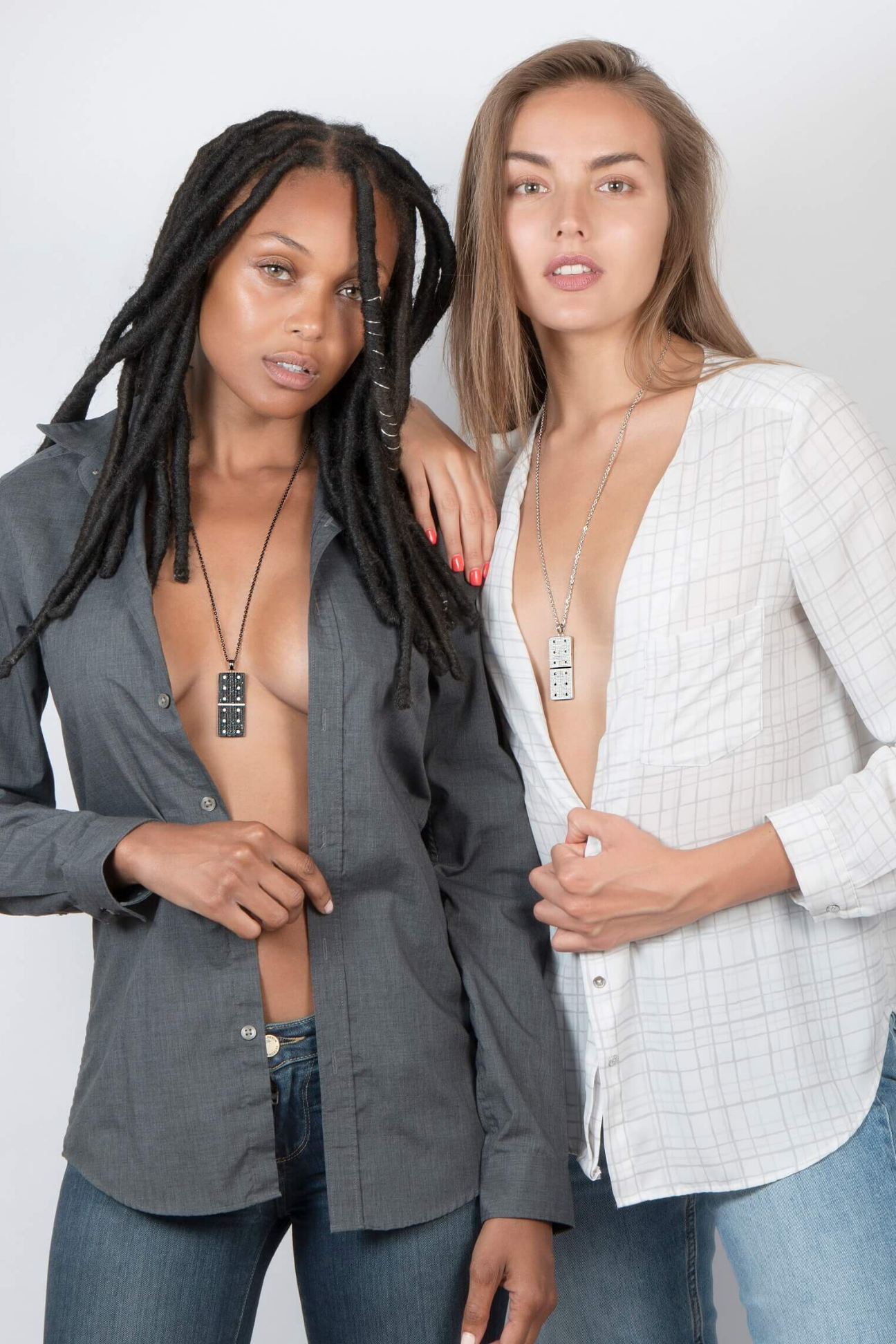
For many products, the most useful set includes a main image, alternate angles, close-ups of key details, a view that establishes scale, and a lifestyle or in-use image when context helps the shopper. A skincare jar may need a label close-up and texture shot. A backpack may need interior, strap, zipper, and capacity views. A ring may need macro images that show stone quality and setting detail.
Not every product needs a large lifestyle production. In fact, forcing lifestyle imagery onto a simple item can dilute the page and consume budget that would be better spent on additional product angles. Use styled photography where it adds information, emotion, or brand positioning. Keep clean catalog imagery at the center when marketplace compliance and product clarity are the priority.
Prepare Products for a Faster, Cleaner Shoot
Professional retouching can correct minor issues, but preparation is still one of the best ways to control cost and speed. Send products in their final sellable condition, with labels straight, packaging clean, batteries charged where relevant, and all accessories included. For apparel, inspect for wrinkles, lint, missing buttons, and inconsistent sizing. For jewelry, secure loose stones and remove stickers or protective films that are not meant to appear in the final image.
Include any special instructions that may not be obvious from the product itself. If a lid should remain closed, a screen should display a particular interface, or a garment has a feature that must be shown, say so clearly. For color-sensitive merchandise, send approved color references or samples when possible. This is particularly helpful for apparel, cosmetics, paint, and materials with subtle tonal variation.
Product Photography Studio works with a broad range of consumer goods, from detailed jewelry and watches to beauty products, apparel, electronics, beverages, household goods, and medical items. That category experience helps the team choose lighting and angles that fit the product rather than applying the same setup to every SKU.
Treat Photography as a Sales Asset, Not a Final Task
Photography is often scheduled after the packaging, inventory, website copy, and marketplace setup are already complete. That can create pressure to rush the image process. A better approach is to plan photography alongside your launch calendar, using the same product information your merchandising and marketing teams already have.
Think about where each image will appear before the shoot. A square marketplace crop may need different framing than a vertical social placement. A catalog may require more negative space for layout. A close-up that works beautifully in an email may not be the best choice for a product page thumbnail. Planning these uses upfront helps you get more value from each product shipment and each studio session.
The best affordable option is not the one that merely delivers the lowest initial number. It is the service that gives your products a consistent, credible presentation, reduces rework, and provides files your team can use confidently wherever customers shop. Send clear requirements, prioritize the images that answer buyer questions, and invest in a visual standard that makes every listing look ready to sell.