A wrinkled tee, a flat-looking jacket, or denim shot in the wrong shade can cost a sale before the shopper ever reads the product description. That is why an apparel product photography service is not just a creative expense. It is a sales tool. For ecommerce brands, Amazon sellers, and retail teams, the quality of apparel imagery directly affects click-through rate, conversion, return rate, and how credible the brand looks at first glance.
Clothing is one of the hardest product categories to photograph well because buyers are trying to judge fit, fabric, texture, drape, stitching, and color through a screen. If the images are inconsistent, underlit, over-retouched, or inaccurate, customers hesitate. If the images are clear, polished, and true to the garment, customers move forward faster.
What an apparel product photography service should actually deliver
A strong apparel product photography service should do more than produce nice-looking photos. It should create a consistent image set that helps shoppers make buying decisions with less friction. That means clean lighting, accurate color, visible detail, and image formatting that fits the selling channel.
For a direct-to-consumer site, the goal may be to support a premium brand presentation with front, back, side, detail, and on-model shots. For Amazon or a marketplace listing, the focus may shift toward compliant main images, supporting angles, close-ups, and simple visual storytelling that helps the product stand out in crowded search results. For a catalog or lookbook, the styling and crop choices may be different again. The right approach depends on where the images will be used and what the customer needs to understand before buying.
That is where experience matters. Apparel has too many variables for a one-size-fits-all workflow. A studio needs to know how to photograph black garments without losing shape, white garments without blowing out detail, reflective trims without hotspots, and textured fabrics without creating visual noise.
Why apparel photography is more technical than it looks
On the surface, a shirt on a white background sounds simple. In practice, apparel photography is about controlling shape, texture, color, and consistency across an entire SKU lineup.
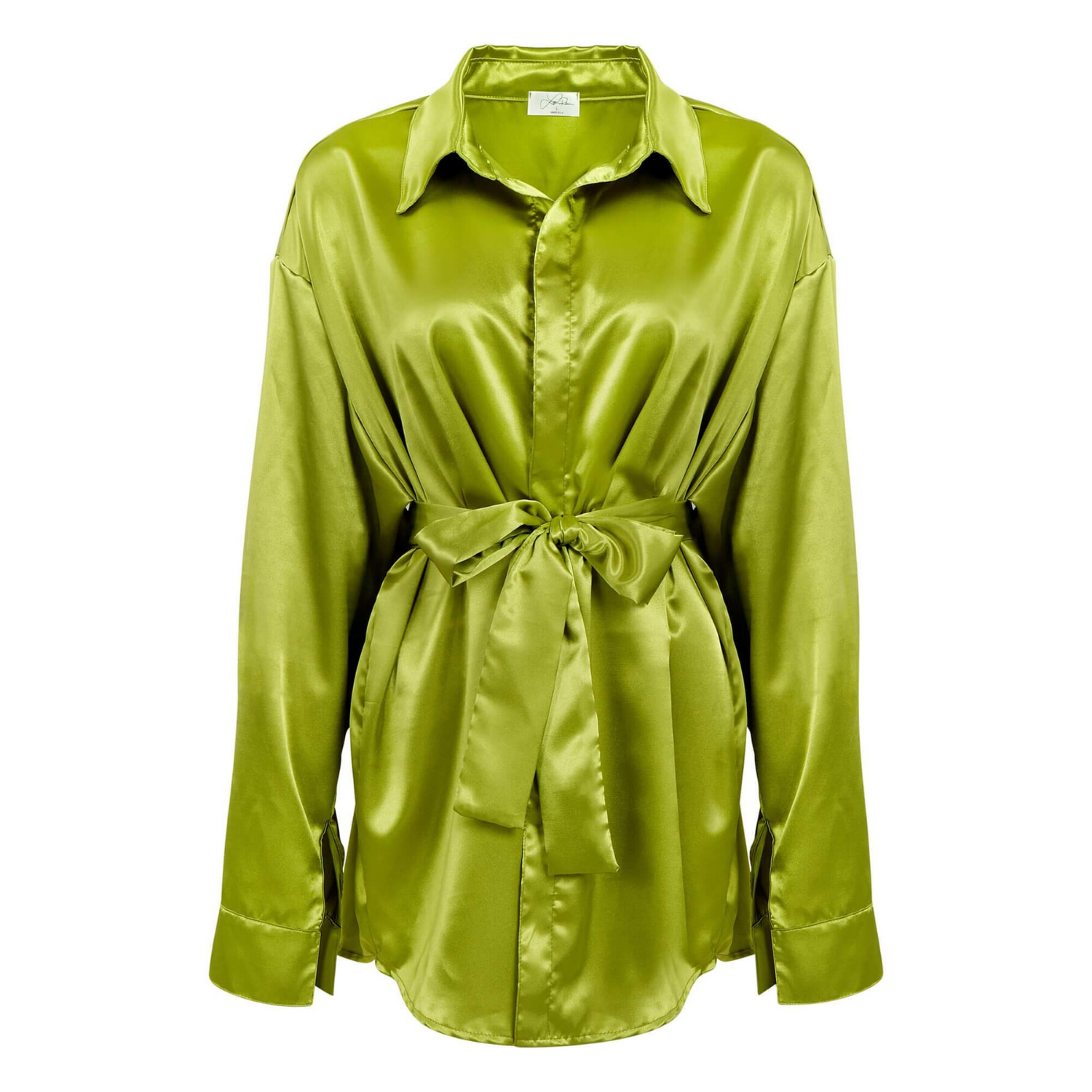
Different fabrics react differently under light. Cotton absorbs light in a softer way than satin. Ribbed knits show depth easily, while dark fleece can flatten out if the lighting is too broad. A structured blazer needs shape and edge definition. A flowing dress needs movement without looking messy. Even basic ghost mannequin work requires careful garment styling to keep collars, sleeves, hems, and seams looking natural.
Color accuracy is another major issue. If a customer orders “forest green” and receives something that looks closer to charcoal or olive, the image did not do its job. Returns often start there. Professional post-production helps, but retouching cannot fix a poorly planned shoot. Accurate results come from a controlled photography process from the start.
There is also the matter of scale. One image may look fine on its own, but apparel brands usually need dozens or hundreds of images that all match. The lighting, angle, crop, styling standards, and retouching need to stay consistent across products, collections, and future releases. Without that consistency, the storefront starts to look fragmented.
The image types that move apparel listings forward
Most apparel brands need more than a single hero shot. Shoppers want enough visual information to feel confident. A well-planned apparel product photography service typically builds image sets around how people actually shop online.
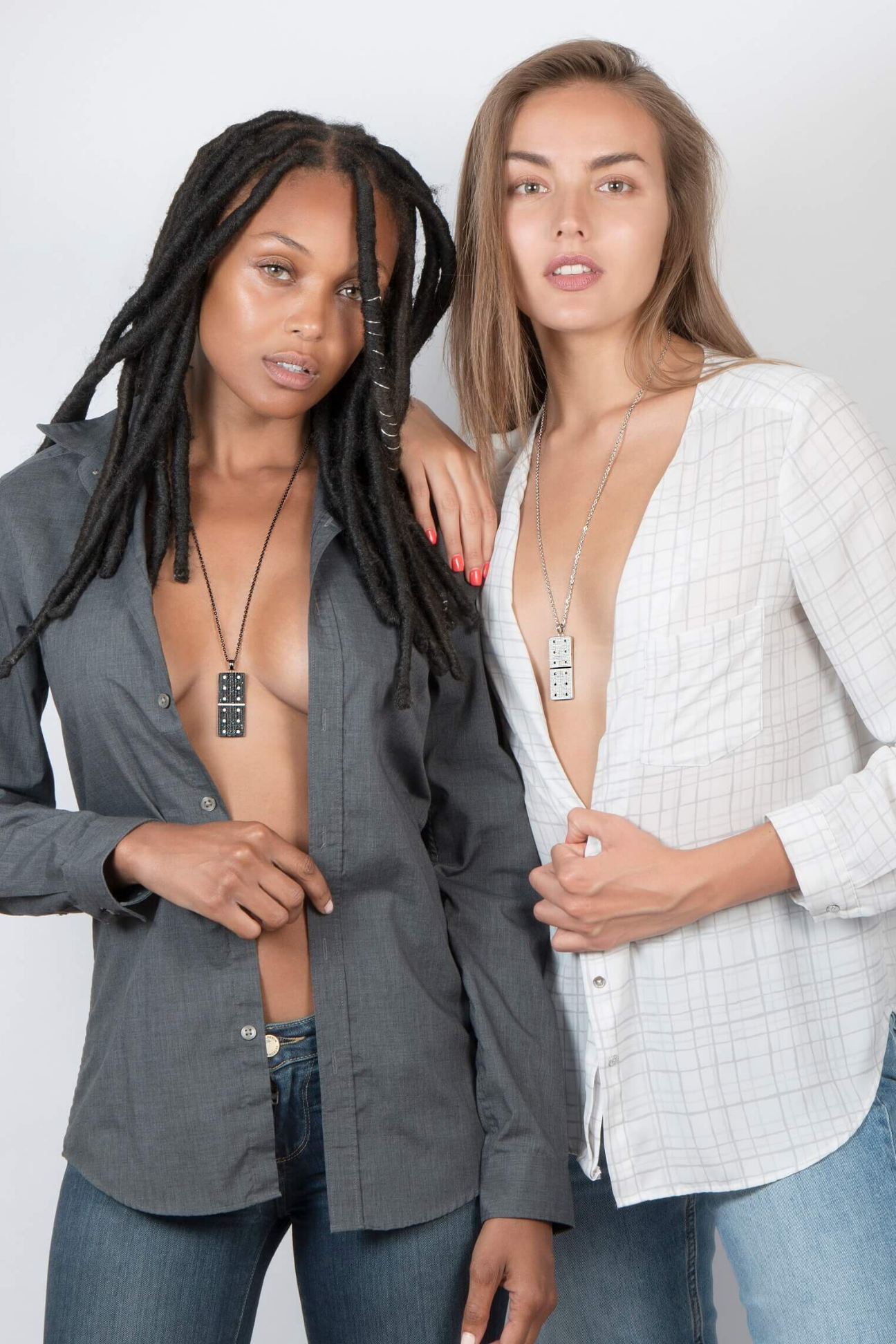
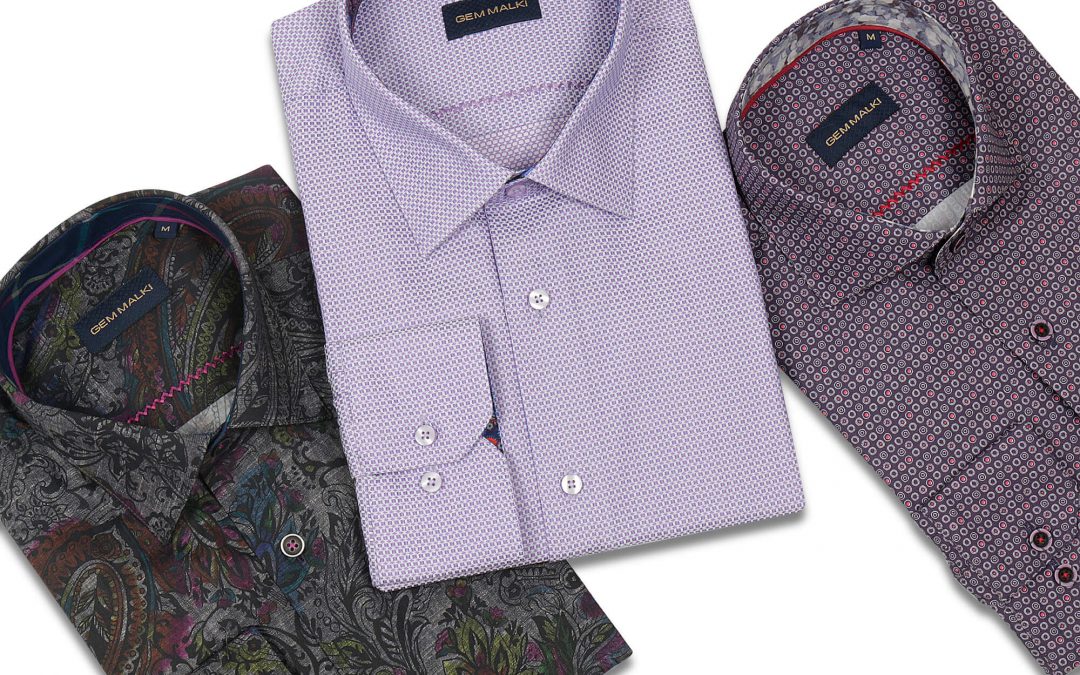
Flat lay photography works well for casualwear, kids’ clothing, basics, and folded presentations where shape and styling can be controlled simply. Ghost mannequin photography is useful when the goal is to show garment structure without the distraction or cost of a live model. On-model photography helps communicate fit, proportion, and lifestyle positioning. Detail shots are essential for fabric texture, hardware, stitching, lining, and special features that justify price.
The best mix depends on the product and price point. A low-cost basic tee may only need a few clean product angles and one close-up. A premium coat or tailored piece may need front, back, side, interior, texture, and styled model imagery to support the sale. More images are not always better. The right images are better.
How professional apparel images affect sales
Good apparel photography improves performance because it answers buyer questions before they become objections. Can I trust this color? What does the fabric look like? Is it fitted or relaxed? Does it look cheap? Does this brand feel legitimate?
When those answers are visible in the photos, the path to purchase gets shorter. Shoppers spend less time guessing. They are more likely to click, more likely to stay on the page, and more likely to buy with confidence.
There is also a branding effect that matters just as much as direct conversion. Inconsistent or amateur imagery makes even a good product feel less reliable. Clean, polished, high-resolution photography raises perceived value. It tells customers the brand pays attention to quality. For newer brands especially, that visual trust can make the difference between a first sale and a bounce.
For teams managing large SKU counts, a professional workflow also saves time internally. A dependable studio can handle prep, lighting, shooting, retouching, and delivery at scale, which removes the need to build an in-house setup for every launch or seasonal update.
Choosing the right apparel product photography service
Price matters, but price without quality control usually creates more work later. The better question is whether the studio can produce images that are commercially usable, category-appropriate, and consistent from one product to the next.
Look at how the garments are styled. Are collars shaped correctly? Are wrinkles handled well? Does black clothing still show contour? Do whites hold detail? Are crops and angles uniform across items? These are small things that have a big impact on whether the final image feels professional.
Turnaround time matters too, especially for ecommerce teams working around launch calendars, ad schedules, or marketplace deadlines. Fast delivery is valuable only when the files arrive ready to use. That includes clean retouching, high resolution, and image output that fits the intended platform.
It also helps to work with a studio that understands commercial priorities. Some brands need budget-friendly production for a large volume of SKUs. Others need more detailed styling and retouching for premium collections. A capable studio can scale the approach instead of forcing every project into the same package.
What to prepare before sending apparel to a studio
The smoothest projects usually start with a clear shot list and a few practical decisions. First, decide where the images will be used. Website PDPs, Amazon listings, print catalogs, and paid ads often require different framing and file preparation.
Next, define the visual standard. That includes background choice, model or no model, flat lay or ghost mannequin, number of angles, and whether detail images are needed. If your brand has existing product pages, matching that look may be the priority. If you are rebranding, this is the time to set a cleaner standard.
Garment prep matters more than many sellers expect. Clothing should arrive organized by SKU, size, and color, with styling notes if anything is not obvious. If there are specific features to highlight, say so upfront. The more complete the instructions, the fewer revisions you will need later.
A practical investment for growing apparel brands
An apparel product photography service is often one of the simplest ways to improve how a product line performs without changing the product itself. Better images can increase perceived value, reduce hesitation, and support a more consistent brand presentation across every channel where customers find you.
For growing brands, the real advantage is efficiency. Instead of trying to manage lighting, styling, retouching, and file prep in-house, you get a repeatable system that supports launches, restocks, and seasonal collections. Product Photography Studio works with brands that need that balance of speed, affordability, and polished commercial results.
If your current apparel images are making products look flatter, darker, less detailed, or less consistent than they really are, the issue is not minor. It is affecting how customers judge the product before they ever add it to cart. Better photography fixes that at the point where buying decisions begin.