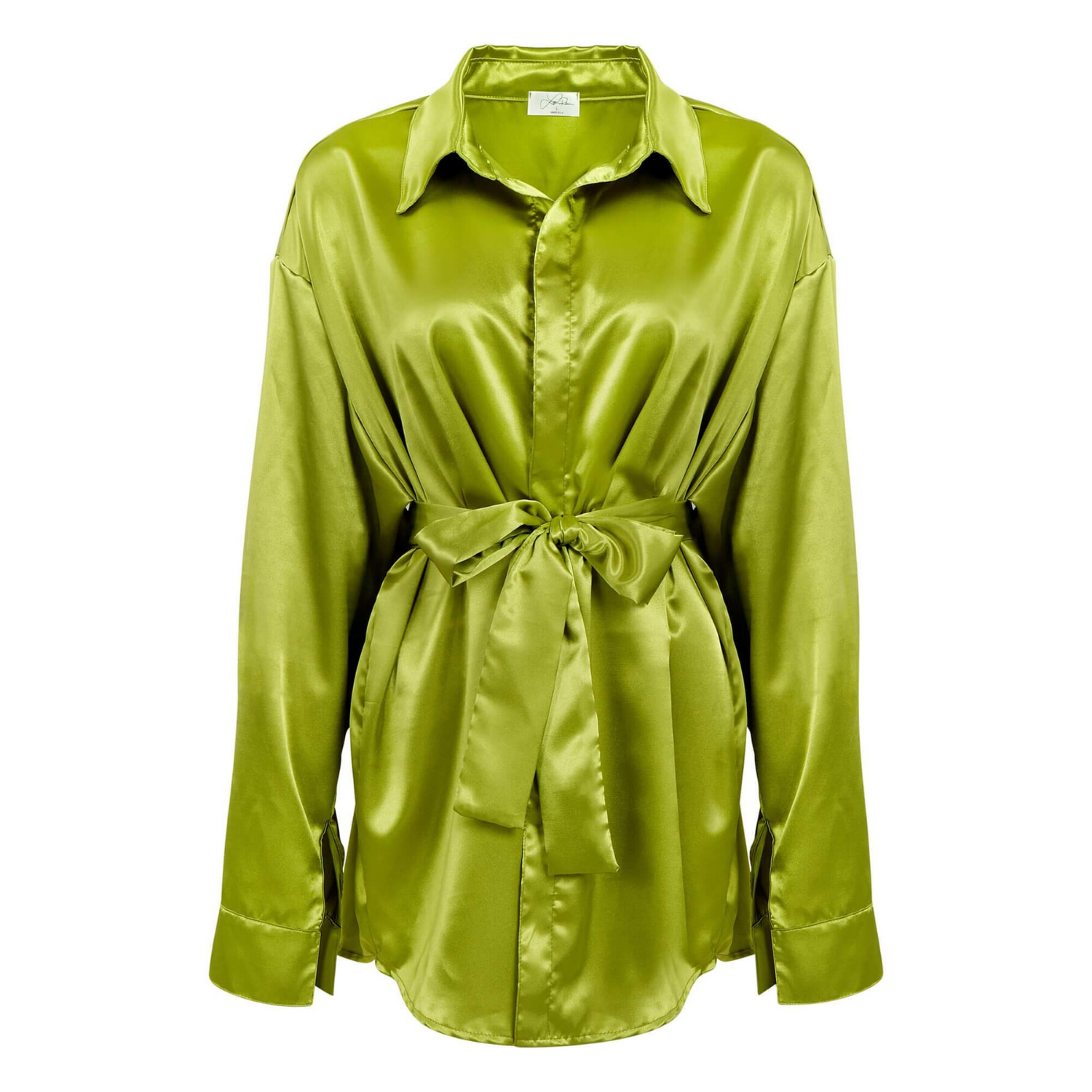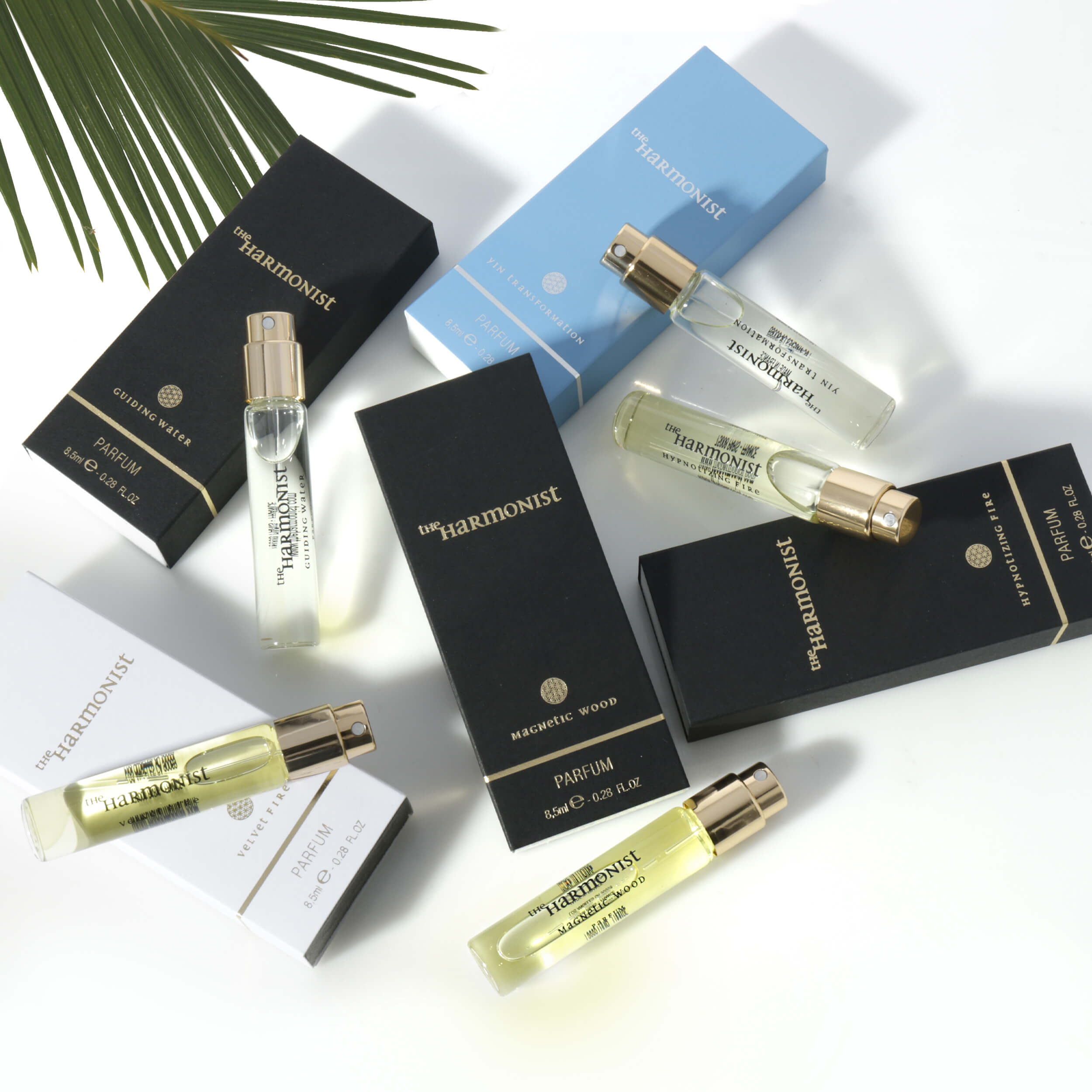
A listing can have strong pricing, solid reviews, and a good product, then still lose the click because the images look flat, inconsistent, or amateur. That is the real cost of weak amazon fba product photography. On Amazon, shoppers make fast decisions, and your images do a large share of the selling before anyone reads a bullet point.
For FBA sellers, photography is not just a creative task. It is a conversion asset. The right images help shoppers understand the product, trust the brand, and feel confident enough to buy without touching the item in person. The wrong images create hesitation, and hesitation is expensive.
Why amazon fba product photography matters so much
Amazon is a crowded marketplace with limited room to build a brand story. You do not get a polished storefront experience by default. In many categories, the main image is the first and strongest chance to stand out in a page full of similar products.
That is why image quality directly affects performance. Better photography can improve click-through rate from search results, reduce confusion on the product page, and lower returns caused by unrealistic expectations. If the product looks clean, accurate, and professionally presented, shoppers are more likely to trust the listing.
There is also a practical issue many sellers underestimate. Amazon has image requirements, category expectations, and visual norms that vary by product type. Jewelry needs a different lighting approach than apparel. Glassware behaves differently than electronics. Beauty packaging often needs precise color control, while watches and reflective accessories need careful management of glare and detail. A one-size-fits-all setup usually shows.
What makes Amazon product images convert
A converting image set does two jobs at once. It satisfies Amazon requirements, and it answers buyer questions quickly. That sounds simple, but execution is where most listings fall short.
The main image has to be clean, bright, and technically correct. It should isolate the product clearly on white, with accurate edges, natural shape, and enough detail to look premium. Poor cutouts, bad shadows, dust, or inconsistent color make even a good product feel low value.
Secondary images carry the rest of the sales message. They should show scale, texture, features, packaging, variations, and use cases where appropriate. If a customer has to guess about size, material, finish, fit, or included components, the image set is not doing enough work.
Lifestyle and infographic images can help, but only when they are used with purpose. A kitchen tool shown in use can add context. A skincare product with callouts for ingredients or bottle size can reduce uncertainty. But too many graphics, cluttered layouts, or off-brand styling can cheapen the listing instead of strengthening it.
The most common problems with DIY Amazon photography
A lot of sellers start with an in-house setup, which makes sense at first. It keeps costs low, and for early testing, speed may matter more than polish. But once a product starts moving, the limits usually become obvious.
Lighting is the first issue. Harsh reflections, muddy shadows, and uneven brightness make products look inconsistent. This gets worse with reflective surfaces like metal, glass, glossy packaging, gemstones, and electronics screens.
Color is another problem. Apparel, cosmetics, and branded packaging need accurate color to avoid disappointed customers and unnecessary returns. If the fabric tone shifts too warm or the label color looks off, the listing stops matching the product in the box.
Retouching is where many DIY efforts break down completely. Dust removal, edge cleanup, shape correction, label straightening, reflection control, and natural shadow work all matter. Without polished post-production, even a well-shot image can still look unfinished.
Then there is scale. One hero shot is manageable. A full catalog refresh, variant set, or launch across multiple SKUs is different. At that point, consistency becomes hard to maintain without a structured process.
When professional amazon fba product photography pays off
Professional photography usually pays for itself when product margins are healthy, ad spend is rising, or listings are underperforming because the visual presentation is weak. It also makes sense when your products are difficult to photograph correctly.
If you sell jewelry, watches, beauty items, apparel, glassware, or anything with reflective surfaces, texture, or fine details, experience matters. These categories are less forgiving. Shoppers expect high-end presentation, and poor execution is easy to spot.
It also pays off when you are building a brand, not just testing a single SKU. Consistent images across Amazon, your website, ads, catalogs, and social assets create a more credible business. That consistency is hard to achieve with mixed setups, changing light, and rushed editing.
For many sellers, the real decision is not whether professional photography costs money. It is whether weak images are already costing more through lower conversion, wasted ad spend, and preventable returns.
What to expect from a commercial studio
A good studio should make the process easier, not slower. That means clear quoting, fast turnaround, reliable communication, and image quality that is ready for ecommerce use. You should not have to manage every technical detail to get usable results.
Category experience matters more than many sellers realize. A studio that regularly photographs apparel understands color accuracy and fabric drape. A team experienced with jewelry knows how to handle sparkle, metal tone, and tiny defects without making the product look fake. The same goes for beauty packaging, electronics, office supplies, toys, medical items, and household goods. Each category has different visual priorities.
Post-production is just as important as the shoot itself. Clean retouching should improve the image without making the product look unrealistic. The goal is to present the item at its best while staying faithful to what customers will actually receive.
At Product Photography Studio, that balance is a big part of the value. Sellers come to us because they need commercially effective images, fast turnaround, and pricing that works for growing product lines, not just large campaigns.
How to prepare for an Amazon photo shoot
The smoother the prep, the better the final result. Before sending products to a studio, confirm which SKUs, angles, and image types you need. Think in terms of sales questions. What would a buyer want to verify before purchasing?
Make sure products arrive clean, complete, and final. If packaging is changing next month, wait until it is approved. If the item comes in multiple colors or sizes, decide whether each variation needs its own image set. These details affect both scope and consistency.
It also helps to define where the images will be used beyond Amazon. If you want the same assets for your site, marketplace listings, print, or ads, mention that up front. High-resolution files and broader usage planning can save time later.
Reference examples are useful, but they should guide rather than restrict. The best results usually come from combining your brand direction with a photographer’s technical judgment.
Choosing the right image mix for your listing
Not every product needs the same shot list. A simple office accessory may only need a strong white-background set with a few detail views. A premium beauty product or fashion item may need a more developed mix of hero images, close-ups, packaging shots, and lifestyle content.
The right balance depends on price point, competition, and buyer hesitation. Higher-consideration products usually need more visual proof. Lower-cost everyday items may win with clarity and efficiency.
This is where a commercially minded approach matters. The goal is not to add images for the sake of filling slots. The goal is to create a tighter sales presentation. Every image should answer a question, reinforce quality, or move the buyer closer to action.
Cost, speed, and quality – the real trade-off
Most sellers want all three. In practice, there is usually some balancing involved. Fast turnaround is valuable when inventory is arriving and listings need to go live. Affordable pricing matters when you are managing multiple SKUs. Quality cannot slip, because low-grade images erase the value of the first two.
That is why process matters so much. An experienced studio can keep pricing accessible and turnaround efficient because the workflow is built for volume and consistency. Sellers should look for a partner that understands ecommerce deadlines while still protecting image standards.
Cheap photography that needs to be reshot is not actually cheap. Slow photography that misses a launch window is expensive in a different way. The better question is whether the service supports profitable selling.
Strong Amazon photography does more than make a listing look better. It helps your product compete on a crowded page, supports the ad spend behind the listing, and gives customers fewer reasons to second-guess the purchase. If your images are the weak point, fixing them is often one of the fastest ways to improve the sales conversation before a shopper ever reads a word.